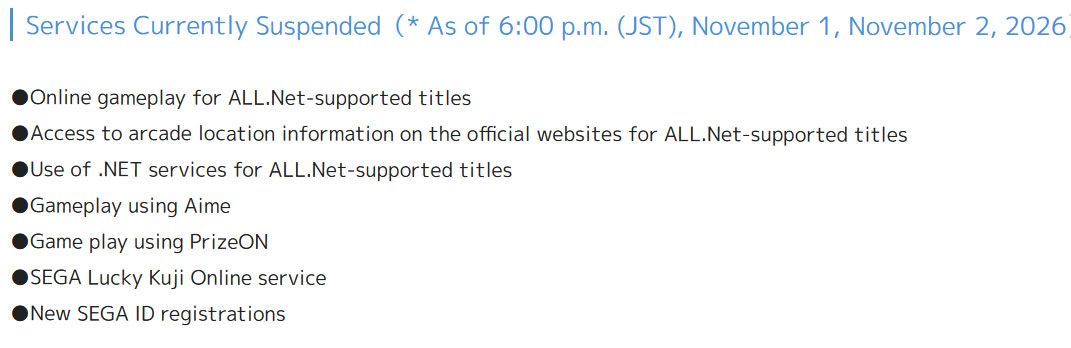
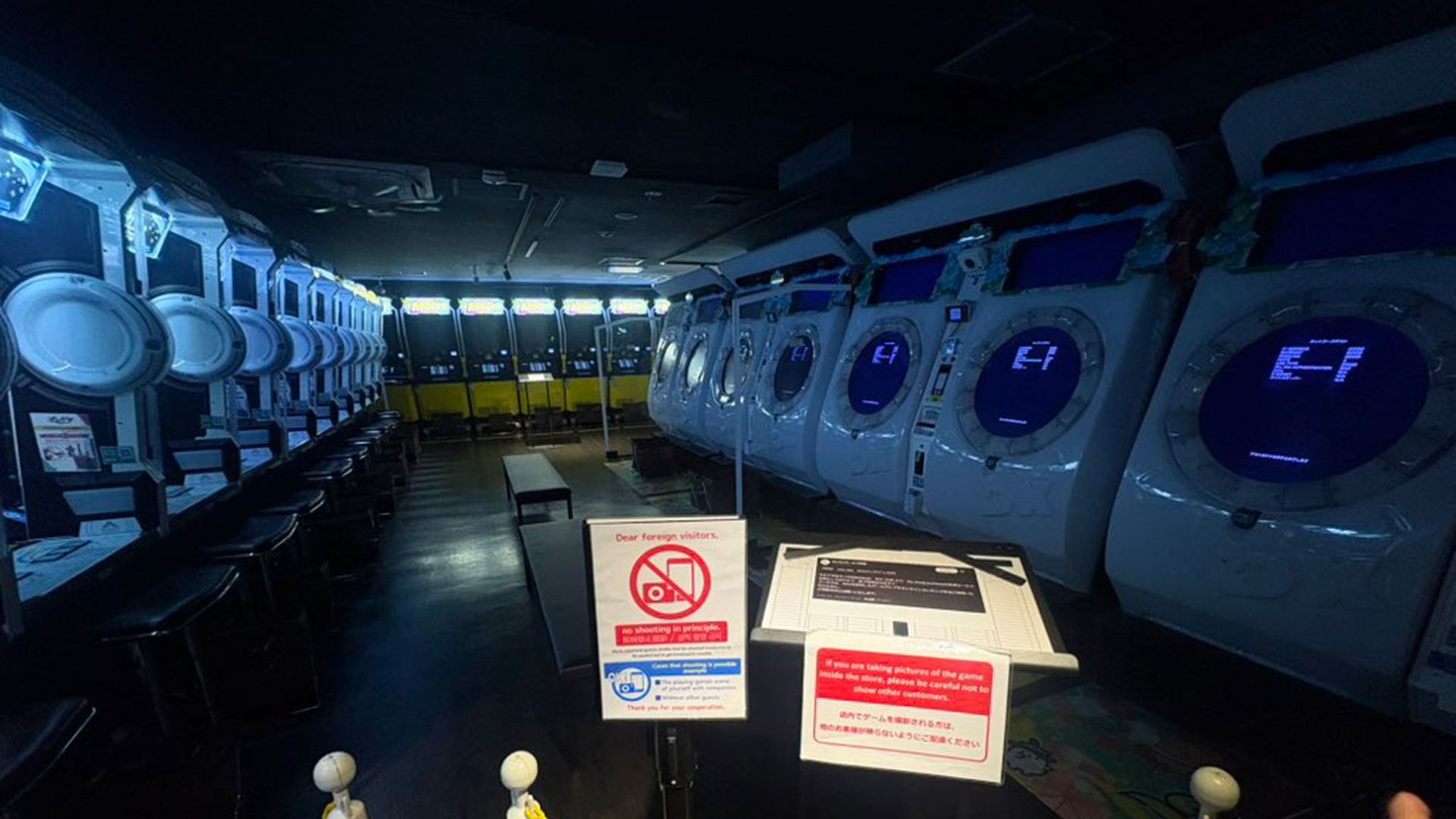
The sensory overload typically experienced when visiting video game arcades in Japan was eerily absent from some venues this week, reports ITMedia News [machine translation]. It says that a Sega system outage meant there was “no end in sight” for the rows of silent black screens. However, a recent tweet from arcade network operator ALL.net indicates that both Sega and Bandai Namco machines are affected. Moreover, arcade lovers will be pleased to hear that affected arcades will “gradually resume operation on a trial basis starting today.”
a friend sent me some pics of their local arcade and LMAO the sega outage is nuts https://t.co/3vSYjCYAIZNovember 3, 2026
ALL.Net, a contraction of Amusement Linkage Live Network, was launched by Sega in 2004 to allow arcade games to look up to the net for auto updates, data logging, implement online play, and power national leaderboards. Sega titles like Initial D The Arcade, Maimai, and CHUNITHM, rely on this network, as do Bandai Namco games like Aiko no Tatsujin, Mario Kart Arcade GP DX, and Gundam Extreme Vs.
Some services are gradually resuming operation today. (Image credit: ALL.Net, Sega Fave)
In its official apology blog post, dated November 2, ALL.Net / Sega Fave said that it suspended services a day prior after it became aware of its servers being affected by “unauthorized access by a third party.” It reassured customers that their personal info and billing data were not on the compromised server. However, it asked for more time to investigate, run safety checks, and so on, before restoring service.
This morning ALL.Net told customers that Bandia Namco titles “will gradually resume operation on a trial basis starting today (online play and card use enabled).” Sega products remain under maintenance, and online services are unavailable. There is currently no estimate for issue resolution, but a news bulletin is promised for November 10 (Tuesday).
Classic offline arcade machines weren’t affected by this outage, of course. Moreover, rival arcade gaming legends like Taito and Konami run their own, separate, arcade networks and authentication systems.
Blizzard pulled out all the stops to ensure World of Warcraft: Forever survived a chaotic launch night. What was the company's secret weapon? Splurging an absurd amount of money on infrastructure made up of 3,924 virtual machines with 70,480 CPU cores and a whopping 251,136 GB, or 251 TB, of memory.
Praised by media and players as one of the smoothest launches in Blizzard's history, World of Warcraft: Forever requires significant computing firepower. 3,924 virtual machines work out to 18 cores and 64GB of memory per instance. Or, the company could be using a mixture of 16-core and 32-core nodes with slightly less memory.
To put the infrastructure's scale in consumer terms, we are looking at about 8,810 mainstream processors, or 7,848 high-end gaming systems with 32GB of memory each. In any event, the hardware is greatly improved compared to what World of Warcraft used to run on back in 2009.
*Slaps Roof of WoW: Forever*This baby is running on:3,924 Virtual Machines251,136 GB of Memory70,480 CPU Cores https://t.co/P9PdRBzke7November 5, 2026
In 2009, Blizzard said it used 10 data centers worldwide to host World of Warcraft. At the time, the infrastructure included 13,250 server blades, totaling 75,000 CPU cores and 112.5 TB of memory. By comparison, World of Warcraft: Forever leverages 6% fewer CPU cores but rocks 2.2X more memory. Modern processors are leagues faster than chips from 17 years ago. By today's standards, the bottleneck is memory capacity and bandwidth, which is why the infrastructure can run on fewer cores but has more than double the memory to compensate.
Blizzard does not specify the exact hardware that World of Warcraft: Forever runs on. However, if we were to translate the core specifications to, for example, AMD's EPYC 128-core Bergamo or 96-core Genoa chips, it could be anywhere between 275 and 365 2U server nodes, depending on which processor it uses. Therefore, World of Warcraft: Forever could be running on just eight to ten 42U server racks, a noteworthy improvement over 17 years ago.
Blizzard should have no trouble building the infrastructure for World of Warcraft: Forever. A ballpark estimate for about ten 42U server racks with EPYC chips is at least $15 million, even with today's memory pricing. But then again, since Microsoft owns Blizzard now, the company could just be tapping its parent's existing Azure platform. Technically, it is not free compute, but Blizzard would benefit from cost pricing and priority allocation of Azure's capacity.
World of Warcraft: Forever shows that a high-profile launch does not have to be a nightmare when companies are willing to invest in computing infrastructure. In this case, many would agree Blizzard is putting those 251TB to good use, although Sam Altman may say otherwise.
Jim Vessella, a Senior Producer at the EA Partner teams at Electronic Arts, stumbled upon EA’s secret physical media vault at the company’s Redwood Shores campus. This wasn't just any storage room containing copies of old games; instead, it held nearly 20,000 archival media assets stored in various media, including Betacam, VHS, D1, Film Reels, CD-ROMs, and more. Vessella discovered it in 2022 and spent the next six months outside of his working hours unpacking the room. He was eventually joined by Greg Roensch, who worked with the EA Story initiative, which is the company’s own preservation project, and reorganized the room chronologically. From there, EA shared how this effort turned from an archival project into a remaster of several classic titles.
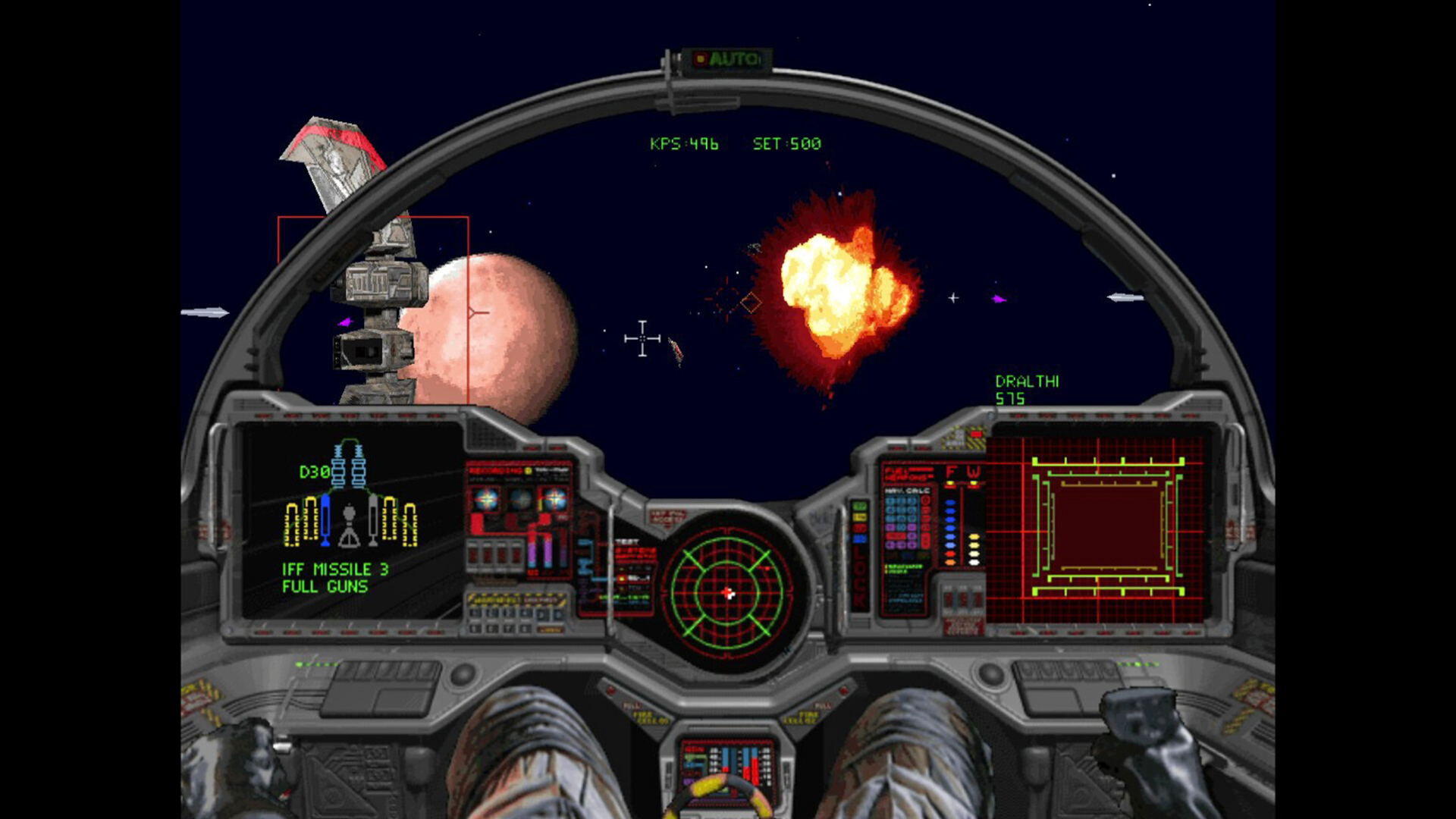
Vessella, who also worked on the Command & Conquer Remastered Collection in 2019, built a proposal to digitize the room once it was organized, with efforts starting in 2024. Two years later, the team working on the project had digitized 6,000 media assets and 2,500 hours of historical footage, including the Master Source tapes for the Wing Commander and Road Rash franchises. This has allowed the team to build Wing Commander III: Heart of the Tiger: 30th Anniversary Edition using those original master tapes. But more than just putting in new footage in the game, Vessella reached out to the Wing Commander community to help make the game playable on modern systems. This included Matt Wells (Mash), who built an Enhancement Patch for the Kilrathi Saga version of the game released in 1996, Owen “ODVS” Davies, who advised the EA team on full-motion video (FMV) restoration for some damaged tapes, and Ben “LOAF” Lesnick, who tweaked the game to fix the infamous insta-kill missile spam in Wing Commander IV.
EA also released Privateer 2: The Darkening: 30th Anniversary Edition with the help of Steve Hilliker, the original Cinematics Director of the game. It was actually a community member who said that they saw a video of Hilliker saying that he still has some of the master footage for the game stored on Digi 8. The team then reached out to the director, who found the entire collection in his attic. The team then commissioned Hilliker to digitize the tapes and create a “Director’s Cut” of the game’s cinematics. Matt once again stepped in and created an Enhancement Patch for Privateer 2, delivering a lot of quality-of-life improvements to the original game.
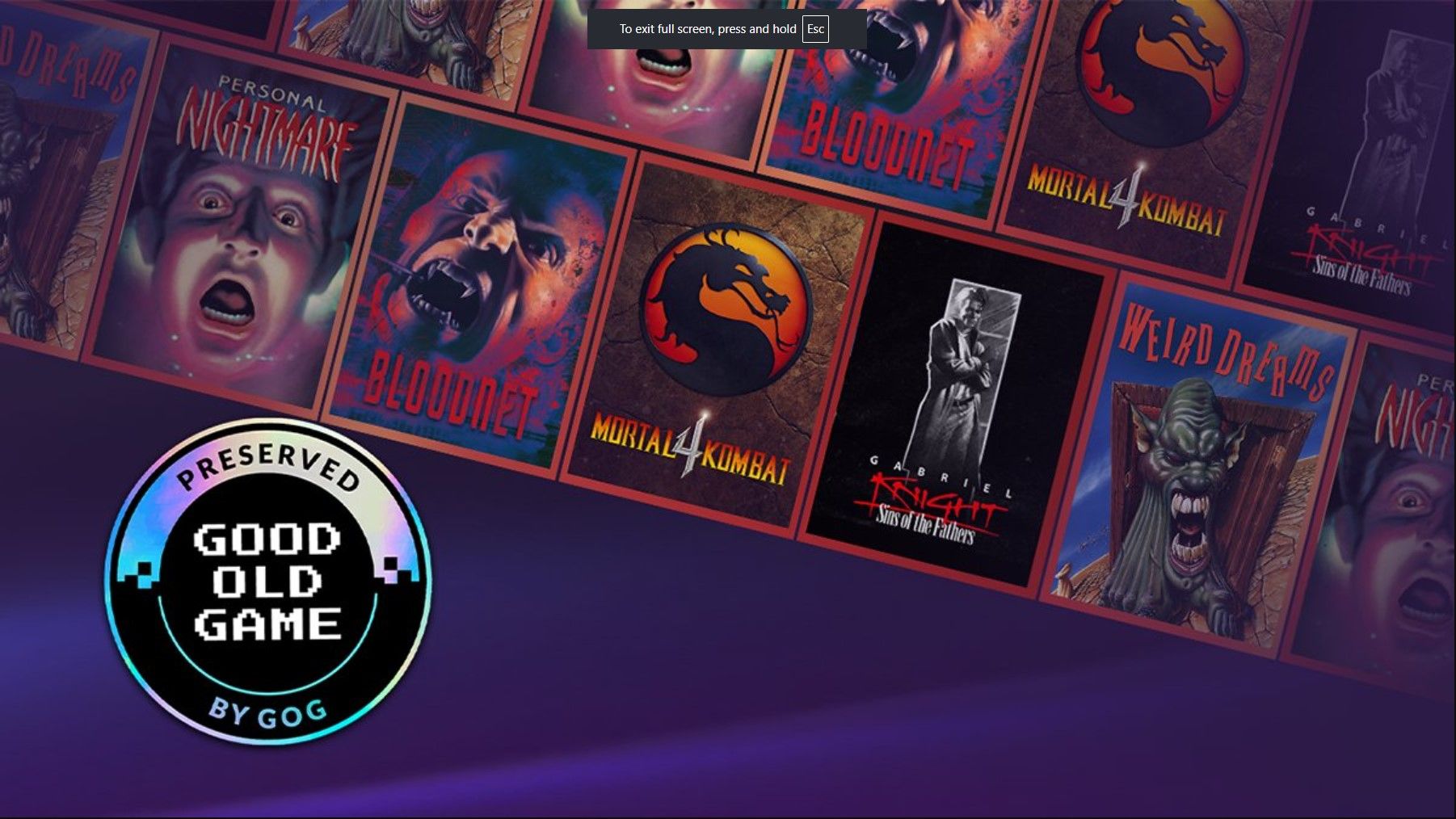
There was also a ton of work done on the original Wing Commander and the Wing Commander II sequel, plus the Road Rash retro titles. While purists might decry the “improvements” made to these titles that allowed them to be played on modern systems, the combined efforts of Electronic Arts, its passionate employees, GOG, and the community at large have allowed these games to be brought back to life. You could now get the entire Wing Commander collection and Road Rash: 30th Anniversary Edition on Steam, allowing you to reminisce about your favorite titles from the ‘90s and even allow your kids to see what gaming was like 30 years ago.
The recent release of these retro titles and the effort behind preserving them is a refreshing move after Sony announced that it will ditch physical games by 2028. While online game libraries like Steam are often more convenient for gamers, it has also raised the issue of ownership, with GOG taking a jab at Steam after the latter added a banner clarifying that you don’t own the games you buy on the platform. Despite Sony’s move away from physical media, other game companies have iterated their support for it. Nintendo says that fans like physical games, while Microsoft introduced the Xbox Disc to Digital feature that gave gamers the best of both worlds. GOG is even considering reviving physical game releases, although it admits that it still has to figure things out before it can start printing out physical game media.
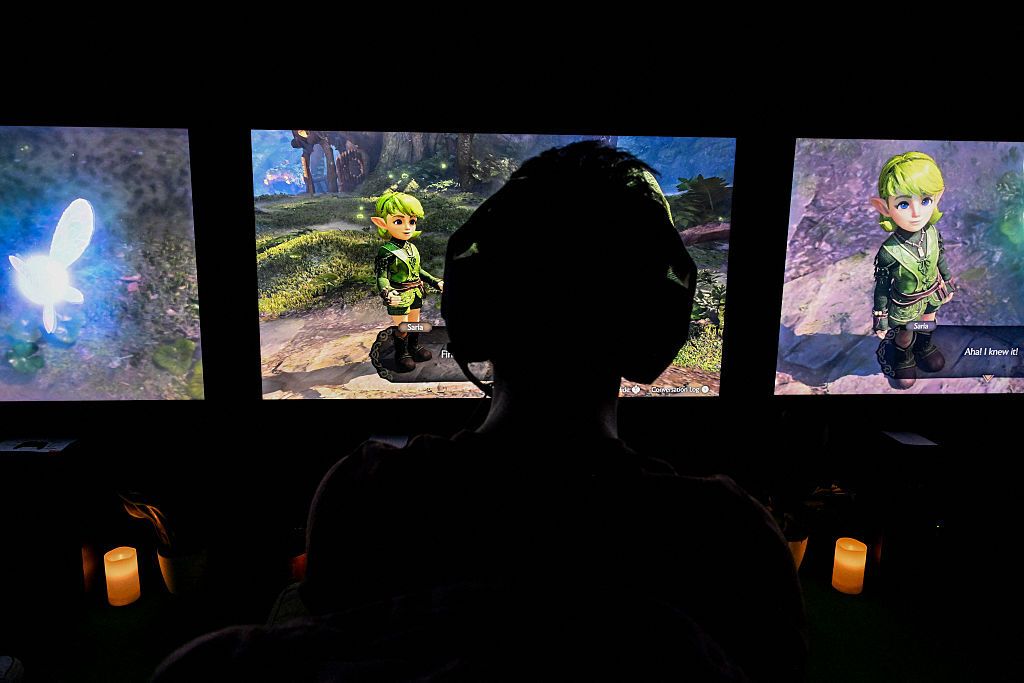
Nintendo’s remake of The Legend of Zelda: Ocarina of Time has reportedly been dumped the same day it launched on the Switch 2. The game launched today, but ONE jailbreak says copies of the original 1.0.0 release and its 1.1.1 update are already circulating outside Nintendo's official distribution channels. The update reportedly weighs 23 GB.
The leak is not entirely surprising. Physical copies had already started turning up at buyers' homes several days before the release date. Footage of the game was already appearing online by Nov. 1. Those early cartridges gave hackers access to the remake before most players could get their hands on it, with some gamers sharing videos of themselves playing the game on social media.
However, the game still remains far from playable on PC, with emulators struggling to render its graphics correctly. Some users encountered washed-out visuals or black screens, while others saw terrain bleeding through objects or could not get past the title screen.
🚨 BIZARRO! ZELDA: OCARINA OF TIME RODANDO NO PC!O jogo já teve seu dump realizado e está sendo executado no PC através de emulação. Sim, estamos falando de um game que ainda não lançou oficialmente rodando fora do hardware original da Nintendo! https://t.co/giO956ssnINovember 5, 2026
Notably, the game is identified by title ID 0400486024DEC000, with its report naming two tools involved in extracting the files: ‘ns2jb and OunceCake’. The first is a software jailbreak developed by security researcher Sammy ‘pepsipu’ Hajhamid.
Last month, Hajhamid explained how he managed to get code running on Nintendo's latest console without installing a modchip, and also described what the exploit does: "This lets us run homebrew, reverse engineer and mod Switch 2 games, back up save files off the Switch, and access most of the Switch 2’s peripherals through MMIO. To my knowledge, it’s the first such exploit for the Switch 2."
That opens up several possibilities for homebrew developers and researchers as well as pirates, but ns2jb has limitations. It is a tethered jailbreak, meaning it has to be activated again after the console restarts. The exploit also does not provide unrestricted kernel access. The same extraction method has reportedly been used with two other games: Deltarune Chapters 1-4 and Mario Kart World.
This is not the first time hackers have found a way into Nintendo's hardware. Just a day after Switch 2 went on sale in June 2025, an exploit that allowed hackers to run custom code on the system popped up, although it did not provide root access or a full jailbreak. Cartridge-based backups have also caused headaches. In August this year, we reported that Nintendo had targeted more than 400 GitHub repositories, with 401 repos removed following seven Digital Millennium Copyright Act (DMCA) notices. Several Yuzu forks were among the affected projects.
Nintendo has not publicly commented on the Ocarina of Time dump or the nsj2b exploit yet. However, SmileBASIC 4, the application used to launch the jailbreak, has disappeared from the Nintendo eShop following the exploit’s disclosure.
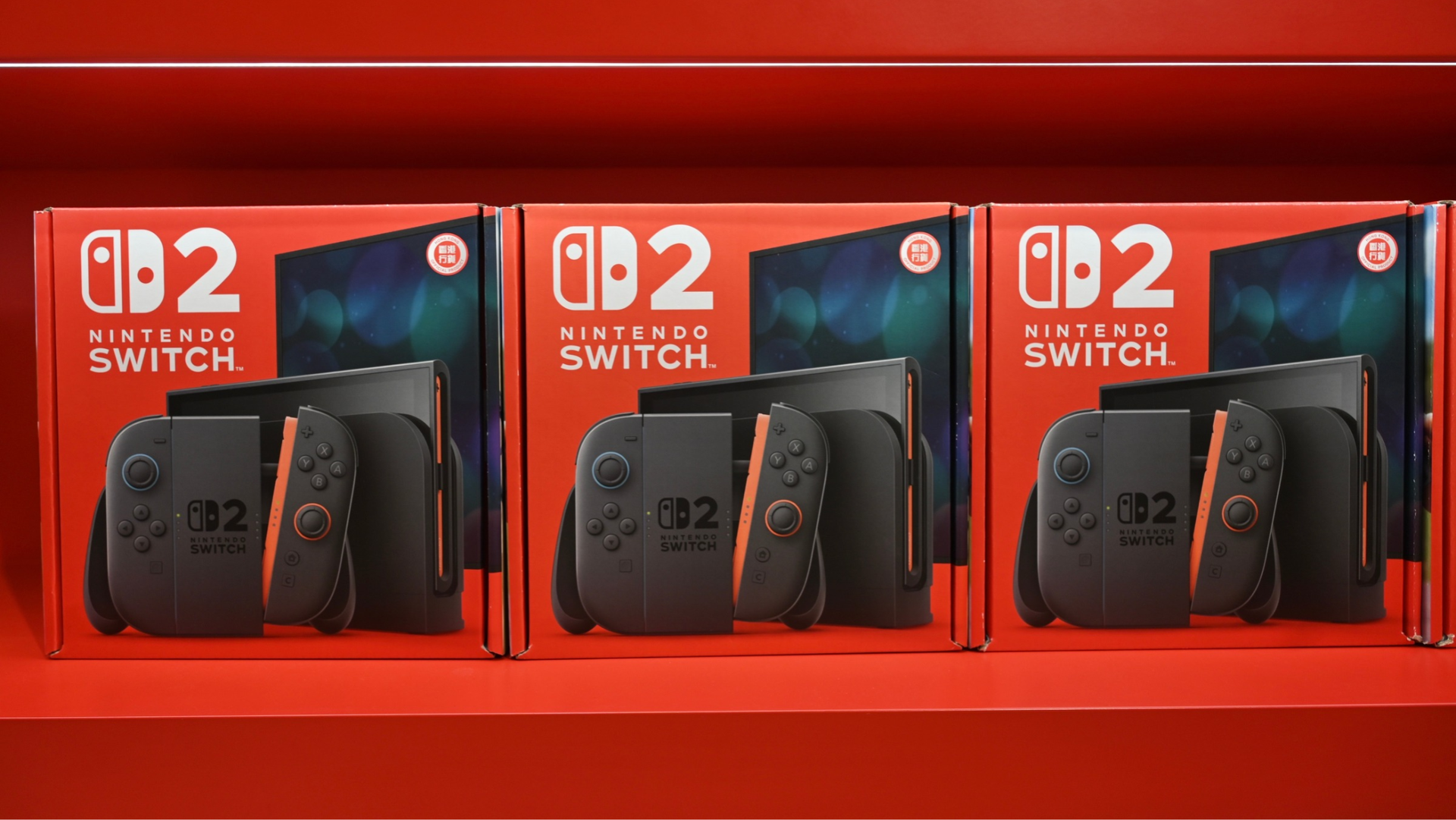
After a long wait, the much-anticipated release of The Legend of Zelda: Ocarina of Time remaster is upon us, and those who have been lucky enough to nab one of the limited edition consoles, or anyone who has purchased a copy of the game, wait with bated breath for the game to go live. With a Nintendo Switch 2, you can, of course, game on the move, but for the best experience, you can't beat plugging the handheld console into the dock and hooking up the console to a big screen.
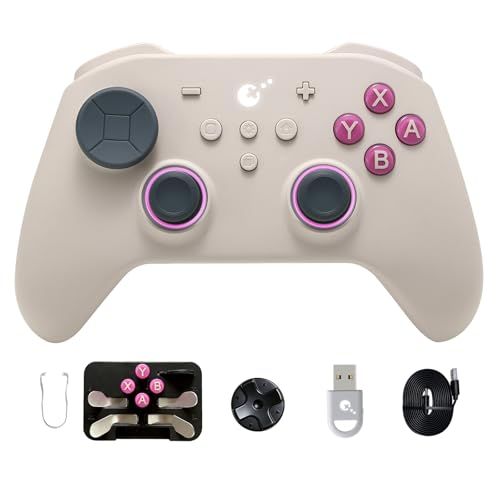
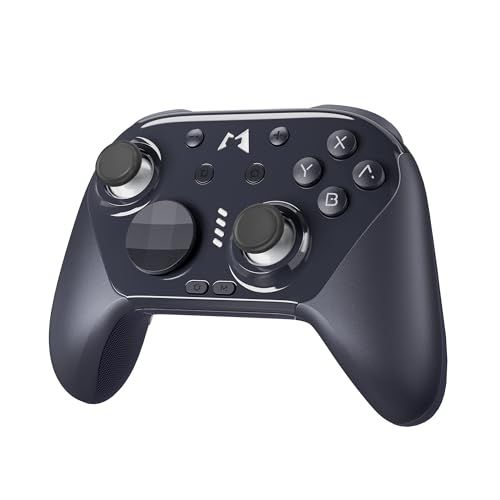
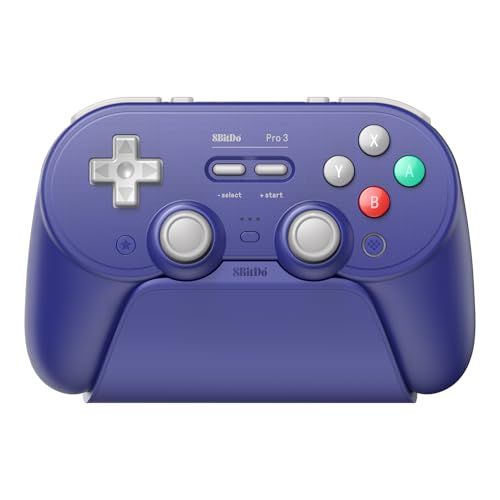
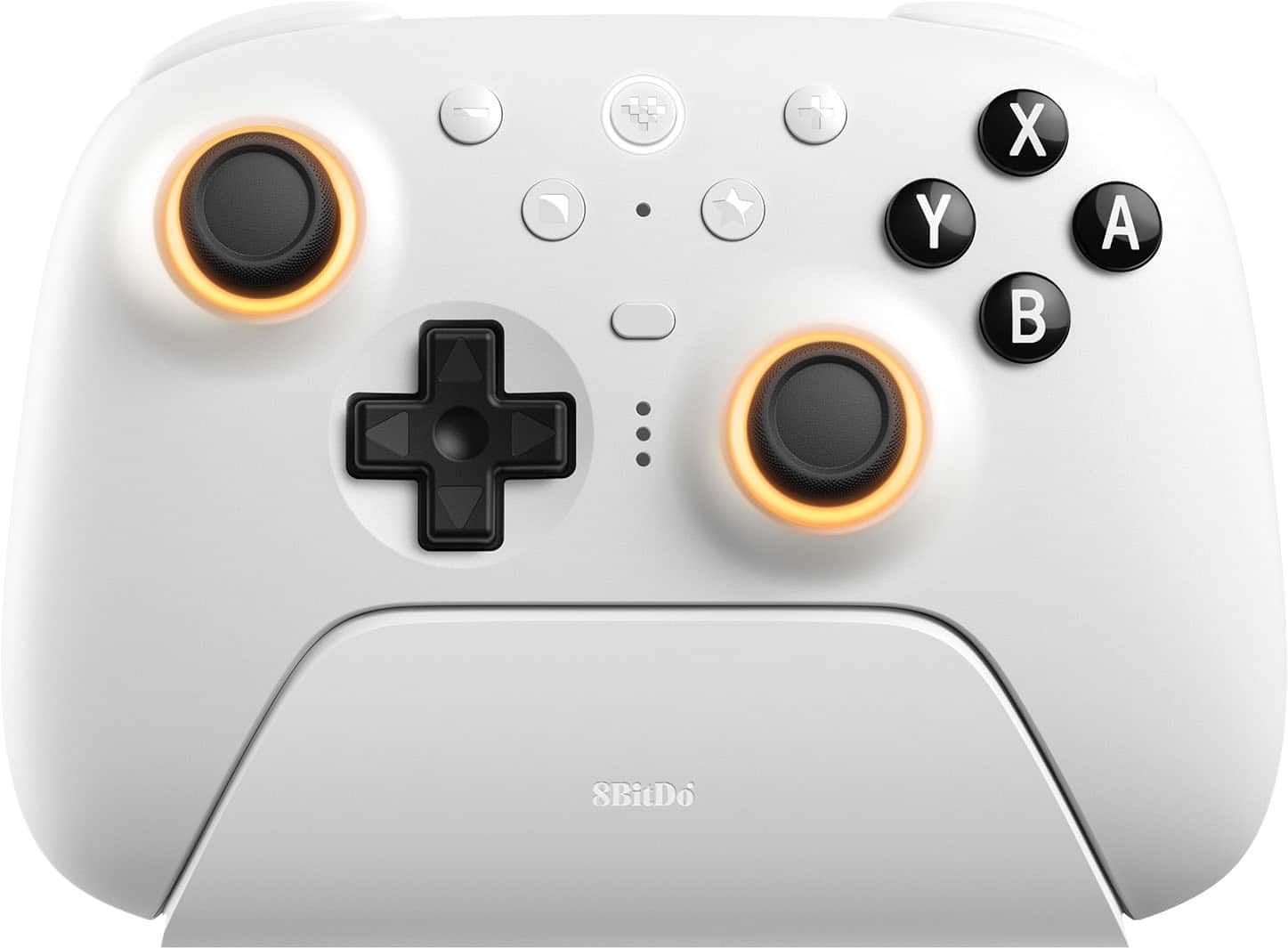
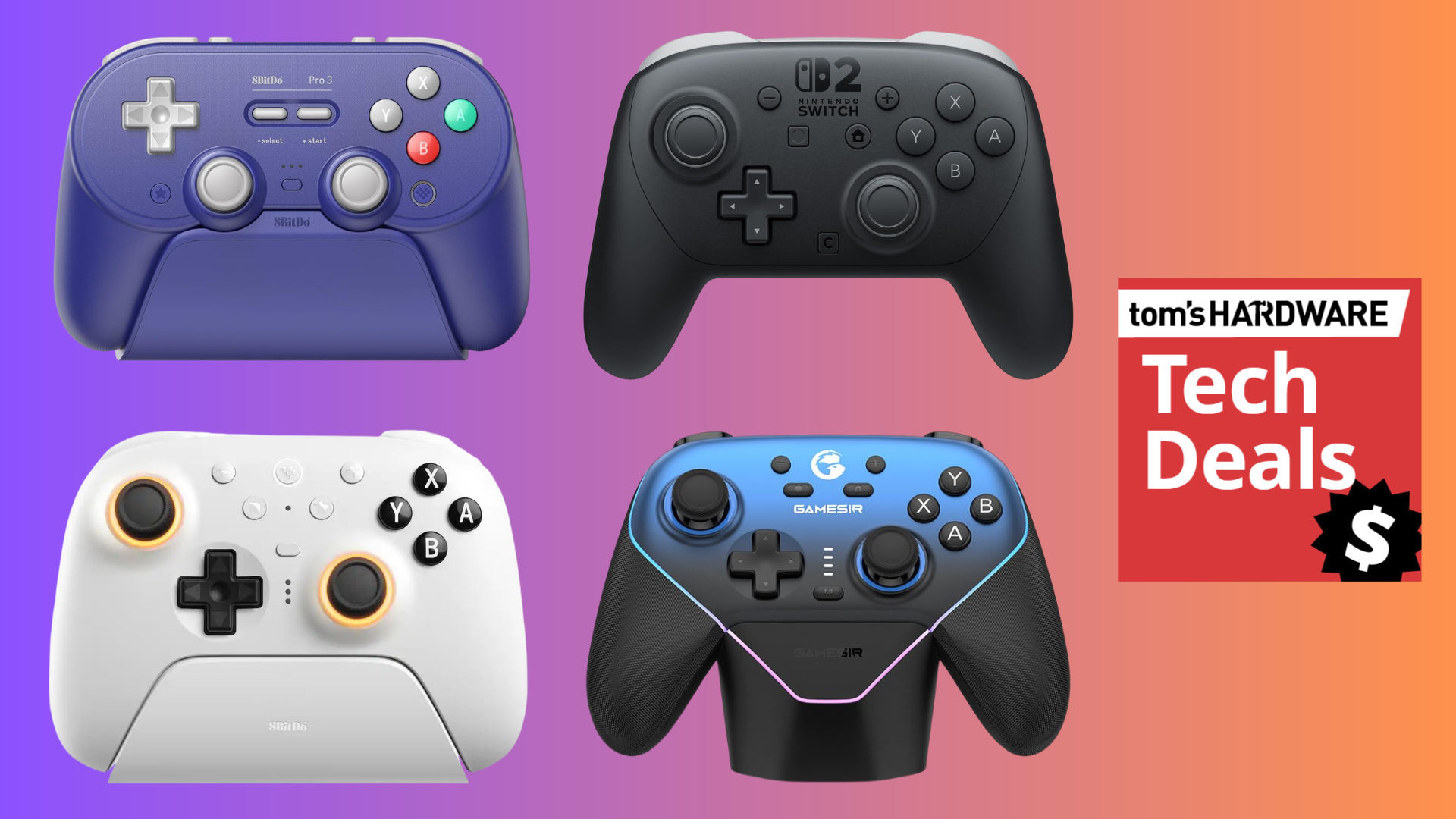
You have a couple of options for wirelessly playing your Nintendo Switch 2 console from the couch. You can either disconnect and use the Joy-Con controllers that are bundled with the Switch 2, or you can opt for a more traditional controller. Here are some of the best options for controllers that can easily hook up to the Switch and have you gaming in no time.
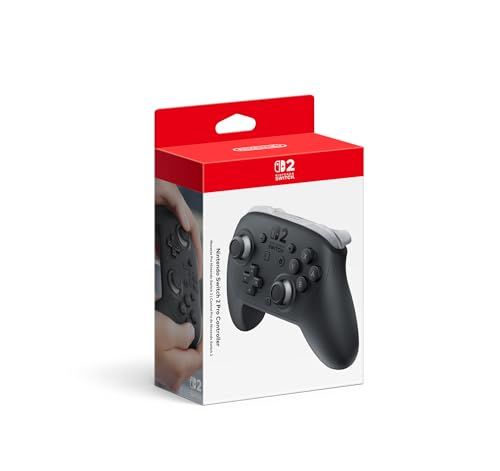
Switch 2 Pro Controller: $89 The official Nintendo controller for the Switch 2. Features include HD Rumble 2, motion controls, built-in Amiibo functionality, a capture button, a C button for GameChat, GL/GR buttons that you can map to any button you choose, and a 3.5mm 4-pole audio jack.
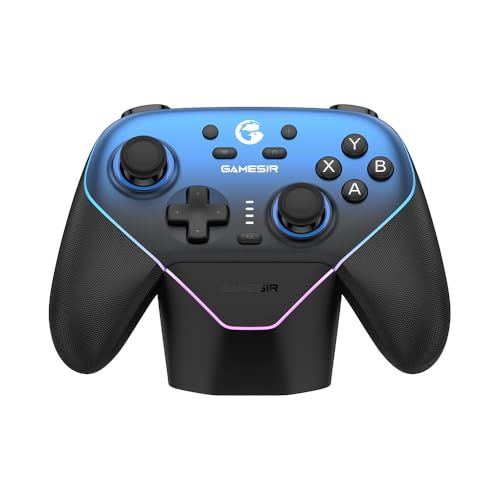
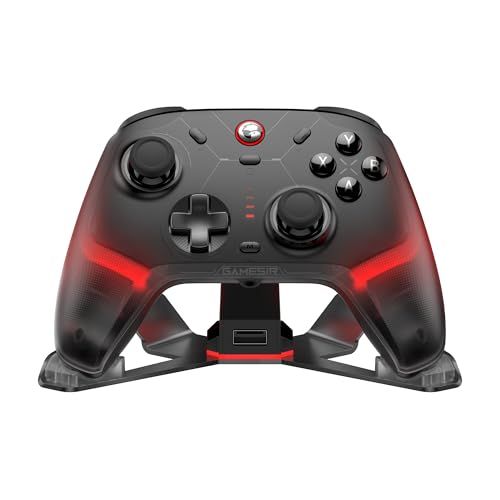
Super Nova Wireless Gaming Controller for Switch 2: $49.99 Compatible with PC, Nintendo Switch 1/2, and Android/iOS, the Super Nova from GameSir is one of the cheapest controllers on our list. It still features a 1000hz polling rate, Hall Effect joysticks and triggers, rubberized grips, and even RGB lighting.View Deal
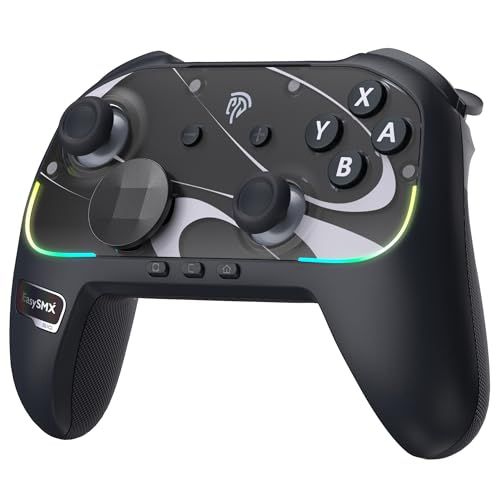
TT Pro Bluetooth Controller for Switch 2: $59.99 This wireless gamepad is compatible with the Switch and PC and uses tension-adjustable TMR joysticks for the ultimate customizable experience. There are even four rear paddles for further customization. View Deal
Pair the controller up to the Nintendo Switch 2 and enjoy hassle-free wireless connectivity during your gaming sessions. All of these controllers will get the job done. It's more a subjective choice of shape, color, and type of joystick tech such as TMR. You can go for the official Nintendo controller, or opt for something a little cheaper in price, but with identical functionality.
Nintendo Switch 2 sales have dropped 41% in the second fiscal quarter compared to the same quarter last year, as reported by CNBC and as predicted by Kantan Games CEO Serkan Toto at the beginning of June, selling only 2.67 million units from July to September. Nintendo is still sticking to its forecast of 16.5 million units sold by the end of the fiscal quarter, but is under pressure from investors to release more big hits to sell more Switch 2 units to hit its goal.
In Japan’s second fiscal quarter running from July 1 to September 30, Nintendo increased the price for the Switch 2 in the US, Canada, and Japan after an initial price hike in Japan earlier this year. Serkan Toto, CEO of Kantan Games Inc., which tracks and analyzes the Japanese game industry, expected that the price increase would lead to a decrease in sales. Despite the prediction coming true, Nintendo is assuring its investors that it would hit its forecast of 16.5 million units sold by March 31, 2027, the end of Japan’s current fiscal year.
Toto also stated, “Nintendo’s only real blockbuster this fiscal year is the Ocarina of Time remake. It’s not enough to make investors happy, especially after the device is now as expensive as it is.” The remake, set to release tomorrow, disappointed many fans, with its visuals being uncanny and overly photorealistic, instead of being true to the original art style with updated audiovisuals. The game also seems to have limited offerings to expand on the original Ocarina of Time, even missing the more difficult Master Quest mode, which many veterans were looking forward to. Overall, the remake may not generate as much excitement as Nintendo expects, with fans viewing it as more of a reskin than a release worthy of the hype. This could potentially dampen the Switch 2 sales Nintendo was hoping the remake would drive, but we will have to see how well it performs after its release.
It also doesn’t help that Macronix, one of Nintendo’s ROM chip manufacturers, recently stopped ROM chip manufacturing to focus its capacity on high-demand NOR and NAND flash chips for AI data centers, even banking on the memory price hikes for short-term gain. Currently, Nintendo is pressured to release more big games to make the Switch 2 more attractive, with new Pokémon games planned for 2027 — Who knows, maybe Nintendo might cave in and finally accept Palworld onto its platform.
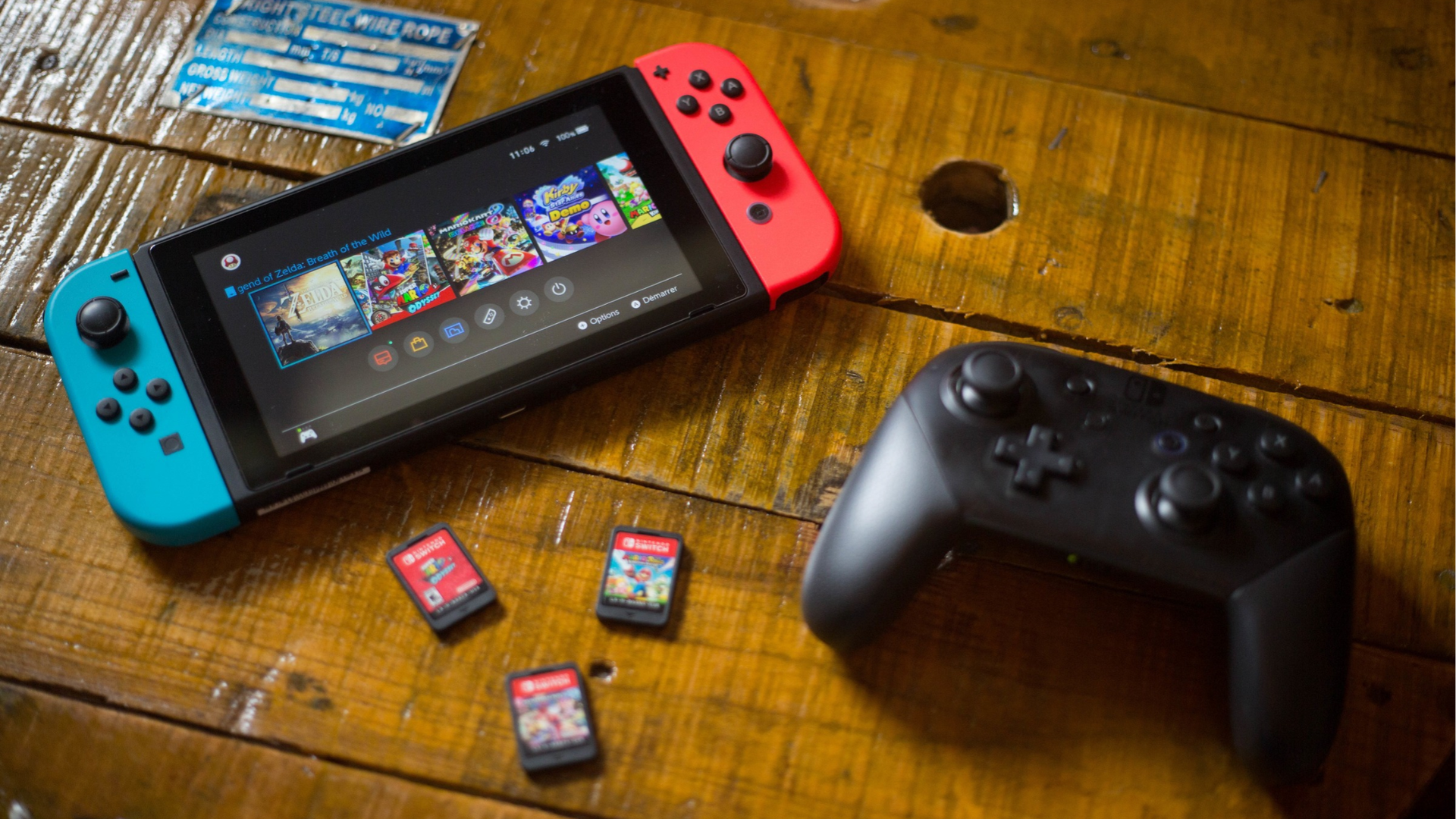
The death of physical games could be getting closer as Macronix, one of Nintendo’s key ROM chip suppliers for Switch and Switch 2 game cartridges, is reportedly shutting down its ROM business to focus on manufacturing NOR and NAND flash chips to supply data centers, multiple reports claim. Storage is already becoming expensive, and Macronix’s move may force Nintendo to increase cartridge prices, produce more Game-Key cards, or lean more towards digital purchases.
"Nintendo's main memory chip maker is quitting the Switch business," MST Financial David Gibson reports on X. "Macronix, which makes the ROM chips in Switch 1 and Switch 2 game memory cards, is phasing out that business. There will be no new ROM products, and Q3 is the last quarter it reports ROM sales separately.
1/4 Nintendo's main memory chip maker is quitting the Switch businessMacronix, which makes the ROM chips in Switch 1 and Switch 2 game memory cards, is phasing out that business. There will be no new ROM products, and Q3 is the last quarter it reports ROM sales separately.November 4, 2026
He notes that Macronix ROM sales in Q3 of this year dropped to 5%, compared to last year’s 26%. Furthermore, Gibson says that the NT$37.8 billion capital expenditure is allocated to NOR and NAND Flash, leaving none for ROM as the company shifts its manufacturing capacity to supply AI needs — Taipei Times corroborated the report, stating, "At the same time, Macronix is gradually phasing out of ROM production, Wu said. It also reports that Macronix’s capital expenditure is split into two phases, the NT$ 22 billion for expanding manufacturing capacity, followed by an additional NT$15.8 billion for NAND flash used in eMMCs and 3D NAND.
Gibson expects that Nintendo’s digital margins will grow through more Game-Key Cards or digital-only sales, but as Macronix isn’t the only source of ROM chips, “physical cards will likely carry on for some time.” Gibson further reports that digital margins have been slowly rising, with numbers fluctuating depending on the quarter due to major physical game launches.
3/4 My view: Macronix isn't Nintendo's only game memory card maker, so physical cards will likely carry on for some time. But at the margin, digital will grow, through more Game-Key Cards (which hold a download key, not the game) and digital-only sales.November 4, 2026
ROHM group companies ROHM Semiconductor and LAPIS Semiconductor still supply ROM chips to Nintendo, so it’s unlikely that Nintendo will eventually go digital-only in the near future like Sony and Microsoft’s recent plans. With one less supplier, however, Nintendo may be forced to increase prices on physical games.
The biggest loser in all of this (besides the gamers), however, may be fabless chip design company MegaChips. Nintendo doesn’t buy ROM chips from Macronix directly; MegaChips designs the ROM chips according to Nintendo’s needs and, having no manufacturing capacity, outsources it to Macronix. MegaChips’ 2022 company report states that Nintendo accounted for 87.8% of its sales, while Macronix accounted for 67.8% of its outsourced manufacturing purchases. The report even states that if Macronix could manufacture ROM chips, “MegaChips’ operating results may be impacted.” The 2022 document further says that there was no sign that the risk would become apparent; however, the risk just became very real, and we’re not aware of MegaChips’ contingency plan to deal with this situation. However, Macronix and MegaChips have likely talked amongst themselves about Macronix’s plans to stop ROM chip manufacturing, and have given MegaChips some time to find another manufacturer before Macronix shuts down the ROM chip business.
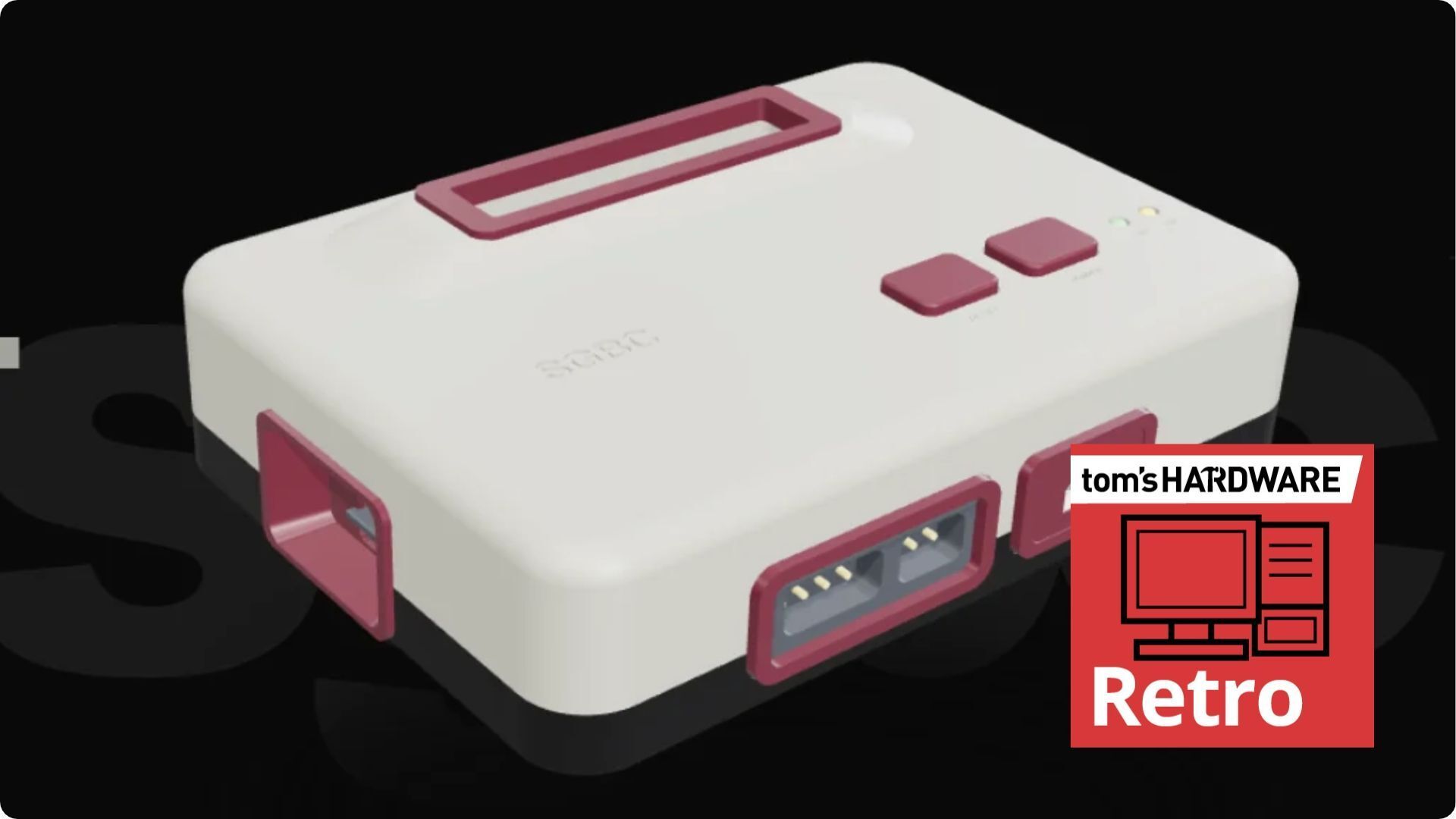
Joining the retro console revival movement is the SGBC, a new console that can play Nintendo Game Boy cartridges natively using an FPGA core. Built by Thomas Sanfourche, a French electronics engineer studying in Taiwan, the SGBC aims to give players a way to preserve and play their games with the full Game Boy experience, including a link port for multiplayer and trading.
The SGBC uses a Field-Programmable Gate Array (FPGA), a reprogrammable chip that can be configured to replicate the hardware logic of another chip, in this case, the Game Boy’s hardware. It can replicate not just the CPU, but multiple other components of a Game Boy as well, but Sanfourche has yet to specify which of the original Game Boy’s ICs have been consolidated into the FPGA.
The SGBC doesn’t just replicate the Game Boy as a console; it has plenty of features that retro gamers would appreciate — the most interesting among them being the built-in cartridge ripping function. If you insert your favorite Game Boy cartridge into the SGBC’s slot, you can preserve it by copying the ROM onto the microSD card in the console, digitizing your collection. It also outputs in 1080p 16:9 without stretching, and uses integer scaling to keep the game's pixels aligned with the pixels on your monitor or TV through HDMI. The SGBC also features an SNES controller port and a Game Boy Link port for multiplayer and trading.
Thomas Sanfourche almost ditched the SGBC entirely; in an interview with French retro gaming YouTuber GyuGyu, he said he went to Taiwan to study electronics engineering after discovering his strong interest in electronics. He didn’t know the local language and couldn’t enrol without certification, so he gave himself two years but ended up getting the language certification in six months. In his second year, he chose to enrol in the FPGA course after being intrigued by the name, and eventually chose it as the subject of his final-year project — a Game Boy FPGA core.
Sanfourche said his project was dismissed when he presented it to his professors: “What’s the point of doing this on an FPGA?” he was asked. This discouraged him and stopped him from working on it — until one day he went to a warehouse to buy a PVM monitor and struck up a conversation with a fellow customer who was a retro product seller and very active in the local retro scene. The discussion eventually led to his FPGA core Game Boy project, to which the seller asked, “Why don’t you market it?” The supportive stranger then offered, on the spot, to finance the equipment needed to market it or at least bring the project to life. The financier told Sanfourche he doesn’t want to be a part of the business, but that he wants to resell the product when he releases it, further supporting the project by sharing updates and teasers to local retro enthusiast Facebook groups.
The SGBC is yet to be released, but the project joins other FPGA consoles by the likes of retro gaming modding YouTuber Taki Udon’s SuperStation One, ModRetro’s M64, and Analogue’s SuperNT+ and MegaSG+. Not only are projects like these reviving the platforms, but they are also giving them modern features and comforts, bringing the question “What if these consoles were built today?” to reality.
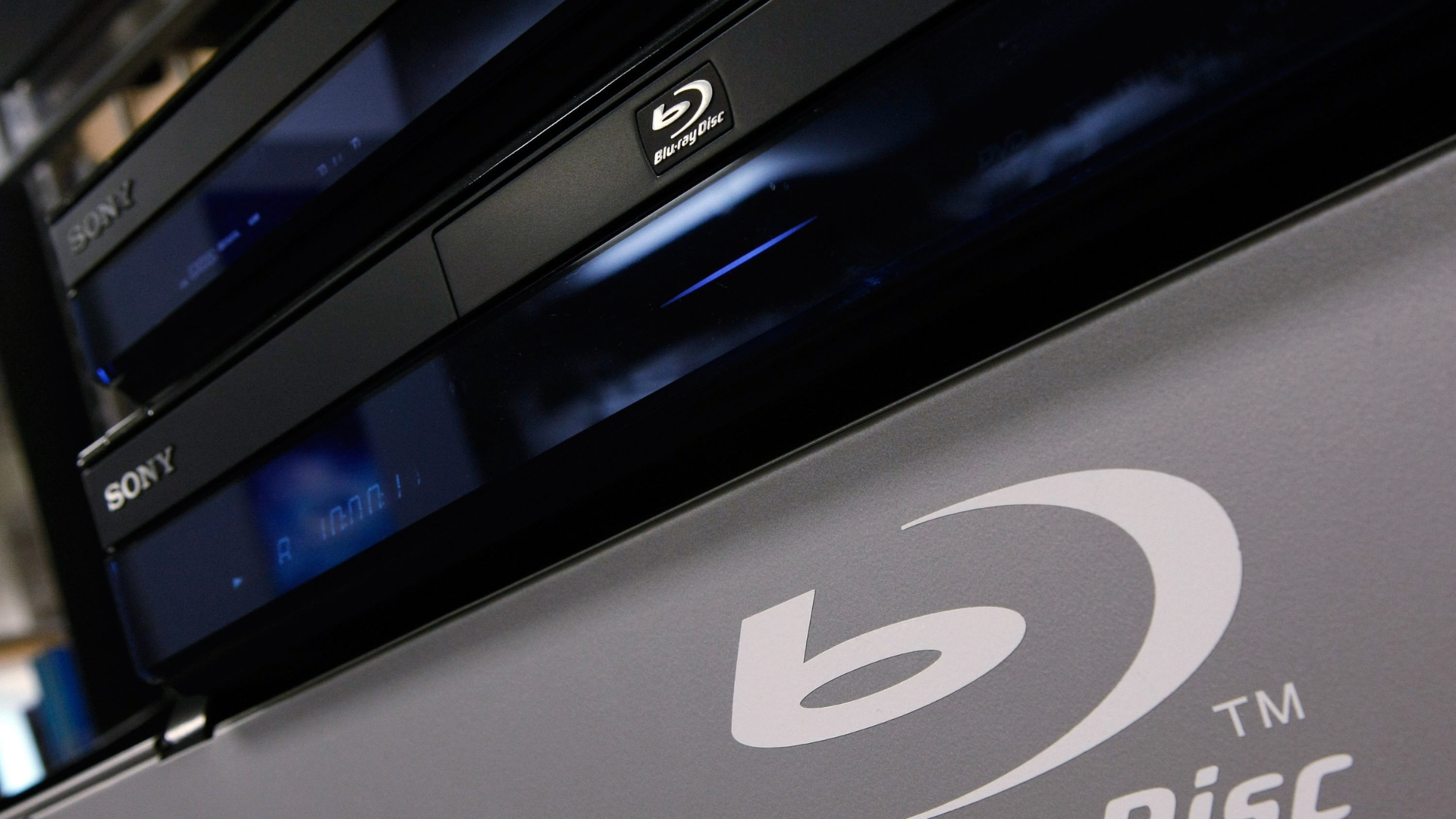
Sony may be preparing to abandon the standalone 4K Blu-ray players, and the signs are becoming harder to ignore. According to a report by Forbes, its last remaining model in Japan, the UBP-X700K, was marked as unavailable on October 22, with local retailers reportedly told not to expect another shipment— a development that has raised questions about the future of Sony’s dedicated followers. Sony's U.S. website has also listed the player as ‘out of stock’.
So, is Sony really done making 4K Blu-ray players? That isn't clear. The company is yet to announce a worldwide withdrawal, and its responses to questions about the reports leave that possibility open. When asked by Forbes whether Sony is leaving the market, its UK operation replied: “This information has not been publicly announced by Sony. We are aware of the recent media reports, but prefer to refrain from commenting on speculation.”
There is an important difference between what is happening in Japan and what buyers can still find elsewhere. The UBP-X700K remains listed on Sony’s U.S. website, with Best Buy offering it for $329.99 at press time, which means Sony 4K buyers haven’t missed their chance yet. However, Amazon is no longer selling the player directly as a new product. Finding one could be harder if the company decides not to restock.
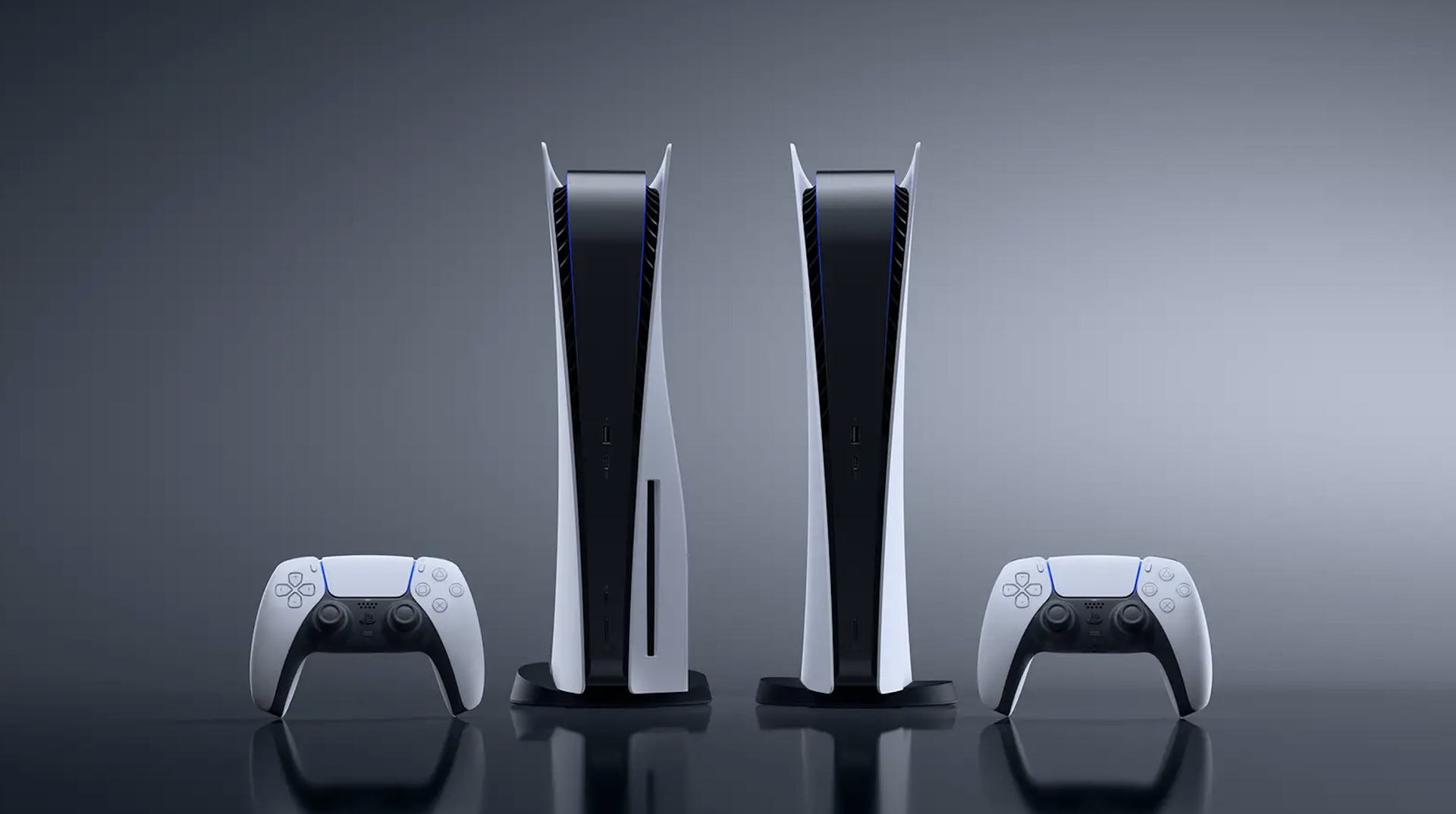
This is not the first time Sony has stepped away from physical media. In January 2025, the company stopped producing blank recordable Blu-ray discs, later announcing in February that it would also end its production in Japan. In July 2026, Sony announced it would stop producing physical PlayStation game discs from 2028— although it remains unclear if the next PlayStation console will have a disc drive. Notably, the PS5 Pro launched without a built-in disc drive, but customers who want to play physical games can purchase the optional drive separately.
However, if Sony ultimately leaves the market, buyers will still have alternatives. Panasonic remains the biggest name in dedicated 4K Blu-ray players, although its products are not that cheap. Currently, the Panasonic UB154 lists on Amazon for $289.99, while the UB820 goes for $649.99, a steep climb from its original $499 launch price. The higher-end UN9000 is retailing at $1,299.99 on Walmart. Buyers could also consider gaming consoles such as a disc-equipped PS5, which is listed at $649.99, or the Xbox Series X, priced at $799.99. Both can play 4K Blu-ray movies, but neither supports Dolby Vision when playing discs.
Sony’s move, if true, would add it to a growing list of manufacturers that have dropped the Blu-ray hardware. In 2018, Oppo stopped producing players while Samsung ended plans for new U.S. Blu-ray players a year later. Other companies include LG, which dropped the business in 2024, with French company Reavon halting production in 2025.
But it's important to note that 4K Blu-ray demand has not collapsed in the same way as the wider physical disc market. Figures laid out by the Digital Entertainment Group show that overall U.S. disc sales declined by roughly 9% in 2025. Spending on 4K discs, however, climbed by 12% over the same period, before climbing another 18% in the second quarter of 2026. That said, for existing Sony owners, there is no reason to panic just yet. A player that works today will continue playing the discs already in a collector’s library — and there is no evidence that Sony plans to push an update that would stop existing players from reading movies.
The popular DRM-free game storefront GOG’s business development and partnerships manager, Marcin Paczynski, said in an interview with GamesRadar+ that he wants to bring back physical media to PC gaming. GOG still has to deal with logistics and additional publisher permissions to store and sell physical games, but Paczynski hopes to give gamers more consumer freedom through actual real-world tangible physical media.
The PC was effectively the first platform to ditch physical games, but since Sony and Microsoft’s recent unpopular plans to stop producing physical games on their consoles, GOG wants to bring the box-fresh experience back to PC gaming and further advocate for game ownership and preservation — on top of the existing GOG Preservation Program's efforts to make old games playable on modern hardware.
In GamesRadar+’s interview with Marcin Paczynski, the exec said, “Ideally, my dream would be to be able to buy physical versions of those games on GOG. You go to your shelf on GOG, you click on the game that you would like to receive a physical copy of, you order it, and it gets to you. That would be a perfect scenario.”
Paczynski realizes how complicated this new business is, as it’s something GOG has never done before. It’s never had to keep physical inventory of games or worry about shipping and other logistical problems. Paczynski also says GOG would need “additional approvals” from publishers to sell physical copies of games. Physical copies could also add to this improved experience, especially if they give the gamers more agency over their own games, even potentially reviving the used market where players can swap or buy and sell games among each other.
Paczynski hasn’t provided details on what physical media the games will be delivered in, but optical disc drives are rare on PCs now, so it’s unlikely the games will come on CDs, DVDs, or Blu-rays. It could be delivered in media still currently accessible by most PCs, such as USB drives, or even SD cards packaged like Nintendo Switch cartridges. These could also be an avenue for publishers to provide exclusive physical bonuses like stickers, maps, secrets, lore, and much more. There’s nothing like the tactile experience of opening up a fresh game with that distinct new-game scent and being excited for the extra stuff the games come with to collect and display.
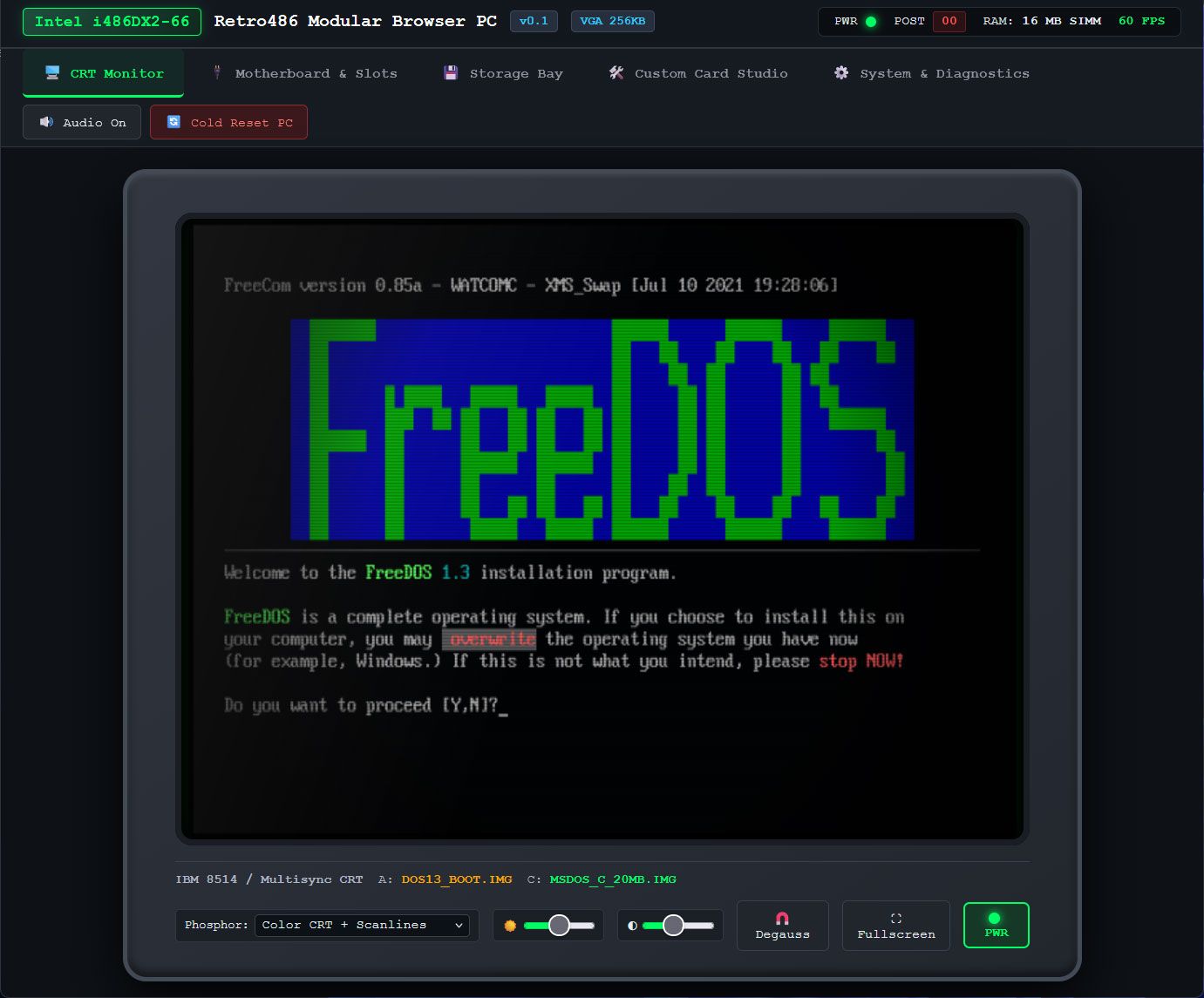
Developer Jan de Jager has created a full Intel 486 PC system in a browser. On the e486-web GitHub page, de Jager boasts that the emulator is coded in 100% pure JavaScript. The project’s fuller title is the Retro486 Modular Browser PC. Claude gets a development credit, so we guess you could say e486-web was (partially) vibe-coded.
The live demo you can boot with a single click is impressive, with tabs to interact with and configure your browser-based, dependency-free Intel 80486DX2-66 PC in a browser. The first tab is dubbed the CRT monitor, and this is where you will spend the most time using the command line, apps, and games. However, it is also very appealing to be able to adjust your PC configuration in the tabs for Motherboard & Slots, Storage Bay, Custom Card Studio, and System & Diagnostics.
I couldn’t resist taking the e486-web for a spin using the live demo. The CRT monitor screen is totally charming, with various display options including color and scanlines, and tributes to classic CRTs with green phosphor, amber, or paperwhite displays. This is the screen where you will also type DOS commands and interact with whatever you get to run.
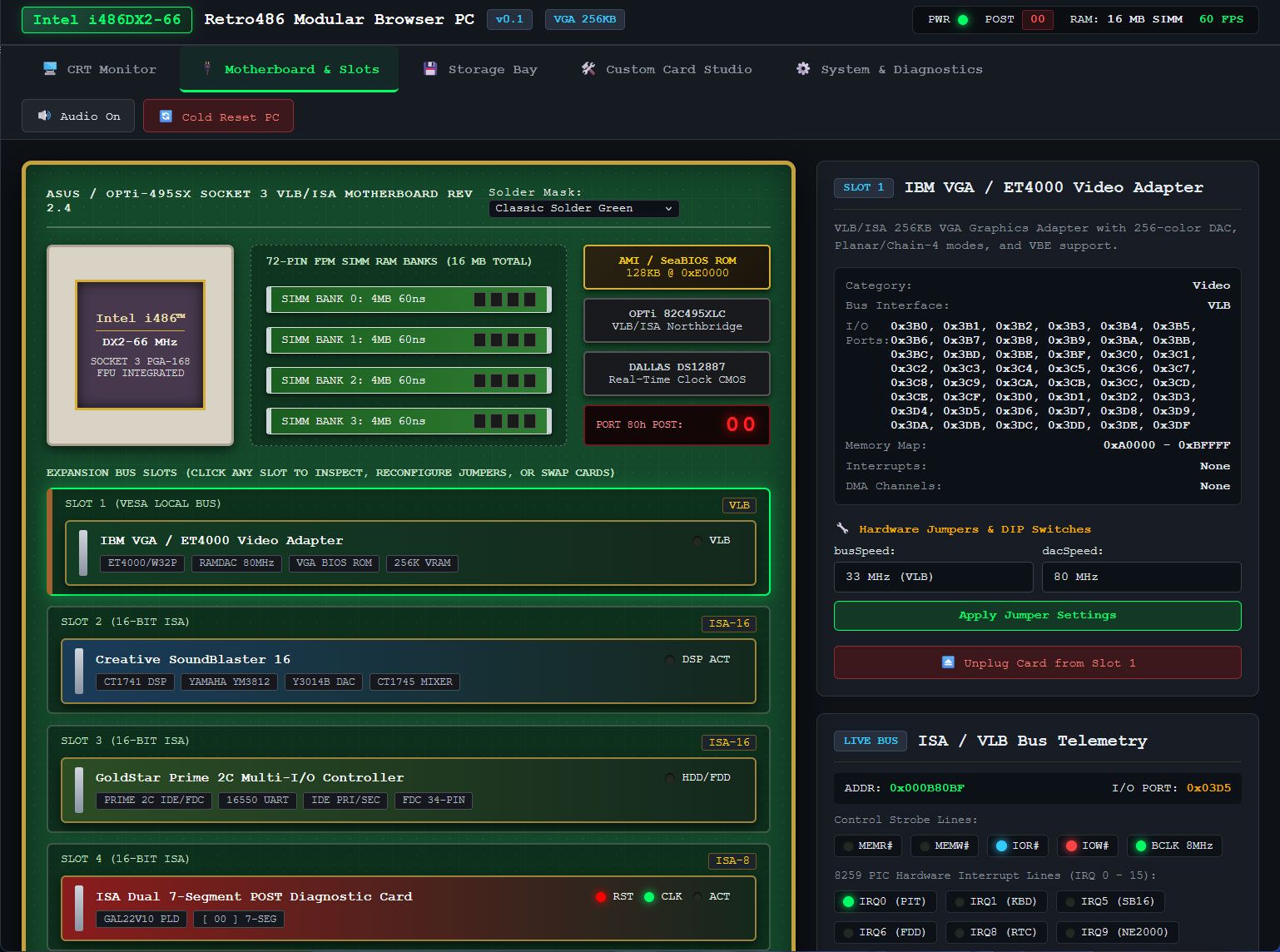
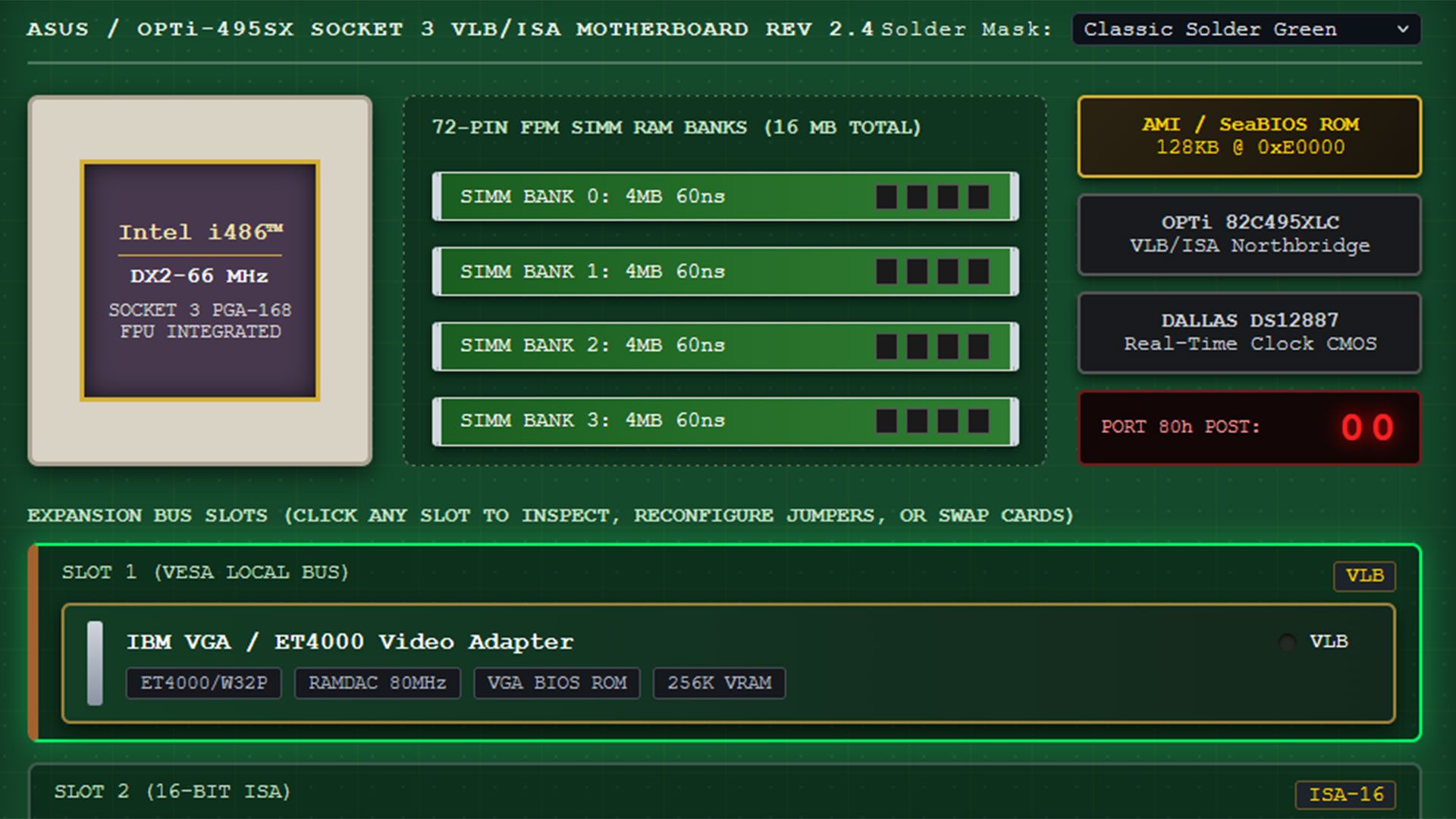
The next tab in this comprehensive 486 PC system emulator lets you pick a motherboard design and, probably more importantly, add and remove expansion cards. The default system comes with a VLB graphics card, Sound Blaster 16 ISA card, a multi-I/O controller, network card, and more. All the cards seem to be configurable. A Custom Card Studio tab lets you create and test more cards, and it looks quite advanced.
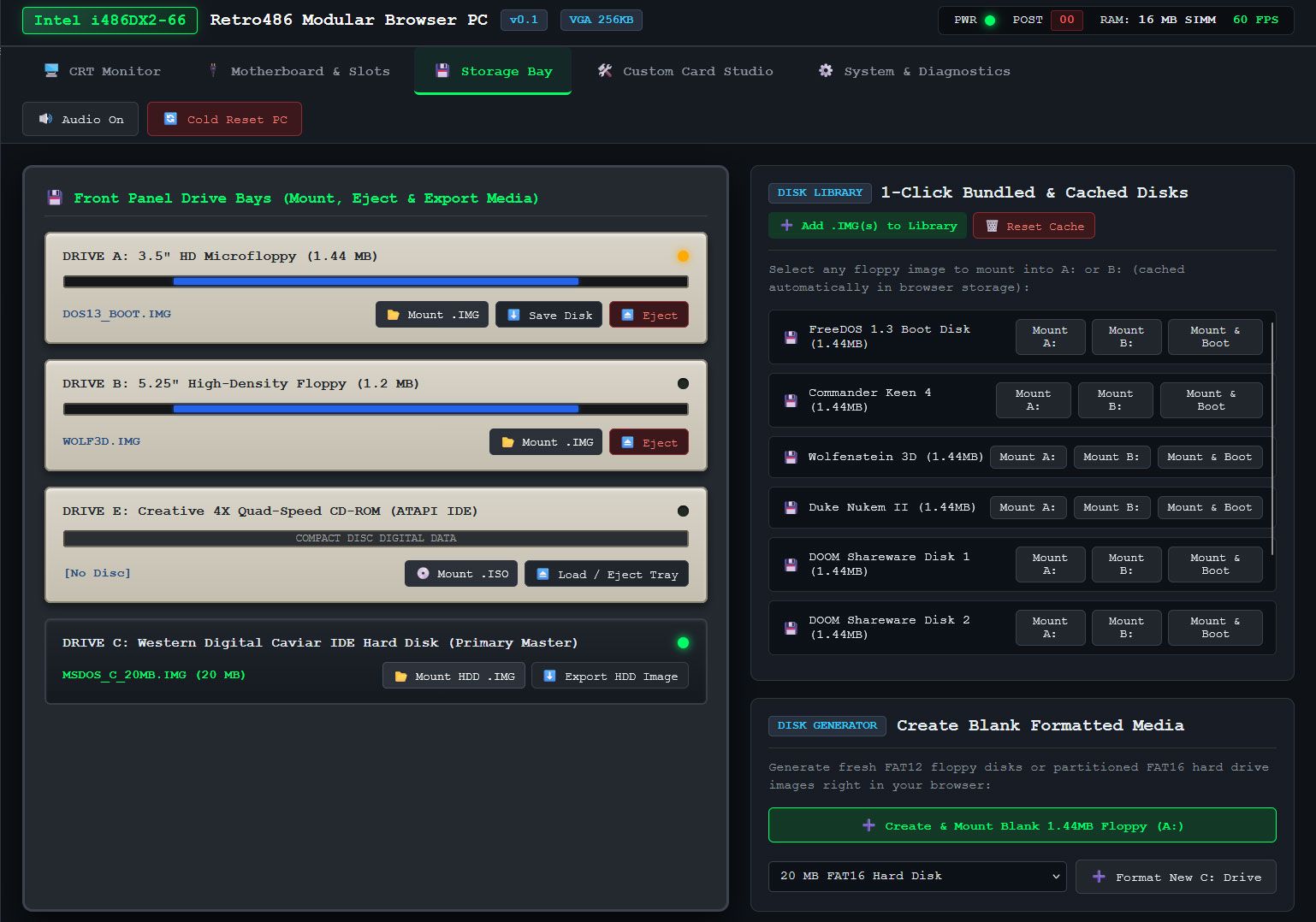
I spent quite a lot of time in the Storage Bay tab, switching through the OS and software disks inside the “1-Click bundled & Cached Disks” collection. FreeDOS started fine, but I got some errors when I wanted to test some of the games in the library, which includes Doom, Wolfenstein 3D, and more. Though tempted to find and install Syndicateon the hard disk that the emulator can create and configure, I didn't get around to it yet. However, the Bullfrog classic is one of the first games I played on an actual 486DX2 system in the 1990s, and I also played it on Amiga. This browser-based emulator features browser persistence, so e486-web settings can be maintained between sessions, and it automatically caches ROMs, floppy images, and custom uploaded .img/.iso files for your convenience.
Jan de JagerJan de Jager
Another tab in this extensive system emulator is called System & Diagnostics. Here you can switch the CPU to a different model, view the CPU registers, and nose around in RAM, VRAM, storage, BIOS, boot sectors, and so on.
Currently e486-web is in version 0.1, and the GitHub shows that most files were uploaded/updated about a week ago. Some files are just two days old, though, so hopefully wrinkles are busily being ironed out by de Jager and Claude. The presentation of this no-downloads live emulator, and the conveniently tabbed interface and configuration options, show lots of promise.
Woot! is Amazon's discount sister site, so you've got the full backing of the huge global retailer behind this deal. $459 is an awesome price for a Switch 2 and a free game, and the good news is, you get to choose the game. Options for you to choose include Mario Kart World, Donkey Kong Bananza, or Pokémon Pokopia, which you'll need to download straight onto your Switch 2's storage.
This is a limited-time deal, with only four days left to run at the $519 sale price, but the coupon code is expected to run out tomorrow, November 1, at 11:59 pm ET, but don't expect it to be around even that long. This is a popular console, and as we approach the holiday season, this is the time that consoles like these become tricky to buy. With The Legend of Zelda: Ocarina of Time launching in just a few days, expect to see a huge spike in demand for this console, too.
use coupon code savetober for either $40 or $60 off
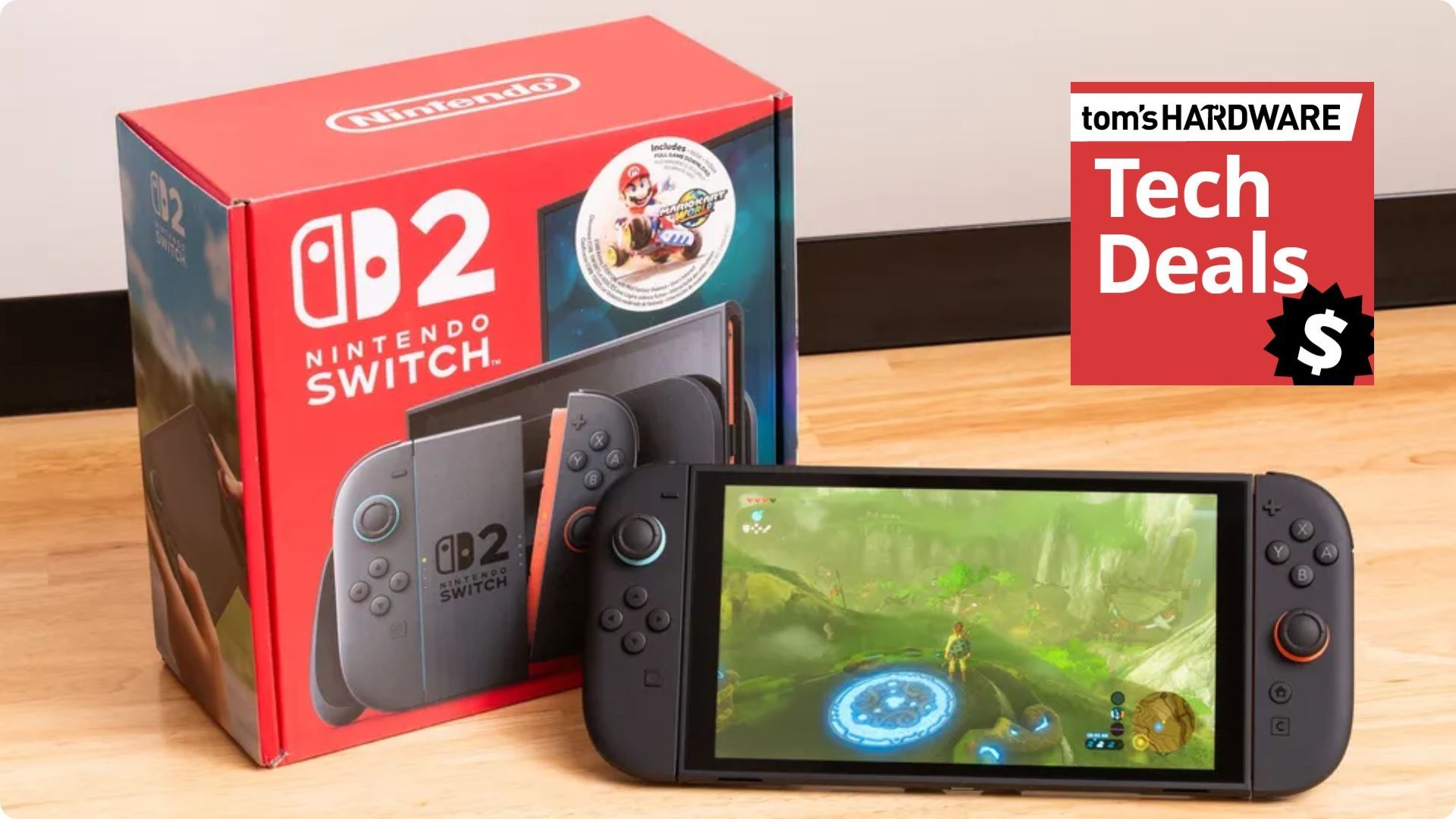
Switch 2 - Choose Your Game Bundle: was $519 now $459 The Nintendo Switch 2 is at a great price right now. Use the coupon code SAVETOBER to score it for $459 if you're a new Woot! customer, or $479 if you've used the site before. The package comes with the console, dock and joycons, along with a free digital game code, where you can choose between Mario Kart World, Donkey Kong Bananza, or Pokémon Pokopia.View Deal
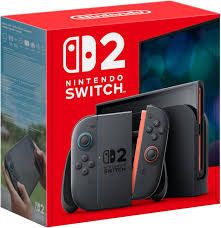
The Nintendo Switch 2 is Nintendo's second generation of its popular Switch console. It has a 7.9-inch 1080p touchscreen, designed for you to hold in your hands. That said, if you prefer the big-screen treatment, it also has a dock that'll let you play games on a TV for 4K gameplay at up to 120 fps. You're also getting Joy-Con 2 controllers, which you can use attached or detached, depending on if the console is docked or not.
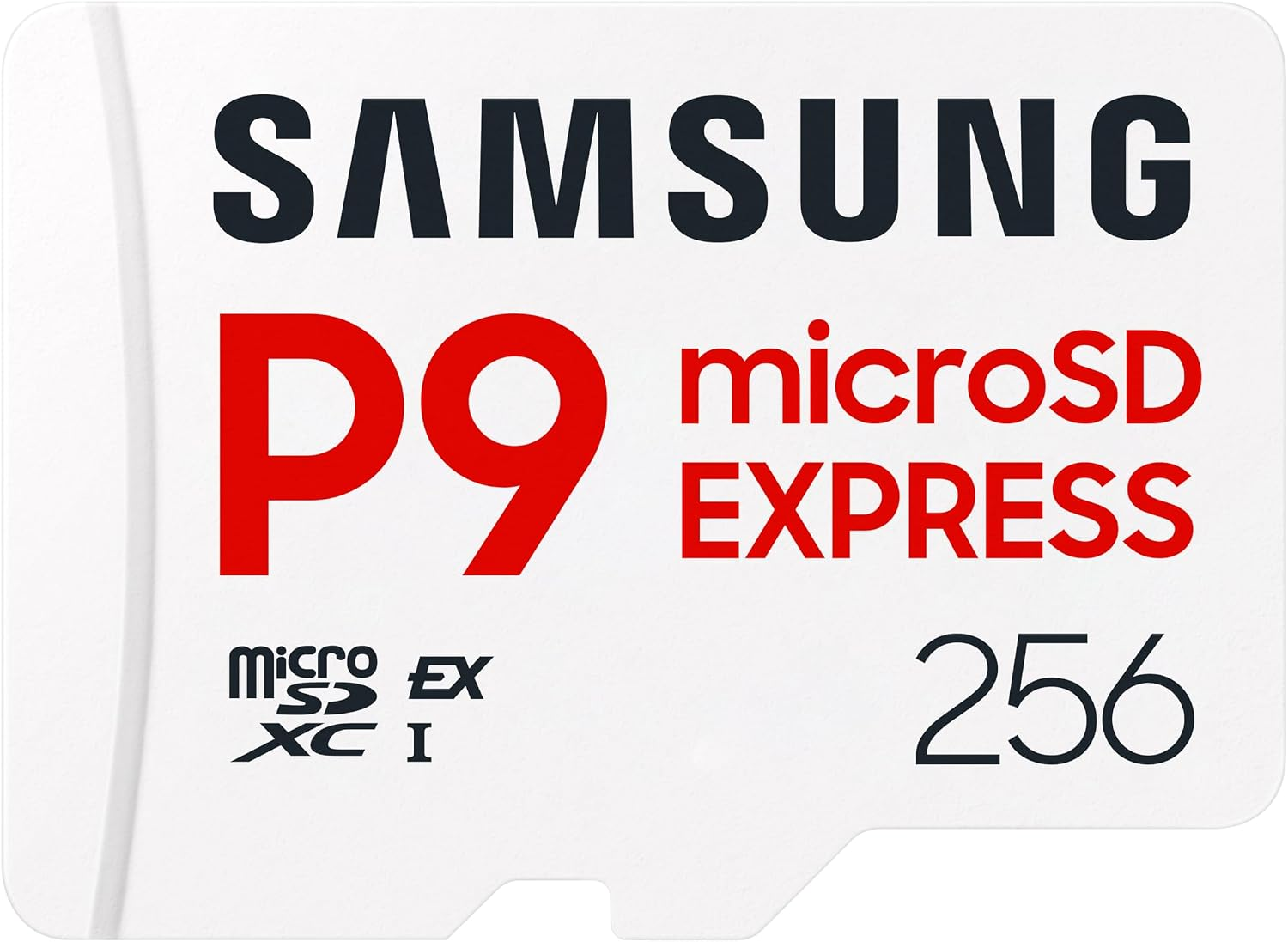
There's 256GB of internal storage included here for games, but the Switch 2 does have support for microSD Express cards to boost this further. If you're planning to install a big game collection, a card upgrade might be a good option. Right now, for instance, you can pick up this 512GB Samsung P9 Express microSD card for $99 at Amazon, another limited-time deal that saves you 34% on its usual price.
As we've mentioned, you also get a free digital game with this Switch 2 deal. Buying Mario Kart World, Donkey Kong Bananza, or Pokémon Pokopia separately would cost you between $69.99 and $79.99 at their usual prices, so with these discounts, you're getting a great deal.
The $459 sale price for this Woot! Nintendo Switch 2 bundle is a great option ahead of the holiday season. Don't expect to be able to wait for a better discount in a few weeks, as this is a popular console, and with a huge release like Ocarina of Time on the way, demand might outstrip supply. Just remember to use coupon code SAVETOBER before 11.59 am ET on November 1 at checkout to get the full $60 discount if you're a new customer, or $40 if you've used Woot! before.
Over the past weeks and months, it's increasingly commonplace to encounter native PC ports of previously console-exclusive video games, developed with the help of frontier AI models and a new tool named Reverse Engineer Anything (REA). With dozens of titles ported to PC over the past few months, the big questions are: why is this now possible, and what changed?
The better-known conversions like Super Mario Galaxy and Modern Warfare 2 use AI agents, but their handlers mostly still had to interpret results and direct each step of the process. That's now much easier with Reverse Engineer Anything. Although it shows up in many conversations, REA doesn't do the heavy lifting by itself. It's actually a mix between a toolkit and agent harness, wiring together previously disparate tools under one ceiling.
REA analyzes and manages collected information tools: binary analyzers, decompilers, metadata tools, firmware images, database readers, and so on end up linked via agents. Those tools are made available to your AI agent of choice, along with skill files with additional instructions.
Simplistic as it may sound, it's the glue that once again significantly cuts down the time spent on "chores" that a developer would otherwise have to do while reverse-engineering code, which started with emulating consoles themselves.
Emulation of video game consoles on PC is nothing new, having emerged in the 90s in the 2D era, and gradually transitioning to 3D consoles such as the PlayStation 1, and Nintendo 64. Throughout the early 2020s, emulators and toolkits evolved at a rapid pace, covering more systems than ever — even the PlayStation 3 and its notorious Cell processor. Physical hardware is taken apart and inspected more easily and at deeper levels than ever, as tools like the Raspberry Pi become cheaper and more powerful. These elements set the stage for the ultimate task: to fully decompile and recompile a game and convert it to run on native PC instructions, rather than relying on software emulation. Only one barrier remained: dedicated development time.
To reverse-engineer a game, you need dozens of different tools, analyze the game's executable, run it, inspect which files it reads, which calls it makes to the operating system, what memory it allocates, and so on and so forth. This is exceedingly tedious, and yet can't be done half-heartedly: one errant byte is a bug. It's like undoing a machine with a million cogs and keeping track exactly where each one was, its size, and orientation. Modern games grew, too, and can have millions of lines of code.
But that kind of nitpicky, repetitive work is just what computers excel at — even non-deterministic ones like LLMs. 2026's AI models like GPT-6 Astra and Claude 5.5 families are "smarter" in the sense that they follow complicated instructions more closely and can better keep track of their tasks, granting them a higher degree of autonomy. The high token efficiency of lower-grade variants like Claude Sonnet also makes them somewhat affordable, if not cheap, to use on a humongous project like taking apart an entire game.
Given how AI bots can hallucinate and make up strange replies and code, you may wonder how a project of this scale ever gets accomplished. It's simple: your agent hands you decompiled source code, and it compiles it again to see if it matches the original byte-for-byte. Even if they hallucinate, the bots can try over and over until they get it right, and developers can correct them if needed.
Reverse-engineering needs multiple tools, all with their own technical terms and idiosyncrasies. Whereas before developers had to wrangle them across terminal windows, now you can get your agent to twiddle bits and talk between programs on your behalf, so long as you issue the right orders. They don't have to stop for breaks, either.
With relatively simple prompts, you can poke around and break down a game or application — provided you have one of the pricier agent subscriptions, or can absorb high token bills, as for example the Modern Warfare 2 decomp took three months and up to 700 billion tokens to accomplish. Had its developer used REA, he may have cut down on time and tokens both.
A hacker used an AI LLM to find a hypervisor bug that allowed security researchers to load Linux on PlayStation 5 consoles, subsequently reported it to Sony, and received a $50,000 bug bounty. IGN reports that the person who discovered the flaw, who goes by Jordy on X, shared the award on the social media platform, drawing significant ire. The biggest driver of the criticism, though, is that Jordy agreed to delay the report until after the launch of GTA VI, but moved forward anyway after someone else discovered the flaw, meaning it would be patched prior to the launch of the game, and possibly denying someone else the payday.
I can at least buy GTA 6 with this I think https://t.co/1iLwrZTbdyOctober 14, 2026
“I can at least buy GTA 6 with this, I think,” Jordy said on their X account. One user called Gille replied to their post, saying, “50k in bank but 0 friends left. Worth it?” Another one named Darth Riker commented, “You did not ‘find this bug yourself’. The flow0 (Andy Nguyen) did that. You, however, didn’t. You’re just a lazy s****** who’s no different to those scammers out there,” while Matthew Cramer added, “The worst thing is not the money grab, it’s the fact that the whole point of exploiting PS5 is freedom, ownership, and control. Sony goes against everything we stand for! If Jordy was in need of money, there are hundreds of bug bounty programs with high paydays… or a better job!”
The ps5-linux-loader GitHub project requires a PS5 Phat, Slim, or Pro running firmware version 3.00 to 13.60 to work as intended. While it’s unclear if Sony had been aware of the flaw that allowed the Linux install on the console before Jordy’s report, it released firmware version 14.20 on Oct. 21, 2026, which patched the flaw. Because the latest games often require the latest firmware on the console before you can install them, the latest update means that users who are experimenting with running Linux on their PlayStation 5 would either have to pick between that and playing GTA VI on launch date.
I asked them to at least wait for GTA 6 to come out so that people would have the opportunity to legally purchase the game and also enjoy linux. They agreed to wait, but not a day passed and they decided to waste it instead.September 15, 2026
“I am stepping away from the PS5 scene and stopping all my work on PS5 Linux. After pouring my heart and months of my life into it, including plans to finish PS5 Pro support and release in 2027, it’s all down the sink,” Nguyen posted on X. He also added, “The scene used to be a group of highly talented researchers, but now it is just a bunch of noobs using LLMs and writing hacks they don’t even understand. Slop kiddies found the only hypervisor bug left, which I had also found a while ago, and decided to report to Sony.”
Jordy told the publication that they agreed with Nguyen to delay the bug report, with the latter asking to only do so after GTA 6 has come out. However, the former admitted to doing it anyway as other researchers using generative AI also found the bug, with Jordy risking losing the $50,000 bounty if somebody else reports the exploit. “I decided I would report it,” Jordy told IGN. “If I and another person can find it with LLM, so can someone else.”
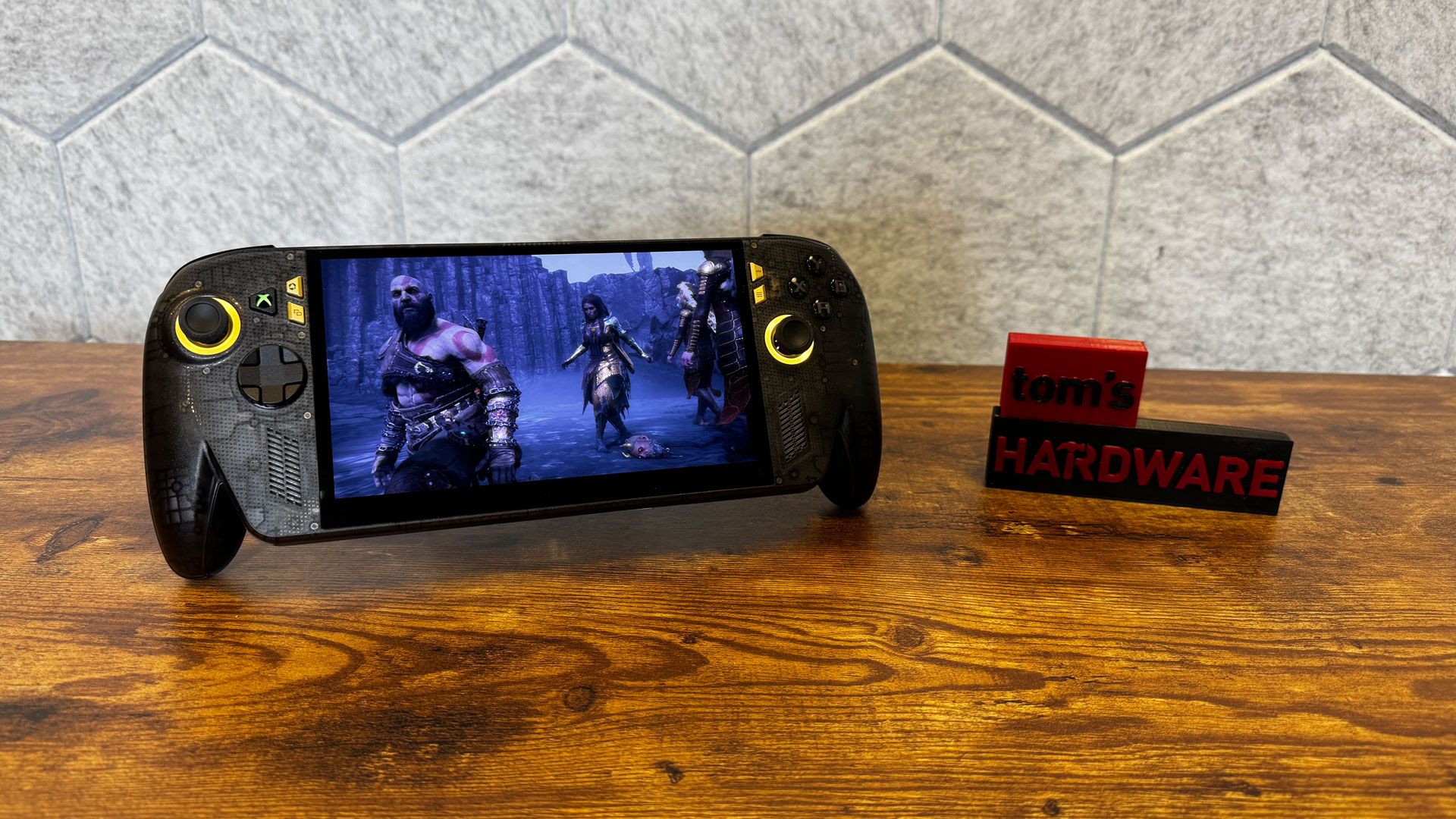
For Asus ROG's 20th birthday, the company released a slew of computer parts (enough for a supremely expensive build). But it's not overlooking its more recent entry into gaming handhelds, with the new Asus ROG Xbox Ally X20, a revamped version of the Asus ROG Xbox Ally X, which is already one of the best handheld gaming PCs.
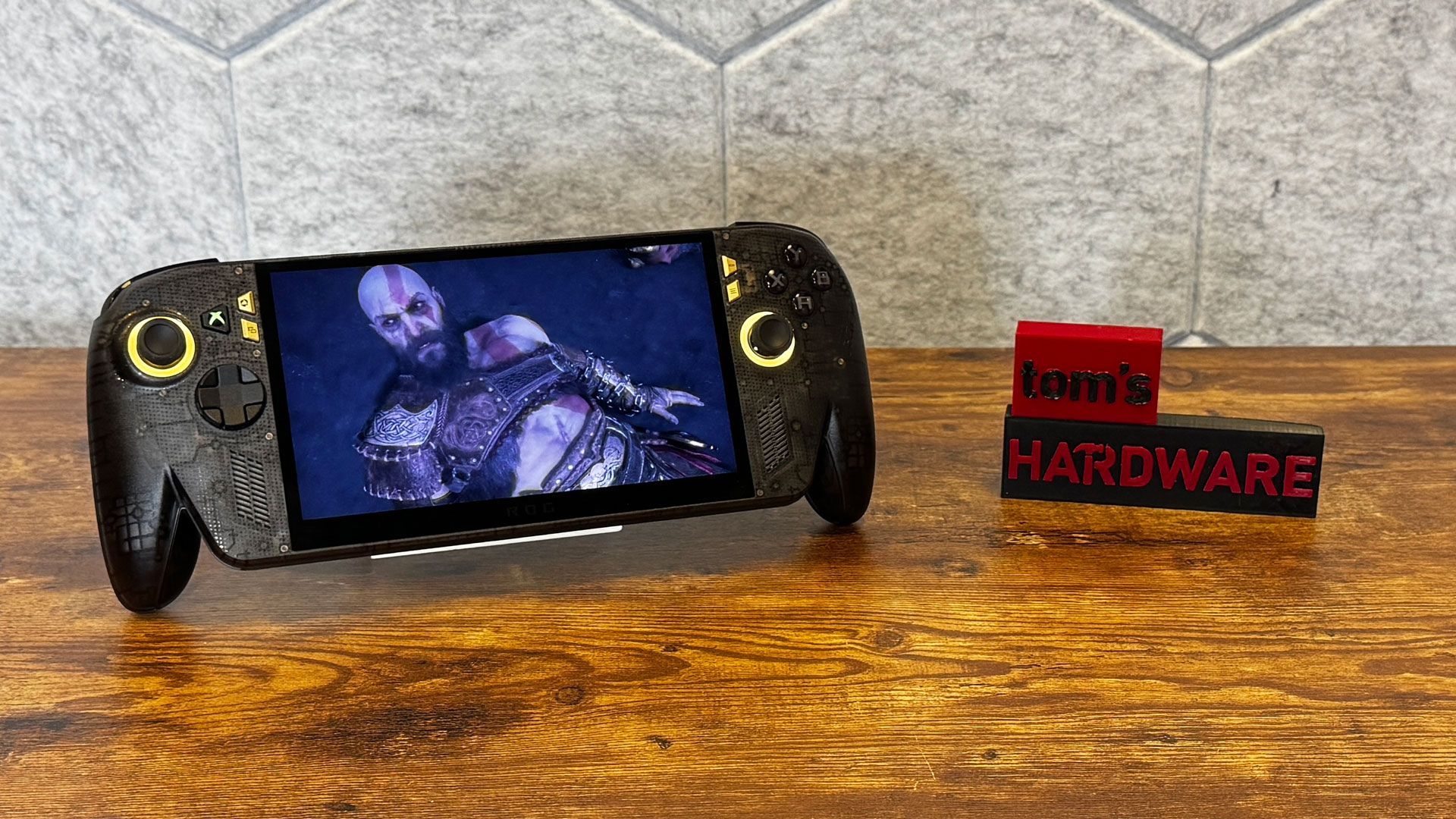
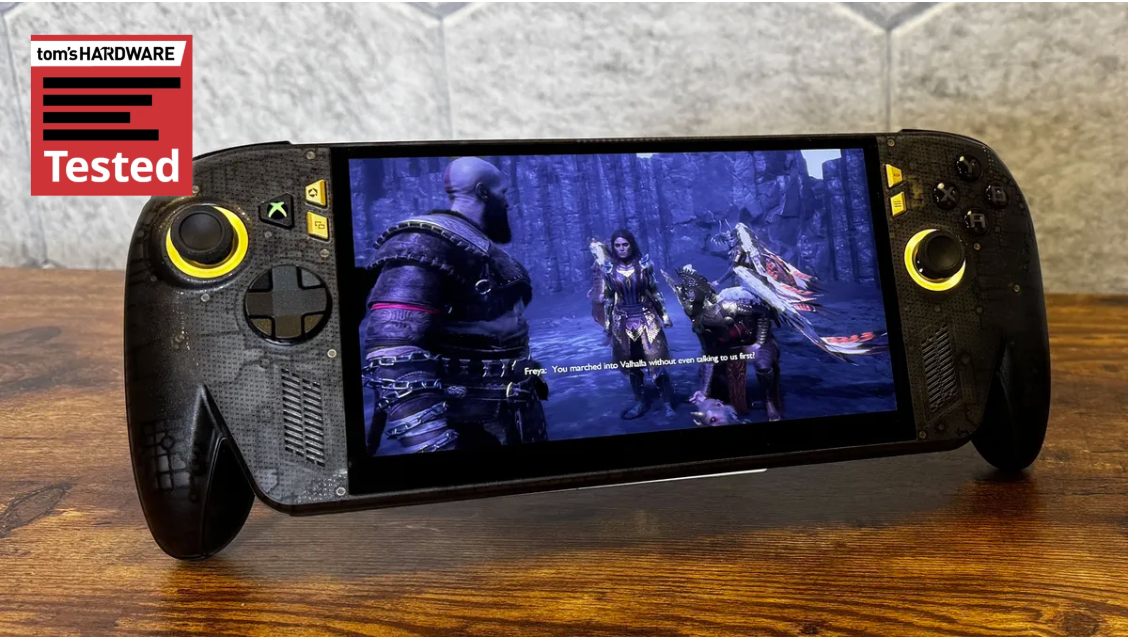
The $1,299.99 gaming handheld ($2,499.99 if you get it in a bundle with XR glasses, a Pelican case, and a Dbrand Killswitch case) doesn't change performance at all. Instead, it makes some common-sense tweaks to its existing $999.99 handheld, adding TMR joysticks, rubberized grips, a see-through design, a transforming D-pad, and, most importantly, an OLED display.
(Image credit: Tom's Hardware)
If you already have an Ally X, this isn't a reason to upgrade. But if you're looking to get into handheld PC gaming and are willing to splurge, the changes here sure are nice.
Design and Display on the Asus ROG Xbox Ally X20
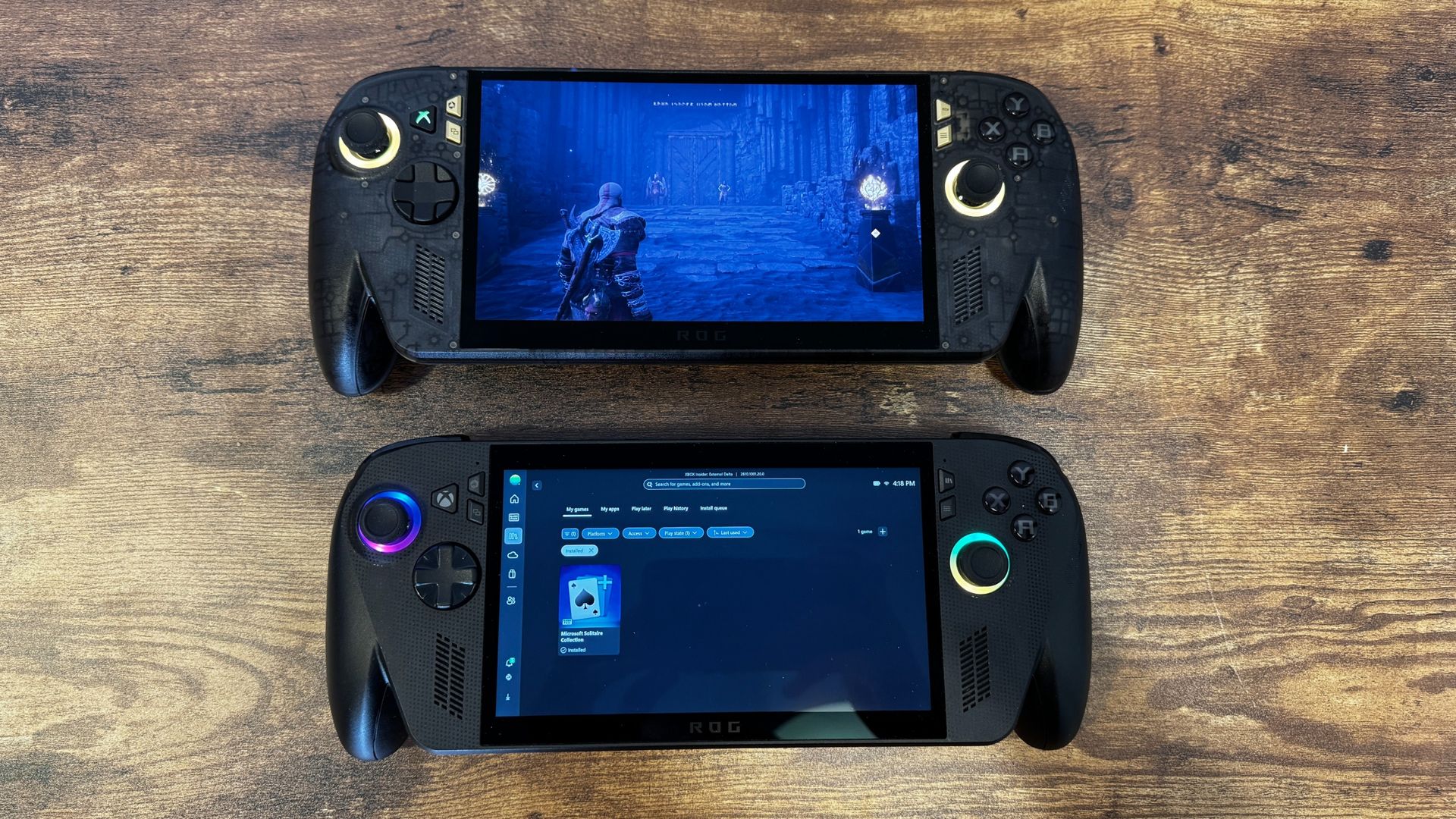
If you put the Asus ROG Xbox Ally X20 and the original next to each other, it's impossible not to notice the differences. But still, these are largely the same system, inside and out. They have the same button layout, the same grips, the same screen size, speaker placement, and vents.
Tom's HardwareTom's HardwareTom's Hardware
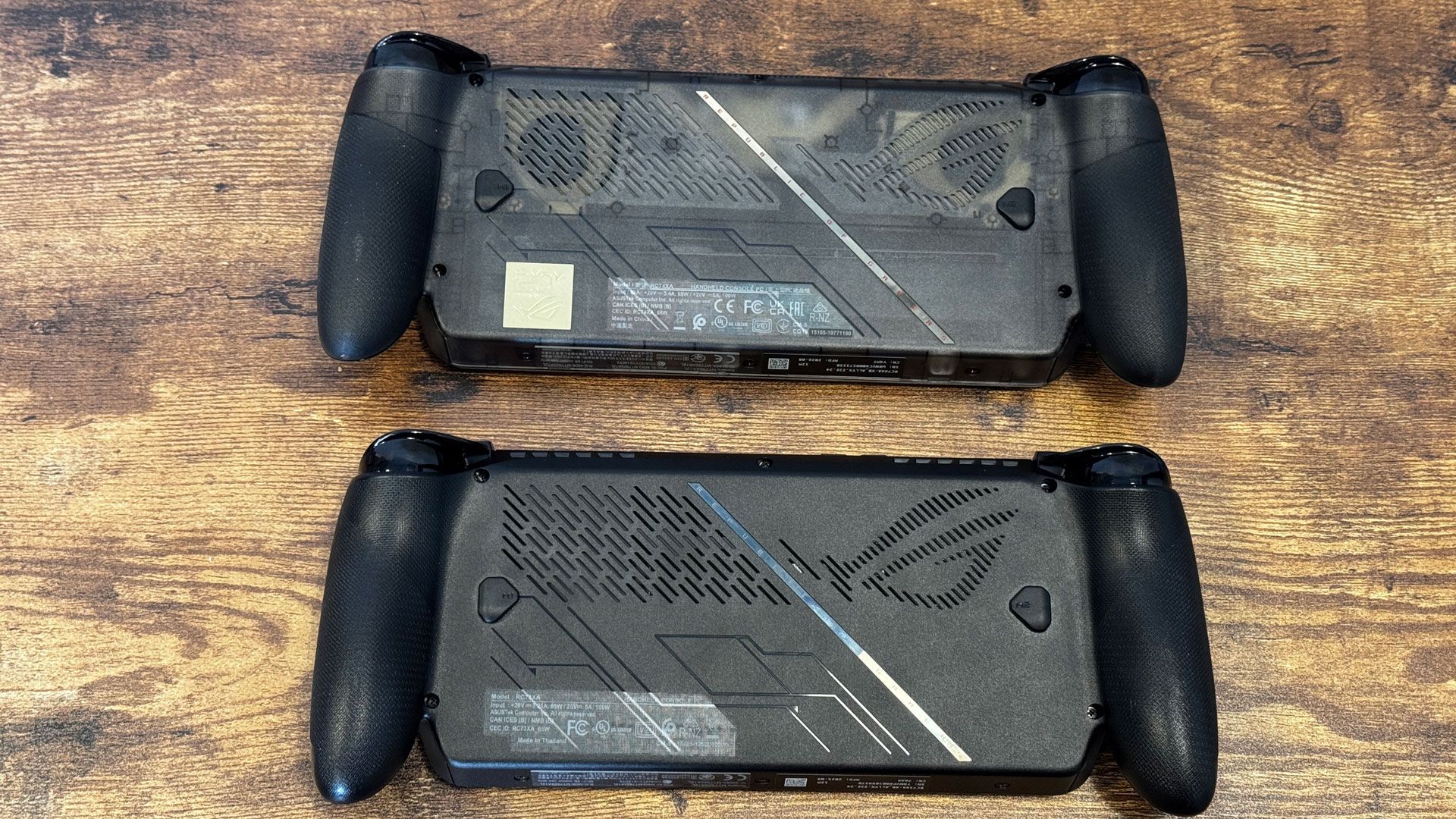
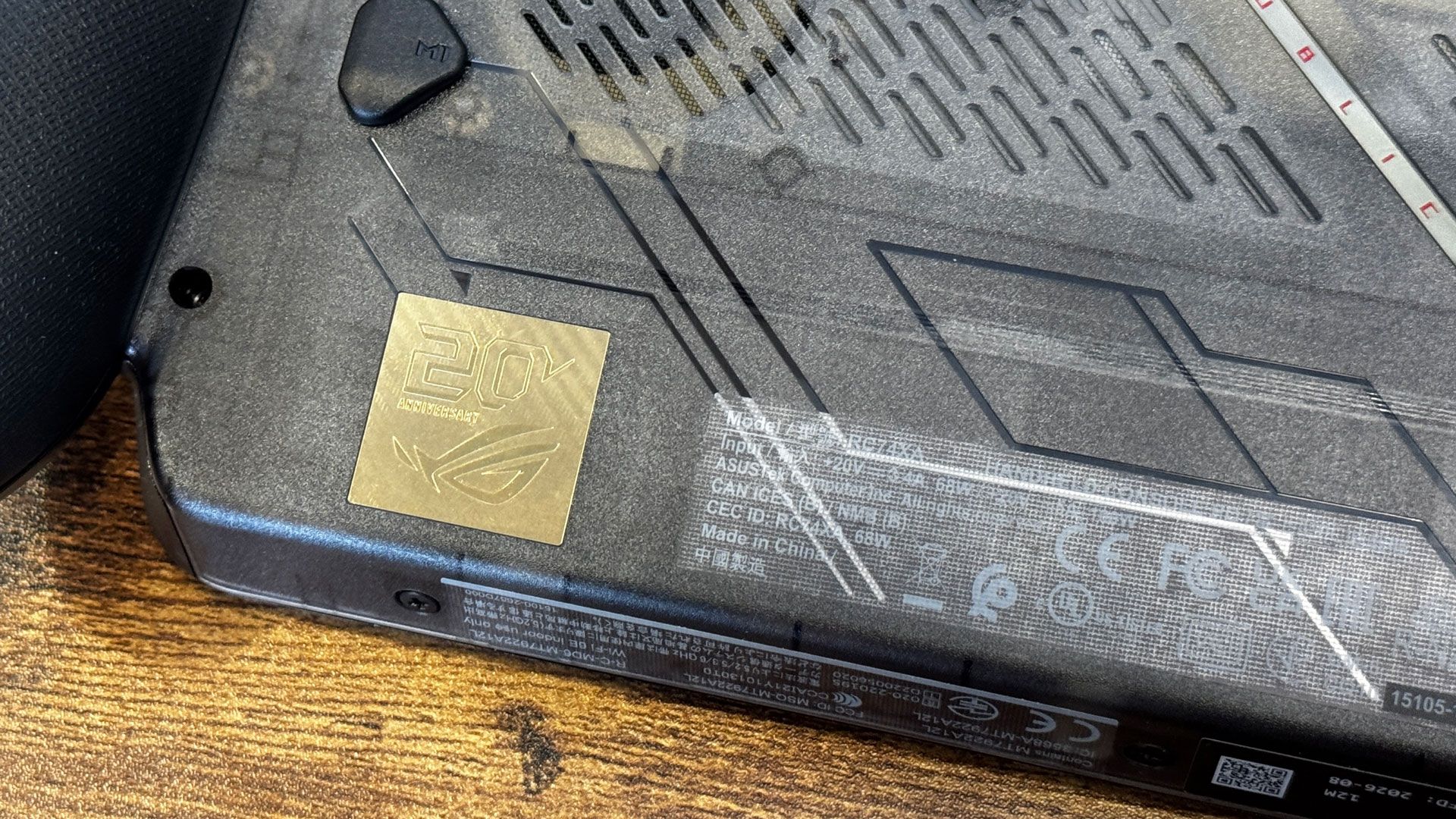
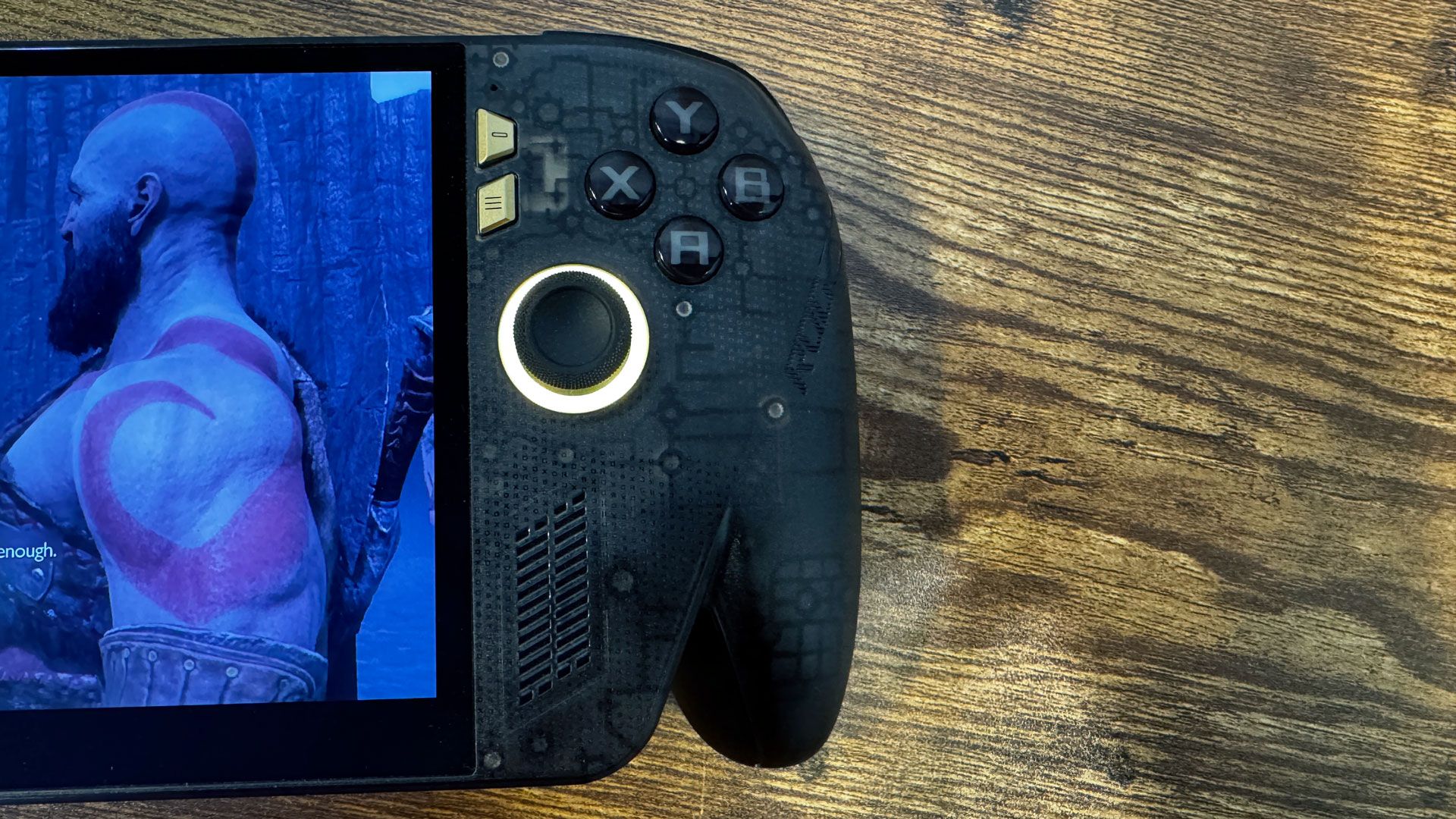
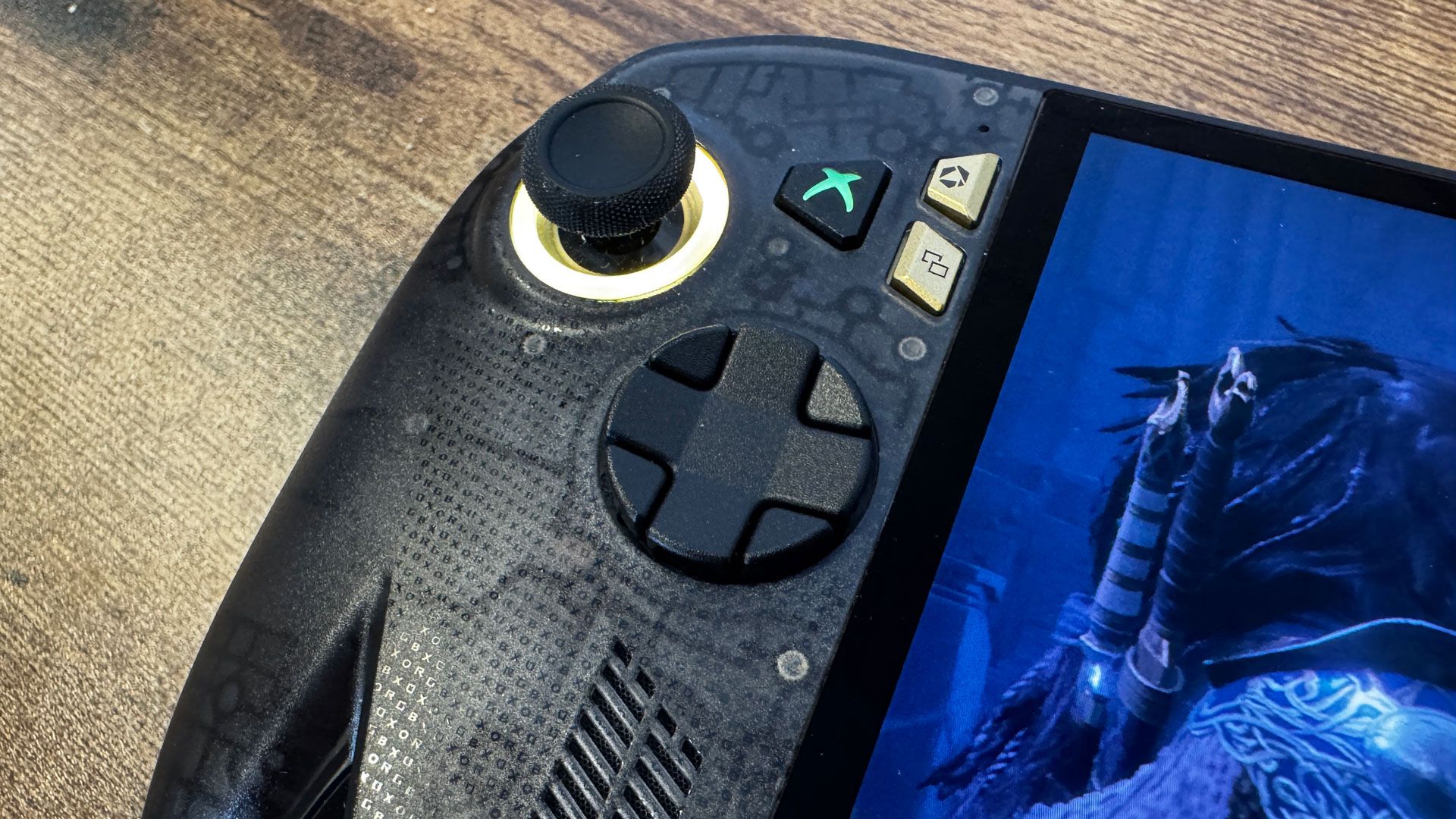
The most visible difference is that the X20 has a new, transparent plastic case with a black tint, along with gold menu buttons, a gold stripe across the back (rather than silver), and a large "20th Anniversary" ROG badge on the rear. I prefer the original Xbox Ally X's plainer design; the clear plastic looks more like a toy. I also found that it let the status lights shine through the top of the system, just abover the screen, which is distracting.
(Image credit: Tom's Hardware)
There is one minor change in the menu buttons: where the Ally X had a library button, the Ally X20 has a screenshot button. It's more useful in general, but it's also a great way to accidentally take a screenshot.
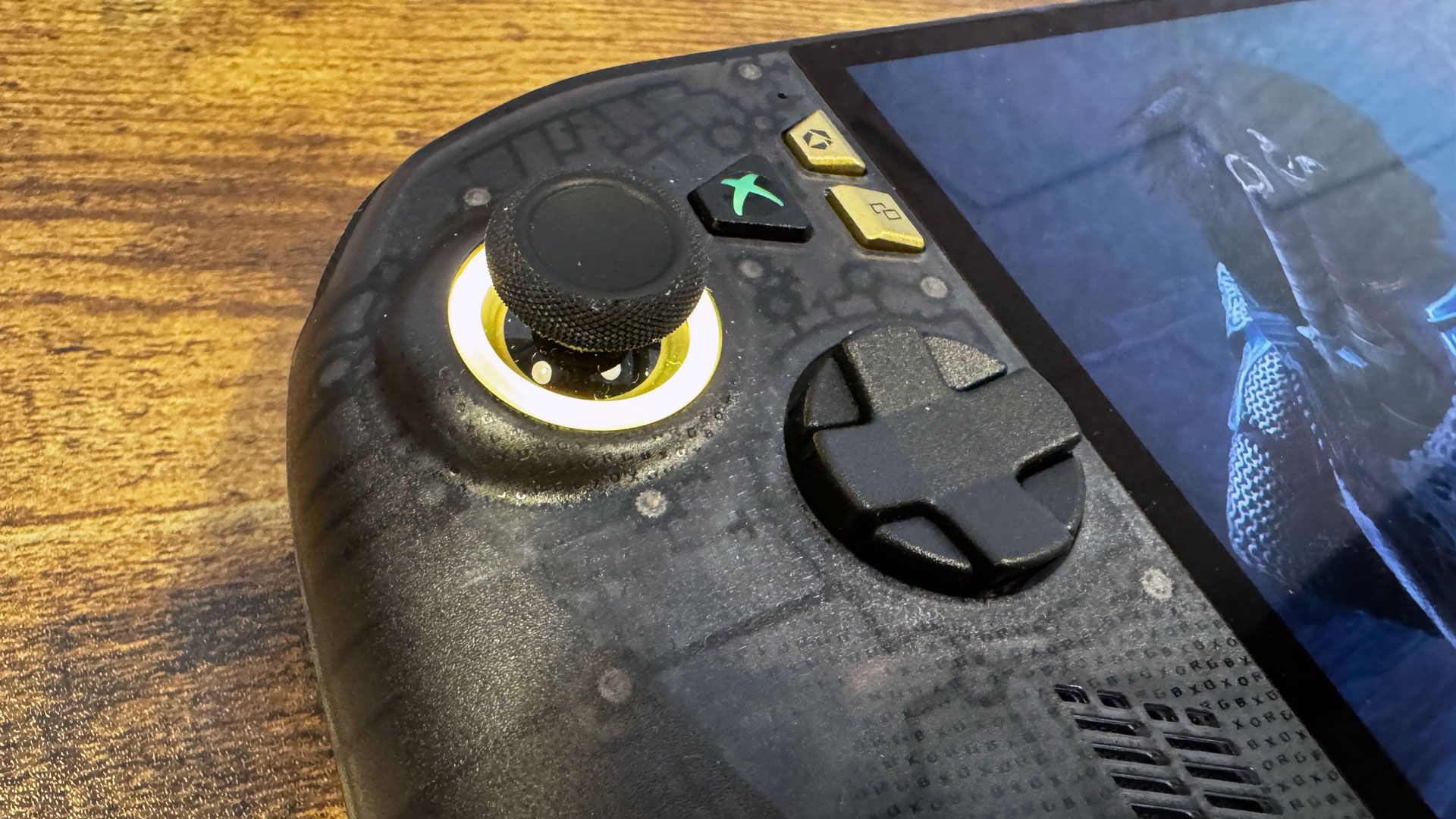
But once I picked up the Ally X20, the original couldn't compare. The chassis feels more substantial, especially with rubberized grips on the back of the prongs. There's a new directional pad, which feels more substantial; it also twists between a 4-way and 8-way pad, though I found switching between these two modes quite awkward. The 8-way D-pad is better for fighting games, while the 4-way with more distinct cardinal directions will make more sense for action-adventure and platform games.
Tom's HardwareTom's Hardware
The new TMR joysticks, which should show less wear with age, feel tighter. All of this adds up, even though there is no performance difference between the two devices. They share the same AMD Ryzen AI Z2 Extreme chip.
The other big change is the screen. Both use 1920 x 1080 touchscreens, but the Xbox Ally X20 has a 7.4-inch OLED panel, slightly larger than the original's 7-inch IPS display. While the screen size isn't much of a difference, the narrower top bezel is noticeable.
(Image credit: Tom's Hardware)
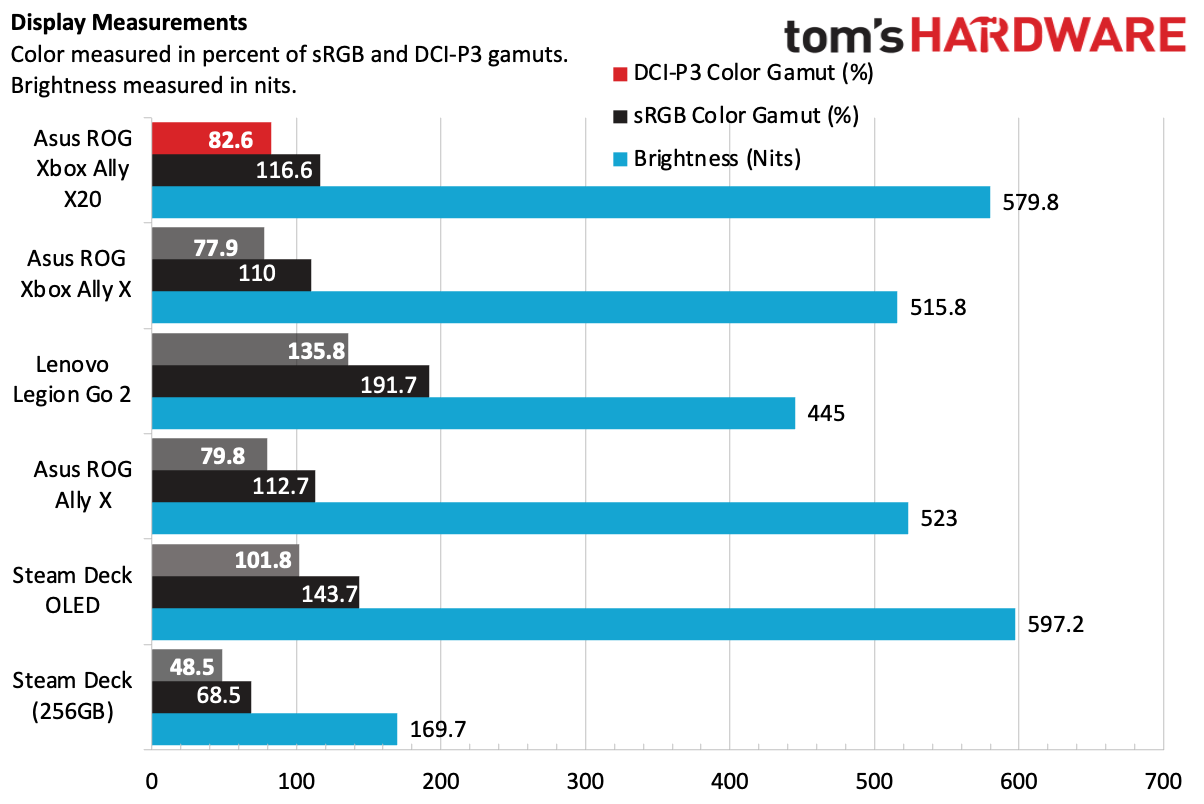
And the OLED screen looks great. It's only slightly more vivid on measured color tests. But it's definitely brighter, and it's absolutely an improvement. The OLED screen doesn't measure as well as the OLED screen on the Steam Deck OLED, but in isolation, I thought Asus's panel looked great, and it has a much more recent chip than the Steam Deck.
Forza Horizon 6 looked beautiful, with lush greenery on the sides of tracks and realistic, colorful paint jobs. In God of War: Ragnarok, dark areas with deep blacks made dim light stand out.
Asus ROG Xbox Ally X20 Specifications
Processor
AMD Ryzen AI Z2 Extreme
Graphics
AMD Radeon RDNA 3.5 graphics (16 cores)
Display
7.4-inch, 1920 x 1080, OLED touchscreen, 120 Hz
Memory
24GB LPDDR5X-8000, soldered
Storage
1TB PCIe 4.0 NVMe M.2 2280 SSD
Networking
Wi-Fi 6E, Bluetooth 5.4
Ports
USB4 Type-C (Thunderbolt 4 compatible), USB 3.2 Gen 2 Type-C, 3.5 mm headphone jack, microSD card reader (UHS-II)
Battery
80 WHr
Power Adapter
65W
Operating System
Windows 11 Home
Dimensions
11.42 x 4.76 x 1.08 ~ 2.00 inches (29.0 x 12.1 x 2.75 ~ 5.09 cm)
Price as Configured
$1,299.99
Battery Life on the Asus ROG Xbox Ally X20
The Ally X20 has the same 80 Whr battery as its predecessor. To get an idea how long you can play a demanding game for, I booted up God of War: Ragnarok, set the screen to 50% brightness, and used the 17W performance mode. With the game running on low settings with AMD FSR 3.1.4 at 720p, the machine had 47% charge left after an hour and 15 minutes of gameplay.
That suggests that I could have hit about 2.5 hours had I kept going. That's down from about 3 hours on the original Ally, though it's not apples to apples, as I played different games. It's to be expected that an OLED display would use a bit more power, however.
Software and Warranty on the Asus ROG Xbox Ally X20
The ROG Xbox Ally X20 uses the same Full Screen Experience that the original Xbox Ally X originated. Portions of Windows don't even load unless you switch to desktop mode, which saves RAM and helps boost performance.
For some features, Asus includes Armoury Crate SE. That's where you can make changes to the lighting around the joysticks, adjust power management (whether in the app or in the Xbox menu), and calibrate your joysticks and triggers.
Asus sells the ROG Xbox Ally X20 with a 1-year warranty.
Bottom Line
(Image credit: Tom's Hardware)
The Asus ROG Xbox Ally X20 is the definitive form of Asus' handheld. It feels better in the hands, has joysticks that should last longer, and the OLED display is a noticeable improvement.
All of that being said, games play the same across the two devices. If you already have an original ROG Ally X, this isn't worth the upgrade. You won't get any more performance, and the IPS screen on the original is still plenty bright and colorful, even if the blacks aren't as good as on an OLED screen.
If you're buying a new machine, it's a tougher choice. The X20 is $1,299.99 — a $300 increase over the original, which is staying on the market. If this is your sole gaming machine, that may be worthwhile for the improved screen, TMR joysticks, and a slightly more solid build. But it's a lot of money; the original Xbox Ally X will play games the same way for $300 less. Neither will play games as well as the Intel Arc G3, but the only system with that available right now is $1,799.
The X20 is worth getting if it's going to be your only gaming PC for a few years. The $1,299.99 price is high for a handheld, but given that the $999.99 version is effectively the best deal in handhelds right now, it makes some sense to invest if you want the best experience.
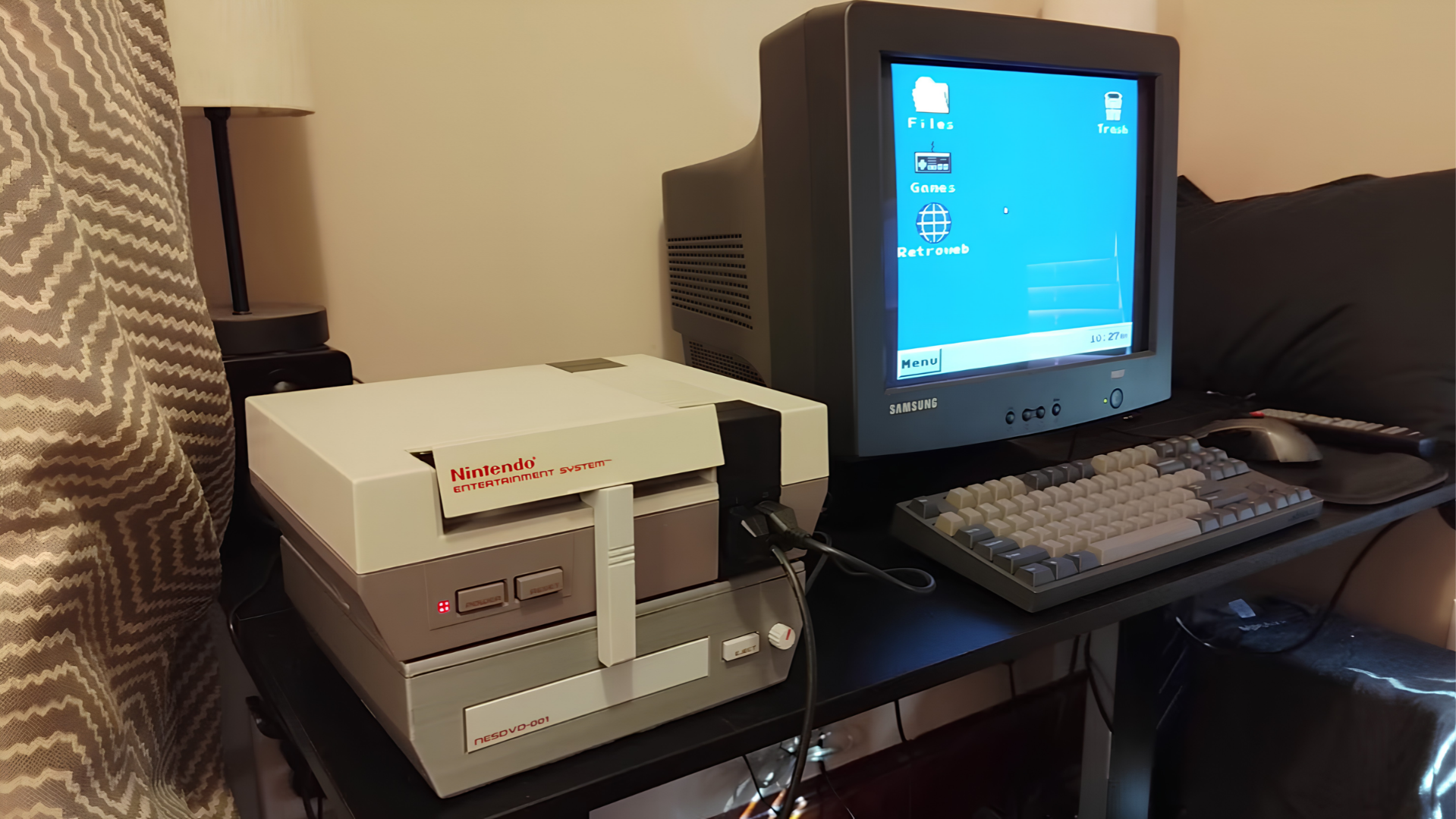
YouTube retro gaming experiment channel Throaty Mumbo created a Windows-like desktop environment on the NES. The project took advantage of the EverDrive N8 Pro, an FPGA-powered NES cartridge that handles the heavy x86 emulation. Throaty Mumbo has made the NESPC project available on GitHub and included firmware for an RP2350 he used to make a USB interface for keyboard, mouse, and MIDI functionality.
Throaty Mumbo started out with ROMs he found on the internet, trying out a Chinese Windows 98 ROM that didn’t really do much. It had Paint, Windows Explorer, and plenty of things that looked like Windows 98 programs, but none of them were actually functional; only images of what the programs approximately look like. He also tried out a ROM of Linux, a project named NES86 by decrazyo, but it was incredibly slow and unusable, leading him to create his own ROM.
Since the NES’ 6502 8-bit microprocessor was too slow to emulate x86, Throaty Mumbo used the EverDrive N8 Pro, which has a much more powerful ARM-based Cyclone IV FPGA. It simply goes into the cartridge slot and takes advantage of the NES’ cartridge-side processing, basically making it act similarly to an external graphics card by outsourcing tasks to another processing unit. To run x86, Throaty Mumbo used Next186, an open-source FPGA soft processor core that can make the FPGA execute Intel 80186-compatible instructions as if it were an x86 CPU.
Throaty Mumbo first showed his NESPC project with a command-line interface, demonstrating how fast you can navigate the environment and run command-line programs like tty-tetris, which didn’t work well at such a low resolution, but he did show a command-line train animation running quite smoothly. He finally showed that he built a whole desktop environment that looked like a very stripped-down version of the Windows 98 ROM earlier. His UI, however, was more functional, serving as a menu replacement for the EverDrive N8 Pro menu ROM, even having a fully playable Minesweeper in the Start menu. The UI also had program icons that served as ways to start game ROMs and access files inside the EverDrive N8 Pro cartridge’s storage.
Throaty Mumbo wasn’t satisfied, however, as moving a mouse cursor and typing with an NES controller isn’t the best desktop experience, so he tried adapting a Family BASIC keyboard for the Famicom to it using the NES expansion slot and a breakout board to connect jumper wires to specific pins. It didn’t work very well, with each keystroke outputting multiple letters and symbols; the bulk on the bottom also didn’t allow the NES to sit flat on the desk.
Throaty Mumbo then thought of using an RP2350 microcontroller with custom firmware so he could connect a USB device into the NES controller ports. This worked much better, even allowing smooth mouse inputs, but it only had one USB port, so it could only take either a keyboard or a mouse. His solution to this was to use a keyboard with a USB hub built into it, which worked great. Throaty Mumbo further experimented with this USB input as a MIDI device, plugging in a USB piano keyboard and playing with a very basic digital audio workstation (DAW), even playing some Mario soundtracks from NSF (Nintendo Sound Format) files.
To get even more of a retro PC experience, he added his previous 3D-printed NES CD drive project, the NESCD, which plugs into a port on the EverDrive N8 Pro cartridge and the expansion slot, allowing him to play music in the background while playing an NES game at the same time without losing any performance. He then upgraded the NESCD with a Seeed Studio XIAO ESP32 to add WiFi capability, allowing for 4 MB/s download and 90 KB/s upload speeds. Since the internet capabilities are very limited, the NES uses Throaty Mumbo’s laptop as a proxy to fetch the NES’ requests from the internet and simplify them to be more easily displayed on the limited resolution. However, Throaty Mumbo also added an option to connect directly to the internet, which would be a miserable experience.
Gamers can now experiment with playing their favorite Steam titles on a jailbroken PlayStation 5. The game launcher is actually based on the Playden launcher designed for macOS and adapted for the PlayStation, allowing you to sign in with your Steam account and install games from your library directly to the console. Playden for PS5 is a GitHub project that lets you run Steam games on the console, notes VideoCardz. When you launch a game on Playden for PS5, it sets a private Windows environment and is run through prospero-win, which is a PS5 port of Wine.
Note that the launcher itself does not run the game — instead it builds a separate PS5 app created for the game that you installed, allowing the Steam title to appear as a separate tile on the console’s home screen. Aside from that, its files, settings, and crashes are isolated from the launcher and other games. There’s also a separate runtime kit that handles Wine for PS5, the required graphics drivers, the Windows environment, and a template app shell for your games.
While Playden for PS5 successfully launches Steam games, it does not necessarily mean a smooth start-to-end experience for every title. The creator notes that it’s still in the Alpha stage of development, with X user v7dt1 saying that even though they were able to launch a game, it eventually crashed. On the other hand, u/Cevap shared on the r/PS5_Jailbreak subreddit that they were able to play Portal through the launcher with no issues, except for the lack of a mouse cursor and the inability to hit ESC to open the options menu. Still, the developer of the launcher lists several compatible games, including American Truck Simulator, Cyberpunk 2077, Doom Eternal, GTA: Vice City, Left 4 Dead 2, Team Fortress 2, and more.
Of course, users need a jailbroken PlayStation 5 if they want to use this launcher. But aside from that, the creator said that using it poses several risks, including the fact that it’s an unofficial Steam client. While there haven’t been any problems with third-party Steam clients, the app notes that Valve does not officially support it and any risk that comes with the use of the launcher “is yours to accept.”
These days, it's exceedingly difficult not to be jaded and weary about the tech market. Memory, graphics cards, and now storage are becoming impossible to obtain; there's basically no new consumer hardware being released; and there's AI everywhere. Technology YouTuber TrashBench (TB), too, is tired and was harkening back to the halcyon days when everything was fresh and straightforward — so he went back in time with a retro build.
More specifically, he recreated a facsimile of the first machine his parents bought him in 1996 when he was a wee lad, to playThe Need for Speed: Special Edition— a PC-improved version of the first ever game in the series. According to the man, it was thanks to this machine that he fell in love with computers in general.
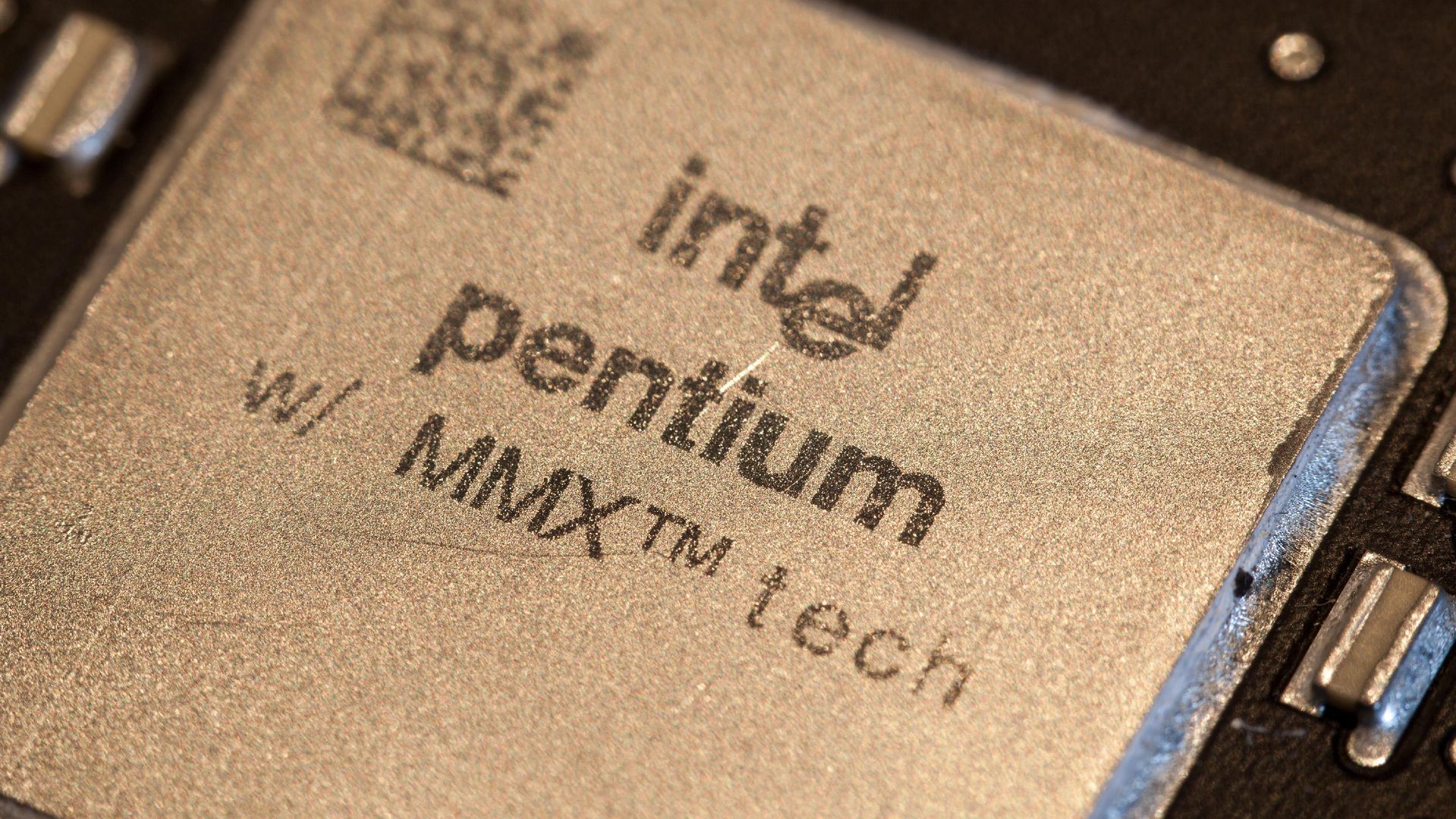
TB kicked things off with an Intel Pentium MMX 200 MHz CPU sitting atop anEpox Pronix EP-P55-BT motherboard, boasting what was at the time a new, fresh, convenient ZIF (Zero Insertion Force) socket. This motherboard popped up during the RAM transition from SIMM to DIMM, which is why you'll see two slots of each on the top. 32 MB of RAM went right in, a generous amount for the year.
Funnily enough, the CPU barely needed cooling, which is why a simple 40-mm fan suffices, although anyone who's lived through this era will tell you that those were guaranteed to start whining after just a few months of heavy usage. There is no case cooling, as it's just not needed.
However, he did need to correctly set the motherboard's jumpers, as such luxuries like automatically detecting CPU speed and voltage were just becoming normal. Yes, this meant that you could burn out a CPU if you played the jumper game wrong.
For graphics card duty, he enlisted an S3 Trio32 card, which was pretty, ahem, modest even in the era, and had no 3D rendering capabilities whatsoever. In this era, the now-ubiquitous 3D accelerator cards were just coming into fashion, and he eventually replaced the S3 with a Matrox Mystique 3D, another offering of dubious quality. Yet those were happy days, as any form of 3D acceleration was far better than none.
Storage comes by way of aWestern Digital Caviar 22100 hard drive with a whopping two gigabytes of storage and the uncanny ability to emulate the dulcet tones of a jackhammer. TB eventually swapped it later for a roomier 80 GB unit. Again, due to the idiosyncrasies and constant transitions of the era — hardware doubled in speed and capacity nearly every year — he had to set a jumper to clip it to the likely amounts of either 8.4 GB or 33.4 GB, as the addressing space of BIOSes and disk controllers of the time were limited.
The build wraps up with an OG Sound Blaster 16 sound card and a CD-ROM drive. After test-driving the machine with Need for Speed, he moved on to Microsoft Flight Simulator 98, which necessitated a joystick. Naturally, he got the much-beloved Quickshot QS-123, a staple in many home PCs, and one that needed replacement in about six months, as its build quality matched its price.
A video purported to be “authentic, original 360p footage captured inside a CompUSA retail store in New York City” has been shared on YouTube, allowing retro computing fans to step back in time to November 2000. This was the Windows Me, Pentium III, and Athlon era, dominated by computers constructed using a lot of translucent plastics and beige boxes already a distant memory. However, computer stores like this bulged with displays and fast-selling stock before internet shopping would start to eat many of these businesses away.
The video reveals a nostalgic CompUSA, greeted by a wall of CRT monitors. The store looks crowded and almost chaotic with peripherals, PCs, and devices - and boxes filling a lot of space in the aisles.
The first item is a noteworthy trio of laptops. It looks like three stylish Sony VAIO machines in a line. In the center of this display is probably the most interesting device from the time, which we believe to be a Sony VAIO C1 Series ‘PictureBook’ PCG-C1VN subnotebook. Searches indicate this device was powered by the Transmeta Crusoe TM5600 processor running at 600 MHz, supported by 128MB of SDRAM, and a 12GB HDD. The tiny form factor, weighing in at around 2.2 pounds (1kg), was built around an 8.9-inch TFT display of 1024 x 480 pixels. It also had a dGPU, an ATI Rage Mobility with 8MB dedicated VRAM.
Above this trio of laptops, there's a spec card for one of the larger laptops available in store. Squinting at the 360p video, it appears the unnamed portable has an Intel Pentium III 700 MHz CPU, S3 graphics, 128GB of RAM, and a 20GB HDD.
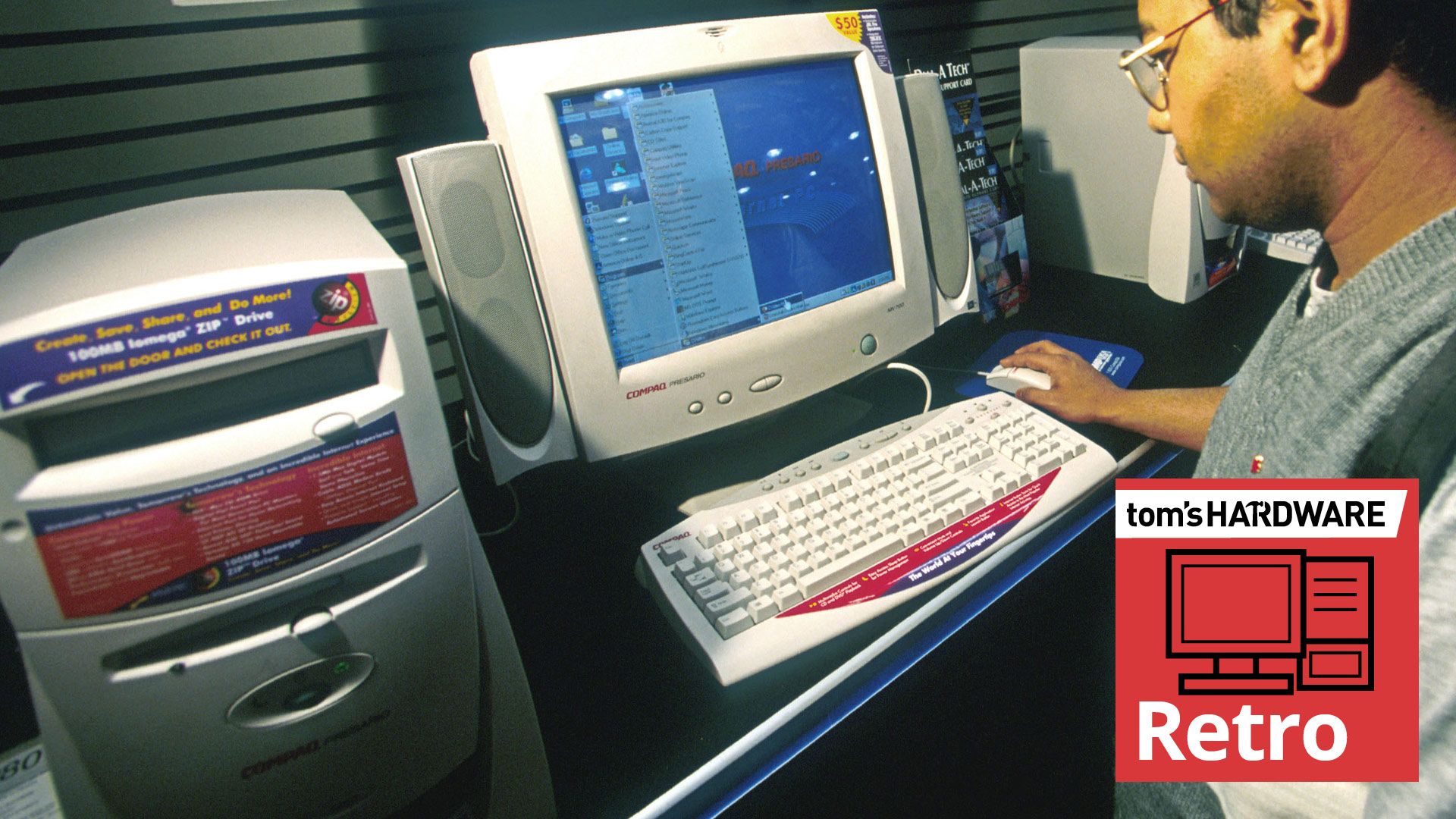
Next up, the video shows some New Yorkers (or tourists) browsing desktop machines including Compaq Presario PCs, with characteristic translucent accent faceplates – clearly inspired by the iMac. Again, we would expect these came with Celeron/Pentium III processors, or AMD Athlon/Duron chips from that era. Graphics cards in these would typically be Nvidia RIVA TNT2 or GeForce2 MX cards.
Later on, the video shows a significant amount of store space stacked with boxes for perhaps 100 Compaq Presario desktops. On one box you can see the model number ‘5WV294.’ According to our searches, that model would come with an AMD Athlon 1.0 GHz, 128MB RAM, 30-40GB HDD, an optical drive, and Nvidia GeForce2 MX or S3 Savage4 / ProSavage 3D graphics.
The video also shows Apple Mac desktops powered up next to matching monitors. Even with Apple’s serious professional desktops, by 2000 the beige era was long gone. A spec card shows that one of the Apple desktops on display is the Power Macintosh G4 Dual 500. Yes, it had twin 500 MHz G4 processors, as well as 256MB memory, a 40GB HDD, a DVD RAM drive, and a 16MB video card, costing an eye-watering $3,500. We previously mentioned the ‘iMac era’ and indeed, an in-store wall of perhaps 50 boxed iMac computers is shown later in the video.
A 21-inch ViewSonic A110 monitor displaying a demo reel with Apple monitors and Apple Macs is also featured. It is a high-end model, priced at $750. Printers appear in the video too, with various HP models boxed up. The video also shows a shelf of unboxed printers and MFPs on display, and you can see someone pondering over one. Mice, mouse mats, and a Windows Me ‘Take Me Home’ promotional in-store display also catch the cameraman’s eye.
The video ends with a scene at the checkout, and folks buying sundries and peripherals. The last customer appears to be inquiring about a mail-in rebate for an HP printer. Some things never change.
CompUSA collapsed due to competition from big box stores, the ascent of online retailers, and various managerial missteps. The store brand saw mass closures and liquidation in 2007/8, with a handful of stores kept alive by Systemax/TigerDirect. The CompUSA retail identity was finally retired in 2012.
 登录