登录
登录How to add photos & videos to iCloud shared album from Android

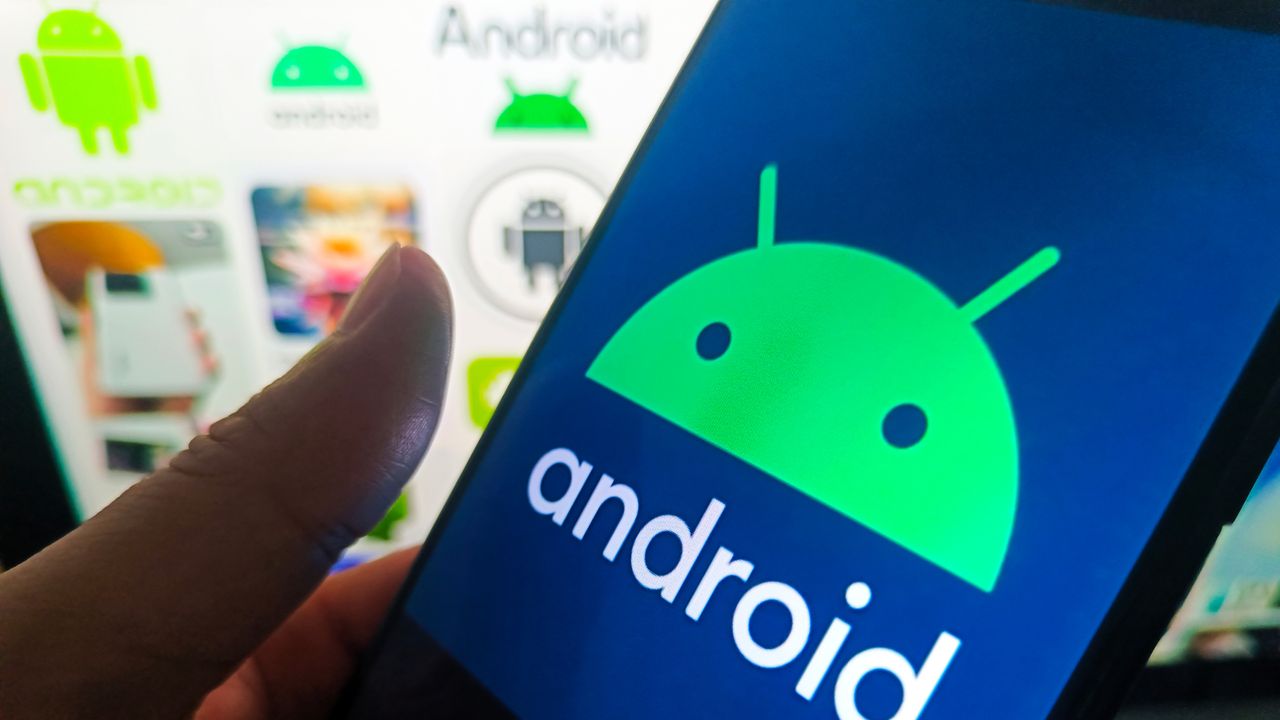
Because of the unprecedented memory shortage, Google has introduced stricter guidelines for how Android applications manage and use device memory. These new rules ensure applications perform smoothly across a wider range of devices, especially those with lower memory capacities. Developers now have until February 2027 to optimize their applications to reduce the memory footprint.
Smartphone manufacturers are managing the limited supply and rising costs of memory and storage components in different ways. Some are reducing the memory or storage included in their smartphones, while others are passing the additional costs directly on to consumers. Before the global memory shortage, it was not uncommon to find entry-level smartphones equipped with 6GB to 8GB of memory. However, many manufacturers have dialed memory down to 4GB, which will ultimately significantly impact device performance.
Google’s new memory limits are meant to help guarantee a smooth experience on smartphones with limited memory. If an application exceeds the predefined memory thresholds, the Android operating system will intervene by slowing down the application or forcibly closing it to prevent slowdowns or crashes. Google has called on developers to optimize three crucial areas: dynamic memory usage (anonymous RSS + swap), bitmap memory usage, and DEX code.
Dynamic memory usage refers to the temporary memory that an application consumes while it is running. Developers need to implement smarter memory management so memory is freed when it is no longer needed. This can be when the user is no longer interacting with the application or when it moves to the background.
Bitmap memory usage is another key area that developers must focus on. Bitmaps are common resources for displaying vibrant images, but they consume far more memory than displaying text. When overdone, excessive bitmap memory usage can easily eat up a device's memory. Google recommends that developers use bitmaps responsibly and use better image handling protocols.
Google also highlights code optimization. During development, applications often accumulate redundant or unused code. Sometimes developers ship applications with more code than what is actually needed. Unnecessary code just increases the memory footprint. Under the new guidelines, developers must clean and shrink the application's code by at least 25% with tools such as R8 before publishing the application on the Google Play Store.
Just as computer enthusiasts are reluctant to buy new hardware, smartphone users are in the same boat when it comes to upgrading their devices. This has prompted companies to take a more proactive approach to supporting customers by improving the experience on hardware they already own.
For example, Microsoft has committed to optimizing Windows 11 to run smoothly on devices with 8GB of memory so users are not pressured to upgrade their memory. Google has also taken steps with the new policy to enforce better memory management practices among Android application developers.


When Apple boosts trade-in values on most devices, from iPhones to Apple Watches, it could be time to make your move.
(via Cult of Mac - Your source for the latest Apple news, rumors, analysis, reviews, how-tos and deals.)


Google and Apple are working together to make switching from iPhone to Android far less frustrating by adding support for transfer of passwords, apps, eSIMs and more.
(via Cult of Mac - Your source for the latest Apple news, rumors, analysis, reviews, how-tos and deals.)
Does your wireless carrier support encrypted RCS messaging between iPhone and Android? Check to see if texting just got more secure.
(via Cult of Mac - Your source for the latest Apple news, rumors, analysis, reviews, how-tos and deals.)
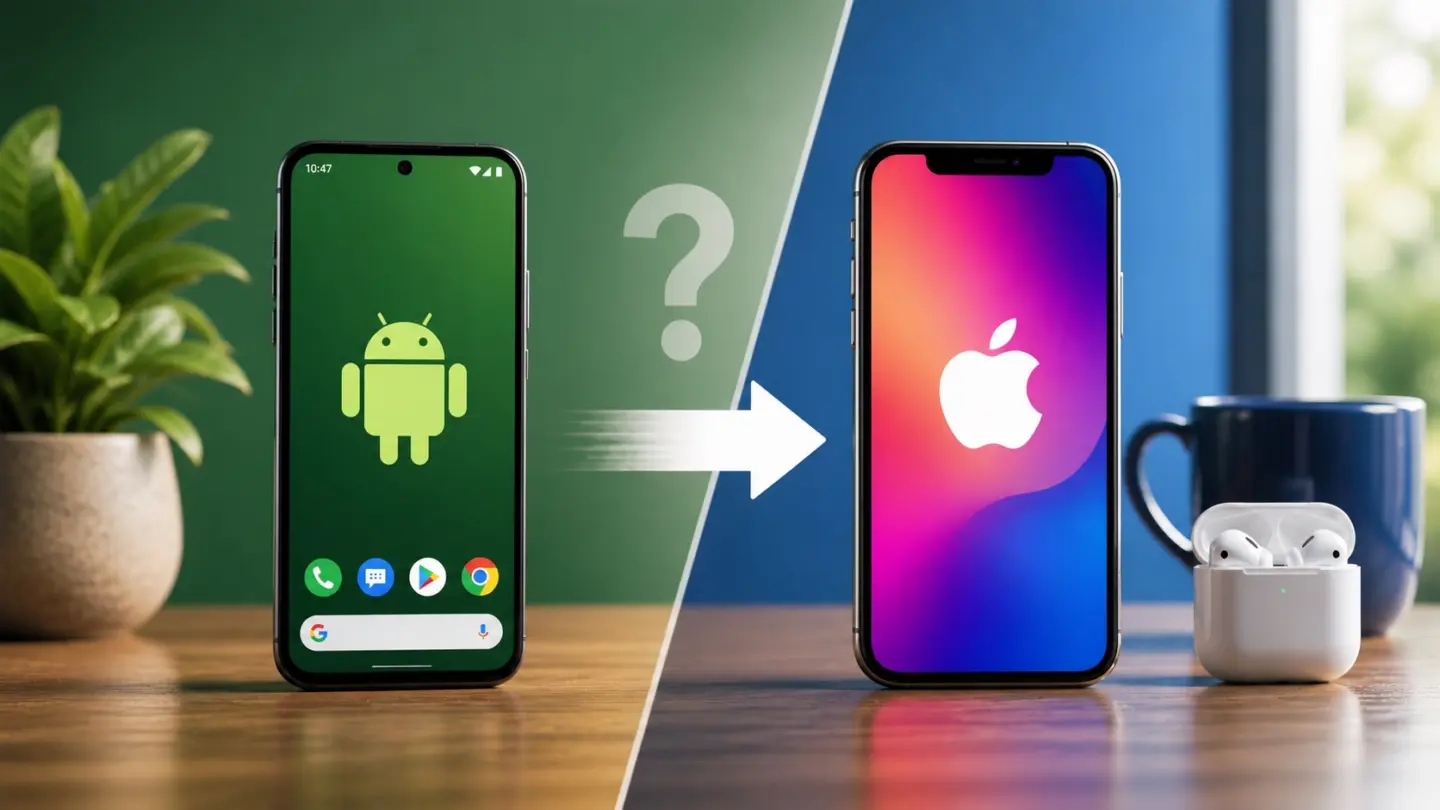
Moving from Android to iPhone comes with clear benefits, but there are also some unexpected trade-offs. Here's what you need to know.
(via Cult of Mac - Your source for the latest Apple news, rumors, analysis, reviews, how-tos and deals.)
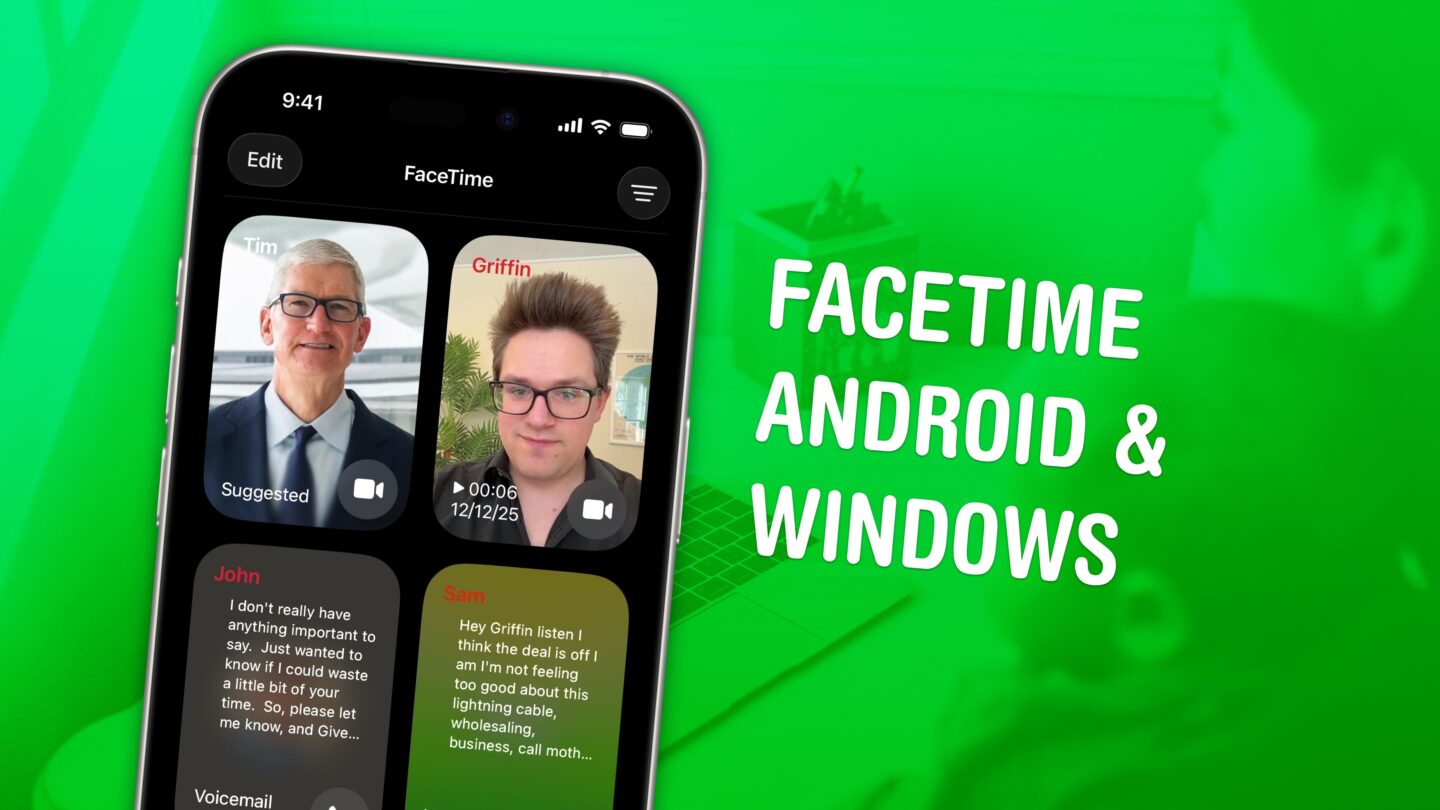
You can FaceTime with Android and Windows friends, too. There are some extra steps, but you can video call all your family and friends.
(via Cult of Mac - Your source for the latest Apple news, rumors, analysis, reviews, how-tos and deals.)
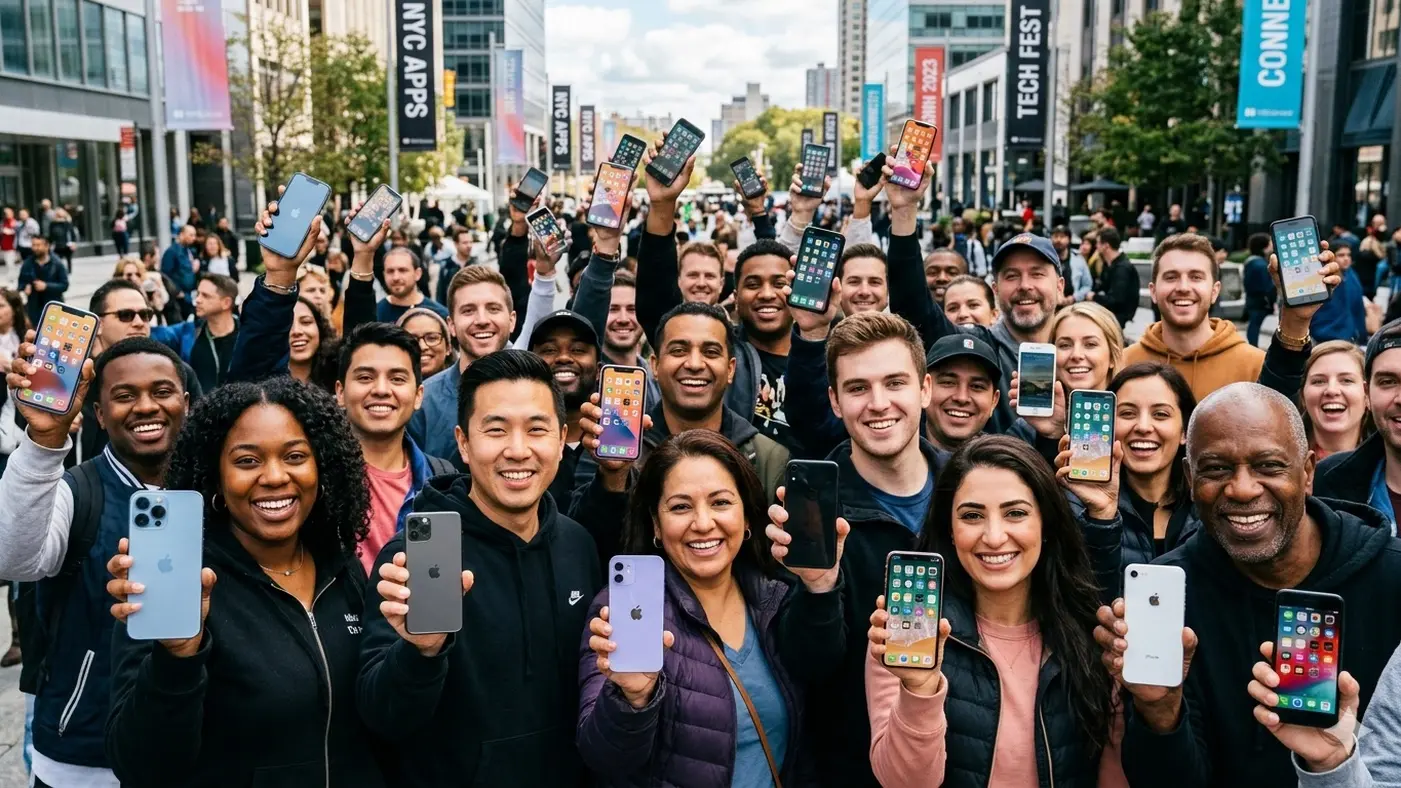
iPhone loyalty is stronger than ever. Discover why users stick with Apple's ecosystem and have no interest in Android.
(via Cult of Mac - Your source for the latest Apple news, rumors, analysis, reviews, how-tos and deals.)