❌

阅读视图

发现新文章,点击刷新页面。
✇Tomshardware

Save up to $800 on Acer’s ultra-slim RTX 5070 Ti gaming laptop — pay $2225 for the 16GB RAM model or upgrade to 32GB for $2400

For anyone looking to buy a premium gaming laptop with an OLED display, the Acer Predator Helios Neo 16S AI is worth considering. The laptop is currently on sale at Best Buy for a limited time for $2,224.99, saving you $550 off its original price of $2,774.99. The discount also applies to the higher-end 32GB RAM model, available for $2,399.99, saving $800 off its original price of $3,199.99.

The Acer Predator Helios Neo 16S AI is a fairly thin gaming laptop with a maximum thickness of just 18.9 mm. The laptop features a 16-inch OLED panel with QHD+ (2560 x 1600) resolution and a 16:10 aspect ratio, giving you more vertical screen space. It also offers a fast 240 Hz refresh rate, plus support for G-Sync, VESA True Black HDR500, and 100% DCI-P3 color gamut coverage.
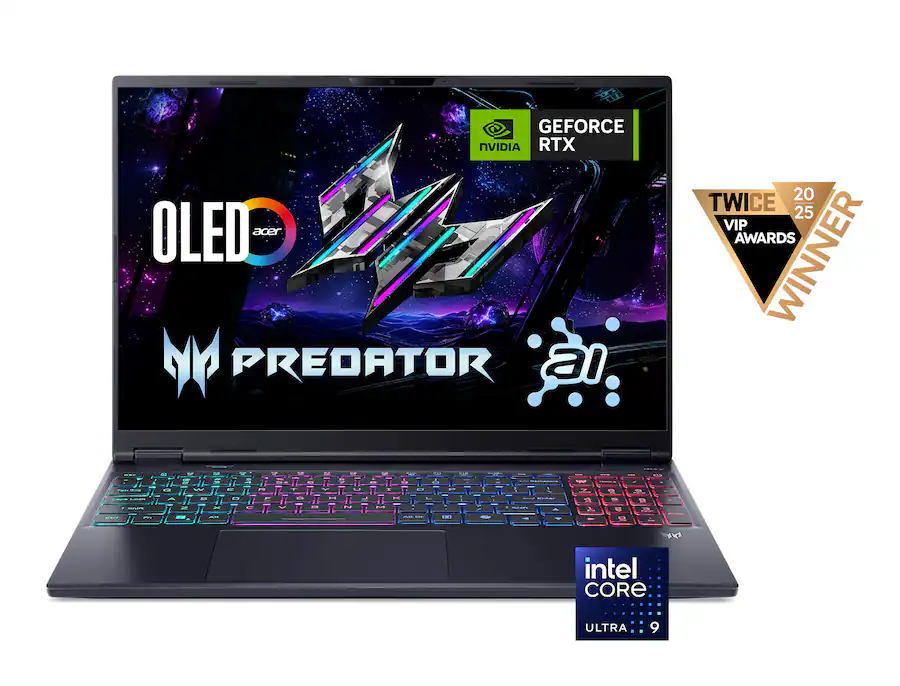
Gamers looking for a premium laptop with a vibrant OLED display and high-end graphics can grab the Acer Predator Helios Neo 16S AI at a reduced price, with the RTX 5070 Ti-equipped machine starting at $2,224.99 and the 32GB RAM model dropping to $2,399.99.View Deal

Despite its thin profile, the laptop is claimed to deliver desktop-class performance thanks to Intel’s top-of-the-line Core Ultra 9 290HX Plus processor, which features 24 cores and boost clock speeds of up to 5.5 GHz.

Handling the graphics is Nvidia’s RTX 5070 Ti laptop GPU with 12GB of GDDR7 memory, offering the benefits of the Blackwell architecture, including DLSS 4 and the latest DLSS 5, multi-frame generation, and improved ray-tracing performance. Memory options include 16GB or 32GB of DDR5-6400 RAM, while a 1TB PCIe Gen 4 SSD provides storage for all your games and other data.

Gamers looking for a premium laptop with a vibrant OLED display and high-end graphics can grab the Acer Predator Helios Neo 16S AI at a reduced price, with the RTX 5070 Ti-equipped machine starting at $2,224.99 and the 32GB RAM model dropping to $2,399.99.View Deal

For I/O, you get three USB 3.2 Type-A ports, a USB 3.2 Type-C port, a Thunderbolt 4 port, a headphone jack, 2.5-gig Ethernet, HDMI 2.1, and a microSD card slot. For wireless connectivity, you get Bluetooth 5.4 and Wi-Fi 6E. Other notable features include a 92 Wh battery, a quad-zone RGB backlit keyboard, and a 1080p IR webcam.

Overall, the Acer Predator Helios Neo 16S AI offers a promising combination of a high-refresh-rate OLED display, powerful hardware, and a relatively slim design. At $2,224.99 for the 16GB model or $2,399.99 for the 32GB variant, the current Best Buy deal makes it a great option for those looking at desktop-class performance in a portable package.

✇Tomshardware

Mysterious AMD Zen 6 APU with 24GB of LPDDR5 memory appears in benchmarks

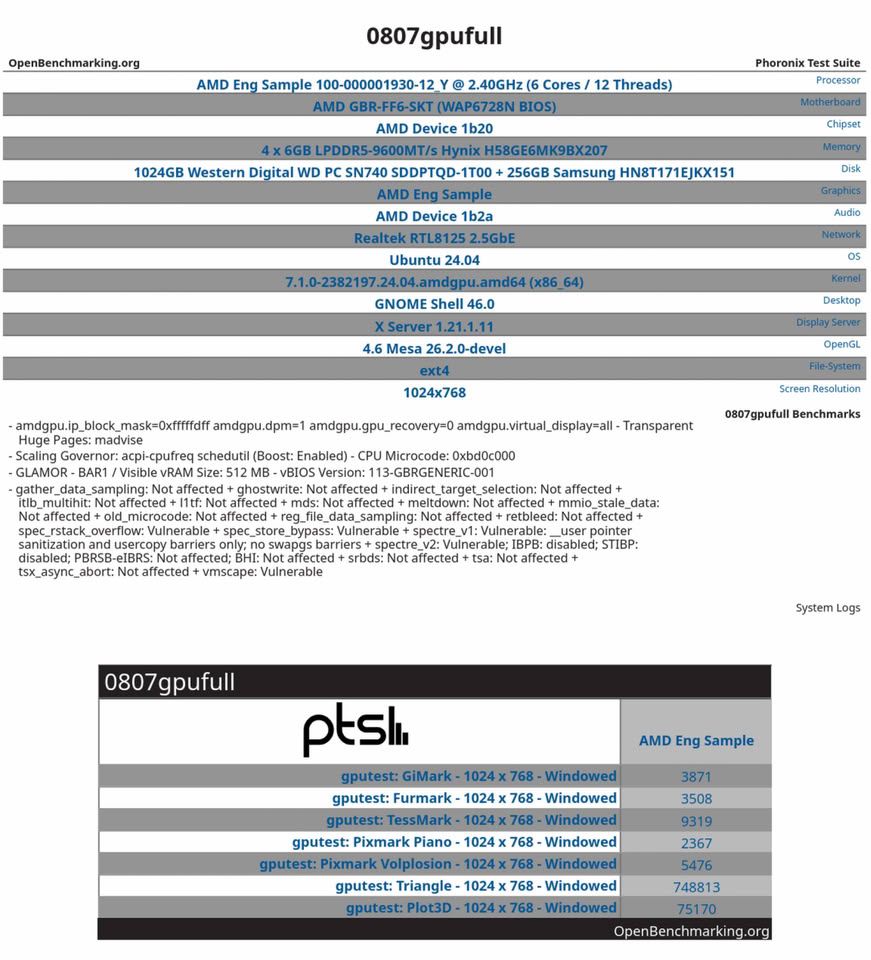
An AMD engineering sample has made an appearance in a listing on OpenBenchmarking. According to a report by TechPowerUp, the chip could potentially be a part of AMD’s upcoming Gainsborough family and a possible candidate for the next-generation Steam Deck handheld console. As per the OpenBenchmarking listing, the chip comes with a six-core, 12-thread processor paired with 24GB of high-speed LPDDR5 memory.

The engineering sample with part number 100-000001930-12_Y was tested on an AMD GBR-FF6-SKT validation board, with the CPU running at clock speeds of 2.4 GHz. The system also features four 6GB SK Hynix memory packages, resulting in 24GB of LPDDR5 memory running at 9,600 MT/s. That’s a big jump when compared to the current Steam Deck, which comes with 16GB of LPDDR5 memory running at 6,400 MT/s, alongside a four-core, eight-thread AMD Zen 2 processor.

A listing from OpenBenchmarking of an AMD engineering sample

(Image credit: OpenBenchmarking)

The benchmark listing also provides some clues about the processor’s underlying architecture. As per Notebookcheck, the sample’s CPU microcode revision corresponds to AMD’s Family 1Ah, model DCh. Linux kernel changes indicate that this model falls within the range reserved for newer Zen 6 processors, suggesting that Gainsborough could use AMD’s next-generation CPU architecture. However, there is no clarity or any confirmation whether it will use standard Zen 6 cores or the denser Zen 6C variant.

The integrated GPU is listed with a clock speed of 2,400 MHz, although its architecture and compute unit count remain unknown. The sample was tested using the GpuTest benchmark suite on Ubuntu 24.04 at 1024 x 768 resolution, resulting in scores of 3,871 in GiMark, 3,508 in FurMark, and 9,319 in TessMark. While the FurMark score is comparable to the original Stam Deck, we can’t really come to any conclusions at this point, as the tests were conducted on an engineering platform using development software rather than a finished handheld. For now, the results do not establish how the chip would perform in games, as power limits, cooling, driver maturity, and the final GPU configuration all contribute to the performance in a compact gaming device.

If these specifications carry over to a future Steam Deck, the additional CPU cores along with the larger and faster memory would provide a meaningful hardware upgrade. That being said, neither AMD nor Valve have confirmed a connection between the Gainsborough family and a future Steam Deck. Thus, it is best to take this with a grain of salt and wait until there is more concrete information in the future.

✇Tomshardware

Sandisk’s 512GB Switch 2-ready microSD Express card is a steal for $98 during sale

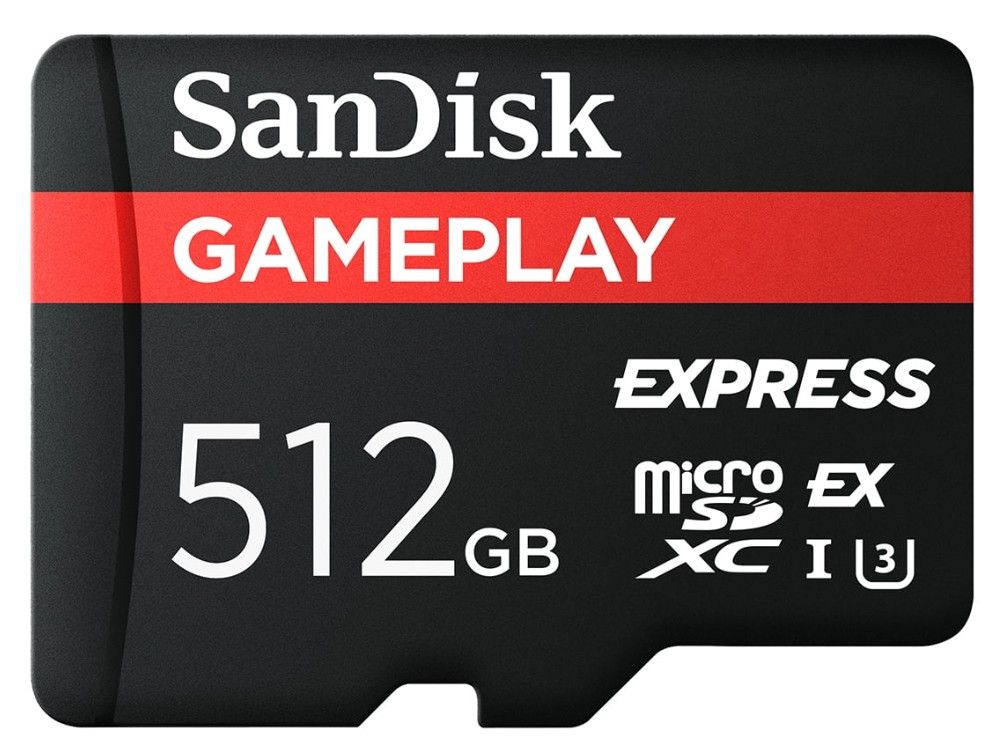
With the ongoing DRAM and NAND memory crisis, finding a good storage deal has become increasingly difficult. However, we found a solid offer for anyone looking to expand storage on their Nintendo Switch 2. The SanDisk 512GB GamePlay microSD Express card is currently $98 at Walmart, well below its regular price of over $120. It is also one of the lowest prices we’ve seen for this card in recent months, making it a particularly good time to pick one up.

The SanDisk GamePlay microSD Express card is officially licensed for the Nintendo Switch 2. It uses a PCIe interface and the NVMe protocol to deliver read speeds up to 880 MB/s, write speeds up to 650 MB/s, and sustained writes of 220 MB/s. This makes it significantly faster than traditional microSD cards and fully compatible with the Switch 2, since older microSD cards cannot be used to store or play games.

512GB GamePlay microSD Express card: was $120 now $98
This microSD Express card from SanDisk, with 512GB, is a great way to increase the storage on your Nintendo Switch 2. It delivers read speeds up to 880 MB/s and write speeds up to 650 MB/s, with sustained write speeds of 220 MB/s.View Deal

SanDisk claims the card is built to withstand tough conditions, with protection against water, extreme temperatures, humidity, drops, shocks, magnets, X-rays, and wear and tear. It also includes a special ThermAdapt feature that helps keep devices from overheating, with a specially designed enclosure and controller that uses dynamic adaptive thermal management.

For Switch 2 owners who prefer buying digital games, the Sandisk GamePlay microSD Express card at $98 is a worthwhile upgrade if you are running short on storage. The 512GB capacity should provide plenty of room for additional titles, game updates, and downloadable content, so you don't have to constantly delete games to make space for new ones. If you have been waiting to expand your console’s storage without spending considerably more, this deal is definitely worth considering.

✇Tomshardware

TrendForce expects declining global laptop shipments to slow manufacturing exodus from China

In its latest industry report, TrendForce has projected that global notebook shipments could witness a decline of a low single-digit percentage in 2027. Laptop manufacturers are also expected to reconsider their production strategies as rising costs make manufacturing outside China less attractive. The share of global notebook production outside China is projected to fall from 24% in 2025 to 21% in 2026 and potentially below 20% in 2027.

The biggest concern is expected to be the shift from component availability to weakening consumer demand, as manufacturers continue to tackle high CPU, DRAM, and SSD prices. The firm also added that if component prices continue to remain on the higher side, brands might pass more of these costs on to consumers.

Notebook shipments are expected to benefit from improved CPU availability and manufacturers stocking up on components in 2026. However, TrendForce warns that it does not directly translate into healthy demand. In anticipation of higher prices, certain customers have upgraded their devices earlier than planned. Essentially, fewer people will be looking forward to buying new laptops in 2027.

Additionally, once inventories purchased at lower prices gradually run out, manufacturers will face greater pressure to absorb higher component costs or pass them on to consumers. Increasing the retail price could further weaken demand, while absorbing the additional costs would squeeze profit margins. Manufacturers could also make changes to specifications, including memory capacity, to control production costs, potentially making their products less competitive.

It is estimated that the CPU, DRAM, and SSD account for approximately 68% of the bill of materials (BOM) cost for mainstream notebooks with a $900 manufacturer’s suggested retail price in the third quarter of 2026. TrendForce said manufacturers are unlikely to maintain pricing, specifications, and profitability simultaneously in 2027.

Rising component costs will continue to put pressure on manufacturers. While DRAM supply is likely to remain tight due to AI demand, NAND flash availability could improve in the second half of 2027. TrendForce says the key challenge will be whether consumers can absorb higher laptop prices. If manufacturers manage to limit price increases by adjusting specifications and absorbing some costs, shipments could decline by a small percentage in 2027. However, if higher costs are passed on to consumers, the decline could reach the high-single-digit range.
✇Tomshardware

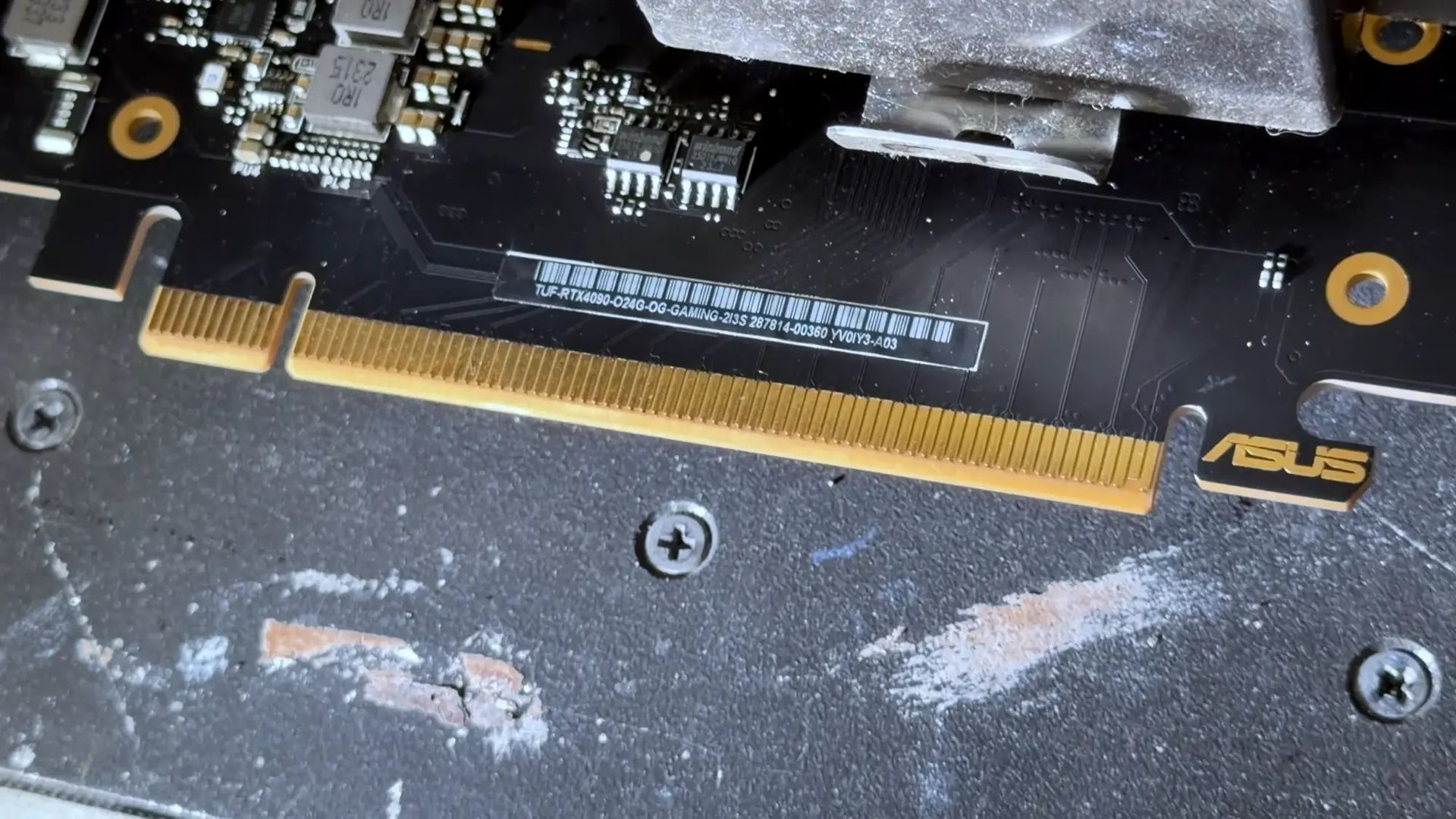
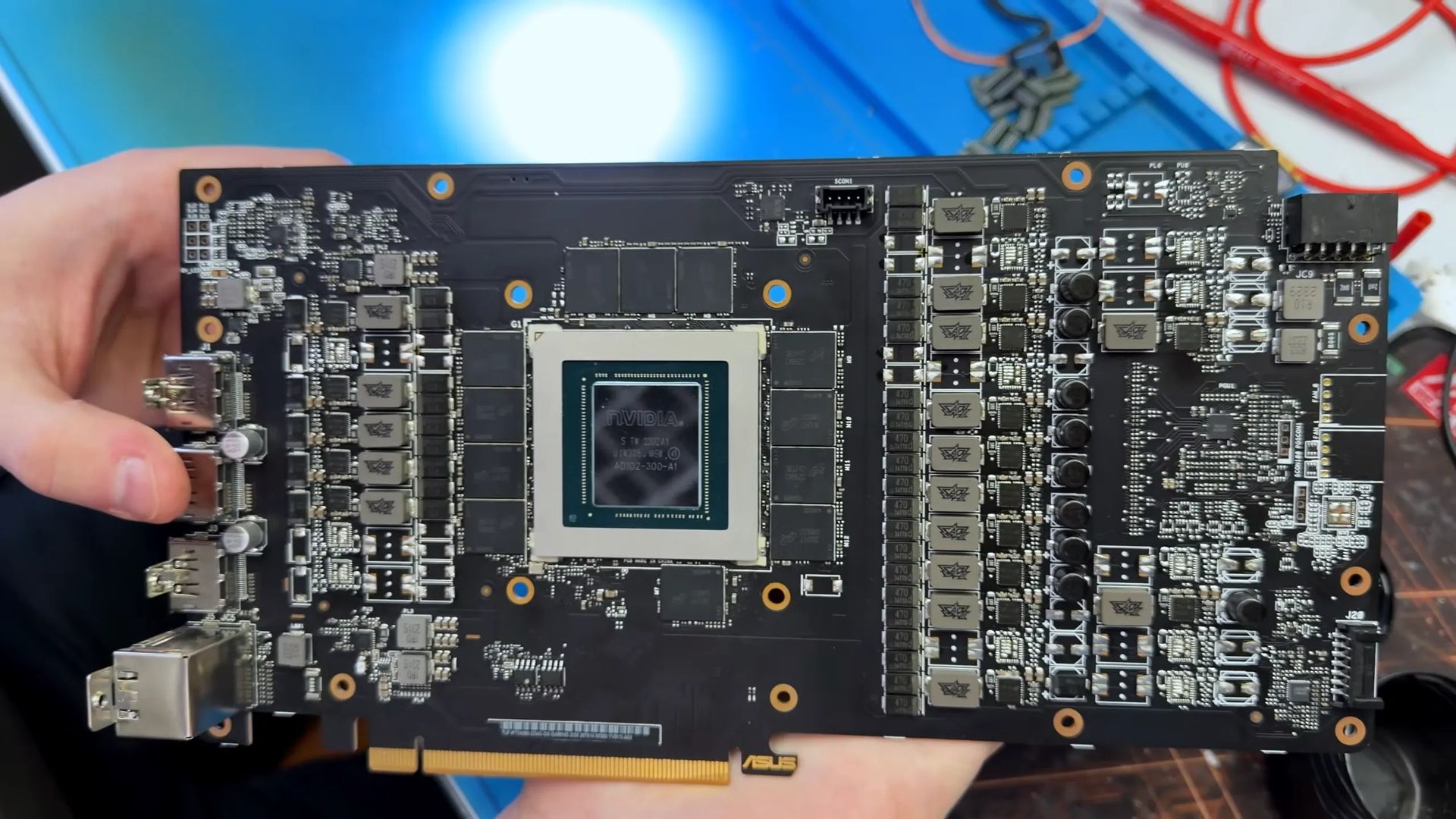
Buyer pays $350 for broken RTX 4090 project only to find realistic fake GPU die and swapped memory

A GPU repair specialist has uncovered another GPU scam involving a counterfeit RTX 4090, with a fake GPU die and memory chips designed to resemble genuine components. The graphics card was purchased for 30,000 Rubles, or approximately $350, as a potential repair project. However, upon close inspection, it was revealed that the board was fitted with dummy components.

According to VIK-off (h/t VideoCardz), the Russian repair specialist received the GPU from a customer who purchased the card as a bare printed circuit board (PCB). Since the original cooling system was missing, it was difficult to verify whether it actually worked before the purchase was made. Now we’ve seen similar scams in the past, but this particular case stands out due to the sheer effort that was put into making the counterfeit components.

According to Vik-Off, the counterfeiters managed to replicate intricate details including the labeling, GPU package, chip markings, as well as the compound surrounding the processor. The fake GPU die was even soldered onto the PCB using a ball grid array (BGA), making it appear as though it had been installed during the original manufacturing process.

However, certain inconsistencies gave it away, like the color of the substrate, surface reflections, and certain lettering. After removing the fake GPU package, the repair specialist found that its contact area did not resemble that of a functional processor, while the solder mask started to deteriorate during cleaning.

An alleged fake RTX 4090 PCB made to look like the original

(Image credit: Videocardz)

Even though the memory chips looked genuine at first, removing one of the packages revealed what appeared to be GDDR6 memory rather than the GDDR6X chips used on the RTX 4090. The markings on these chips closely resembled genuine Micron memory packages, making the counterfeits even more difficult to identify. Vik-Off suspects the PCB design could be based on an RTX 3090 Ti, although there is no conclusive proof.

This isn’t the first time a counterfeit RTX 4090 has made its way into the hands of customers. Back in June, Chinese hardware shop owner Brother Zhang came across a broken RTX 4090 that had been purchased for around $222. A closer inspection revealed that the card was essentially a replica with a plastic imitation of Nvidia’s AD102 GPU die instead of the actual silicon. Additionally, the "TW 3043E2" marking indicated that the card was somehow manufactured in 2030.

One should always be cautious when purchasing used high-end graphics cards, especially those marked as repairable or untested. The onboard components and chip markings might look convincing, but that does not guarantee that the hardware inside is genuine. Always ask the seller for proof that the card works and, whenever possible, drop it in a system and test it before handing over your money.

✇Tomshardware

Ugreen’s 100W 4-port GaN charger drops 27% today

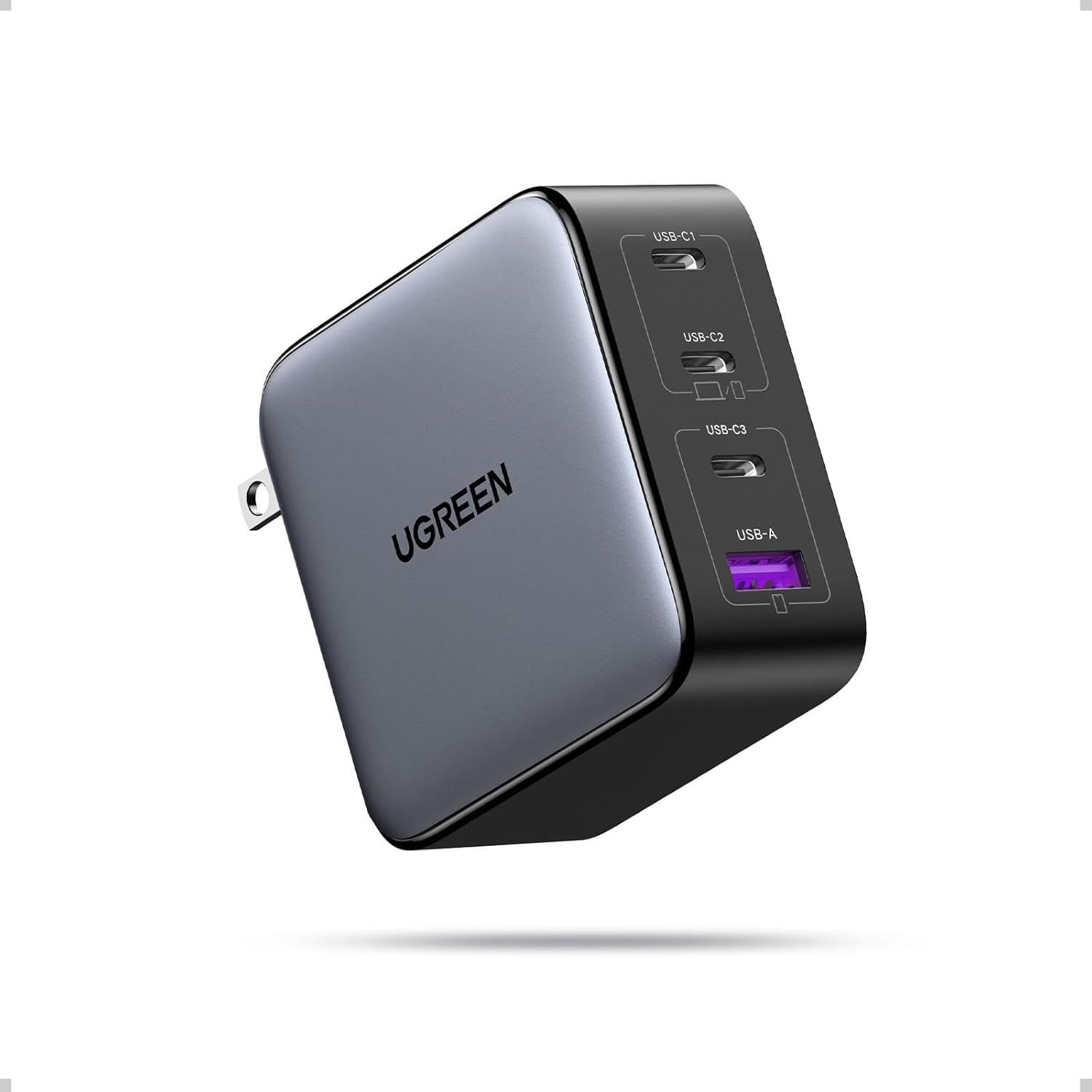
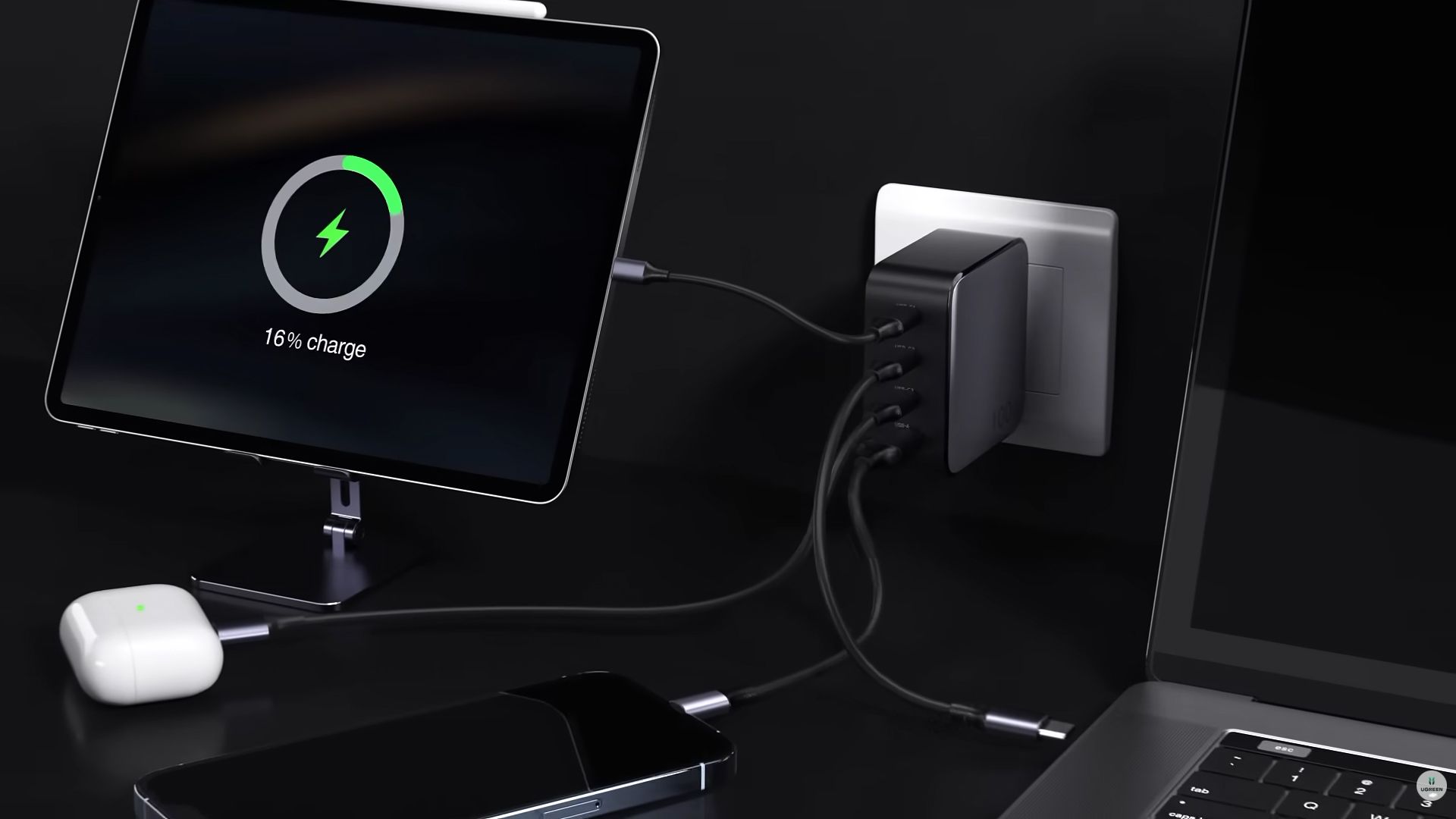
A dedicated charging solution is a great way to declutter your desk and keep your essential gadgets charged whenever you need them. If you are looking for one, don’t miss this deal on the Ugreen Nexode 100W GaN wall charger. Currently on sale at 27% off on Amazon, the charging adapter is $39.98, down from its original price of $54.99. Thanks to its high power output, it can charge multiple devices at once, making it suitable for your smartphone, tablet, and even your laptop.

The Ugreen Nexode 100W is a Gallium Nitride (GaN) charger that replaces internal silicon components with a highly efficient semiconductor capable of handling higher voltages. At the same time, it runs cooler and shrinks the power adapter's overall size by up to half. With a foldable plug design, this charger is also compact, making it the perfect companion for your next vacation or business trip.

Nexode 100W charger: was $54.99 now $39.98
The Ugreen Nexode 100W GaN charger features three USB Type-C ports, one USB Type-A port, and a foldable plug, making it a convenient way to charge multiple gadgets without carrying separate adapters.View Deal

It features four charging ports, including three USB Type-C ports and one USB Type-A port. One USB Type-C port can deliver up to 100W of power, provided you use a compatible 100W, 5A charging cable. According to Ugreen, this is enough to charge a MacBook Air M3 from zero to 55% in under 30 minutes. The charger works with a wide range of devices, including Apple MacBook Pro and MacBook Air notebooks, iPhones, Samsung Galaxy smartphones, iPads, and handheld consoles like the Steam Deck.

Notably, the company notes that certain Dell and Lenovo laptops may not charge at their maximum supported speeds because of charging-protocol limitations. Always check compatibility with your device before buying. The charger also includes built-in safety measures, including dynamic temperature sensors that monitor heat and an intelligent PWM chip that adjusts power output to help protect connected devices.

At its current discounted price of $39.98 on Amazon, the Ugreen Nexode 100W GaN charger is a worthwhile option for anyone looking to power multiple devices with a single wall adapter.

✇Tomshardware

Gigabyte's latest BIOS update hints at Intel's Raptor Lake Next Launch in 2027

Gigabyte has just confirmed Intel’s plans to introduce new processors compatible with existing LGA 1700 motherboards, with an expected launch in early 2027. According to a press release, Gigabyte is rolling out a new BIOS update to extend support for the upcoming processors across its entire lineup of Intel B760 and H610 motherboards. Owners of supported boards will be able to flash the latest BIOS and upgrade to the new CPUs without replacing their motherboards.

The most interesting bit is that the update covers both DDR4 and DDR5 variants of these motherboard families, allowing existing systems to remain compatible with the upcoming processors. The continued availability of DDR4 compatibility is particularly relevant as rising memory prices have increased the overall cost of building and upgrading a PC. Notably, the announcement does not include certain motherboard series like the Z690, Z790, and B660, which also feature the same LGA 1700 socket.

Gigabyte has not disclosed SKUs, specifications, or pricing of the upcoming processors. However, the early 2027 launch window aligns with previous reports about Intel's rumored Raptor Lake Next lineup. According to previous coverage, Intel is preparing a third refresh of its Raptor Lake architecture based on the LGA 1700 socket, which debuted with the 13th-gen Core desktop processors and was succeeded by the 14th-gen lineup.

Intel’s Robert Hallock, vice president and general manager of Intel’s enthusiast channel business, told Tom’s Hardware Premium in an interview back in August, “LGA 1700 is still a good socket. Lots of people are still interested in DDR4, so we’ll keep offering, and you'll see pricing smooth out over time. It'll come back to normal. That's the plan.” By extending support for the LGA 1700 platform, Intel could potentially give budget-conscious PC builders another option for reusing existing memory and motherboard hardware instead of moving to a completely new platform.

In a separate report, it has been speculated that Raptor Lake Next could adopt Intel's Core 200 branding, spanning across Core 3, Core 5, and Core 7 models. According to leaked specifications shared by tipster Jaykihn, the range could include a 20-core Core 7 model with 8 Performance cores and 12 Efficient cores rated at 65W; a 16-core Core 5 with 8 P-cores and 8 E-cores rated at 125W; a 10-core Core 5 with 6 P-cores and 4 E-cores rated at 65W and equipped with 24MB of L3 cache; and an entry-level, four-core Core 3 featuring only P-cores, also rated at 65W.

✇Tomshardware

Save 40% on Hoto’s cordless rotary toolkit, now just $29.99 — great for 3D printing and other DIY tasks

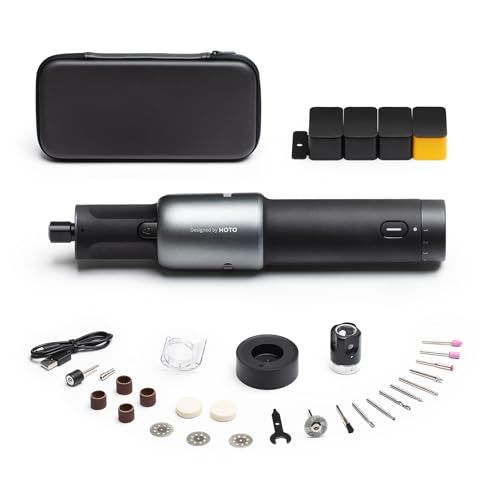
Hoto (short for Home Tools) makes some of the most aesthetically pleasing and user-friendly tools for everyday home improvement, DIY projects, and casual tasks. One of the many interesting offerings from the modern hardware and lifestyle brand is the Hoto Cordless Rotary Toolkit, a lightweight, pen-style multipurpose tool that can be used for various intricate projects. Originally priced at $49.99, it is currently on sale on Amazon for $29.99, saving you $20.

The Hoto cordless rotary toolkit features a powerful five-speed motor with adjustable speeds ranging from 5,000 to 25,000 RPM. According to the company, it is lightweight at just 240 grams and offers a well-balanced design, making it suitable for detailed DIY projects while reducing hand fatigue during extended use. There’s a built-in 2,000 mAh battery that offers up to 50 minutes of continuous work on a full charge. To recharge the battery, plug the charging dock into a power source using the USB Type-C cable, and place the tool on the dock.

cordless rotary toolkit: was $49.99 now $29.99
The compact rotary tool weighs just 240 grams and offers speeds of up to 25,000 RPM, while its 2,000 mAh battery provides up to 50 minutes of continuous use on a full charge.View Deal

The toolkit includes 35 accessories for sanding, polishing, drilling, carving, and cutting, as well as a special pet nail grinding attachment for your furry friends. It supports both 3.2mm and 2.3mm collets, making it compatible with a wide range of rotary tool accessories. There’s even a snap-on dust cover that helps reduce mess and protect your face and eyes during your creative projects. The integrated LED ring light helps illuminate working surfaces and reveal intricate details, which is quite useful if you are working in dim conditions.

The Hoto cordless rotary toolkit is a great option for anyone looking to purchase a compact precision tool for DIY projects, 3D printing, or general home improvement. The 40% discount brings the price down to just $29.99, making it an even more attractive choice for those who don’t want to spend a lot of money.

✇Tomshardware

Get a Wi-Fi 7 mesh network for a discounted $149.99 — TP-Link Deco 7 BE25 offers 5,012 Mbps speeds and coverage for 150 devices

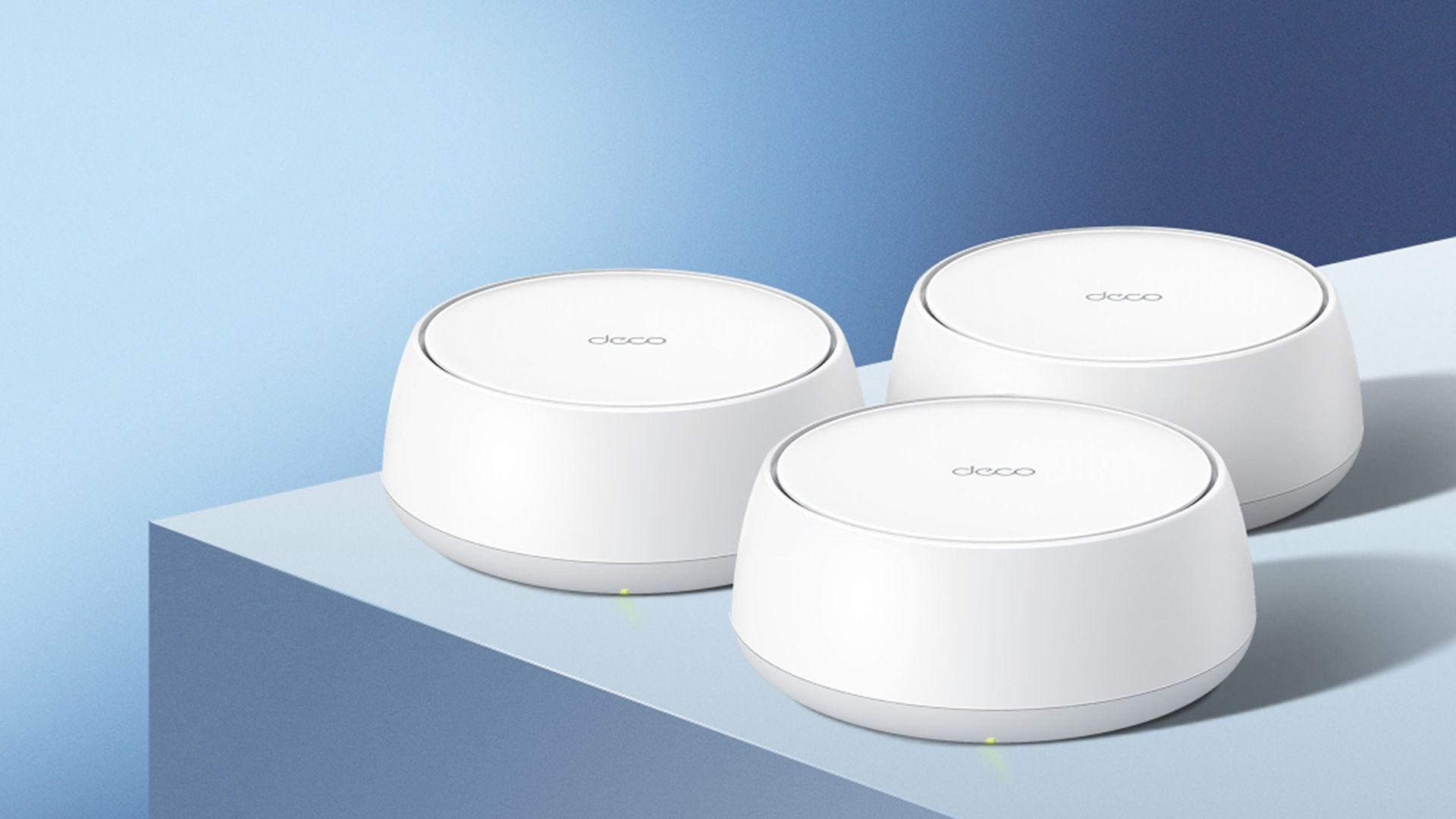
If you're looking to upgrade your home network without spending a fortune, investing in a mesh Wi-Fi 7 system is worth considering. Combining fast wireless speeds with wide-area coverage, it is a practical option for homes with multiple devices, including smartphones, gaming PCs, laptops, smart TVs, and smart home devices. Currently on sale, the TP-Link Deco 7 BE25 BE500 mesh Wi-Fi 7 dual-pack is currently available for $149.99 on Amazon, down from its selling price of $199.99. If you want even wider coverage, the triple pack is also on sale and can be purchased for $198.19, which is over $100 off its listed price of $299.99.

Built around dual-band Wi-Fi 7, the TP-Link Deco 7 BE25 mesh system offers combined speeds of up to 5,012 Mbps. It can reach up to 4,324 Mbps on the 5 GHz band and 688 Mbps on 2.4 GHz, making it suitable for demanding workloads such as 4K streaming, online gaming, and AR/VR applications. Coverage is another major advantage of the mesh system, with the dual-pack offering up to 4,600 square feet, while the triple-pack extends coverage to up to 6,600 square feet. The system can support more than 150 connected devices, and users can expand the network further by adding additional Deco units.

Deco 7 BE25 BE500 mesh Wi-Fi 7 dual-pack: was $199.99 now $149.99
Upgrade to Wi-Fi 7 for $149.99 with TP-Link’s Deco 7 BE5000 dual-pack Wi-Fi 7 mesh system offering coverage of up to 4,600 sq. ft. and up to 5,012 Mbps speeds. View Deal

Deco 7 BE25 BE500 mesh Wi-Fi 7 triple-pack: was $299.99 now $198.19
Save over $100 on TP-Link’s Deco 7 BE5000 triple-pack Wi-Fi 7 mesh system offering excellent coverage of up to 6,600 sq. ft. for large homes. View Deal

The Deco 7 also supports simultaneous wired and wireless backhaul, allowing Wi-Fi 7 and 2.5 Gbps Ethernet connections to work together to distribute traffic between Deco units. This can provide faster and more stable connections throughout the home, particularly when multiple devices are connected at the same time. For security, the Deco 7 supports TP-Link HomeShield, which provides network and IoT protection along with features such as security scans, IoT device identification, basic parental controls, Quality of Service settings, and network activity reports.

At $149.99 for the dual-pack and $198.19 for the triple-pack, the Deco 7 BE5000 is a great option if you're looking to dramatically extend wireless coverage across a larger home. It is also an excellent choice if you want to upgrade to a faster Wi-Fi 7 system for your home or office setup.

✇Tomshardware

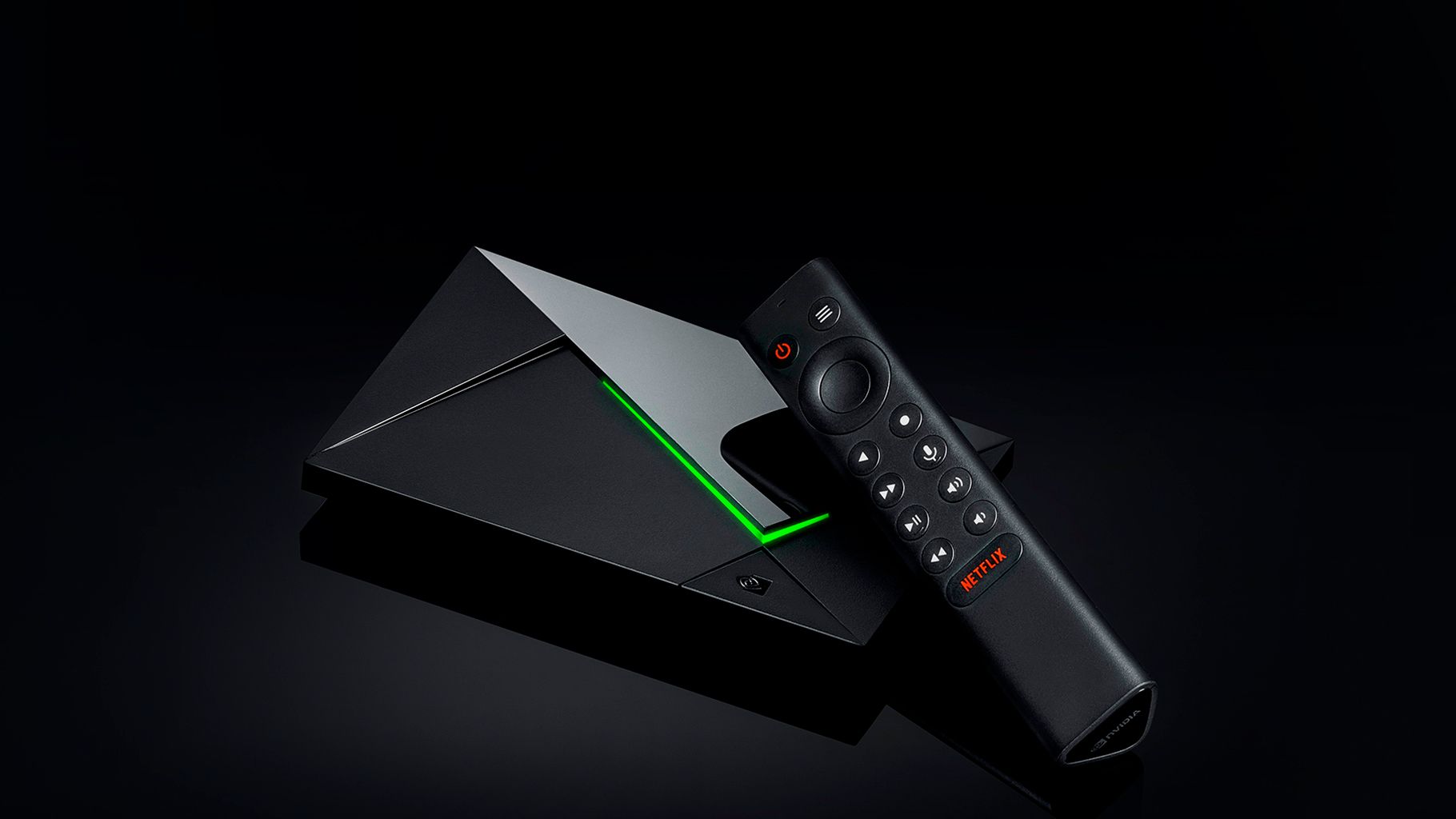
7-year-old Nvidia Shield TV Pro gets shocking 50% price hike driven by AI memory shortage

Nvidia has increased the price of the Shield TV Pro from its original $199.99 launch price to $299.99. This makes the long-running Android TV streaming device $100 more expensive despite receiving no major hardware refresh. The new price is listed on Nvidia’s website, and the company blames rising component costs driven by AI for the increase.

An Nvidia spokesperson told Ars Technica, “Starting October 2, SHIELD Pro will be priced at $299. The cost of components, including memory, has increased substantially across the industry.” The price increase for the Shield TV Pro also comes alongside the discontinuation of the standard Nvidia Shield TV. Nvidia has reportedly stopped producing the base model, leaving the Shield TV Pro as the only Shield-branded streaming device the company offers.

Despite being seven years old, the Shield TV Pro remains somewhat relevant, as it serves as more than a basic TV streaming box. Powered by the company’s Tegra X1+ processor, 3GB of RAM, and 16GB of internal storage, the device includes two USB 3.0 ports, Gigabit Ethernet, and support for external storage drives, making it particularly useful for users with local media libraries and Plex setups.

It also offers support for 4K HDR playback at 60 FPS and a wide range of advanced video technologies including 4K HDR, Dolby Vision HDR/HDR10, and AI-enhanced upscaling. It also supports high-res audio, including Dolby Digital, Dolby Digital Plus, Dolby Atmos, DTS-X surround sound, and a wide range of audio formats.

For gamers, Nvidia’s GeForce Now cloud gaming service and support for Android games give the Shield TV Pro a slight edge over conventional streaming TV boxes. It is also one of the few Android-based TV streaming devices that still receives software updates, despite being on the market for nearly seven years.

With that said, it appears to be increasingly difficult to find, with the device out of stock at most retailers. We spotted a Best Buy listing for the 16GB model at $249.21, about $50 less than Nvidia’s revised pricing. The listing is currently out of stock, so it's unclear whether the lower price is a temporary discount or the retailer’s standard pricing.

✇Tomshardware

Steam hits record $1.7 billion in September 2026 despite soaring PC hardware costs

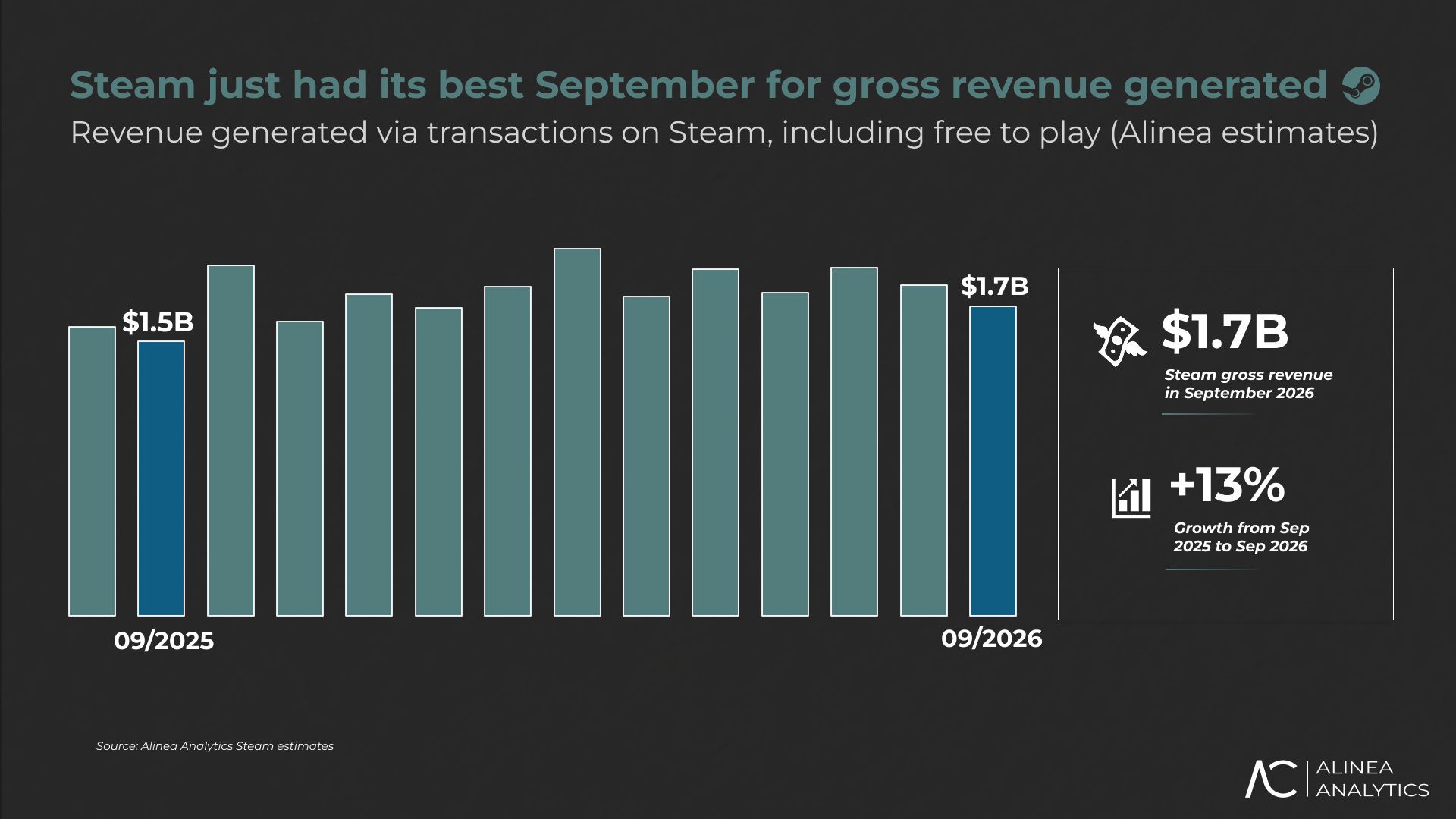
PC gaming continues to see an upward trend despite rising hardware costs, as Steam is estimated to have generated a record $1.7 billion in revenue for September 2026. According to Alinea Analytics, Steam had its best September ever with a 13% jump compared to the previous record set in September 2025. It also had its strongest third quarter on record, generating an estimated $5.5 billion in revenue, an increase of 12% from the same period last year. That brings Steam's estimated revenue for the first nine months of 2026 to $16.5 billion, compared to $14.5 billion during the same period in 2025.

Among the 500 top-grossing games on Steam last month, new IP releases in 2026 generated 20.5% of the revenue, while established IP accounted for 79.5%, including 3.8% from remakes and remasters. Several major releases helped drive revenue during the month, including Wardogs, generating an estimated $86.9 million since its early-access launch on September 10; Onimusha: Way of the Sword at $30.4 million; and The Blood of Dawnwalker bringing in $26.9 million.

Steam's estimated revenue for September 2026

(Image credit: Alinea Analytics)

Free-to-play games also remained an important part of Steam's business, with Counter-Strike 2, Apex Legends, PUBG, and Dota 2 alone generating almost $168 million combined in September, which is nearly 10% of Steam's total estimated monthly revenue.

Steam is also closing in on a new annual record for the number of game releases. As of October 1, Steam has a total of 20,220 game releases in 2026. Another 1,156 titles are currently scheduled to launch in October itself, meaning that if those releases arrive as planned, it would put Steam ahead of the 21,268 games released in 2025.

The numbers suggest that while building a gaming PC might be expensive in 2026, it has yet to translate into a slowdown in PC game spending. With a packed release schedule for the coming months, Alinea estimates that Steam could potentially surpass $20 billion in annual revenue for the first time.

It is also worth mentioning that Steam extends beyond desktop and laptop gaming. Valve's Steam Deck gave the platform a dedicated handheld audience, allowing users to access most of their Steam game library on a portable device. The company has also expanded into living-room gaming with the newly launched Steam Machine. It is additionally working on extending support for Steam OS, its gaming-focused operating system, to more devices.

✇Tomshardware

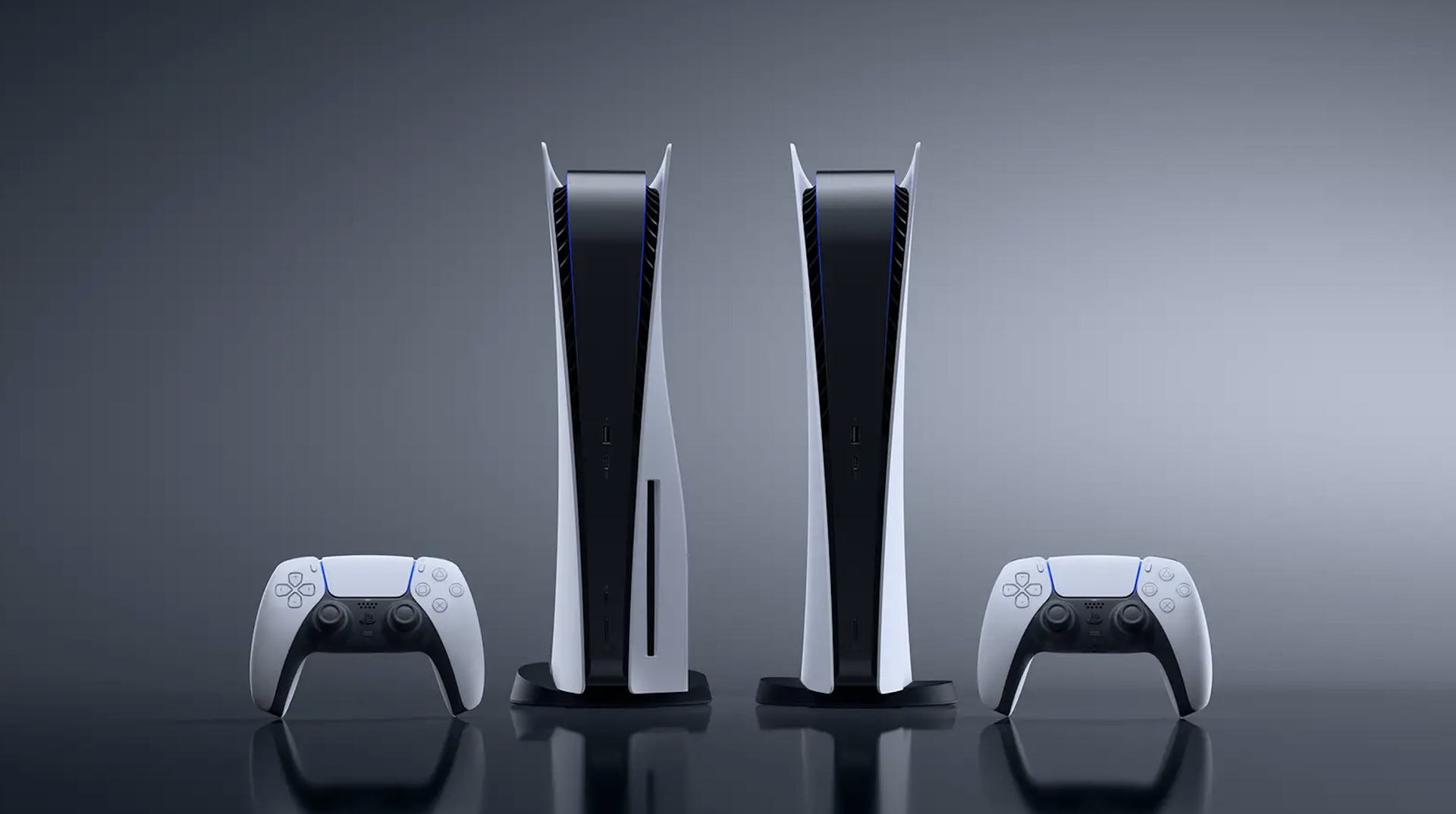
Sony brings AI-powered upscaling to the standard PS5

The PlayStation 5 is getting AI-driven upscaling, giving base console owners access to the technology that was previously available on the more powerful PlayStation 5 Pro. In a blog post, Sony introduced Quick Spectral Super Resolution (QSSR), a new version of its AI upscaling technology for the PS5, with Marvel’s Wolverine and Ghost of Yōtei being the first games to support it.

Sony originally introduced PlayStation Spectral Super Resolution (PSSR) as a highlight feature when it launched the PS5 Pro. The technology uses AI to analyze frames on a pixel-by-pixel basis and reconstruct them at a higher resolution. This helps improve image detail and temporal stability while allowing games to render internally at a lower resolution. However, the computational requirements of PSSR meant that the feature was not available on the standard PS5.

According to Sony, QSSR uses a streamlined neural-network architecture and a hand-tuned implementation intended to maximize performance on the PS5. The company describes it as a new performance tier of AI upscaling rather than a direct replacement for PSSR, which remains the “gold standard” solution on the PS5 Pro.

Sony does not intend to limit the new upscaling tech to its own studios, as the QSSR library will be offered to all PlayStation developers. This will allow more PS5 games to adopt the technology in the future and give developers an option for balancing rendering resolution, performance, and image quality on the aging console hardware.

Jasmin Patry, Lead Rendering Engineer at Sucker Punch Productions, said, “QSSR excels at resolving the fine details in our characters and environments and does so with a level of temporal stability that hasn’t been possible on the PS5 console until now. We’ve long wished that all PS5 players could experience the incredible image quality that PSSR brings to PS5 Pro, and QSSR is a positive step towards that goal!”

With Sony continuing to improve its upscaling technology in collaboration with AMD under Project Amethyst, PS5 owners can expect sharper and more stable visuals in supported games without having to upgrade their hardware. That said, QSSR won't turn the standard PS5 into a PS5 Pro; rather, it can be best described as an important software-level upgrade for the console.

✇Tomshardware

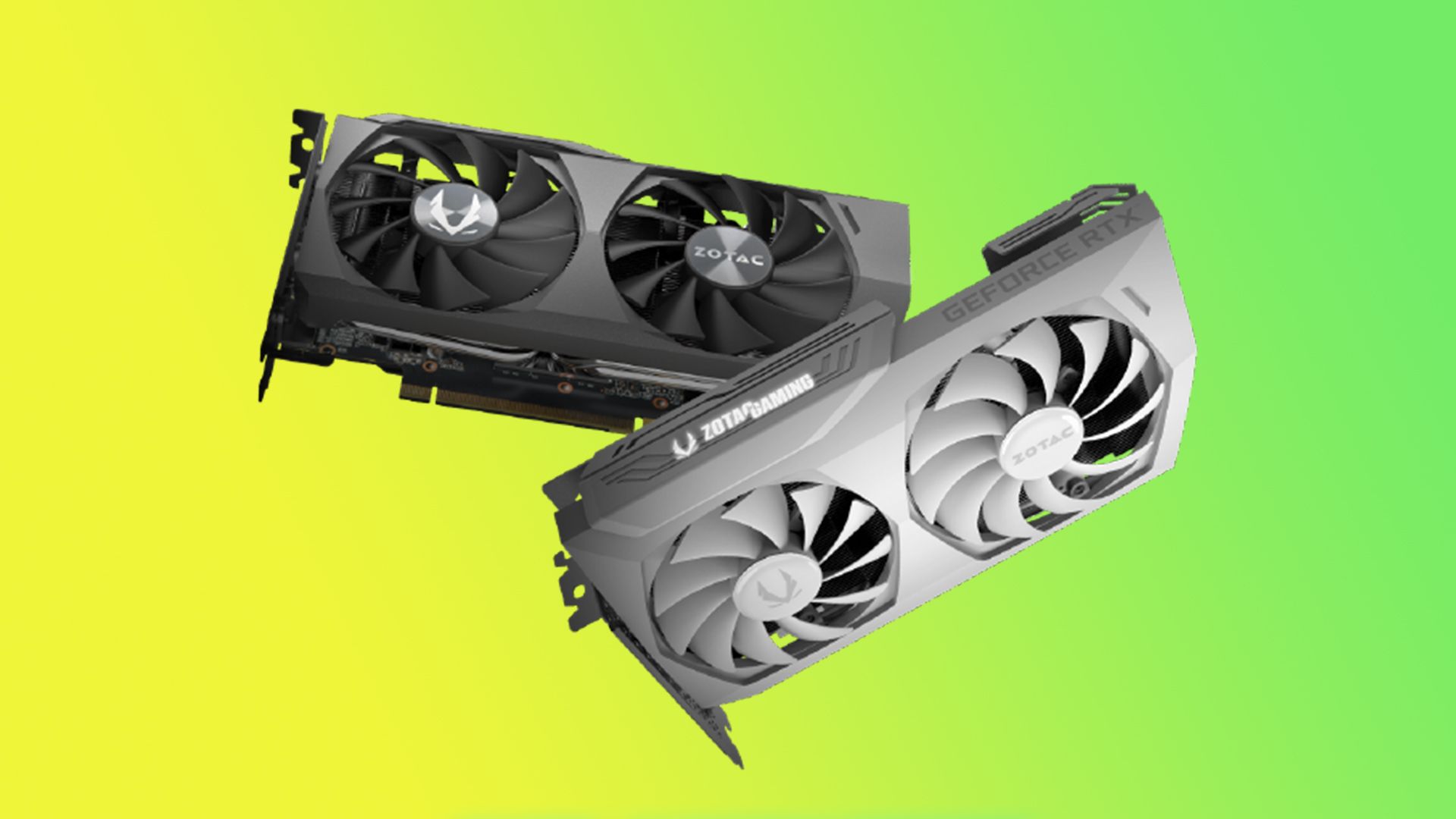
Zotac denies warranty support to RTX 3060 owner in India after just one year despite offering three years of coverage

Edit 10/1/2026 2:30am PT: Zotac has made a post saying that upon further investigation, it's 'possible' that the customer was given a fake invoice by a retailer. We reached out to the company for further clarity. A representative said the situation 'appears' to be the result of a fake invoice, but since the purchase date could not be determined, the firm fell back to using the import date as justification for the rejection. It appears that the import date restriction is still in force for any other warranty claims, but we await further clarification from Zotac. Notably, customers have no means to determine the date a retailer imported a product, which could expose them to potential RMA rejections.

Original report:

A Zotac RTX 3060 owner in India has been denied warranty support, even though their card would still seem to be covered. According to Reddit user u/AbhishekG9, they purchased a Zotac GeForce RTX 3060 Twin Edge from KVR Gaming System in Nehru Place, Delhi, on June 27, 2025. Zotac offers three years of standard warranty in India for RTX 30-series and later cards. That can be extended by two years in exchange for registering the product. The customer received an invoice and registered the graphics card with Zotac, for which an automatically generated registration confirmation was received on July 2, 2025.

However, when the customer reached out to Zotac for warranty support for an unspecified reason, the company reportedly told them that the graphics card was already out of warranty. According to an email from Zotac, the card's serial number showed an import date of April 2023. The company explained that warranty coverage can be determined using the original purchase date or the distributor's import date, and that product registration by itself does not establish warranty coverage.

At least in this instance, Zotac asserts that if one of its products is sold more than two years after it was imported, the company cannot provide extended warranty support. Since the graphics card was purchased by the customer in June 2025, the company advised them to approach the original seller for further assistance.

ZOTAC India warranty experience – Rtx 3060 twin edge bought in June 2025, but warranty denied based on import date
 from r/IndianGaming

The customer argues that the distributor's original import date is not something an ordinary buyer would necessarily know when making a purchase. They also pointed out that they registered the product within days of purchase and received confirmation from Zotac.

Other users on the Reddit thread suggest that Zotac's policy isn't necessarily unreasonable. By tying the start of the warranty period to the date of import, plus an additional buffer period to allow the product to be sold, the policy would seem to prevent retailers from arbitrarily changing the date of sale in their records to make a product that would otherwise be out of warranty appear to be covered. If this particular card sat in retail inventory for an unusually long time (two years, in this instance), it's possible that initial buffer period was exhausted and that the clock began running down on the actual legal warranty period, regardless of the buyer's date of purchase.

But this could all be explained more clearly. If we take a look at the warranty terms and conditions on Zotac India’s website, it indeed mentions that the duration of warranty starts from the product's original date of purchase or the distributor import/invoice date. However, the policy does not explicitly specify a period in which the purchase date is used before the import date can become relevant, and that opaque reasoning appears to be the issue here.

The RTX 3060 owner told Tom’s Hardware that they plan to visit the shop where the graphics card was purchased and ask it to arrange a replacement. They also plan to record the visit as proof and, if the issue remains unresolved, file a complaint with India’s National Consumer Helpline.

This is not the first time Zotac has faced criticism over hair-splitting a warranty claim. Back in December 2025, an RTX 5070 Ti owner’s RMA was denied after Zotac said it had found an “irreversible” crack in the PCB near the PCIe connector. The company attributed the damage to external mechanical stress and suggested that the customer file a claim with the shipping carrier. Zotac later offered to dispose of the graphics card at its facility if the customer did not want it returned.

✇Tomshardware

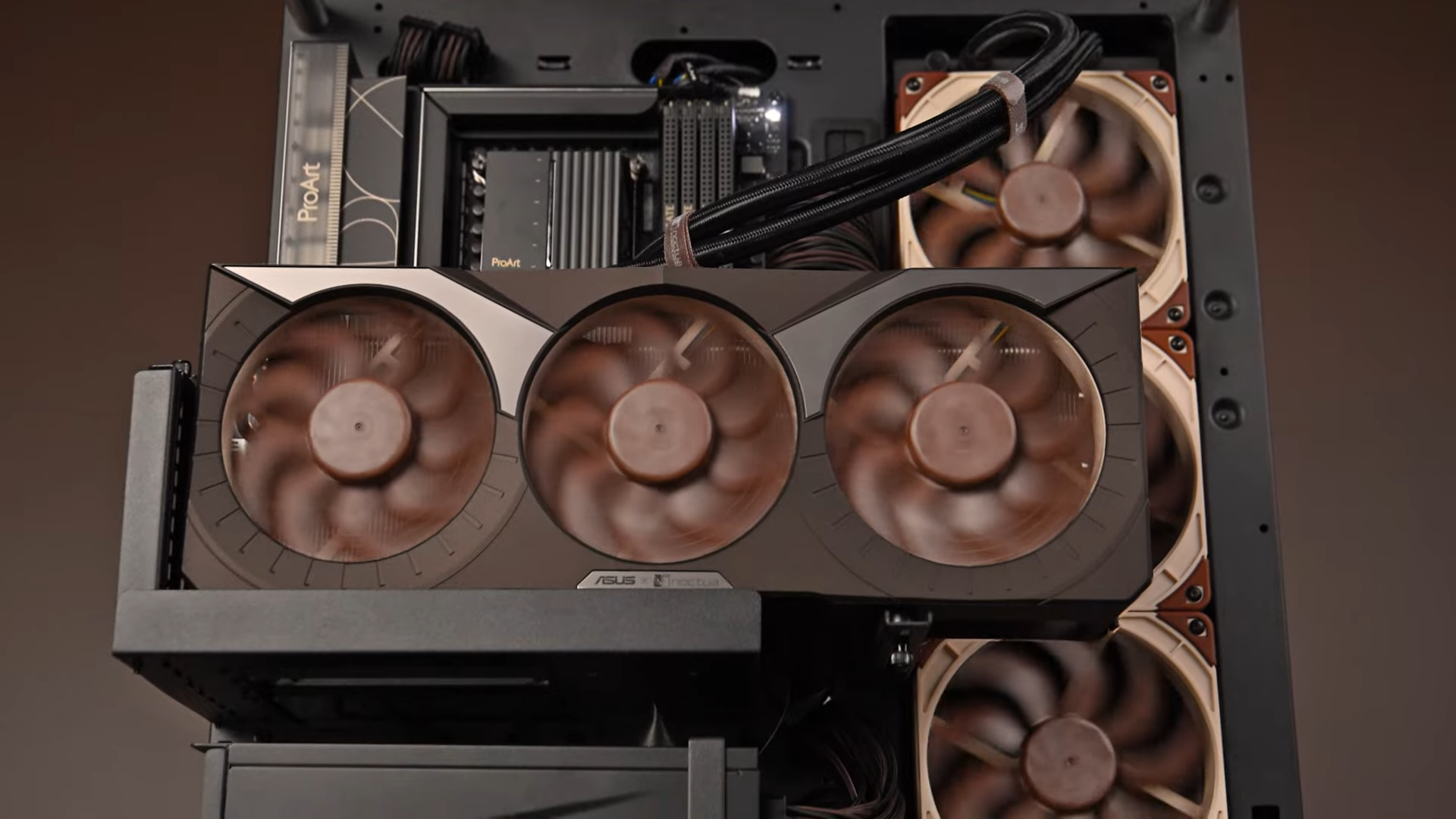
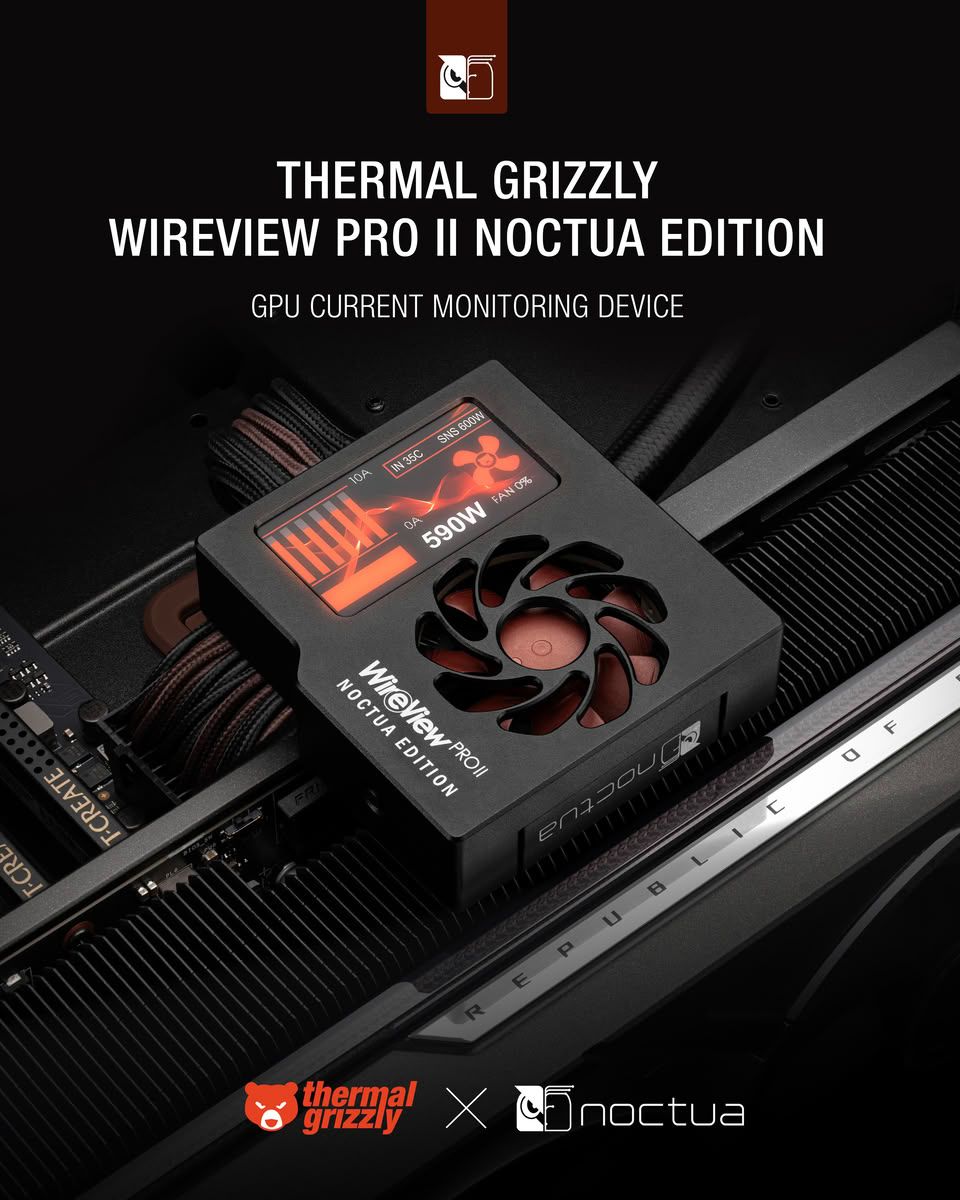
Noctua upgrades Thermal Grizzly's 12V-2x6 power monitor

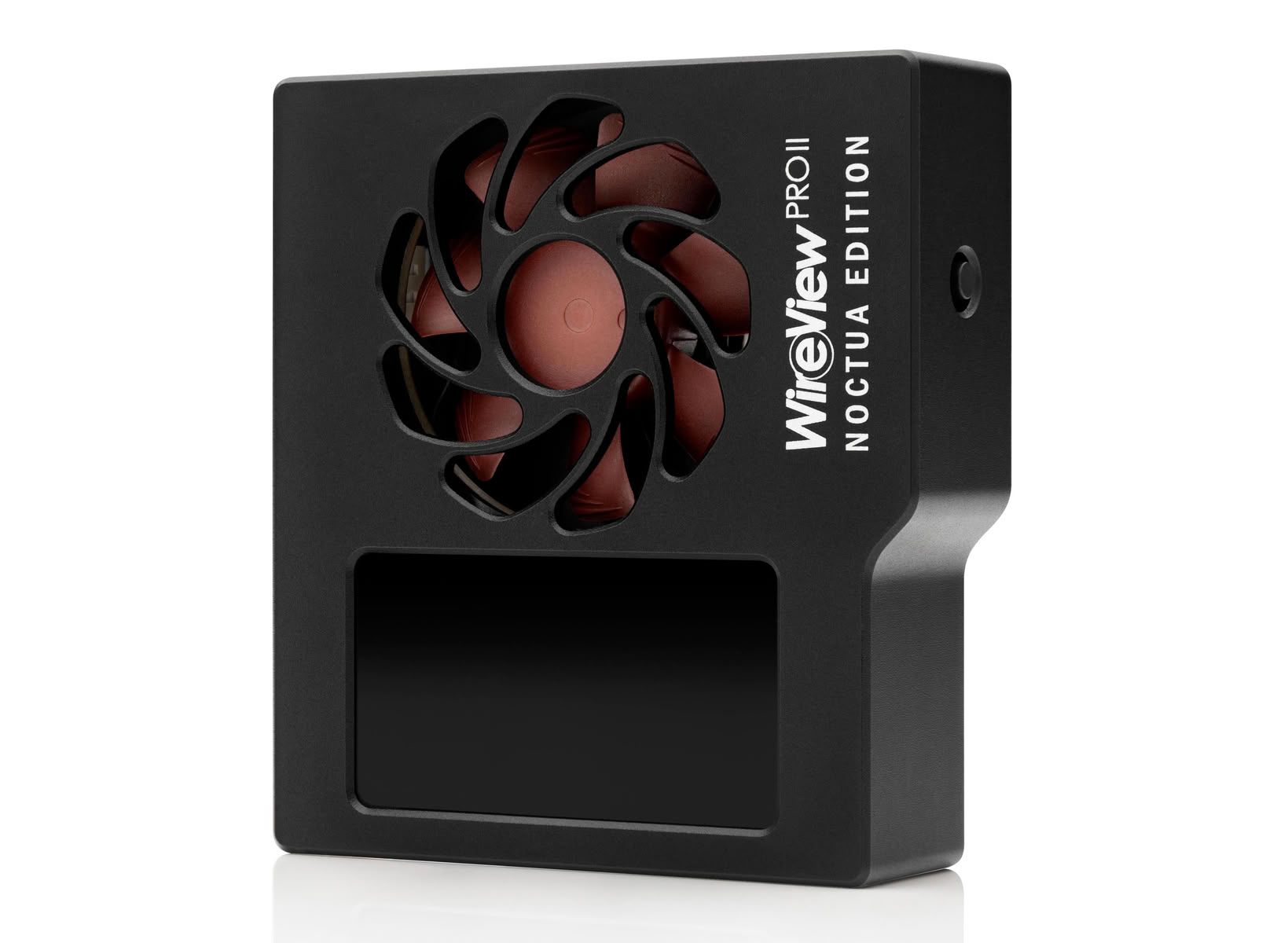
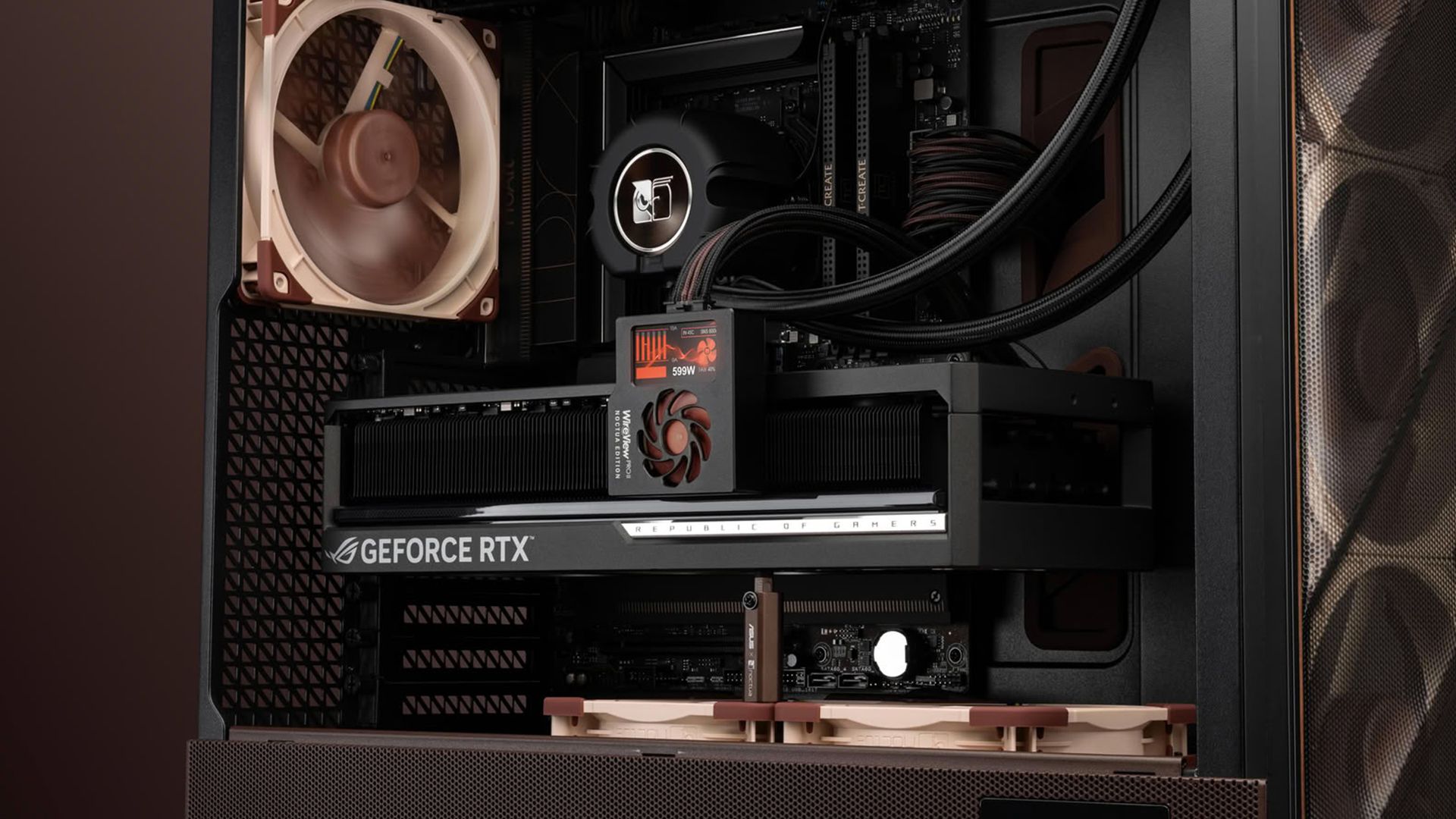
Thermal Grizzly and Noctua have teamed up to release a new version of the WireView Pro II GPU monitoring device. By combining Thermal Grizzly’s power monitoring hardware with Noctua’s expertise in low-noise cooling, the WireView Pro II Noctua Edition aims to offer quieter operation by reducing the noise generated by the device’s cooling fan.

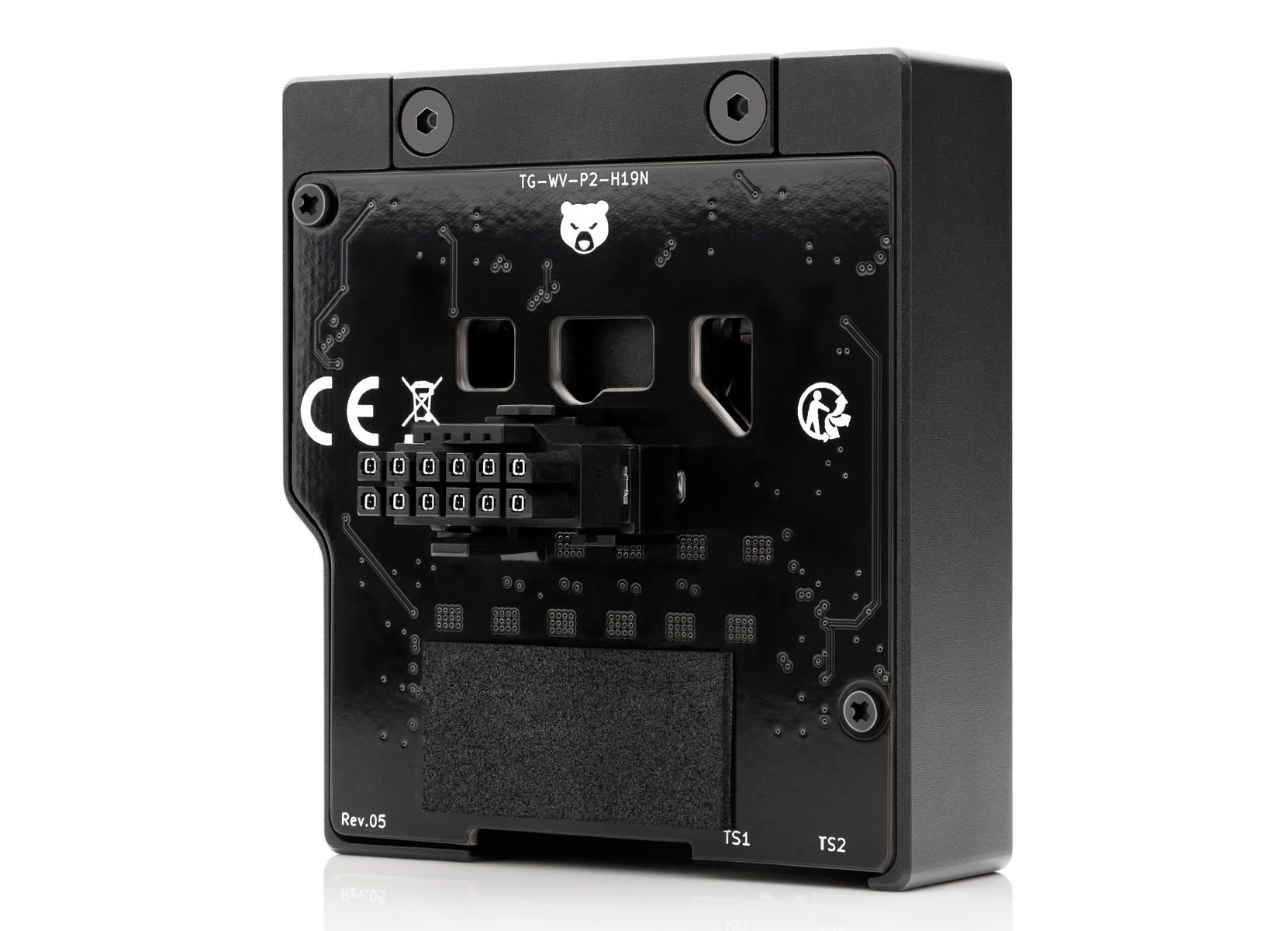
According to Roman Hartung, CEO of Thermal Grizzly, the GPU monitoring device has become a popular choice and has helped many users detect potentially dangerous connector issues with the infamous 12V-2x6 connector before they could cause damage. The WireView Pro II measures current independently on each 12V conductor rather than simply monitoring total power consumption. This allows it to identify unusual current distribution and potential contact issues that could contribute to connector damage. The device can also provide visual and audible warnings when configured limits are exceeded, with an optional automatic shutdown function.

Press images of the Thermal Grizzly WireView Pro II Noctua Edition GPU monitoring device
Thermal Grizzly
Press images of the Thermal Grizzly WireView Pro II Noctua Edition GPU monitoring device
Thermal Grizzly
Press images of the Thermal Grizzly WireView Pro II Noctua Edition GPU monitoring device
Thermal Grizzly

"One of the most common points of feedback, however, was that the fan could still be noticeable in very quiet systems, so working with Noctua on a significantly quieter cooling solution was the logical next step - and, for us, really completes the product," added Hartung. For the Noctua Edition, the standard cooling solution has been replaced with a customized design featuring a Noctua NF-A4x10 fan, an optimized fan grille, and an enlarged CNC-machined aluminum housing. The fan uses semi-passive operation, remaining off for longer periods and only spinning when additional cooling is required.

In a worst-case scenario with the case fans turned off and temperatures above 40°C, it could handle up to a 300W GPU load without turning its fan on. When it does need active cooling, its fan runs under 2,000 RPM compared to 5,000 RPM on the standard mode, which cuts down noise from 39.4dB(A) to just 21.5dB(A) at a 10cm distance. This should make it essentially inaudible alongside the other fans in a very quiet PC.

The WireView Pro II Noctua Edition is available in Normal and Reversed variants to accommodate different 12V-2x6 connector and cable-routing configurations, along with an extended two-year warranty covering the GPU connector. While the press note suggests a retail price of $189.90, it is currently selling at $222.18 on Thermal Grizzly’s official online store.

✇Tomshardware

Modders bring Nvidia’s DLSS 5 Neural Rendering to AMD Radeon GPUs

Nvidia officially rolled out DLSS 5 earlier this month, bringing its new Neural Rendering technology to supported games for RTX 50-series GPU owners. While early testing has shown improvements in image quality and rendering, the technology is very resource-intensive, resulting in significant drops in frame rate. That, however, has not stopped modders from experimenting with DLSS 5 and attempting to bring the technology to AMD Radeon GPUs.

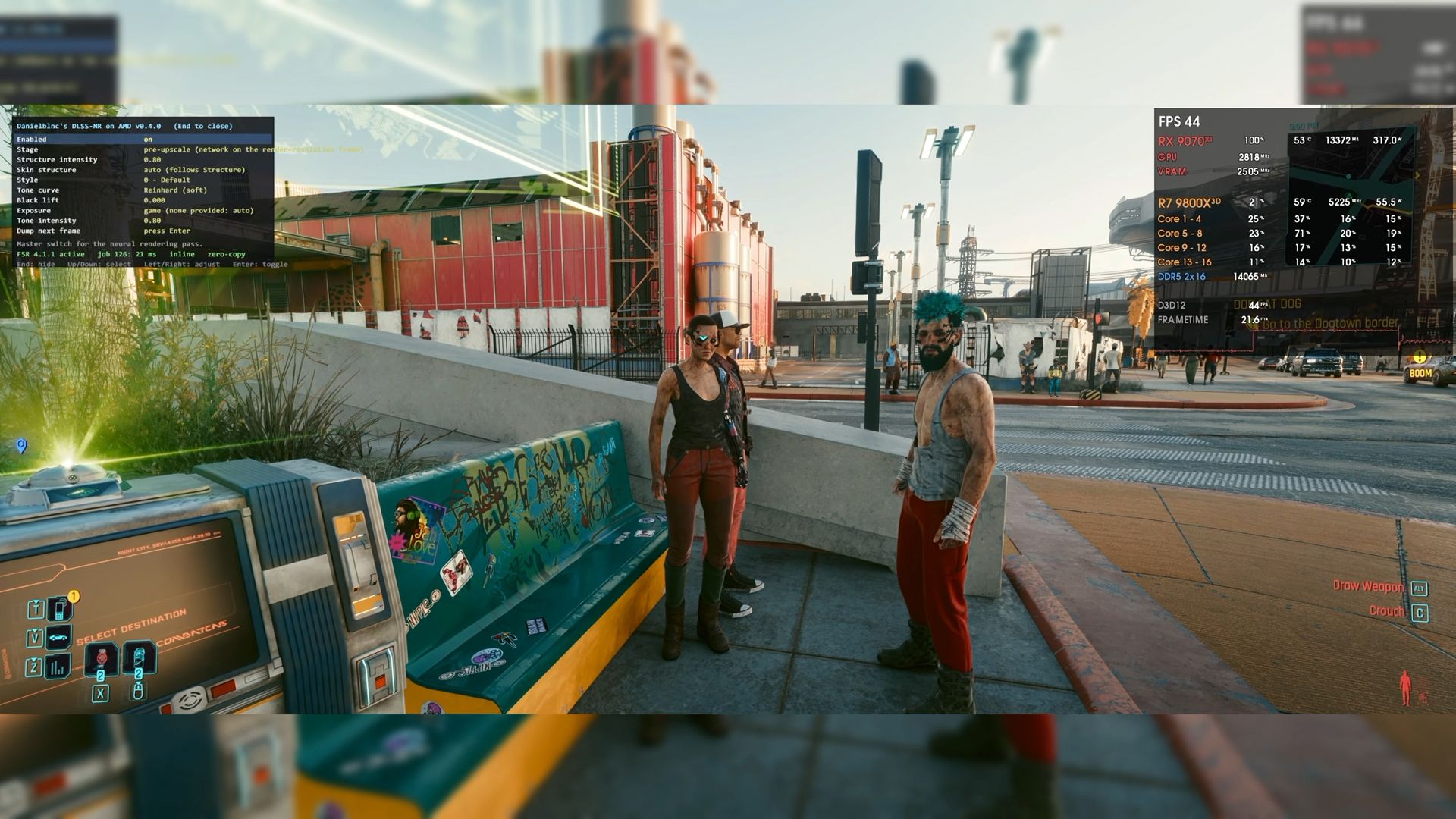
A GitHub project called DLSS-NR-on-AMD, designed to run DLSS 5 Neural Rendering on AMD's Radeon RX 9000 and RX 7000 series GPUs, is already seeing a rapid improvement in performance. It uses a ground-up, full reimplementation of the neural network runtime for AMD GPU architectures. As per the developer, the project currently works with DirectX 12 games that use FSR, with Cyberpunk 2077 and GTA V Enhanced among the tested titles.

Testing done by YouTube channel Ancient Gameplays shows Cyberpunk 2077 running at over 80 FPS on a Radeon RX 9070 XT without DLSS 5 Neural Rendering. Enabling the unofficial implementation, however, caused performance to drop around 11-12 FPS. Not only is that unplayable, but it also highlights just how much optimization was still needed to make the technology practical on AMD hardware.

Development has been rather quick, as an Alpha 0.3.3 version was released with a claimed 23% performance improvement, followed shortly by Alpha 0.4.0, which reportedly added another 42% improvement over version 0.3.3. The changes essentially amount to roughly a 74% performance improvement in just 24 hours. The project has also become easier to install thanks to the AMDNR launcher that can automate much of the setup process, meaning that users no longer need to manually copy and replace DLL files for each game. The launcher also supports different runtimes and provides additional options through the OptiScaler interface.

Ancient Gameplays tested the latest Alpha 0.4.0 build in Cyberpunk 2077 at 3440 x 1440 resolution and found the Radeon GPU reaching around 50 FPS. That is a substantial improvement over the roughly 30 FPS achieved with the earlier build, although it remains well below the performance of the game without Neural Rendering enabled.

There is still a long way to go before DLSS 5 on AMD hardware can be considered a practical alternative to native implementation. The project remains in alpha, which means performance and compatibility can vary considerably depending on the game and GPU. That said, the developer has informed Ancient Gameplays that they are working on another major update, which should bring a substantial performance boost on Radeon GPUs.

✇Tomshardware

Grab this 14-inch compact gaming laptop powerhouse for $1000 off

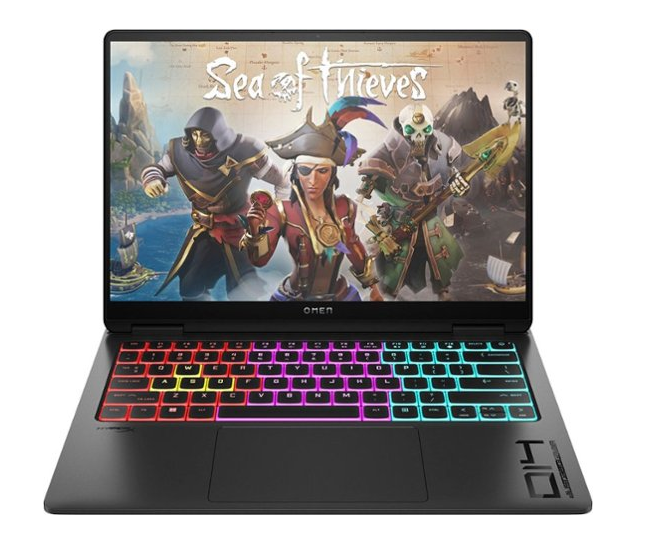
As the memory crisis continues to push up component prices, laptop prices are also rising, making even mainstream models increasingly expensive. However, if you are looking for the right combination of portability and performance, the HP Omen Transcend 14 is currently on sale. The 14-inch powerhouse is available at $1999.99 for a limited period, down from its listed price of $2999.99 at Best Buy, which is a massive saving of $1000.

The HP Omen Transcend 14 is one of the rare compact gaming laptops packing a powerful set of hardware. This particular configuration comes with Intel’s Core Ultra 9 285H processor, paired with 32GB of LPDDR5x memory and an Nvidia RTX 5070 Laptop GPU with 8GB of GDDR7 VRAM. For storage, there is a 1TB PCIe Gen 4 NVMe SSD, while the laptop ships with Windows 11 Home. The combination should make it capable of handling modern games as well as demanding workloads such as video editing and other content-creation tasks.

The HP Omen Transcend 14 is a premium gaming laptop offering high-end performance in a compact 14-inch chassis. The laptop comes with Intel’s top-tier Core Ultra 9 285H processor with 32GB of LPDDR5x memory and an Nvidia RTX 5070 Laptop GPU. View Deal

A highlight feature of the laptop is the 14-inch 3K OLED display, which has a 2880 x 1800 resolution and a 120 Hz refresh rate. The panel supports a 48-120Hz variable refresh rate, covers 100% of the DCI-P3 color gamut, and offers up to 500 nits of HDR brightness, making it suitable for both gaming and content creation.

Despite packing high-end hardware, the Transcend 14 remains relatively portable, measuring around 0.7 inches thick and weighing about 3.6 pounds. In terms of ports, it comes with Thunderbolt 4, USB-C with DisplayPort and power delivery, HDMI 2.1, and a USB-A port. The laptop also comes with a four-zone RGB backlit keyboard, while the 71 Wh battery is claimed to last up to 14 hours on a full charge.

Considering the premium hardware and compact footprint, the HP Omen Transcend 14 at $1,999.99 is a deal worth considering. The $1,000 discount from its $2,999.99 listed price makes it a considerably more affordable proposition. However, you’ll need to move fast, as the deal price is only available for a few hours.

✇Tomshardware

Counterfeit vinyl record maker sentenced to three years in the slammer after making $3.5 million

With physical media making a comeback, a man in the UK has been sentenced to three years and six months in prison for manufacturing and selling counterfeit vinyl records. Rehan Ahmed, from Southall in west London, was reportedly running a “highly organised, unlicensed operation” since 2017 that produced thousands of fake records featuring music from popular artists including The Beatles, Taylor Swift, Coldplay, and Kendrick Lamar. The operation is estimated to have generated nearly £2.7 million ($3.5 million) in revenue.

Ahmed’s counterfeit business, ‘Phoenix of Vinyl ’, came on the radar in 2024 after a representative from the British Phonographic Industry (BPI) made a test purchase and found evidence of counterfeiting. The City of London Police raided the premises soon after and uncovered the largest stock of fake vinyl ever found in the UK, with 2,791 records by 108 different artists. In addition to the records, police officers also found four vinyl presses roughly 70 years old, along with 3,000 metal stampers, and thousands of sleeves and center labels.

A separate report by The Guardian suggests that the BPI has been involved in 43 search warrants over the past two years targeting counterfeit vinyl and CDs. They have seized around 600,000 items with an estimated value of up to £8 million ($10.7 million).

"With music on physical formats enjoying a resurgence, the market in counterfeit records has unfortunately also been growing as criminals cash in at the expense of creators and fans. This doesn't just impact the legal music economy and everyone that works and invests in it - it also affects every one of us as citizens who fall victim to other forms of criminality that it funds," said Peter Ratcliffe, director of content protection at BPI.

According to a report published by the BPI, vinyl sales in the UK have grown substantially, with 7.6 million records sold in 2025. That’s a 13.3% year-over-year increase, marking the format’s 18th consecutive year of growth. Vinyl revenue also rose 19.9% year-over-year to £174.7 million ($234 million), with the BPI reporting in March that it was the format’s highest annual revenue in more than three decades.

✇Tomshardware

Open-source AnyPS5 dumps emulation to run PlayStation 5 console games natively on PC

PlayStation 5 emulation has witnessed massive growth ever since Sony confirmed its plans to end PC ports for its first-party, narrative-driven single-player games. The latest name joining the list is the open source project AnyPS5, which is claimed to run PS5 games natively on PC without requiring any emulation. The official GitHub page describes it as a tool for automatically porting executables to Linux and Windows.

Since the PS5 is powered by AMD’s Zen 2 hardware, it uses the x86-64 architecture, thus allowing AnyPS5 to work as a compatibility translation layer somewhat similar to Proton or Wine. It takes the original PS5 executable files and converts them into Windows and Linux formats, while the shaders are recompiled into SPIR-V for Vulkan. By avoiding emulation altogether, AnyPS5 can potentially eliminate some of the computational overhead, resulting in a smoother experience.

That said, development is still in the early stages, with test builds reportedly managing to boot select games as far as the main menu, with some even reaching gameplay with audio. However, the tool still requires a lot of work, particularly when it comes to system libraries and proprietary APIs unique to the PlayStation 5’s operating system. While the project is currently active on GitHub, a working public build is yet to be released.

PS5 emulation is still far from being practical, but if you are interested or have been following the topic, make sure to check out KytyPS5, one of the most prominent and popular PlayStation 5 emulators in active development. It recently managed to run the PS5 version of Grand Theft Auto V as high as 40 to 60 FPS using high-end PC hardware. Unfortunately, this one is also in an early experimental phase and is not stable enough to maintain playable frame rates.

There is also SharpEmu, which focuses on accuracy and the underlying infrastructure needed to improve compatibility with PS5 games. The project has managed to successfully run Astro’s Playroom on a Steam Deck and was shown booting on the handheld at around 0.5 to 1 FPS. The game remains unplayable at those frame rates and does not progress beyond the introductory sequence, but getting PS5 emulation to run on the Steam Deck represents a major step forward for the project.

✇Tomshardware

Noctua explores 2,000W micro-channel air cooling

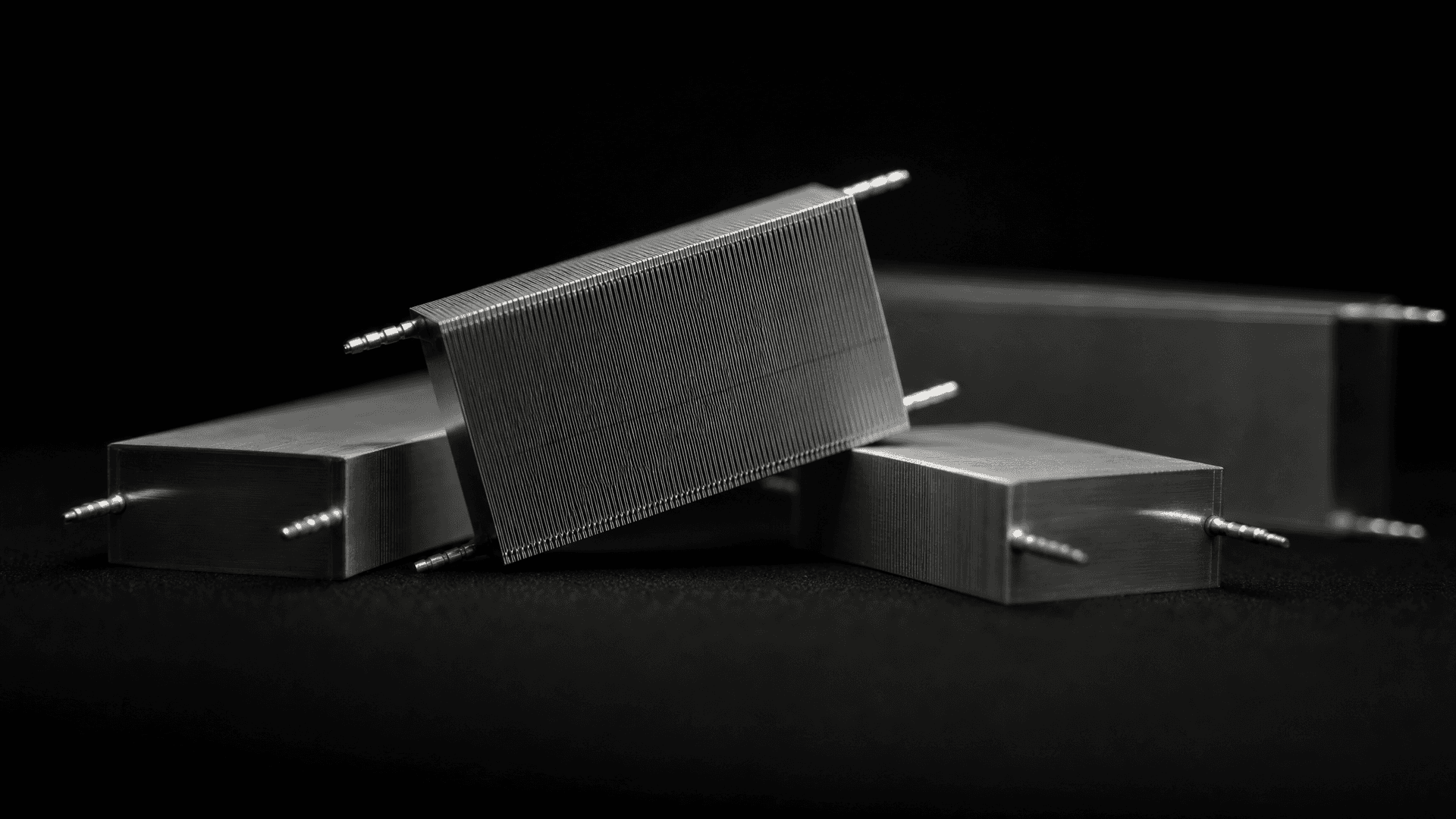
Noctua is teaming up with Forced Physics DCT to explore whether the company’s JouleForce micro-channel array-based cooling can be adapted for desktop PCs and workstations. The long–term partnership will focus on developing a quieter way to use the tech, although Noctua said in its announcement that the partnership is not tied to any specific product or release date.

Claimed to be a new third path to cooling, JouleForce goes beyond traditional air and liquid cooling methods. While it is still based on air-cooling, its capabilities far exceed today’s modern CPU coolers, with the ability to cool over 2000W of thermal energy. The technology uses densely packed micro-channels designed to improve heat transfer. According to Forced Physics, its geometry prevents the boundary layer that normally forms along cooling surfaces, allowing heat to be extracted along the entire length of each channel. This essentially enables large amounts of heat to be removed using air alone, without requiring a liquid-cooling loop.

While that sounds impressive, bringing the technology to desktop PCs comes with a major challenge. The micro-channel arrays currently have a pressure drop that is “an order of magnitude and more” above the range of conventional PC fans. Thus, in its current state, JouleForce relies on industrial blowers, high-speed centrifugal fans, or even vacuum pumps to push air through the arrays.

Noctua’s expertise could prove useful as the company is known for developing some of the best performing PC fans. The partnership will investigate ways to reduce the pressure required by the micro-channel arrays or generate the necessary static pressure without making desktop systems excessively loud. “The pressure levels this technology requires in today’s implementations are currently supplied by equipment nobody would want on or under their desk, so this is a demanding, long-term engineering task – and one that we are eager to tackle,” said Roland Mossig, CEO at Noctua.

For now, Noctua and Forced Physics are still in the early research stage, with both companies planning to share updates as the project reaches significant milestones. If the two companies can crack the airflow and acoustic challenges, JouleForce could eventually make its way to desktop PCs. At the same time, Noctua would have a serious advantage in the market compared to other heatsink manufacturers.

✇Tomshardware

Logitech refreshes legendary Blue Yeti microphone with 3D voice tracking and AI denoising

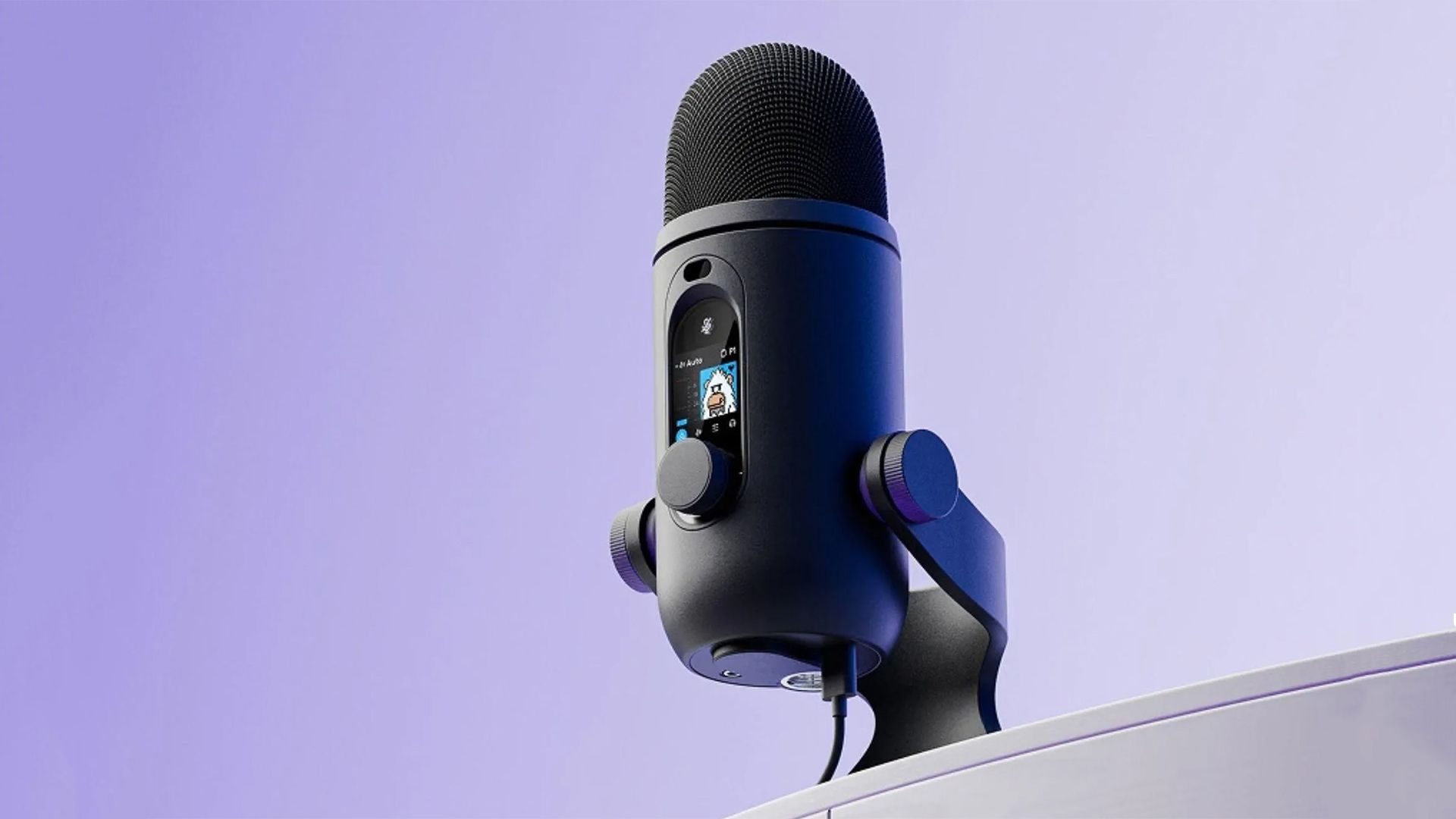
The Blue Yeti launched back in 2009 and went on to become one of the most popular USB microphones for creators, podcasters, and streamers. Now, eight years after acquiring Blue Microphones, Logitech is finally launching its successor. The new Yeti 2 arrives as a more modern version with a cleaner design and features a 3D proximity sensor, AI-based noise reduction, and even a built-in display. Unlike the original Yeti, however, it will be available in only two colors — Black and White — at a starting price of $159.99.

Logitech says the proximity sensor on the Yeti 2 is capable of tracking audio in 3D and can automatically adjust various settings in real time, including gain, equalizer, and pickup patterns. As for the AI denoiser, it can actively filter out unwanted background noise such as keyboard clacks, mouse clicks, and fan noise to ensure crystal-clear audio.

The Logitech Yeti 2 USB microphone in white

(Image credit: Logitech)

The Yeti 2 also retains the USB connectivity that helped make the original microphone popular, while adding several features aimed at making it easier to adjust settings on the fly. The integrated 1.3-inch colored LED display features an easy-to-use interface with an 8-bit Yeti mascot that provides quick information and helpful tips. It also allows you to tweak settings or switch between presets using the dial, without having to rely on dedicated software. Alternatively, the mic offers direct integration with Logitech’s G Hub software for deeper settings control, community-powered Blue VO!CE profiles, and custom avatar uploads.

In addition to its latest microphone, Logitech also announced some gaming-focused products under its G Pro series. The new gaming lineup includes the Pro X3 Superstrike mouse, Pro X Control mousepad, Pro X2 Rapid keyboard, and Pro X3 Lightspeed headset, all designed with input from professional esports athletes.

The Pro X3 Superstrike uses Logitech’s proprietary HITS technology and is claimed to deliver 50% improved power efficiency in a lightweight design. The Pro X Control mousepad measures 400 x 460 mm and features a knitted cloth surface, 6 mm foam cushioning, stitched edges, and a high-friction base for stability. The Pro X2 Rapid keyboard comes with magnetic switches, Rapid Trigger, Key Priority, and an OLED display that allows users to make quick adjustments. Finally, the Pro X3 Lightspeed headset features a 48 kHz microphone, customizable EQ, and extended battery life aimed at long competitive gaming sessions.

❌