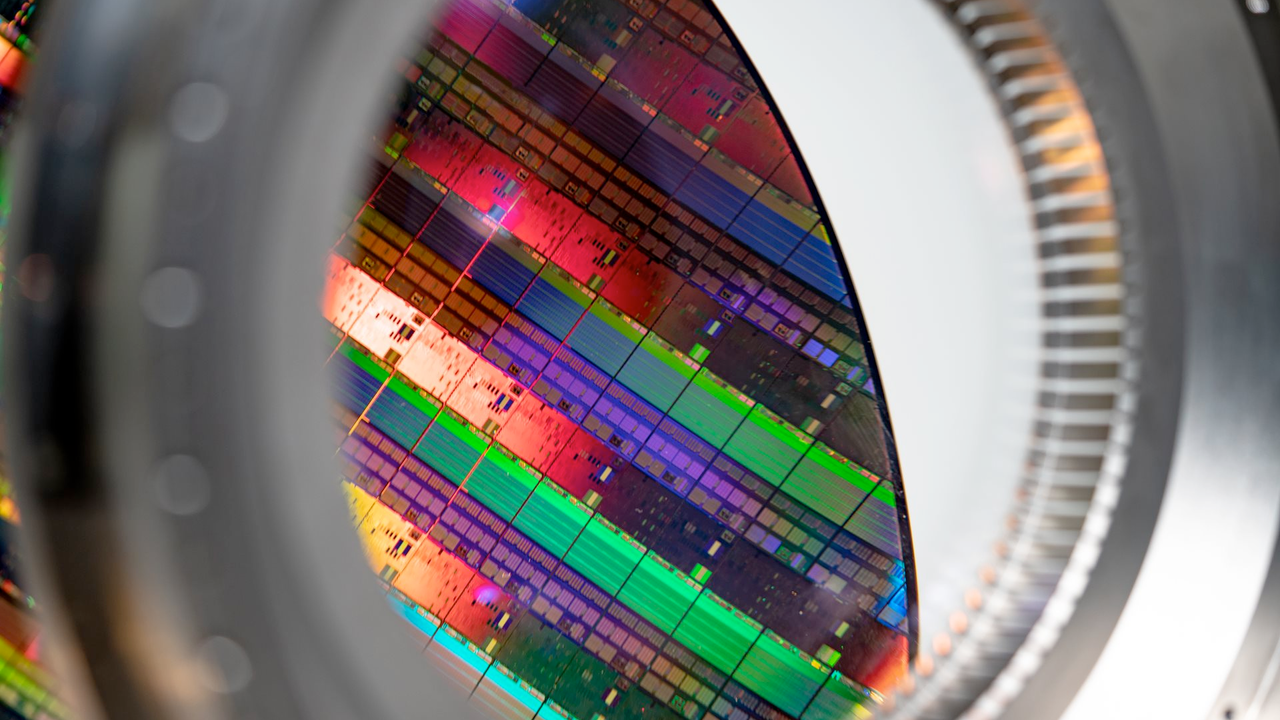
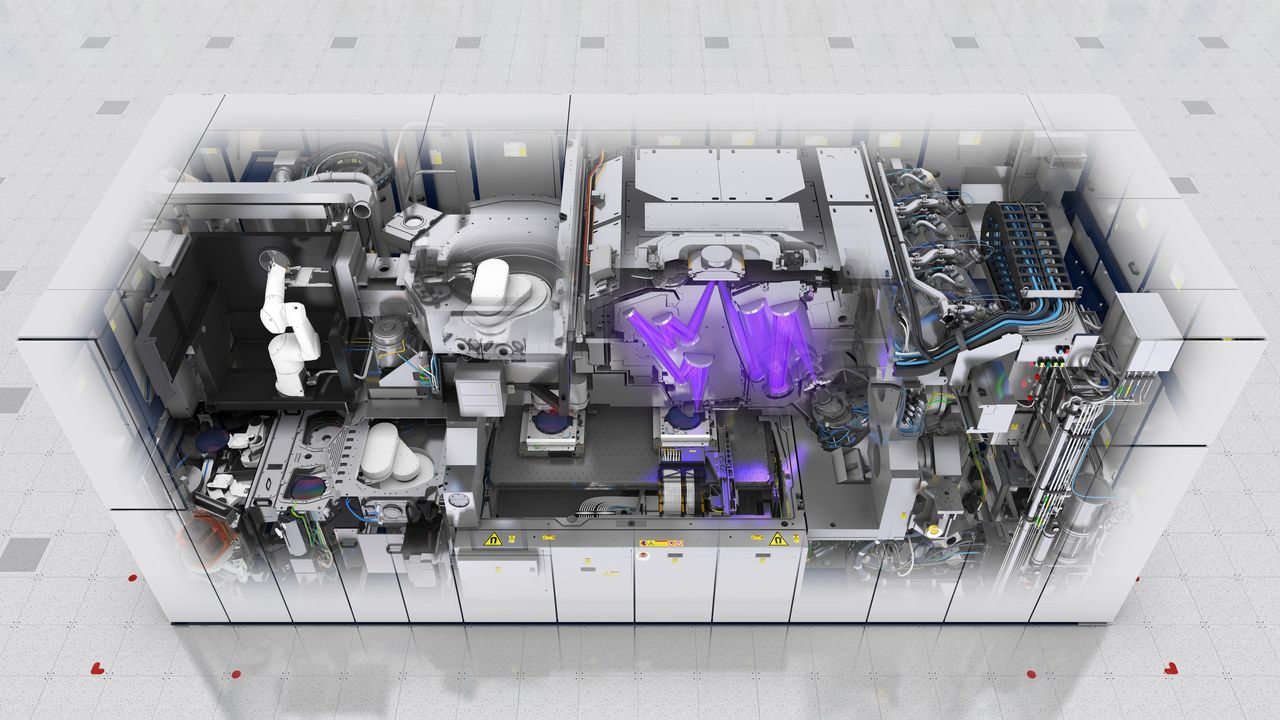
China's most senior semiconductor executives issued a public call this week for a consolidated national effort to build a domestic alternative to Dutch lithography giant ASML.
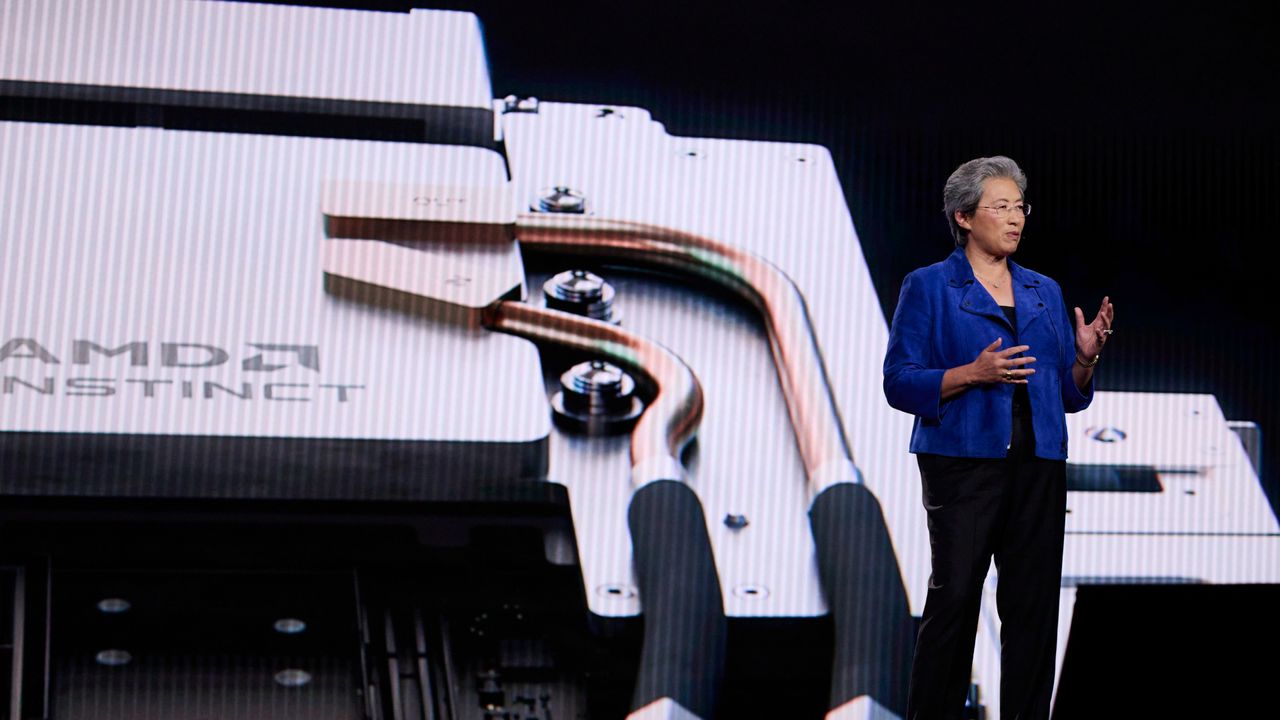
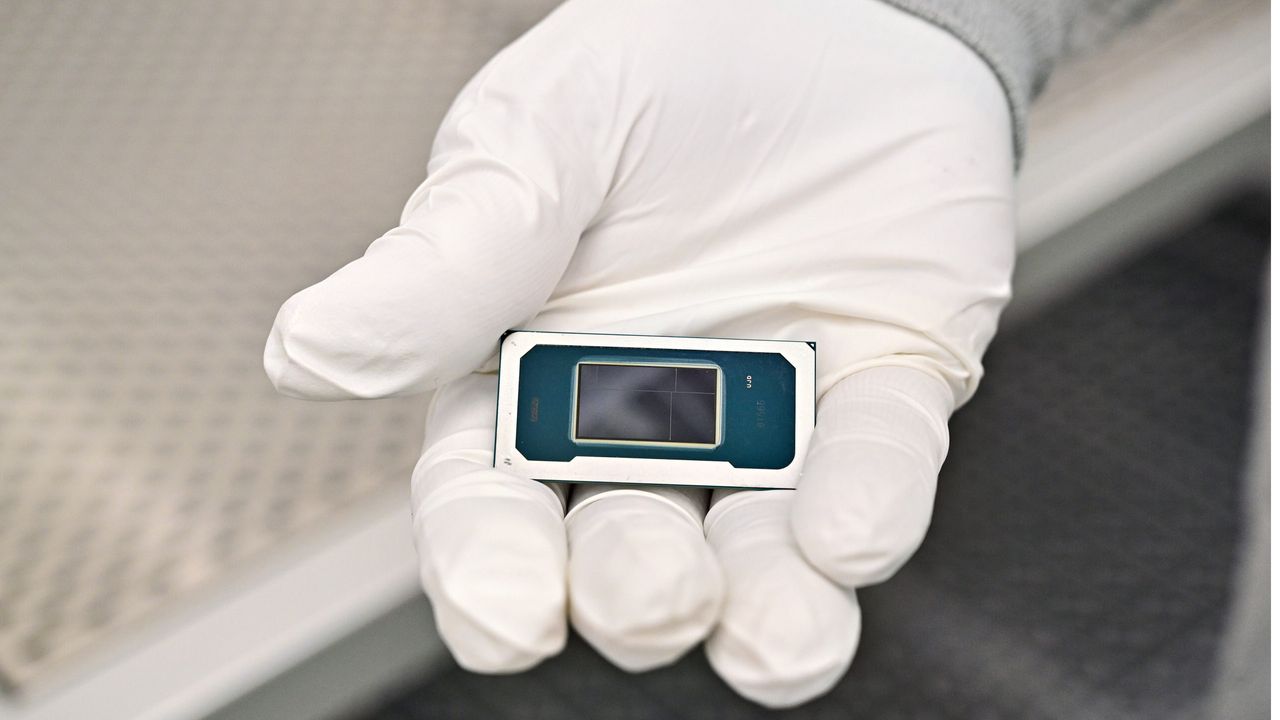
Taking to the stage at ISSCC, AMD’s Ramasamy Adaikkalavan talked through how AMD managed to fit nearly double the compute throughput into the same die area as its predecessor,
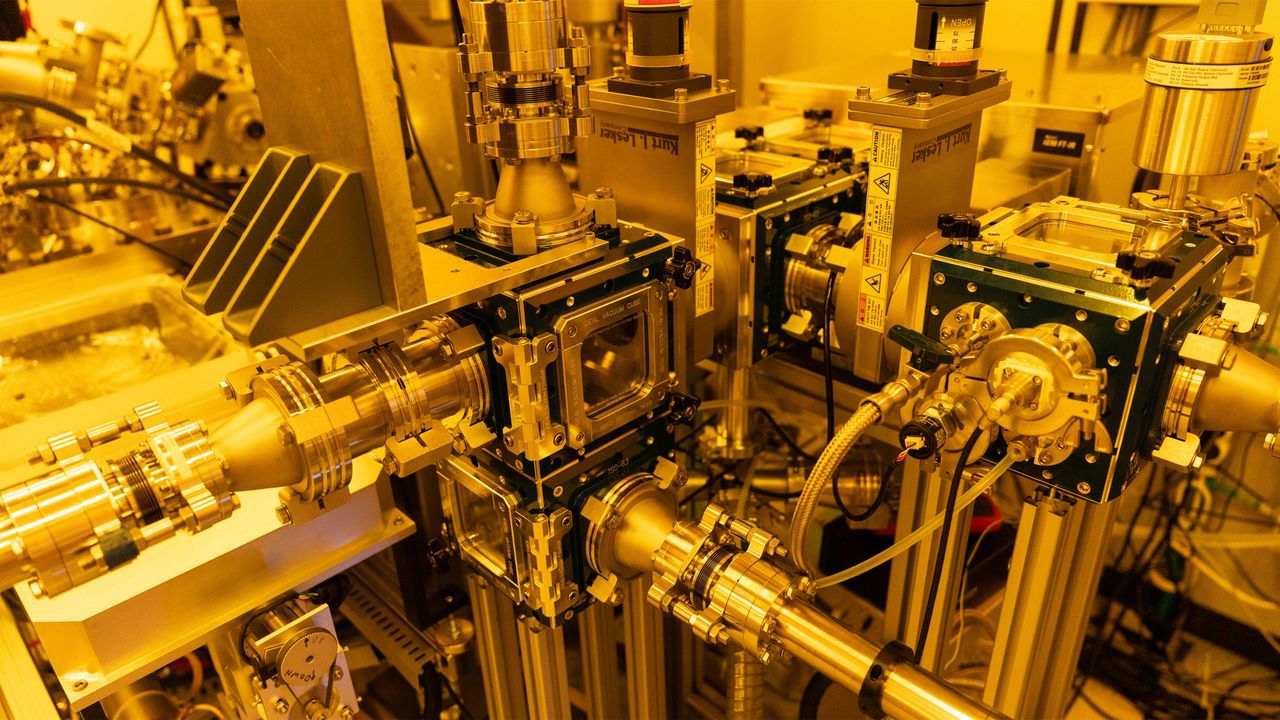
Increased oxygen concentration during the EUV lithography post-exposure bake step can increase photoresist performance by 15% - 20%, according to Imec's findings.
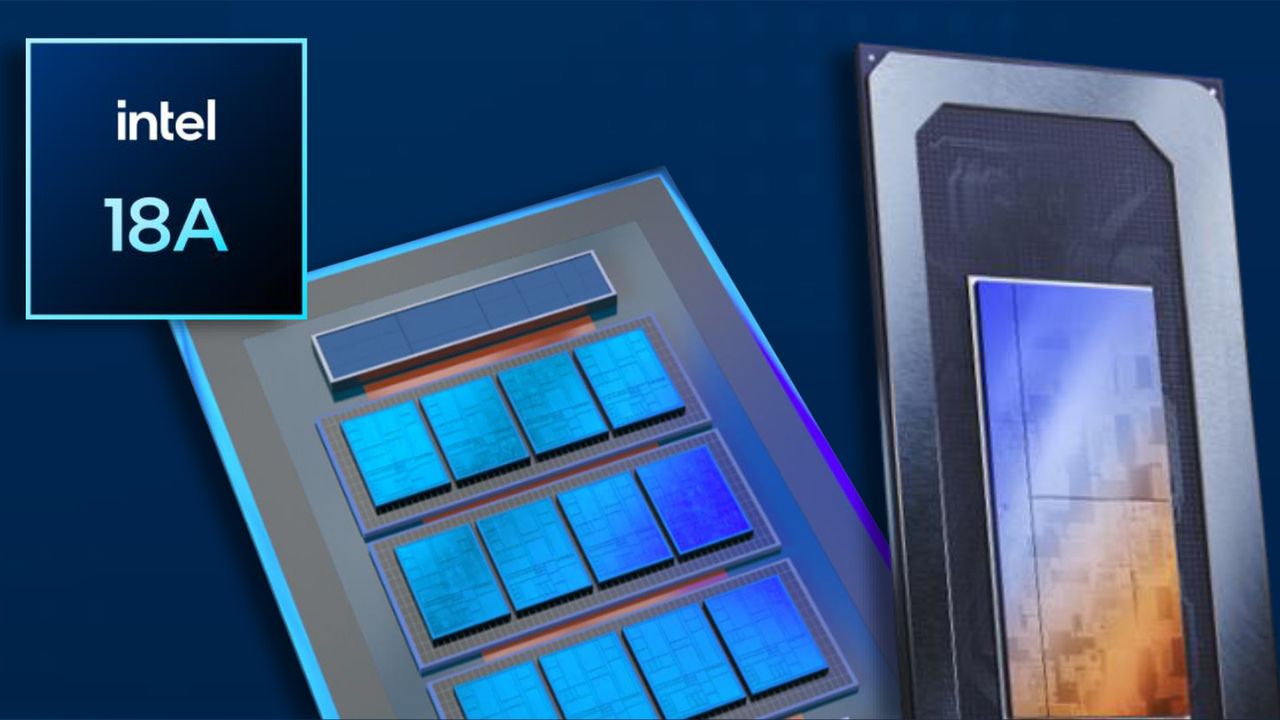
Naga Chandrasekaran promoted to Chief Technology and Operations Officer as well as the general manager of Intel Foundry responsible for development of advanced process technologies and day-to-day operations.
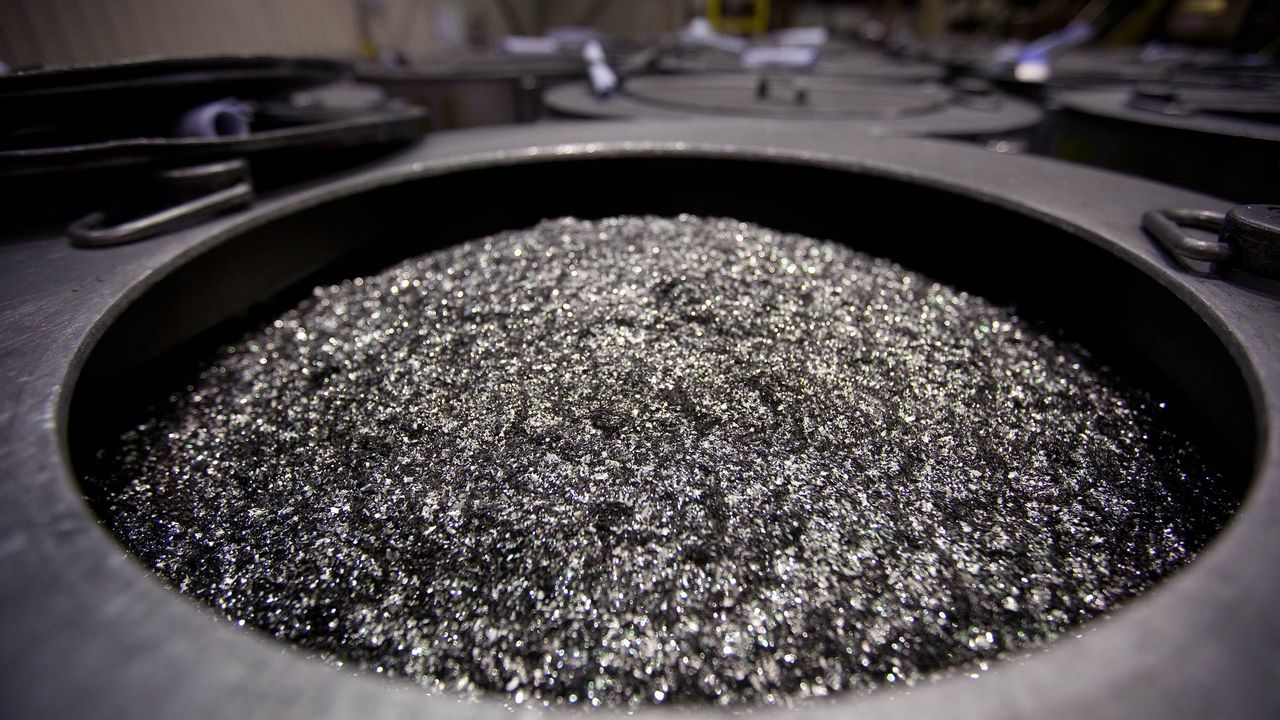
Sources told Reuters that some U.S. chipmaking firms are running low on scandium — a crucial rare earth material for making 5G chips — as they suffer delays from acquiring export licenses from Beijing.
A new investigative report from The New York Times reveals that, in July 2023, senior US intelligence officials privately briefed some of the tech industry's most powerful executives on classified assessments regarding China and Taiwan.
ASML to use a new CO2 laser system and tin droplet generator to increase EUV light source performance to 1000W and lithography tool productivity to 330 wafers per hour in 2030 and beyond.
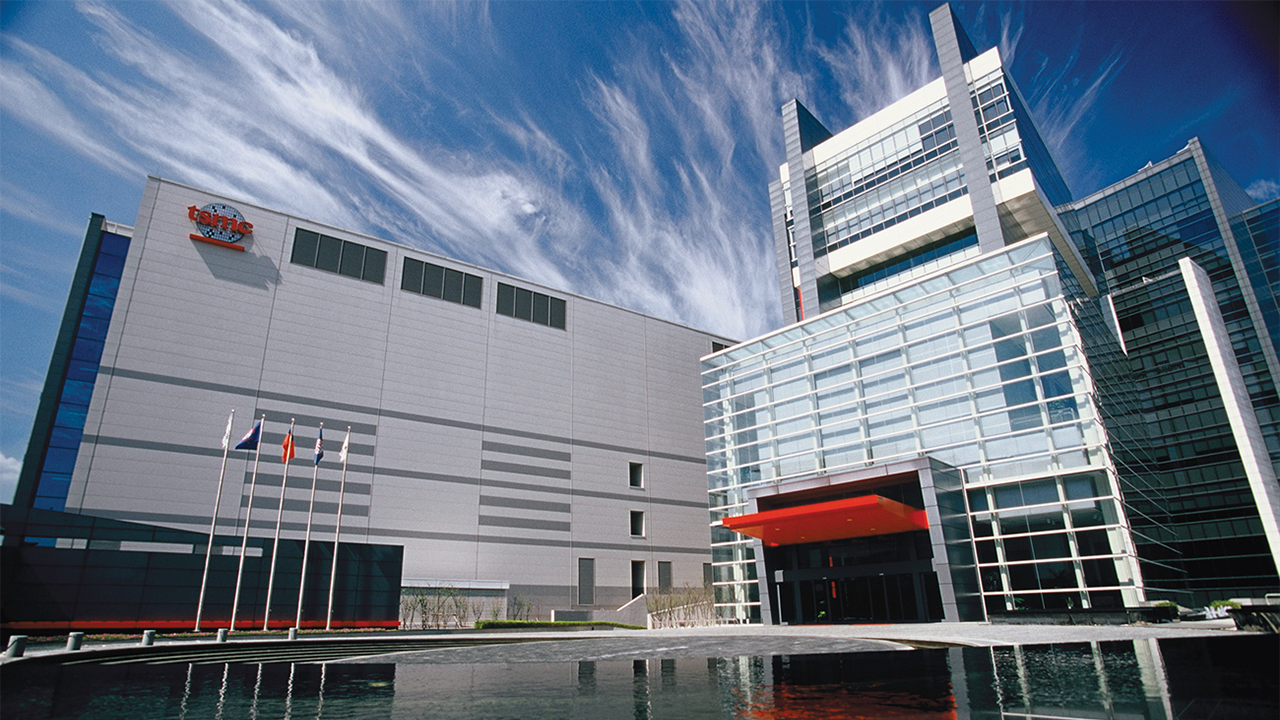
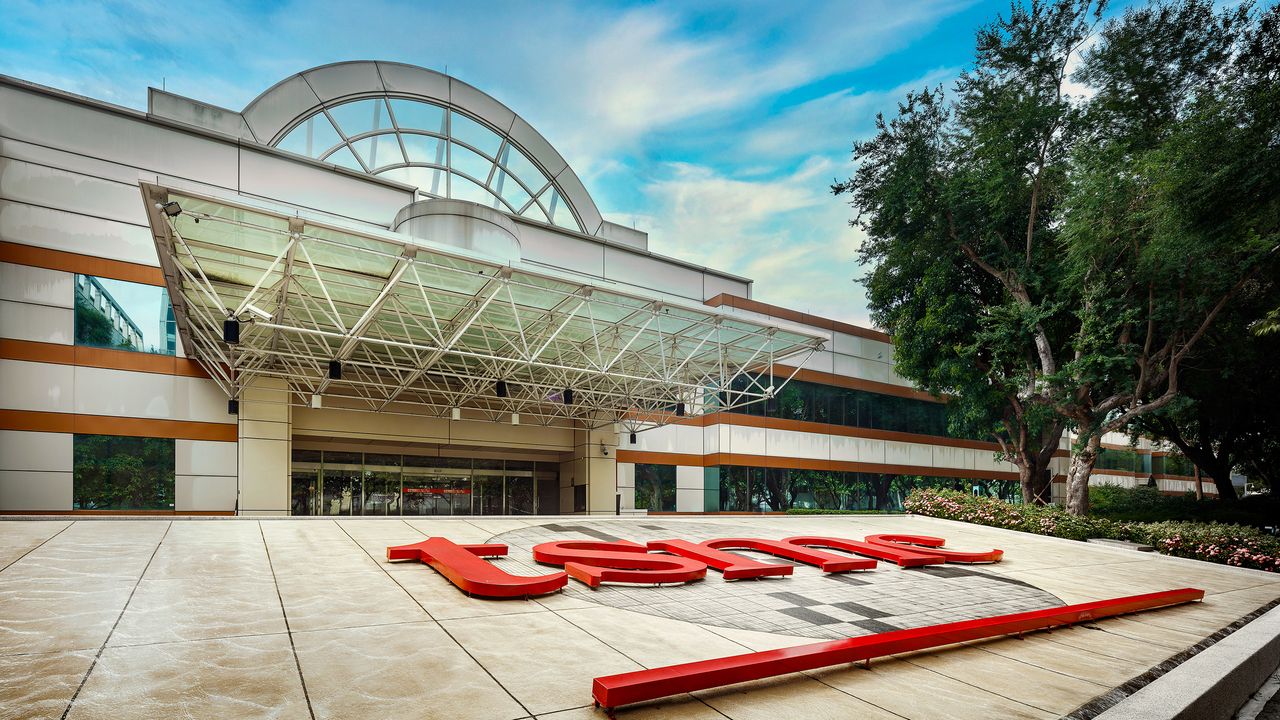
TSMC, other companies to invest $250 billion in the U.S. as part of trade deal, TSMC reportedly mulls additional $100 billion investment and four more fab modules.
Japan’s state-backed foundry Rapidus plans to begin production of 2nm-class semiconductors in the second half of its fiscal year 2027, with full-scale production expected in 2028.
“We’re easily going to get over a trillion transistors… in the package, by the end of the decade,” Cadence Senior Vice President Paul Cunningham claims.
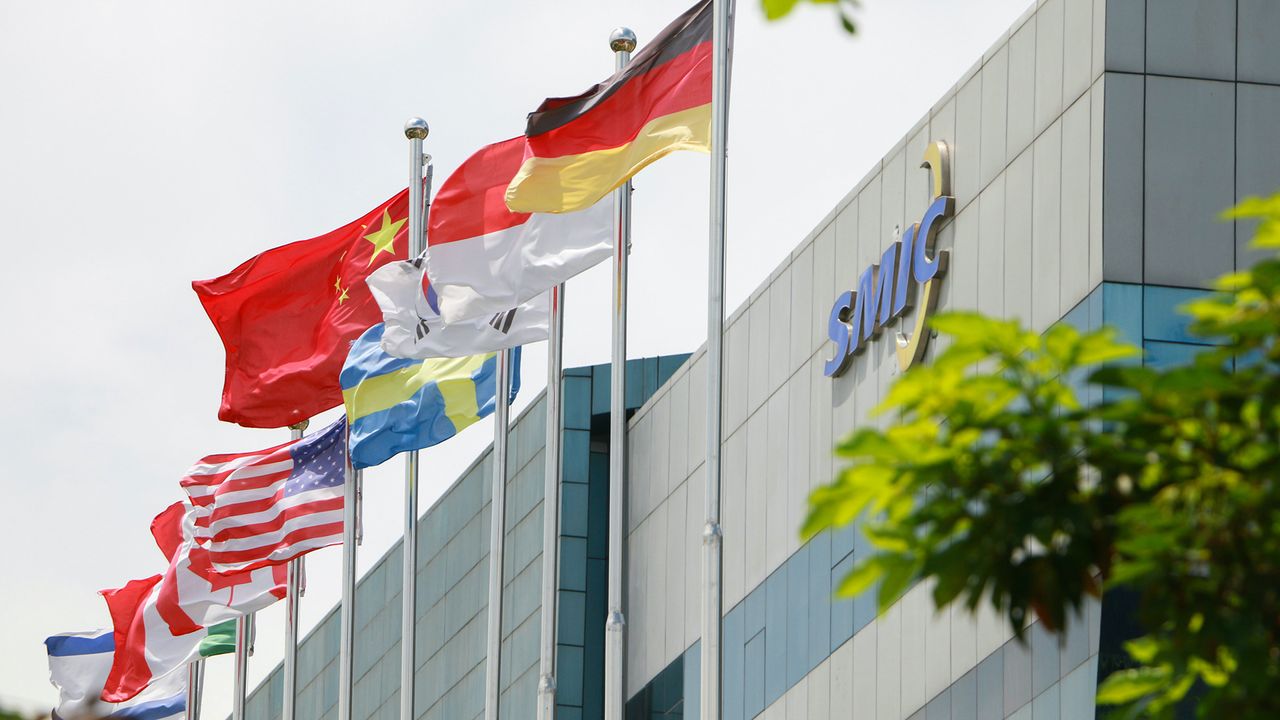
Rising DRAM and NAND prices driven by AI megatrend and amplified by memory overbooking are hitting sales of inexpensive consumer electronics and smartphones, which affects orders of entry-level processors to foundries, according to SMIC.
Bipartisan group of lawmakers want the U.S. government to impose export controls on all wafer fab equipment bound to China except those that can be made locally and make allies do the following.
While all makers of microelectronics are set to benefit from the AI supercycle, the memory industry is projected to generate more than twice the revenue of the foundry industry.
TSMC's board of directors approves spending on new production capacities and promotes a key executive leading the development of A10 fabrication process due in 2030 or later.
Taiwan authorities have no problems with TSMC investing in the U.S. as long the bulk of its fabs and leading-edge process technologies remain in Taiwan.
 登录
登录