阅读视图

发现新文章,点击刷新页面。
✇Tomshardware

Space Force gets first mobile high-powered electromagnetic beam weapon to cripple enemy satellites — plans to deploy 32 ‘Meadowlands’ units to detect, deny, disrupt, and degrade hostile space assets

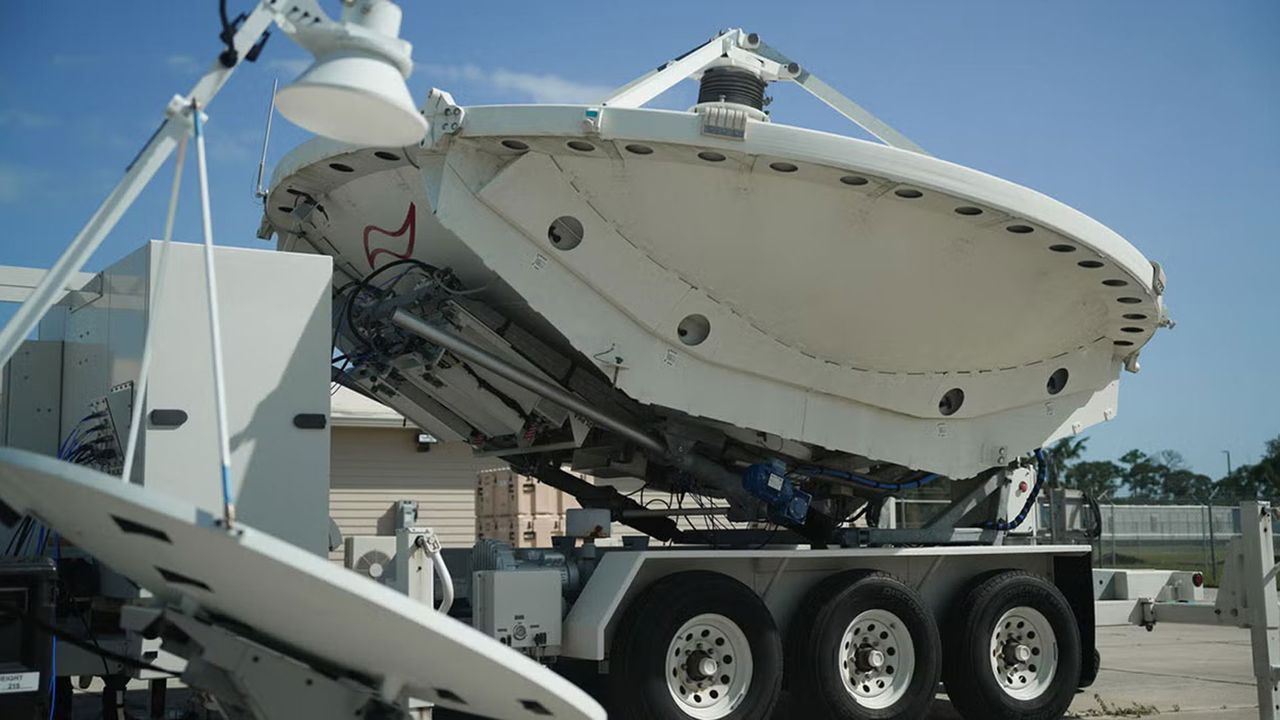
U.S. Space Force Combat Forces Command has announced that the first Meadowlands Counter Communications System (CCS) has been delivered for operational duty. This is a powerful new electromagnetic warfare (EW) device in a wheeled mobile and air-transportable form factor, designed to detect, deny, disrupt, and degrade adversary capabilities around the globe and in space. To be clear, Meadowlands isn’t a laser, microwave, particle, or plasma weapon. Instead, its highly targeted electromagnetic warfare abilities rely on a muscular array of directional antennas and high‑power RF amplifiers.

Our acquisition and operational collaboration wins again – this time for the operational acceptance of Meadowlands. The #USSF electromagnetic warfare platform now better detects, denies, disrupts, & degrades adversary capabilities. More: https://t.co/zRwJrmOd9g pic.twitter.com/WeuUhUitYlJune 30, 2026

“We have exceptionally trained and skilled electromagnetic warfare professionals who are highly motivated and excited about integrating this new Meadowlands capability,” said U.S. Space Force Lt. Col. Ryan Skilling, 4th Electromagnetic Warfare Squadron commander. “This upgraded system enables us to more effectively and efficiently support the joint scheme of maneuver across the continuum of conflict.”

Meadowlands arrives to provide a critical upgrade to the existing Counter Communications System (CCS) 10.2, notes Space Force. The new system’s advances are described as a “huge milestone” in capability, as well as being lighter, more compact, and more easily transportable. Meadowlands is set to be part of a robust toolkit that will help deliver “spectrum dominance” to the U.S. Space Command and Department of War.

The efficacy of systems like Meadowlands has already been demonstrated in joint force applications like Operation Midnight Hammer. In this example, EW systems were used to successfully create a “silence zone” over Iran for hours to ensure secure bomber ingress and egress during that operation. Meadowlands units can operate in both forward austere environments and from secure rear echelons.

In addition to silence zones, typical EW tasks Meadowlands will be used for include interference with enemy satellite functions, and jamming uplink and/or downlink signals. More cunningly it can change or corrupt data packets, initiate feedback loops, and spoof enemy assets.

While it celebrates the arrival of its first operational next-gen CCS, Space Force Combat Forces Command intends to build its Meadowlands fleet to 32 units in due course.

✇Tomshardware

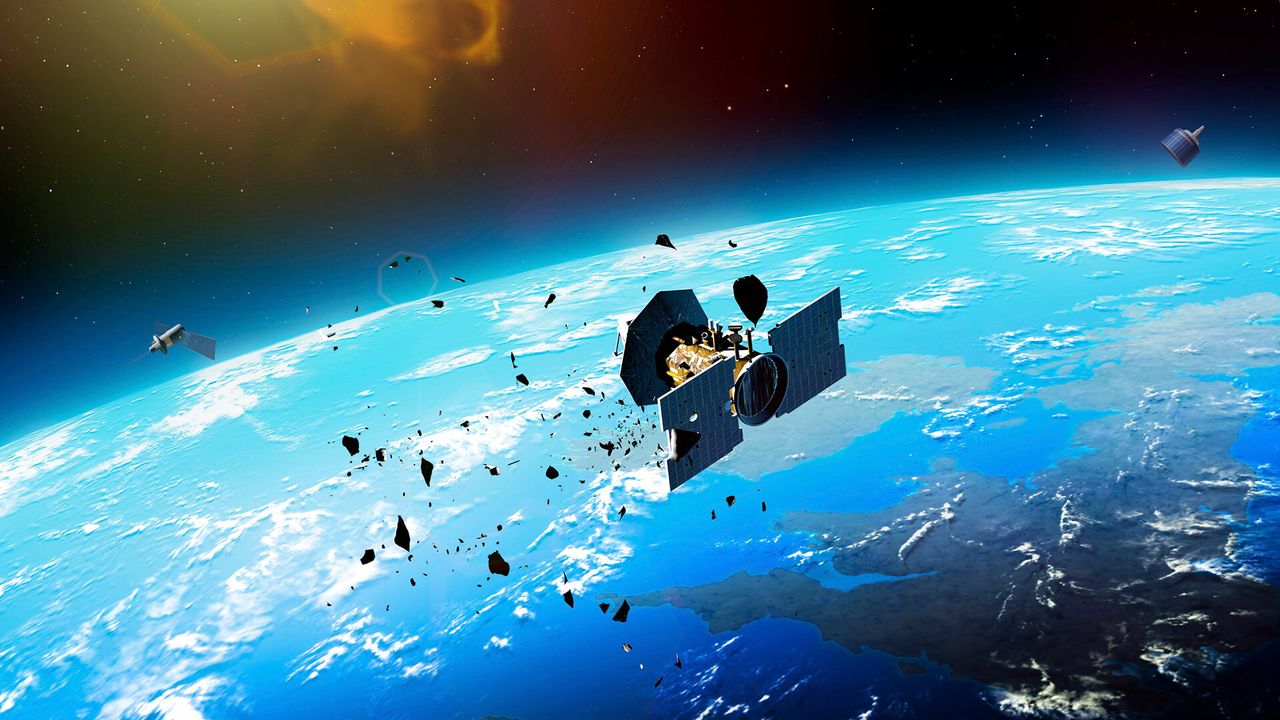
SpaceX vaporizes 260 Starlink satellites in six months using Earth's atmosphere — new environmental concerns emerge over burning 2,700-pound orbital data centers, FCC seeks to exempt satellites from regulations

SpaceX has confirmed in a semi-annual report submitted to the Federal Communications Commission (FCC) earlier this month that it disposed of 260 Starlink satellites between December 2025 and May 2026, intentionally vaporizing them via re-entry into the Earth's atmosphere. According to the report, 176 of these satellites belonged to the first-generation Starlink constellation, with the rest belonging to the second generation. An additional 349 satellites were decommissioned within that 6-month period and will be disposed of in the coming months.

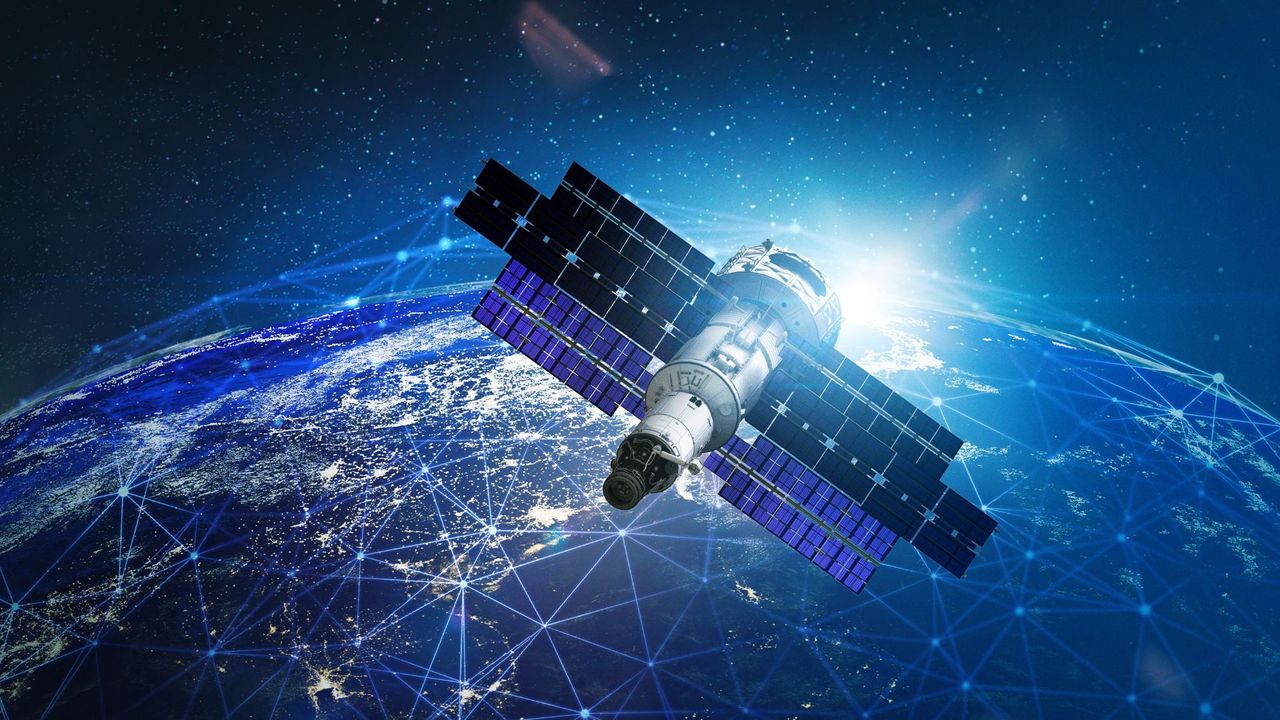
SpaceX’s Starlink operates a huge constellation of over 10,000 satellites as of the time of this report, even as the company plans for Starlink Mobile, which will provide satellite internet directly to mobile phones. However, each of these satellites has a lifespan of about 5 years, a somewhat intentional setup to allow swapping for newer versions, after which their fuel depletes. When this happens, the satellite is programmed to use its remaining fuel to perform a controlled de-orbit. It lowers its altitude and plunges into Earth's atmosphere, where extreme friction completely incinerates 100% of the spacecraft.

The constellation is so large and varied that Starlink reportedly disposes of multiple satellites daily. It removed more than 472 satellite links from orbit between December 2024 and May 2025. Retrieving the deorbited satellites — which weigh roughly 573 to 650 pounds (260 to 295 kg) for first-generation units and 1,764 to 2,756 pounds (800 to 1,250 kg) for second-generation units — is technically impractical and financially unviable, according to the company. Hence, the incineration technique.

While Starlink’s disposal approach disintegrates 100% of the spacecraft, leaving behind no falling debris, it has raised concerns about its effect on the atmosphere. Researchers have urged further studies and regulations on the environmental impact of satellites. The FCC has long excluded satellites from environmental reviews, reportedly out of concern that regulations might slow the space race. Any regulation would likely be under the National Environmental Protection Act (NEPA). However, the FCC is officially proposing “that space-based operations be excluded from NEPA because they are ‘extraterritorial activities’ with effects located entirely outside of the jurisdiction of the United States.” The proposal is yet to be approved.

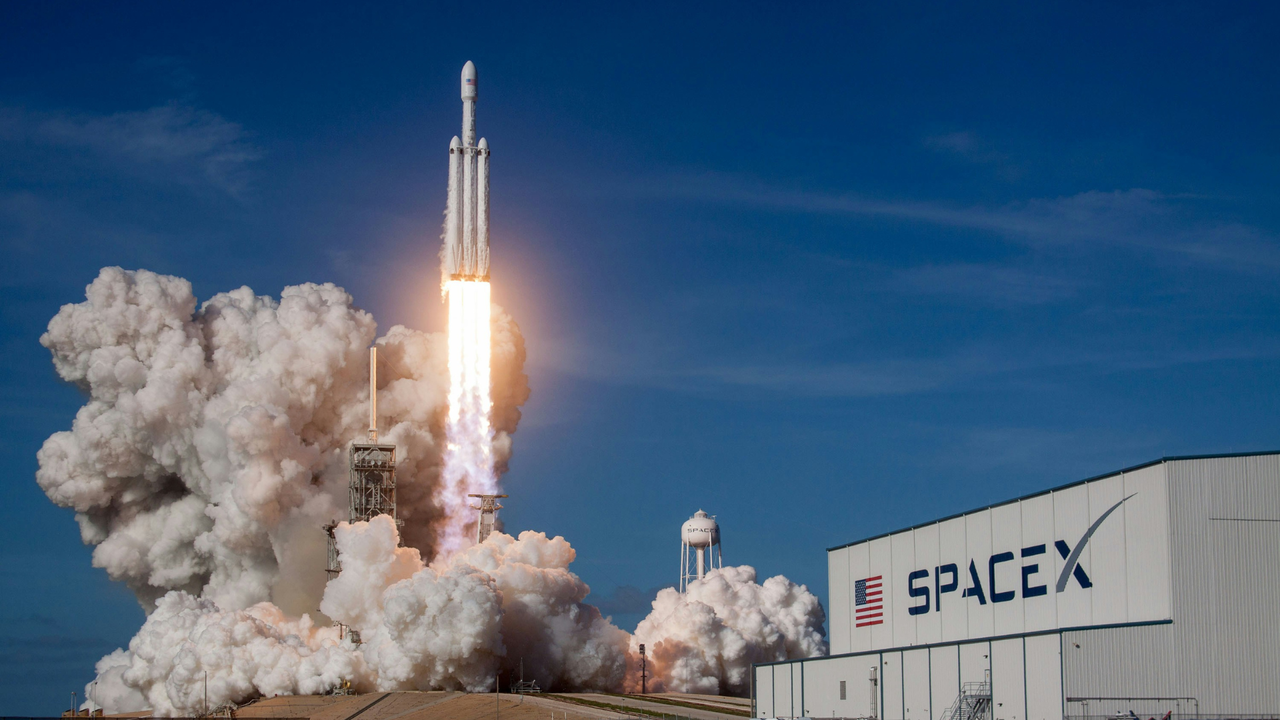
SpaceX has a multi-phased goal to eventually deploy up to 42,000 Starlink satellites into low-Earth orbit and obtained FCC approval for 7,500 additional Starlink Gen2 satellites in January. Meanwhile, the company has unveiled plans for its A1 satellite orbital data center, with a 120 kW compute payload. SpaceX is currently building an 11-million-square-foot Gigasat manufacturing facility for these satellites.

✇Tomshardware

Google is allowing users to change their Gmail address, per official Google support doc — experimental @gmail feature rolling out in India first, no official announcement yet

Google is finally adding a much-awaited feature to Gmail, allowing to change your old @gmail addresses without needing to create a new account. After switching to a new Gmail, you'll receive emails on both addresses, and all your existing data will remain intact.

❌