❌

阅读视图

发现新文章,点击刷新页面。
✇Tomshardware

Hundreds arrested after Microsoft data center protest turns violent

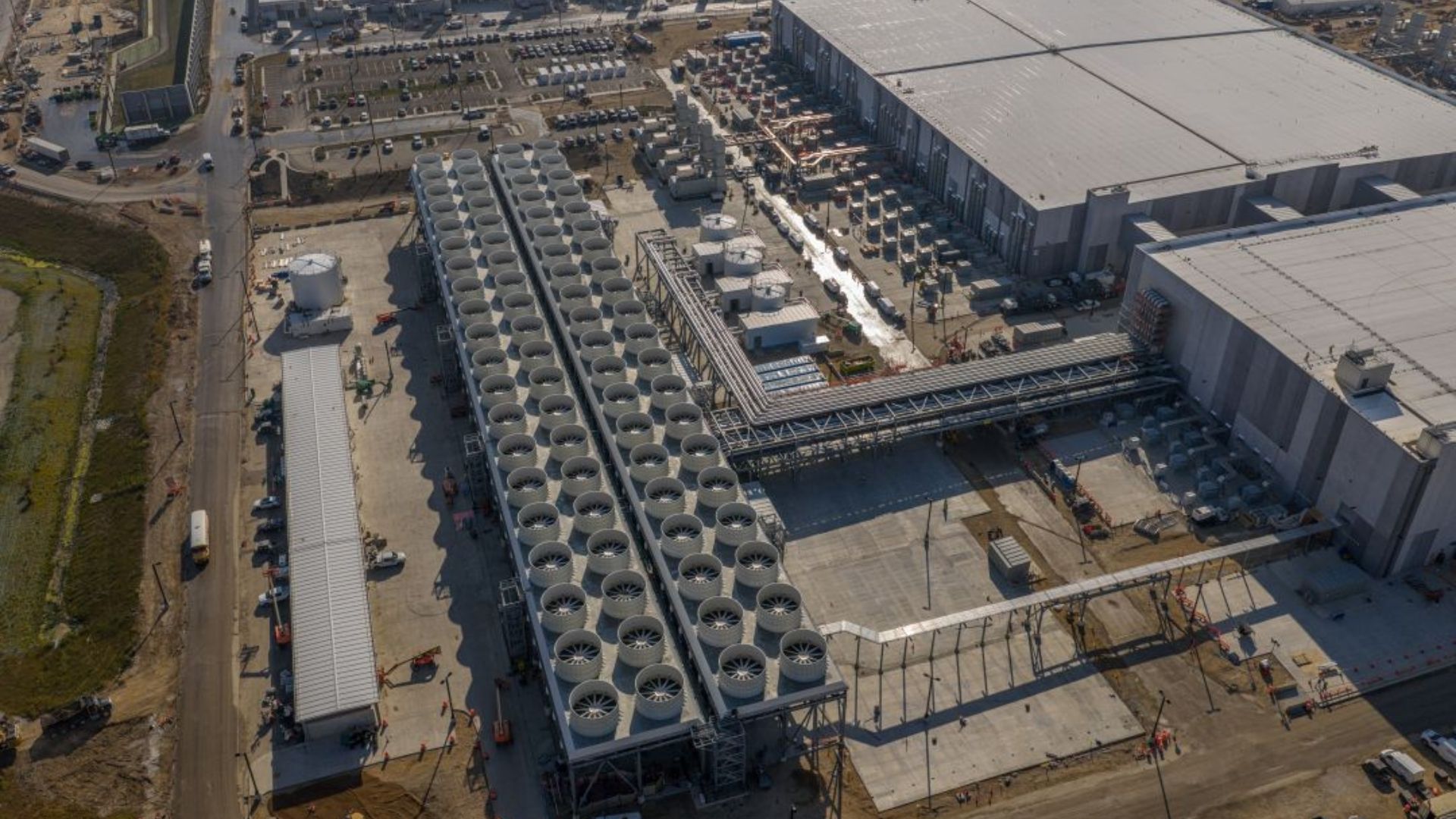
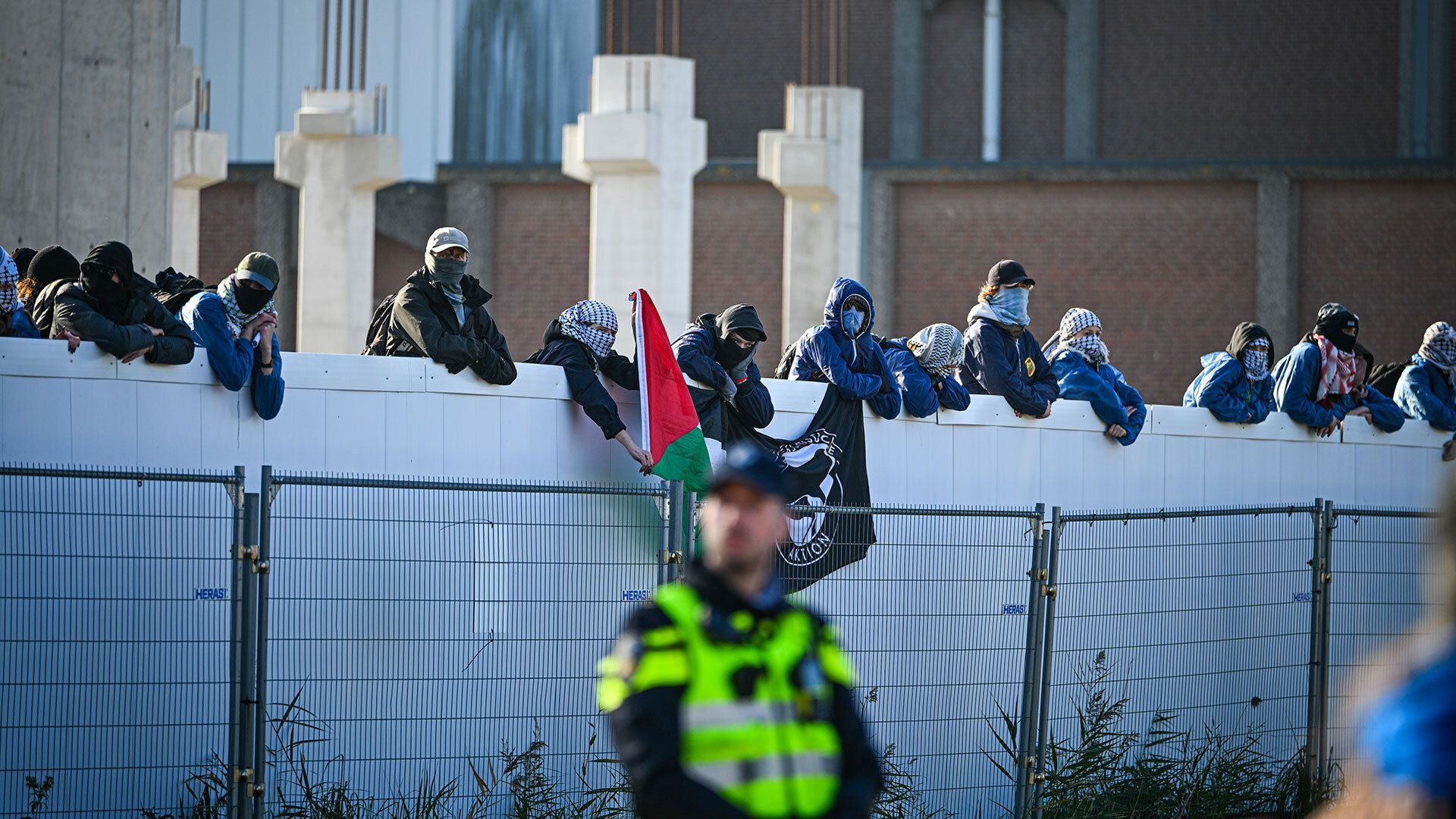
Amsterdam police have arrested 150 to 200 protesters at a Microsoft data center site on suspicion of trespassing. According to a Facebook post by the authorities [machine translated], tools designed for breaking into the site were seized from the protesters, who were then allowed on their way to protest peacefully. However, it appears that some members of the group decided to enter the construction site “with violence” anyway, forcing the police to intervene and leading to their arrest. There were also some allegedly stolen items from the construction site found among the belongings of some of the protesters, plus damage and vandalism done to the data center site.

Posted by politieamsterdam on 

This protest is a continuation of the action that started last Friday, where protesters breached the Microsoft data center, which was being owned by Pure Data Centers. It is also the first of many organized by the “Stop Dirty Data Centers” coalition across Europe, with actions planned for Amsterdam, Dublin, Warsaw, Denmark, and several other cities across the continent. The Dutch publication NOS [machine translated] identified the exact group at the site today as Fossielvrij, who are against the use of fossil fuels in data centers such as the jet engines that Elon Musk installed at xAI’s Mississippi data center.
“Gas prices are going through the roof, and new houses are being postponed because of the overcrowded power grid. Yet tech billionaires like Elon Musk and Jeff Bezos are building energy-guzzling, hideous data centers,” the group said on its website. “We can take back the power of Big Tech by pressing the pause button now. Give us the opportunity to democratically decide what we do and do not use AI for, so that it is not at the expense of our living environment and everything that makes our lives beautiful. Then we look at how many more data centers are needed.”

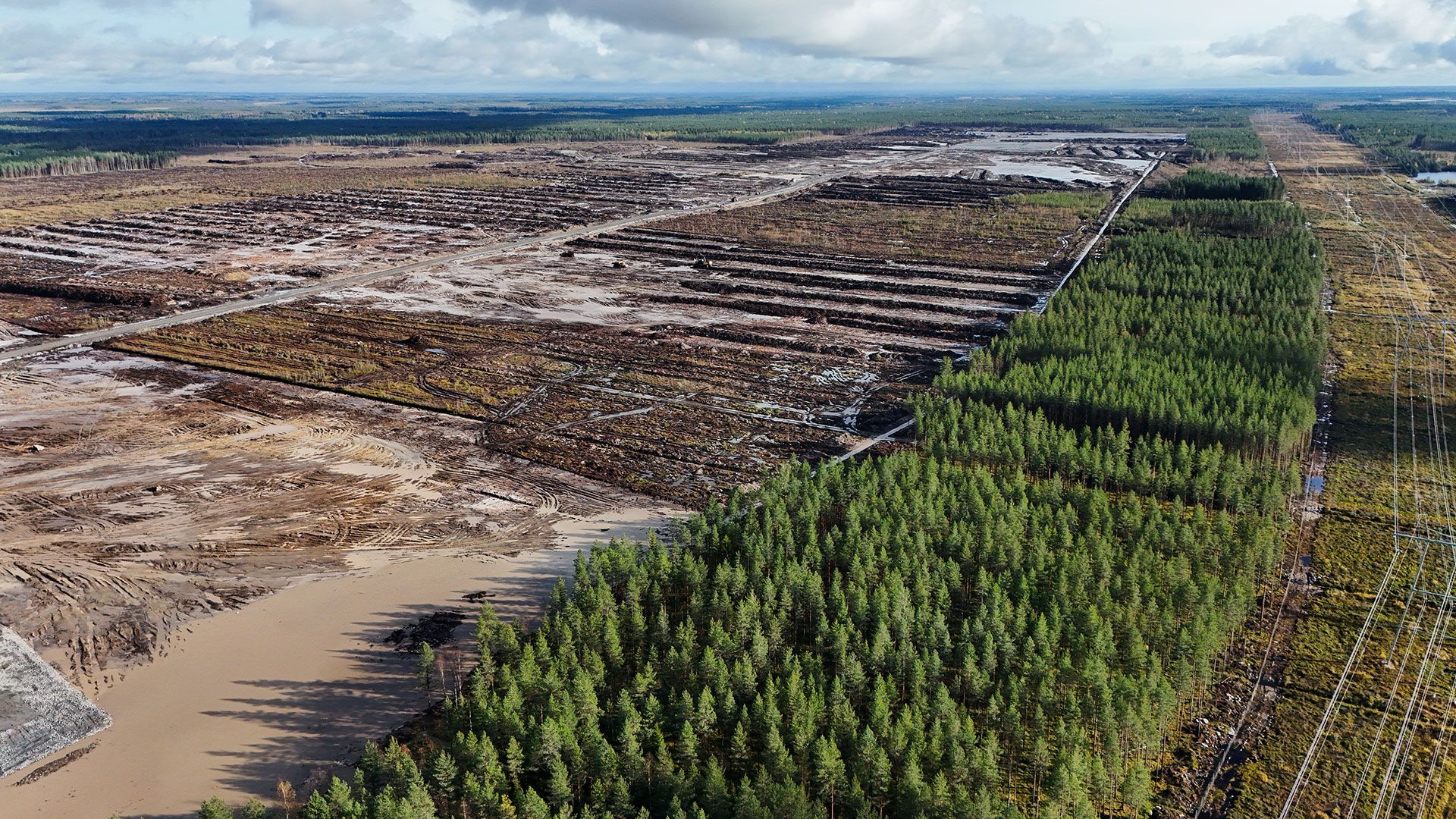
The protest comes amid the AI data center build-out, which has been facing increased opposition across the United States. A Google data center site in Finland is also in trouble after it cleared out around 1,300 acres worth of forest and trees without an environmental impact assessment, displacing wildlife, and leading to a criminal probe on Tuike Finland Oy, the Google subsidiary in charge of the site.

Fossielvrij’s action was supposed to be peaceful, but it appears that another group joined the demonstration and broke through the fences around the site, leading to the police confrontation. The suspects were arrested for domestic violence and then taken to a cell complex, where it will be decided if they will be detained longer. The police also said that “All suspects will be heard afterward.”

✇Tomshardware

Protesters storm Microsoft AI data center construction site

A Microsoft data center under construction in Amsterdam, the Netherlands, has been overrun by about a hundred protesters, with some carrying placards saying, “Screw your data center.” According to Reuters, the “Stop Dirty Data Centers” coalition is planning actions across 16 countries on November 6 and 7, 2026, including Amsterdam, Dublin, Warsaw, and another Microsoft site in Denmark.

Pure Data Centers, which owns the Amsterdam data center, said, “We respectfully ask those on site to leave safely and engage with us in dialogue about the development and any concerns they may have.” The report also quoted Microsoft saying that it understood the strong feeling that people have and respected their right to peaceful expression but says that it does not condone any unlawful action.

"On 6-7 November 2026 we are taking action across Europe to say Stop Dirty Data Centres," the group's website reads. "Local communities are rising up to stop dirty data centres where they live. We will unite and exercise our democratic rights to speak out, assemble, and protest to hold elected officials to account. We’re calling for an immediate moratorium on large data centres in Europe!" A map on the site shows actions planned at 85 locations across Europe over the coming days.

The group cited a list of concerns about "the explosion of AI data centres across our towns and cities," and claims to be joining to prevent "the irreparable harms data centres pose to the wellbeing of people and planet." They cite local communities, jobs, housing shortages and rising energy bills, the climate crisis, heatwaves and water shortages, big tech undermining democracies, the mental health crisis, increased surveillance and the erosion of privacy, securitization and militarization, and a toxic supply chain as motivations.

Data center opposition is one of the issues that has taken center stage in the U.S. midterm elections, with Americans overwhelmingly voting against them. It seems that resistance isn’t limited to the United States, though, as European countries take measures to limit their unlimited development. For example, Google has been hit with a criminal probe after its Finnish subsidiary, Tuike Finland Oy, allegedly destroyed 816 acres of forest without a permit. Denmark has also hit the brakes on data center grid connection requests as total applications exceed 60GW, more than eight times the country’s current peak power consumption. One Italian council also a 200% tax on data center development in agricultural land to encourage developers to reuse old industrial areas instead.

The Stop Data Center coalition claims that it isn’t against progress or that it wants to close down existing projects. Instead, it wants AI data center construction to be held until governments have established clearer rules on their development so that they do not have leave a negative impact on the environment and the people living around them. “AI, of course, is a super important ​technology and we ⁠need to have our own capacity,” EU tech chief Henna Virkkunen told the publication. But she also added that “it's very important for citizens that they can trust that their energy bills are not skyrocketing and there are not electricity blackouts because of ⁠data centers, ​or they are not destroying the environment with these projects.”

✇Tomshardware

Nvidia wants to repurpose over 130 old telco buildings as tiny data centers, report claims

Internet and telecommunications provider Brightspeed is reportedly in talks with Nvidia to convert several of its buildings into tiny data centers. According to The Information, Nvidia pitched the idea to Apollo Global Management executives, the parent company of Brightspeed, who then asked it to submit written plans to the internet provider. Nvidia complied and has now requested additional information, data, and site visits to some of Brightspeed’s existing infrastructure.

The telecommunications company has around 130 buildings located around the country, many of which are already built to handle data and voice traffic and have the required power infrastructure to run Nvidia servers. Sources say that the AI tech giant estimates that these sites could collectively deliver around 1 gigawatt of compute capacity, which could accommodate more than 2,200 Supermicro Vera Rubin NVL72 racks containing 72 Rubin GPUs and 36 Vera CPUs each. Although these sites already can power these GPUs, it’s still not a plug-and-play solution, as Nvidia would still need to install cooling systems and other supporting architecture. These would still require permits and approval from the local government, but they would likely face less red tape and opposition compared to building a data center from the ground up.

Apollo Global Management has already made significant bets in AI hardware, with the asset management company involved in a $40 billion deal with SpaceX that would give it around 360,000 Vera Rubin GPUs across 5,000 NVL72 racks. While it’s currently unclear who will own the AI chips installed in Brightspeed facilities, the proposal could potentially help Apollo find a place for the Nvidia chips it ordered to get them up and running as soon as possible. This is a much better solution compared to waiting for years to get a data center approved, all while facing resistance from the community even after getting the go-ahead from the local government.

Having multiple small data centers like this is also a setup that OpenAI and Anthropic have been considering, especially as larger facilities are facing delays and backlash from the communities that they’re in. While having a large, homogeneous cluster built in one location is preferable for training, Nvidia representatives have described these smaller sites working together as an “inference network” to help run existing AI models. This is especially important as AI agents, which use five to ten times more tokens than humans, become more popular.

The move to use existing facilities instead of building new ones from scratch has received renewed attention, especially after Americans overwhelmingly voted against data centers during the midterm elections. While the more than 300 data center bans enacted across the U.S. have only delayed three existing projects, it’s feared that the bans and moratoriums would make it that much harder to start new data center developments and make it difficult for AI companies to secure the compute capacity needed to power their AI models in the future.

✇Tomshardware

SpaceX's plan to build more data center compute than Google's entire lifetime capacity in just 1.5 years is possible, say analysts

A scant two weeks ago, Elon Musk made yet another bold claim: he was "highly confident" that SpaceX could build 10 GW of data center capacity in 2027 alone. The grandiose statement raised a few eyebrows, but in a detailed write-up, the analysts at Semiaccurate explain how that's actually doable... if the stars align. That +10 GW figure over the existing 3 GW would mean the company had built in as much data center capacity in 1.5 years as Google did in its entire existence, according to the post. The site notes that should this forecast ring true, that would make SpaceX the fastest-building hyperscaler on the planet, far outpacing every other player.

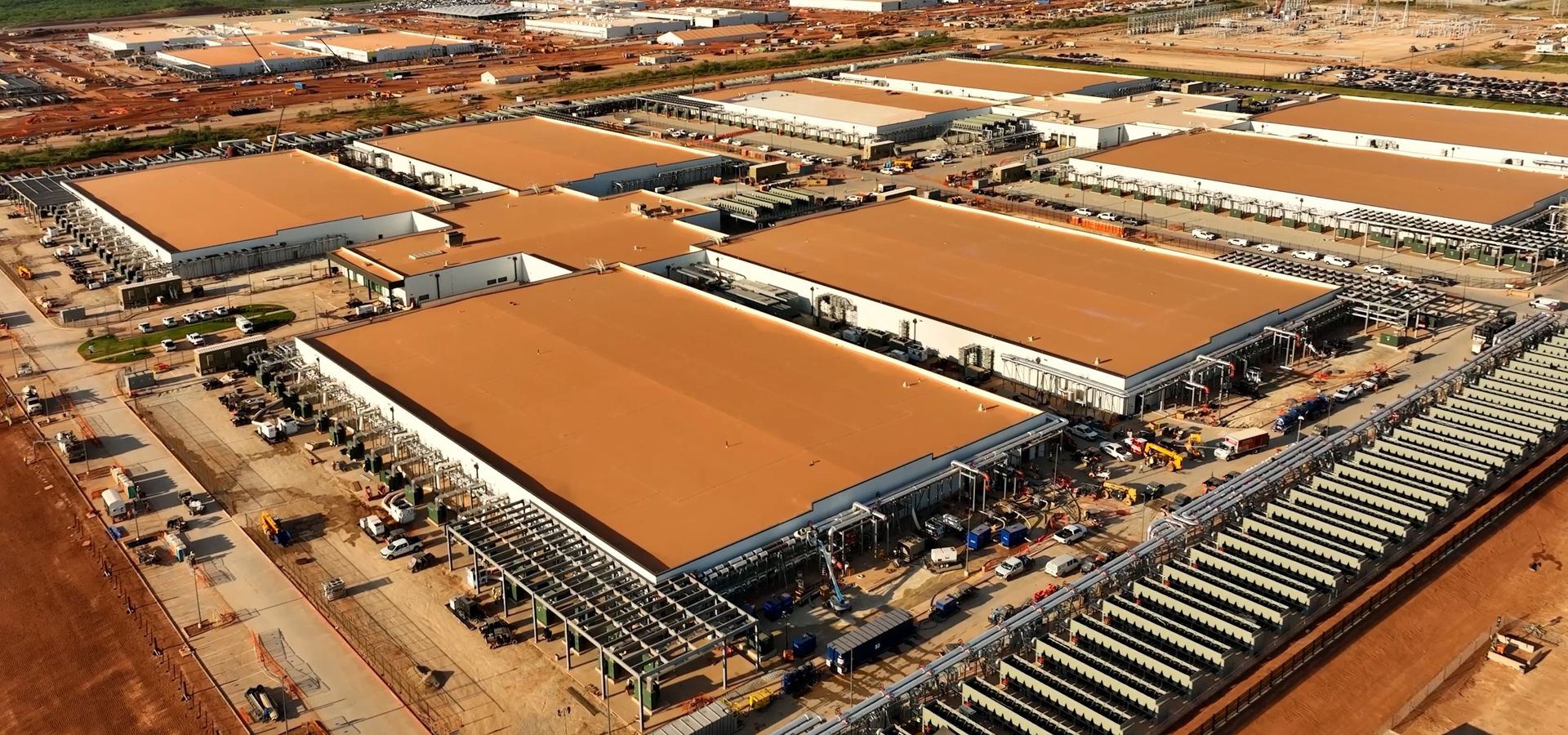
As proof of progress, the analysts point to how quickly the Colossus 1 and Colossus 2 buildouts are progressing, estimated from aerial shots and available information. They note that Colossus 2's power generation capacity went from only 0.4 GW in January to a projected 2.4 GW by the time the year is out, at the rate that the relevant hardware is popping up. The site tallies up 9 GW of potential data center capacity across the sites it's tracking, including Colossus and Starbase facilities.

Notably, the facility includes 89 turbines capable of delivering approximately 2.5 GW, helped along by a total of 1377 Tesla battery Megapacks, all already on the campus. Due to emissions regulations, the facility will only eventually be allowed to operate roughly 1.24 GW of its own turbines.

Even with the 1.2 GW eventually coming in from the grid, there's a 300 MW shortfall to be filled by the batteries, which Semianalysis expects will top up with compute load variation and possibly external power. SpaceX has an agreement with the state of Mississippi that lets it temporarily operate the extra turbines, with a promised phase-out by July 2027.

As of September 25, Elon Musk had stated that Colossus 2 already had 550,000 GPUs working, presumably in the extant Macrohard and Macroharder facility. At the time, SpaceX was reportedly gunning to have its Gun Range and Project SPAM centers ready in short order. Judging by the photos, they appear to be progressing at a rapid pace, as there are visible facilities where there was nothing but loose dirt a few months ago — though nothing says the racks of GPUs are in there yet.

Semianalysis' team remarks that SpaceX's builds have become so fast that they kick off well before it decides how the facility will be powered, and the respective power supplies come in. We've all seen the news about the scarcity of GPUs and RAM, but for a data center, just having enough power is problem enough.

If SpaceX can keep its stream of gas turbines coming along, that's quite the achievement by itself. The analysts think that Tesla may be manufacturing mechanical and electrical equipment in modules, presumably ready to install directly from the factory, or even trucks. Heck, the aforementioned temporary turbines are mounted on truck flatbeds as "mobile" power generation, seemingly in a bid to skirt regulations.

In the hyperscaler world, speed is the name of the game, particularly in these trying times when there are mounting suspicions that not all players will even make it to the finish line. Compute capacity being built and eventually becoming available is enticing for AI players, yes, but they're willing to pay through the nose for anything they can get their hands on right now, as current demand far outstrips supply.

Having facilities built doesn't mean that they're actually working, however, or that they're functioning at their expected rate. Zoning, permits, grid connections, power generation constraints, water supply, and public opposition are some of the few problems that have plagued builds most everywhere, none of which relate to the existence and installation of computing hardware.

Microsoft's Satya Nadella put it clearly: "You may actually have a bunch of chips sitting in inventory that I can’t plug in. In fact, that is my problem today." That's far from the only report that a significant percentage of AI accelerators are still stuck in warehouses, on hold until they can go fulfill their duties in a server rack somewhere.

Since building a datacenter involves many moving parts, even assuming that Colossus 2 wraps up as quickly as it appears to be, that doesn't necessarily mean that SpaceX will be able to replicate its success across its other sites. There is no luck involved in engineering, yes, but some factors like availability of hardware and materials, changes in legal winds, and public opposition are hard to predict, even for someone with resources as extensive as Elon Musk.

And yet, the folks at Semianalysis note that two data centers at Starbase are undergoing rapid construction, suggesting that SpaceX can indeed replicate Colossus' success. They attribute the speed to SpaceX having most of the infrastructure and power generation hardware effectively in-house, via Tesla's manufacturing ability. If that assessment holds, the firm could be bypassing supplier lead times that other hyperscalers have to contend with.

Even if SpaceX doesn't reach its "10 GW in a year" target, if the Colossus buildouts are anything to go by, the company may well be moving faster than anyone else in this space. Metrics aside, in the AI gold rush, coming first is all that's needed to win.

✇Tomshardware

AI data centers comprehensively defeated at US midterm elections

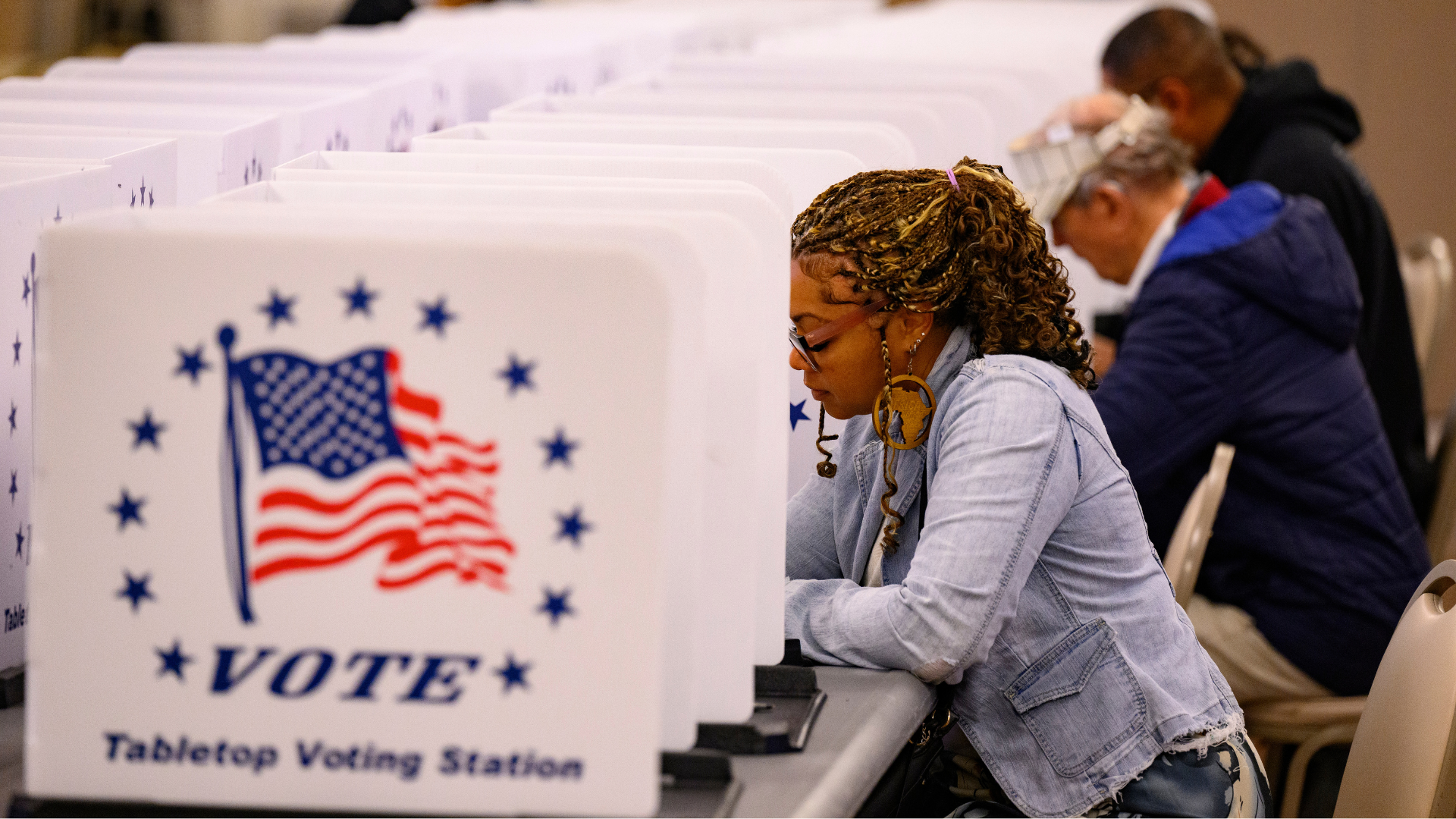
Several counties in the U.S. have put data center concerns on the midterm ballot, and early results show that Americans are overwhelmingly voting against them. According to Data Centers on the Ballot, 33 measures restricting data center development have already won, with six more questions leading. Only one measure in Harwood, North Dakota, which adds an extra review process for industrial projects, including data centers, has failed, while a further five have no posted results. This is a major setback for the Trump administration, which has been pushing for AI development in the U.S., but not a surprising result, as one database has shown that “America hates data centers,” with polls showing that 70% of Americans oppose AI data center build-outs.

👨‍💻 THREAD on how data center-related ballot measures are faring tonightdata centers are on the ballot in ~40 localities across 13 states, including proposed bans, votes on specific projects, and recalls of pro-data center politiciansNovember 4, 2026

Note that the issues put to a vote are varied, ranging from outright permanent data center bans to moratoriums, time-limited actions, limitations based on size or consumption, and more. The mid-term elections also resulted in the recall of the mayor and two council members in Piqua, Ohio, and the mayor of Yukon, Oklahoma, for previously supporting data center bans. A second tracker of some 46 data center measures across 10 states reveals that of 33 measures to limit data centers, every single one is set to be passed. Of a further 13 positive measures to permit data centers and their construction, 11 look set to be defeated.

Despite the overwhelming opposition to AI data centers, it’s unclear if they will affect projects that are already underway. In fact, out of the 300-plus local data center bans enacted across the U.S., only three developments totaling 2.3 gigawatts have been delayed, with 38 gigawatts expected to come online by 2027, and that investment into the infrastructure is still on track to hit $32 trillion by 2050. Nevertheless, these votes could affect future developments, especially as the U.S. Senate accuses Big Tech of misleading the public on the advantages of AI data centers. It’s also the reason why OpenAI and Anthropic are scrambling for small data center projects that range in capacity from 20 to 30 megawatts, especially as their hyperscale gigawatt sites face delays.

President Donald Trump has taken steps to reduce the impact of data centers on the average citizen, like forcing AI data centers to pay an energy dividend to local communities and making tech companies, state governors, and utility companies promise to pay their own way via the “ratepayer protection pledge.” However, it seems that his effort was too little, too late, to change the minds of voters who are afraid of utility price hikes, noise pollution, and other negative effects that data centers have had on communities where they’ve been built.

✇Tomshardware

OpenAI introduces program to reduce AI data center energy demand during peak hours

Electricity consumption is one of the biggest concerns that residents bring up whenever a data center is proposed in their community, which is why OpenAI is taking steps to minimize its impact on the local electricity grid. According to the company, its Grid Protectors Program aims to reduce the power consumption of its data centers as local demand increases, ensuring that the grid is not overwhelmed during peak hours. Aside from ensuring that the lights remain on for everyone, it would also allow its data centers to connect to the grid and go online sooner instead of waiting for the additional power sources to come online.

“Whether it’s heating homes during a northern cold snap or running air conditioning through a southern heat wave, families need reliable electricity. Our goal is to make campus flexibility a resource that utilities can call on when communities need it most,” OpenAI said in its blog. It also added, “Through Grid Protectors, our ambition is to make this kind of flexibility a core part of how we build and operate future campuses. That means designing facilities to reduce electricity use when needed and working with utilities to agree on how much demand can be reduced, how quickly and for how long. The arrangements will differ by location, and we will share additional commitments as they are finalized.”

OpenAI is testing the program in its planned Effingham County campus in Georgia, with the company saying that it has already signed a 3.2-gigawatt agreement with Georgia Power that included 1,000 megawatts of flexible demand response. This ensures that if demand jumps on the hottest days of the year, there would be enough power to accommodate the hundreds of thousands of air conditioners keeping Georgians cool. With the average American home drawing around 1,200 kilowatts, the 1,000-megawatt buffer is more than enough to power around 800,000 households — nearly 20% of the state’s homes.

This technology, called demand response, has been around for decades now, where large operators reduce their demand in response to a peak in demand from other consumers. Before automation, grid operators would manually call up industrial customers like steel mills and ask them to cut consumption to ensure the reliability of the entire grid. But with modern technologies and IoT, it can now be done automatically, allowing data centers to reduce their load in under a minute. In fact, Nvidia has already been experimenting with a similar system in the UK and has proven that it works.

✇Tomshardware

8 converted jet engines are powering xAI data centers as companies look for new energy sources

作者 Oliver Haslam

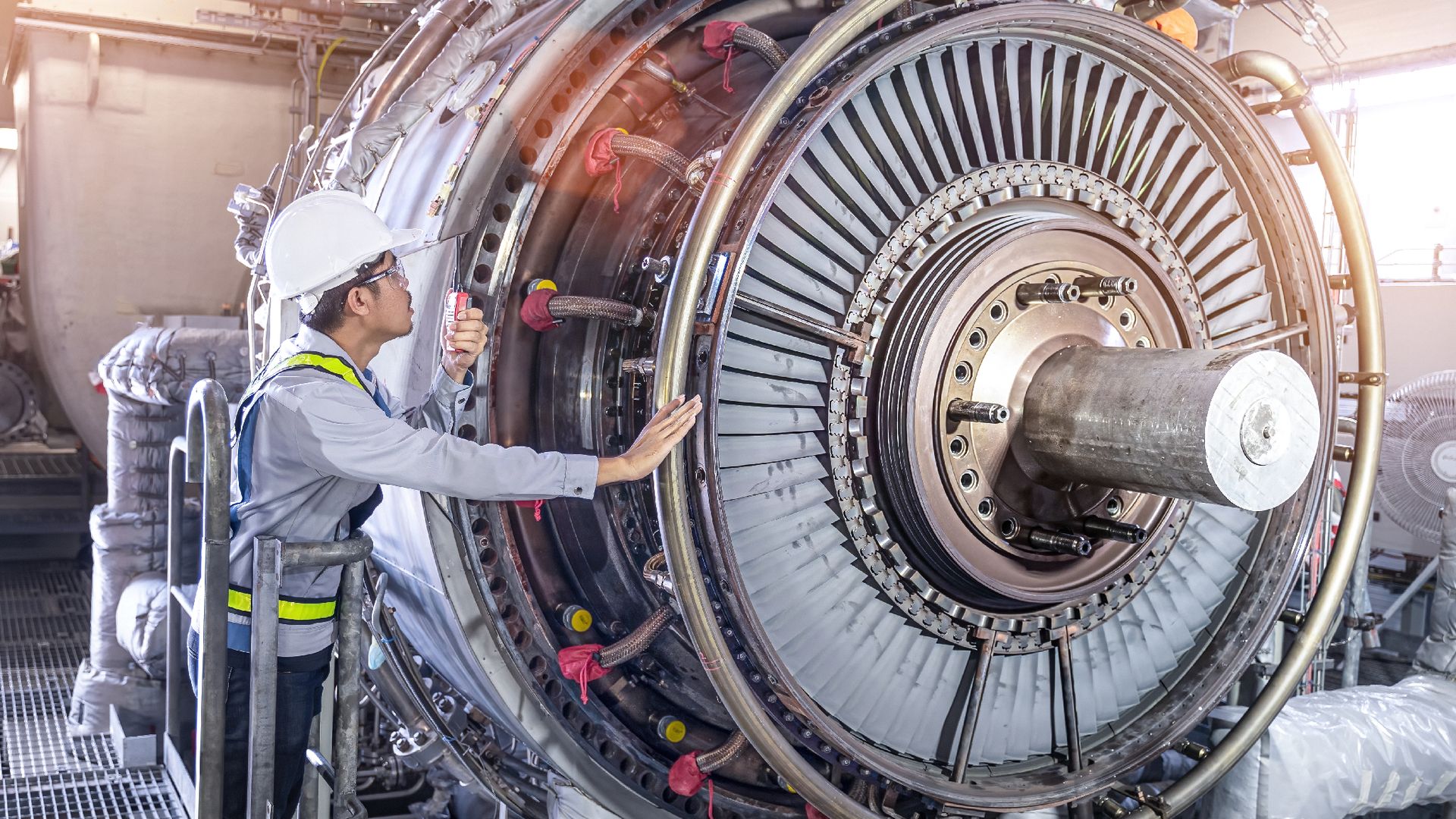
Elon Musk's xAI is using eight converted jet engine turbines to power a Mississippi data center. While the generators have the required state-level permission and permits, there remain concerns about the impact they could have on the local environment. The permits allow for a 25% higher limit in pollutants known as volatile organic compounds, but those compounds, paired with the expulsion of carbon monoxide, have environmentalists warning that the use of jet engines to power data centers is a step in the wrong direction. The New York Times reports that the Southern Environmental Law Center has already challenged Mississippi's decision to approve the turbines for use at xAI's data center.

The group argues that xAI has failed to provide guarantees that the jet-powered turbines meet emissions standards for specific pollutants, including formaldehyde. It also accuses xAI of what the report terms the "undercounting" of projected emissions in relation to the data center's power sources. This comes after the same group sued xAI over its use of gas generators without the required permits in an area with more than 100,000 inhabitants.

The generators used by xAI are converted by ProEnergy, a Missouri-based outfit that repurposes the unused General Electric turbines that are typically found attached to Boeing airplanes. The company was quick to turn its attention to the possibility of using the jet engines to power data centers after it was identified that the demand for energy was outpacing the ability of traditional utility companies to keep up. Each turbine is capable of producing up to 50 megawatts of electricity. Normally, that would be enough to keep around 15,000 homes up and running.

The availability of energy has long been an issue for data centers, both existing and those still on the drawing board. A July 2026 report predicted that data centers would use 20% of all U.S. power by 2035, a figure that was a huge 83% increase over the same forecast that was made seven months prior. Despite that news, as of April this year, half of data center buildouts had been canceled or delayed due to, among other things, a lack of power. This is an issue for xAI especially, with Musk saying in August that xAI would increase its data center capacity by 7x before the end of 2027. Delays and cancelations have the potential to derail those plans.

Public sentiment around data centers has turned sour in recent months amid power issues and concerns over how much water these facilities use. While using converted jet engines could potentially help with one issue, it seems unlikely that the pollution they generate will help assuage the concerns of locals anytime soon.

Google Preferred Source

✇Tomshardware

Nvidia tells data center operators to limit business from Chinese customers with new global restrictions, report claims

作者 Oliver Haslam

Nvidia has purportedly told its data center customers that they must limit the amount of business that they do with Chinese companies in what is a new policy for the U.S. company. The move would mean that data center operators who sell their services to Chinese companies must now track what proportion of their overall business they make up, limiting them to just 49% of the total and ensuring 51% are non-Chinese outfits. The FT reports the new policy has been communicated to Nvidia's customers by its sales force and regional teams, and does not appear to have been laid out in any official form via documentation.

Notably, Nvidia's alleged new stance on Chinese customers does not only apply to data centers that are located in Asia. Instead, it applies to those based globally, and even then it only affects new and future contracts rather than any existing Nvidia hardware leasing agreements that are in place. In a statement, Nvidia notes that "American chips are the foundation that American model and application makers need to compete worldwide." The statement goes on to say that current U.S. policy "encourages" cloud providers to build on American infrastructure and to accept business from "everywhere they can."

But this latest move to restrict Chinese access to Nvidia's high-performance data center hardware comes amid ongoing tensions between the United States and China with regard to AI capabilities. Nvidia can only sell its chips to whitelisted companies, a situation that has led to a thriving black market for its wares. Earlier this year, it was found that even Nvidia's older servers have become so sought-after that their values have tripled.

Whether limitations on who Nvidia can sell its chips to have had the desired effect is open to debate, with even China's state-owned telecoms giant China Telecom having recently been found to have Nvidia hardware in its data centers. The situation wouldn't be out of place in a blockbuster espionage thriller, with Nvidia CEO Jason Huang reportedly the target of a spy plot by Chinese agents.

The reasons behind the U.S. government's attempts to limit China's access to Nvidia hardware are obvious. The aim is to stymie China's ability to advance its own AI technologies, with Nvidia chips the go-to option for AI servers and data centers around the globe. But this limitation on which customers cloud service providers can accept will put additional strain on companies that are already fighting it out for the same contracts. Reducing the pool of potential customers could potentially see a shrinking in the scale of data center operations moving forward.

Google Preferred Source

✇Tomshardware

China deploys 'world's first' 800-volt DC power system for massive AI data center

作者 Mark Tyson

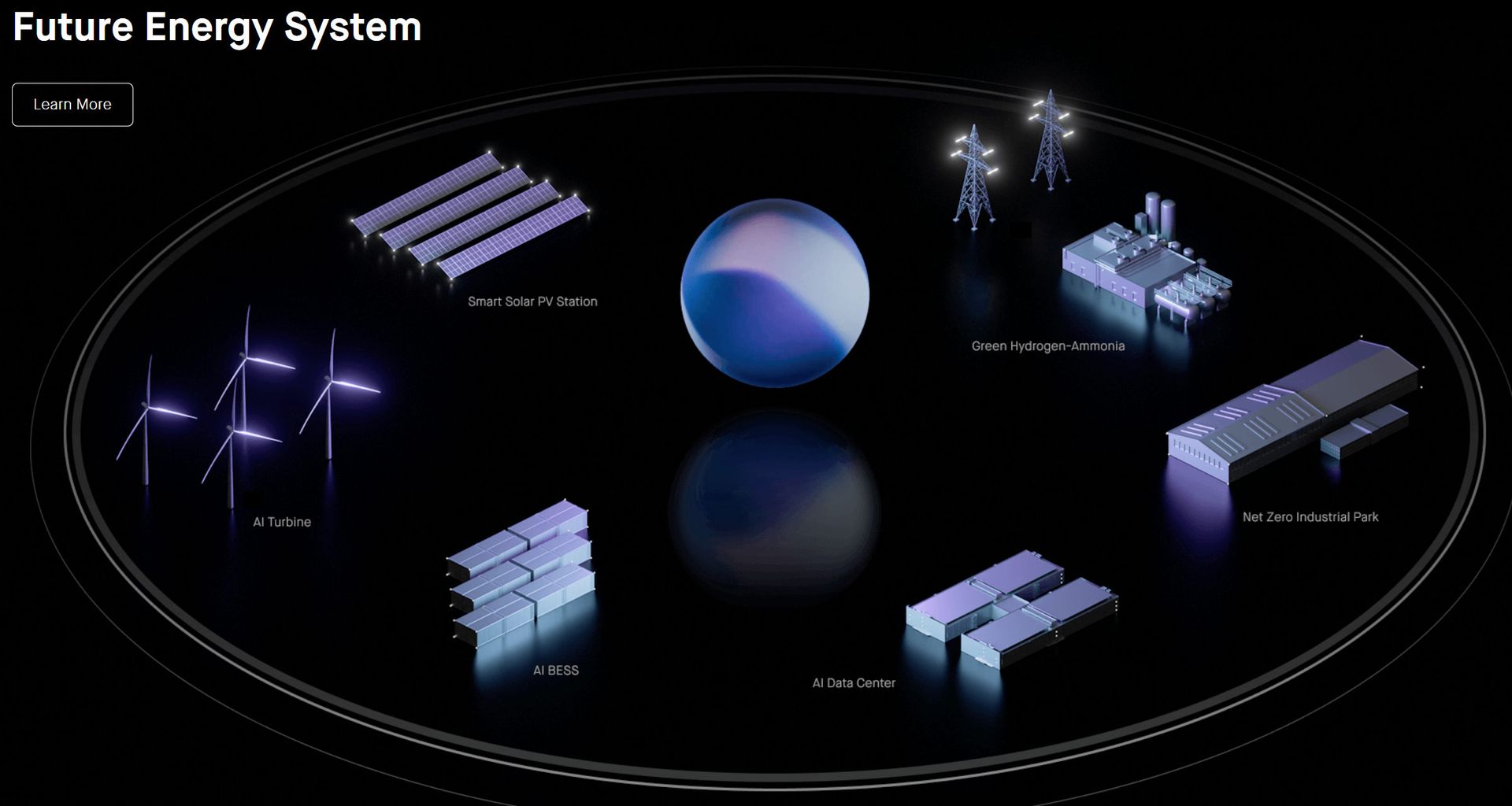
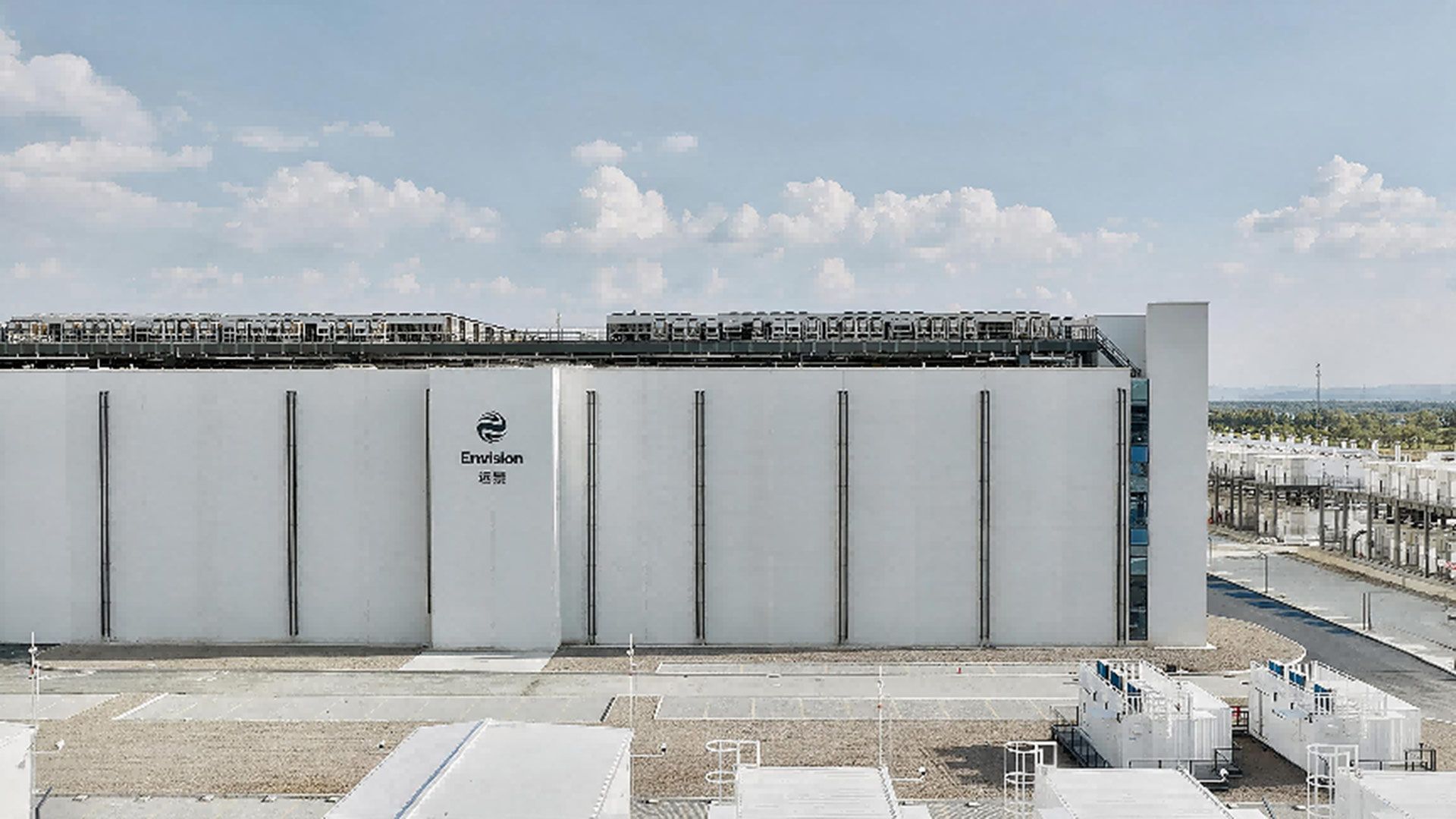
Envision Energy says that it has completed the world’s first commercial data center deployment of an integrated 800-volt DC power system. It has been testing the Dubhe Controller, supported by its Dubhe Energy Foundation Model since August this year at its Galaxy AI data center in Ulanqab, Inner Mongolia, China. Touted as offering simpler, and more efficient power architecture, Envision’s system will also support higher computing density, says a press release. The Galaxy campus will scale to 3GW capacity according to current plans, and eventually “support up to one million AI accelerators.”

Currently, data centers rely on several power-conversion stages to achieve a usable supply from the grid. Envision’s Dubhe tech converts power directly from 10kV medium-voltage AC to an 800V DC bus to boost efficiency and slashes the size of the power conversion apparatus. It is built around three critical capabilities:

  • Stable solid-state transformer (SST) conversion directly from 10 kV medium voltage to an 800V DC bus across operating conditions.
  • Battery storage providing both second-scale power support and minute-scale backup.
  • Millisecond-level coordination between SST and storage to absorb GPU load fluctuations locally.

Envision Energy Dubhe power technology

(Image credit: Envision Energy)

The system includes integrated battery support for fast response to AI workload spikes and for short-term backup power. It will also support higher-density AI racks, for more computing power in the same area, says the Chinese tech firm. Moreover, Envision’s system has been designed to work well with renewable energy sources and storage. Key to the efficiency and performance on offer is the AI-driven power management provided by the Envision Dubhe controller, smartly balancing power supply and computing demand. Other benefits include a more compact footprint and a reduced requirement for copper and other cabling.

By the firm’s own accounts the Dubhe tech system is performing well. Thus, it looks set to be instrumental to the expansion of the compute resources at the Galaxy AI data center in Ulanqab. Furthermore, Envision also intends to roll out this 800V DC tech at its Mission Gobi initiative, targetting 5GW of green AI data center capacity in desert regions by 2030.

✇Tomshardware

OpenAI considers rebranding data centers to 'AI compute campuses" as data center backlash intensifies

OpenAI is reportedly preparing a major public relations campaign to influence how Americans view artificial intelligence, including a proposal to rename its data centers as “AI Compute Campuses,” Axios reports. The initiative comes ahead of the November 3 U.S. midterm elections and forms a broader effort to influence the debate around AI before the 2028 presidential race. Chris Lehane, OpenAI’s chief global affairs officer, noted that the midterms would be “a bit of a movie trailer for what you’re going to see in 2028.” He expects AI to be a major issue for presidential candidates as the technology raises concerns over its impact on jobs, the economy, and the environment.

The proposed terminology change by OpenAI has been ongoing since August as the company focuses on promoting safeguards for the powerful technology, which Lehane described as “speed limits.” The proposed AI compute campuses is particularly interesting as it comes as opposition to large data centers accelerates across the U.S. Data centers require enormous amounts of electricity and water, with nearby communities raising concerns about noise, air pollution, rising utility bills and limited public consultation. OpenAI hopes to address these concerns through community agreements and a different way of presenting the infrastructure. “Compute campuses better describe the role of the infrastructure we are rebuilding for AI," a company spokesperson separately stated. He added that these projects represent long term investments in computing, energy infrastructure, and skilled jobs.

The latest proposal follows similar efforts by other technology companies to improve their relationship with communities hosting their infrastructure. In January, Microsoft announced a community-first approach, promising to cover electricity cost increases associated with its data centers, and invest in local infrastructure and jobs. However, while changing the name may be easier, changing public opinion may bring some headaches. A Redfin report in May found that 47% of Americans surveyed are opposed to having a new data center built in their community. Another report in August detailed how negotiations between developers and local authorities frequently take place behind non-disclosure agreements, leaving residents without access to important project information.

The resistance has also affected actual construction plans. At least 19 Michigan municipalities have already moved to restrict new data center developments after OpenAI and Oracle’s $16 billion Stargate project went ahead with their project in Sanile township despite local opposition. Meanwhile, Amazon abandoned plans for four data centers in northern Virginia last month following community pushback.

OpenAI is not alone in trying to reshape the language surrounding AI. President Donald Trump has previously pushed for terminology change, directing Federal agencies and urging AI companies to replace artificial intelligence with ‘super intelligence.’ Trump announced the change in late September arguing that the word "artificial" made the technology sound "fake." His administration subsequently instructed state department employees to use super intelligence or SI in official directives, websites, reports and policy documents.

Some technology executives have also embraced the terminology. Nvidia CEO Huang has previously referred to data centers as "superintelligence factories" while Elon musk announced plans to rename his AI company SpaceXAI to SpacexSI last month. Meta, meanwhile, established Meta superintelligence labs in 2025, and Microsoft has also assembled a team focused on developing superintelligence. OpenAI’s proposed terminology will now face a more difficult test than simply finding a name as communities will still want answers about the raised issues. Lehane, however, acknowledged that public scrutiny is part of the process saying, “Communities should hold companies responsible and accountable so they really and truly get a transformative benefit from these projects.”

✇Tomshardware

Putin demands Russian data centers supply capacity to the state in wake of Ukraine drone attacks

作者 Oliver Haslam

Owners of non-state data centers in Russia have been told to hold back 10% of their capacity, ready to aid the country's state-owned IT infrastructure should the need arise. That's the message from President Vladimir Putin, with the aim of quickly unlocking additional data center compute capacity in the future if it becomes needed by the state, reports Reuters.

This comes as Russian data centers have become targets for Ukrainian drone attacks in recent weeks, causing huge amounts of damage and affecting state-owned internet services. In early October, drones struck Russia's largest data center in what was the second such attack in as many days. The huge 63-megawatt facility was so badly damaged that multiple modules had to be removed from service completely. At the time, users reported problems with Yandex Mail, Disk, Documents, Pay, and Market despite Yandex claiming that key services remained up and running. Two weeks later, Russia's finance ministry's data center was damaged after Ukrainian drones targeted the facility. It was reportedly home to Russia's tax databases as well as other state registry data.

Now, Putin has told the Digital Development Ministry to inventory all available data center capacity and floor space at privately owned facilities throughout the country. A new government commission will be given the power to order the release of reserved data center capacity. Once ordered to do so, third-party data center owners will have 24 hours to comply. The temporary use of data centers located outside Russia has also been mooted, pending the approval of Russia's Federal Security Service. (FSB)

It isn't just drones that have been targeting Russian data centers. On the same day that news broke of the country's plan to siphon data center capacity from third parties, the Russian Federal State Statistics Service admitted that its servers were hit by cyberattacks that saw 23TB of data stolen. It's reported that the haul includes new data on Russian wartime losses marked “for official use only.”

Data centers have become a target for Russia, too. It bombed Ukrainian facilities in September of this year, resulting in the loss of internet connectivity for 100,000 households. At the time, a government official noted that Ukraine's internet network is highly decentralized before admitting that users should expect local disruptions to service.

Google Preferred Source

✇Tomshardware

'America hates data centers' — New data highlights public sentiment

作者 Oliver Haslam

As more and more AI data centers are being built across the United States, the backlash is starting to gather pace. Following the recent news that Amazon canceled plans to build four new facilities after a public outcry, a new website seeks to detail how sour public sentiment on the subject has turned. American Sentiment is operated by Prophecy Gov, an AI startup based in San Francisco, and it has turned 10,202 public comments at 417 local government meetings from 2026 into a scrollable collection of facts and figures that will give data center builders nightmares, revealing that more than 90% of public comments on data centers are negative.

The website notes that, while public comments don't always match the country's true sentiment, it's clear that the discussion around data center buildouts has reached a "fever pitch" of late. That's something borne out by the data, which takes in 48 states and 417 local governments, with 906 public meetings tracked. Of the 10,202 comments, 90.5% were negative, with just 7% saying positive things about the potential for a new data center being built in their backyard. The remaining 2.5% simply asked questions about the subject. A staggering 73% of meetings had no data center supporters whatsoever. Even those who did support the prospect of a data center being built found themselves outnumbered 6:1, according to the stats.

Predictably, a range of concerns were raised in opposition to data centers, with water use being the most common. In May this year, it was reported that a single AI data center project had consumed 29 million gallons of water. It used so much water, in fact, that local residents noticed a drop in water pressure as a result. A month later, Microsoft claimed its new AI data centers use as little water annually as a restaurant. Beyond water consumption, the impact on local quality of life and the lack of transparency around the project made up the top three complaints. These concerns aren't offset by the benefits of building such facilities, with many people saying that they didn't believe that the claimed benefits would ever come to fruition. Perhaps surprisingly, AI and its potential negative effects weren't mentioned in 4/5 of the comments. Just 21% made any mention of AI as a whole.

Members of the public called out some of AI's biggest players when arguing against data centers, including Google, Amazon, Meta, and Microsoft. Concerns also turned personal, with SpaceX/xAI CEO Elon Musk by far the most mentioned during meetings, followed by OpenAI CEO Sam Altman. Notably, Palantir's Peter Thiel was third, ahead of Meta's Mark Zuckerberg and Jeff Bezos when discussing Amazon.

At a time when the United States may seem more divided than ever, the lack of desire for local data centers appears to be a thoroughly bipartisan issue. Red and blue counties oppose the prospect at almost exactly the same rate, although rural counties raised different issues than urban and suburban ones. The former most commonly worried about the impact on a community's character, farmland, and property rights. Commenters in urban and suburban areas raised the issues of transparency, government distrust, air pollution, and utility bills more often. Pollution is one issue that has been raised previously — a report earlier this month warned that U.S. data centers could wipe out 15 years of progress in greenhouse gas emissions.

There was one group of people largely in favor of new data centers, however. 79% of commenters who said they were union workers were in favor of data centers. Conversely, just 3% of property owners and 3% of residents agreed. Even just 40% of data center workers were in favor of actual data centers, according to the figures.

Google Preferred Source

✇Tomshardware

Google data center wins approval in Minnesota after protests delay council vote twice

Google has secured approval for a proposed data center in Hermantown, Minnesota, following a unanimous vote by the city council, MPR News reports. The decision, reached on Friday, October 30, clears a major hurdle for the company following at least two postponed meetings and hours of public opposition, though the project still faces lawsuits and a separate inquiry into its electricity supply. The proposed development could cover just over 200 acres in a rural residential area outside Duluth with three data center buildings spanning approximately 1.66 million square feet.

The council approved a development agreement, a special use permit, and provisions for decommissioning the site if construction is abandoned or the facility eventually closes. The meeting, which was capped at 85 people and offered a livestream, ended shortly before midnight, with some criticizing the attendance restriction. Council member John Geisler, however, clarified the move, noting that the decision concerned local land use application rather than the wide debate over artificial intelligence or big technology companies.

“What we've done tonight is not about AI. It's not about big tech. It's not about software. It's about a project here in Hermantown, a land use application, and agreements that are associated with that,” Geissler said.

The approval comes at a hefty price for Google, with the company being forced to make several changes during the approval process. The company changed its initial plan of putting up four buildings to three, capped their height at 33 feet, and agreed to monitor nearby private wells —but each building would still be larger than six football fields. Google also agreed to withdraw an earlier request for up to $80 million in property tax breaks. The revised arrangement is now expected to generate about $3 million in annual property tax for the city, with a separate decommissioning agreement valued at $210 million in place.

Supporters point to those provisions as evidence that Google had responded to local concerns. Opponents, however, argue that the changes did not address the important questions of whether such a colossal development belongs in the area. The dispute echoes other data center battles within local communities, with Alabama residents being unable to halt a 50MW Bitcoin mining facility in August, despite local moratoriums, exposing gaps in the state's zoning rules. In September, a proposal for a 1,300-acre data center in Pennsylvania by NorthPoint Development also faced resistance despite its developer offering $10,000 to thousands of nearby households. Key issues raised mostly by residents in both cases have been about noise and water consumption by such facilities and property values.

It’s important to note, however, that Hermantown’s vote does not mean Google can immediately begin construction. Three lawsuits filed by The Minnesota Center for Environmental Advocacy and Stop the Hermantown Data Center challenge the city’s zoning process and ownership of the land, and are also demanding the project’s environmental review. The project’s environmental needs are also another pain point, given it requires about 500 megawatts, comparable to the combined demands of homes in Minneapolis, St. Paul, Duluth, and Rochester, as per the Citizens Utility Board of Minnesota. Google still needs approval from the Minnesota Public Utilities Commission on power consumption, despite its agreement with Minnesota Power.

The scale of demand is a recurring point of friction in data center proposals. Last year, the OpenAI Stargate facility in Michigan received approval for a 1.4-gigawatt power supply — construction, however, started in June 2026 despite objections from local residents. Google is also pursuing a separate data center project near Pine Island, close to Rochester. That proposal is now subject to a more extensive environmental review following a legal settlement.

✇Tomshardware

SpaceX loses bid to dismiss lawsuit over xAI data center pollution

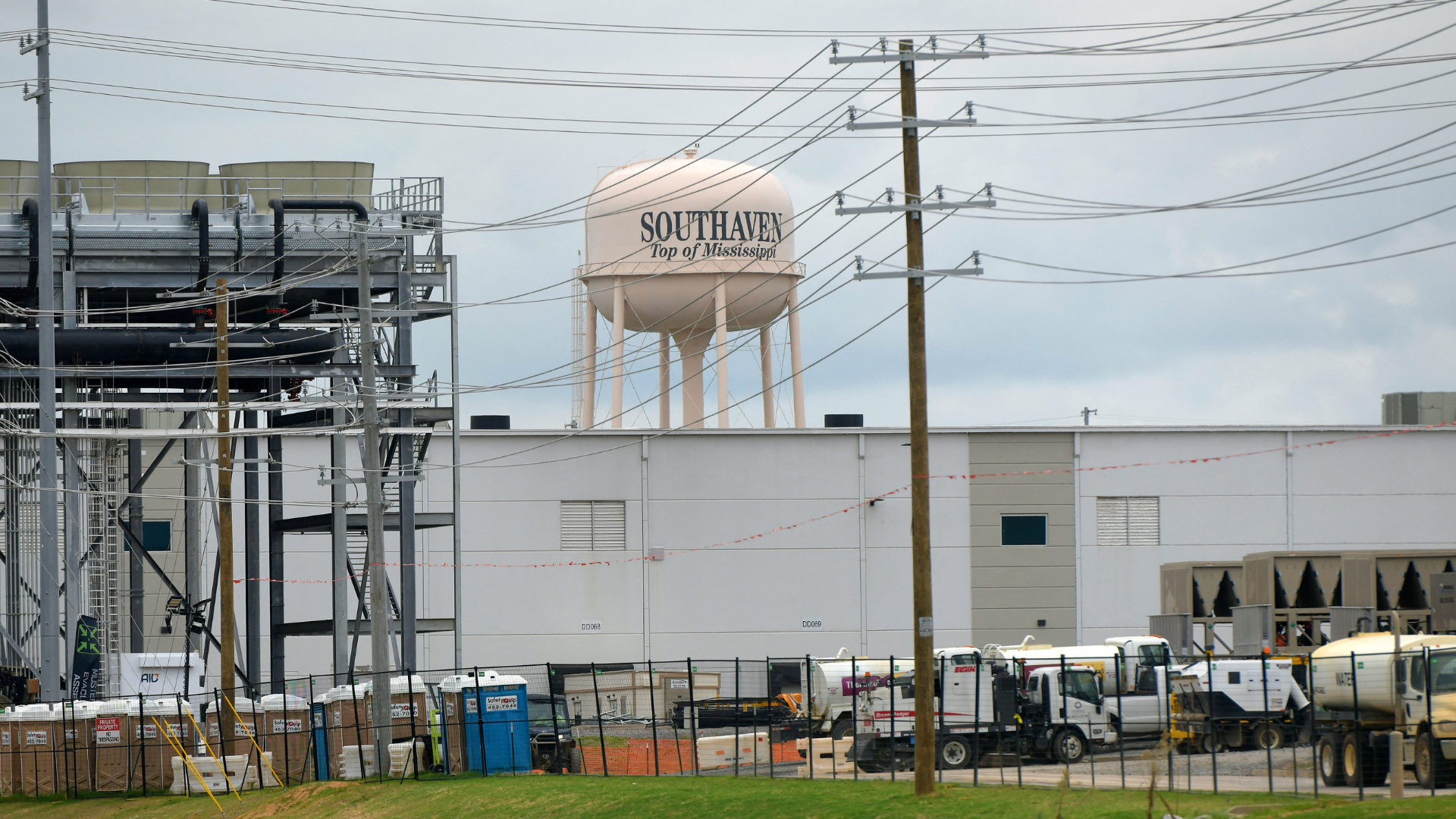
SpaceX has suffered a setback after losing in a lawsuit aimed at stopping the Clean Air Act requirements on the turbines powering xAI’s Colossus 2 data center in Southaven, Mississippi. According to a report by CNBC, a judge rejected the company’s motion to dismiss the case on Friday, October 30, allowing the National Association for the Advancement of Colored People (NAACP) to proceed, rejecting xAI’s argument that its turbines fall under the ‘mobile sources’ category that exempts it from air permitting requirements.

The case, brought in April 2026 by the NAACP and represented by the Southern Environmental Law Center (SELC) alongside Earthjustice, targets xAI’s operation of a gas-fired power plant to supply electricity to its facility in the Greater Memphis area. SpaceX owns and operates xAI, implicating Elon Musk's wider aerospace and technology company.

According to court documents, NACCP accuses xAI and its subsidiary, MZX Tech, of installing 27 gas turbines in Southaven last year without obtaining the required permits. The applicants also argued that the company’s equipment has been polluting the environment through nitrogen oxide emissions and fine particulate matter, which can contribute to breath-related hazards to residents. The SELC particularly says the plant could emit over 5,00 tons of nitrogen oxides, 400 tons of fine particulate matter, and 47 tons of formaldehyde — a cancer-causing chemical — annually.

The judge also rejected xAI’s attempted classification of the turbines as mobile equipment, holding that the company did not qualify for exemptions under applicable regulations and that the turbines were not exempt from Clean Air Act permitting requirements. Just two weeks earlier, SpaceX suffered another setback after the same court rejected a separate Department of Justice lawsuit that argued against the case proceeding.

“This decision is another important victory in our effort to hold xAI accountable. The courts have repeatedly rejected attempts by xAI and the DOJ to dismiss the NAACP’s Clean Air Act case, affirming our right to pursue justice for communities impacted by pollution. Our position has been clear: xAI cannot operate gas turbines without the required permits. Now that the motion to dismiss has been denied, we look forward to continuing to defend our position in court,” Abre’ Conner, NAACP Director of Environmental and Climate Justice, said. SpaceX is yet to comment on the ruling.

Colossus 2 installed 59 natural gas turbines in July, immediately sparking concerns from residents about emissions and the impact on nearby communities. The Memphis facility plans for about 860,000 Nvidia GB300 GPUs across four Colossus buildings —but it could be more — with Musk stating, “There will be a total of around 1.2M Blackwells at Colossus 2 by end of year”

Elon Musk just gave a massive update on Colossus 2 in Memphis, and the scale of what's being built is absolutely insaneTwo buildings already packed with GB300s, two more are coming online within weeks, and it is heading toward roughly 860,000 NVIDIA GB300sHere's the breakdown:• Macroharder: 220,000 GB300s, 800-gig NICs, configured for training• Minihard: 220,000 GB300s, same training configuration• Gun Range: 220,000 GB300s, tracking to be operational by the END OF NOVEMBER• Spam: ~200,000 GB300s, configured for inference, targeting DECEMBERThat's roughly 860,000 GB300s across these four buildingsSpam is designed for inference, which needs much simpler networking and less than HALF the fiber of the training buildings. And yes, the building once housed Hormel productsElon personally walked the entire Colossus 2 site around midnight and again the next morning to check progressBuilding by building, SpaceXSI is assembling SI compute at a speed no one else on Earth can matchOctober 31, 2026

In August, the company stated that it would remove its unpermitted turbine generators and replace them with a larger permitted power plant — but that could take at least a year. The latest setback adds to a string of lawsuits surrounding the gas-powered infrastructure used to power xAI’s data centers. In June, the DOJ had asked the court to dismiss the NACCP’s lawsuit, arguing that Colossus 2 supports crucial national security operations. That request was, however, rejected. More recently, SpaceX started manufacturing turbine blades in-house to fast-track generator production for its xAI data centers.

✇Tomshardware

Sam Altman meets with Samsung leadership to secure more RAM for data centers amid crushing shortages

OpenAI CEO Sam Altman has met with about 50 senior Samsung executives in South Korea, as the company seeks to expand its Artificial Intelligence and memory capacity, Bloomberg reports. Altman’s visit to South Korea follows his recent comments about how the world's limited memory supply should be allocated. In an interview on the Chick Pink podcast this week, the OpenAI chief argued that DRAM sitting inside personal computers is often underused, describing it as “quite terrible”. He suggested that data centers could make more intensive use of memory by sharing computer resources across AI workloads. The argument has drawn widespread criticism given OpenAI’s own services like ChatGPT rely heavily on centralized computing infrastructure.

The meeting, which took place at Samsung’s Resources Development Center in Yongin on Saturday, October 30, brought together chiefs from the company’s financial, electronics, and biotechnology businesses. Confirming the meeting, Samsung Korea said the discussion revolved around strengthening existing relationships between the two companies, particularly a letter of Intent signed in October 20225 to cooperate on global AI infrastructure, including supplying memory semiconductors for OpenAI’s Stargate project. “The Samsung executives and CEO Sam Altman discussed the direction of AI technology development and its potential applications, as well as new markets and business opportunities that will emerge from it,” Samsung stated.

Samsung, however, emphasized more on AI transformation and future business opportunities, rather than announcing a new memory supply agreement. Reportedly, Altman also presented Samsung’s AI Center head with a Codex Micro Keyboard, a device designed for use with OpenAI’s coding agent. The latest meeting comes as demand from AI centers continues to soar, with AMD forecasting DRAM revenue will jump 177% in 2026 to about $416 billion. Trendforce also estimates DRAM supply will fall 1% to 2% short of demand this year, with the imbalance expected to worsen in 2027. New manufacturing capacity may take time to come, which means the shortage could persist into 2028, as per a recent warning by Micron.

For now, demand for data centers is facing major competition, especially from PCs, smartphones, and other electronics, for limited memory supplies (and may be nowhere close to peaking). High-bandwidth memory (HBM), a specialized form of DRAM used in AI devices, has become particularly important as companies deploy increasingly powerful computing systems.

Samsung and SK Hynix are among the world's leading memory manufacturers, giving South Korea a central role in supplying the hardware behind the AI expansion. According to Counterpoint Research, both companies controlled about 63% of global DRAM revenues in the second quarter of 2026. Their influence is greater in HBM, where the two South Korean manufacturers accounted for roughly 83% of global revenue. This has prompted other technology executives to approach the country, with AMD CEO Lisa Su visiting earlier this month to discuss securing additional HBM supplies from SAMSUNG, saying, "It is important to plan three to five years ahead with our partners."

Meanwhile, Samsung and SK Hynix have been upgrading Chinese factories to meet the surging demand for AI-related memory and storage products. However, those particular upgrades concern NAND flash production, rather than DRAM — but they show just how manufacturers are adjusting capacity as demand shifts towards data center hardware.

✇Tomshardware

OpenAI CEO says it's 'quite terrible' for your PC to have RAM

OpenAI CEO Sam Altman has data centers full of memory, but seemingly it's the 32GB of RAM in your desktop that's the problem. In an interview over beers with the YouTube channel Cheeky Pint, Altman said that local inference, and, by extension, people having DRAM in computers at home, is "quite terrible."

When discussing local inference on home computers with open-source models, Altman discussed the assumption that people will be able to run local AI on their own computers, the ones they may already own or want to build. Then he explained why that's a bad idea (at the 29-minute mark):

"From a global allocation perspective, actually, it's quite terrible to have everybody have a bunch of the world's limited supply of DRAM sitting in their own computer and being used 5% of the time," Altman said. "You want maximum utilization in the cloud if you're trying to deal with this very supply-constrained environment. And somehow many people's intuition is the opposite of that."

While OpenAI does have some open-source models, its primary business is in closed-source models that run in data centers, so he's really defending the company's business model.

OpenAI isn't exactly threatened by some laptops and gaming rigs just yet, but local AI could mean people one day paying less for subscriptions to models like GPT-6 Luna if they have the power to run them at home. Altman's talk suggests that the company would prefer that more RAM go to OpenAI's data centers rather than home computers, which also sparks enthusiast fears of not being able to own your own hardware or software, but rather rent an agent and a computer in the cloud.

Some of what Altman is saying is based on an idea that data center buildouts won't slow down. It also assumes that RAM being used in AI data centers 24/7 is more worthwhile than RAM that is used for spreadsheets, web browsing, gaming, and maybe even local AI occasionally.

The rest of the wide-ranging interview includes talk of this week's PHP vulnerabilities, sandboxing models in training, and OpenAI's research in mathematics.

✇Tomshardware

Google hit with criminal probe over unapproved AI data center deforestation

作者 Mark Tyson

A criminal investigation into the environmental damage caused by Google’s Finnish subsidiary has been launched. Tuike Finland Oy is being investigated after five complaints were received regarding the Muhos data center project, according to an official police statement published today [machine translation].

The police say that the investigation is backed by Finland’s Licensing and Supervision Authority (LVV). Google/Tuike Finland Oy is accused of suspected breaches of environmental law and environmental damage. Other lesser criminal offenses related to ambiguities and shortcomings in the drainage and water management are also being investigated.

Since Google representatives have previously publicly apologized for the unauthorized forest clearings near Muhos, which have turned 816 acres of forest into an expanse of mud, there seems little doubt it is guilty of some wrongdoing. Rather, it is the scale of the punishment and any proposed remedies that will probably be of most concern to execs from the tech giant now.

As well as the awful mess Google has made near Muhos, it seems to have also jumped the gun and plowed ahead with data center development by clearing 500 acres of forest near Otanmäki.

Though the horse has already bolted, Reuters reports that a Google rep said the company would cooperate with the ⁠police investigation and continue to focus on maintaining compliance at its sites. Maintaining?

Last week we reported that wolves had descended on Finnish villages after their habitats had been destroyed to make way for the Google AI data centers. Data center developments were already a thorny issue with locals. Potential construction and operating noise, pollution, utility competition, and environmental damage concerns were overshadowed – for some – by the presence of wild animals that had moved out of the forest.

Google sees Finland as an attractive location for data center development with its cool climate, affordable power, and government endorsement of AI projects. It has also benefitted from being able to develop in low population density areas and from a populace with a low propensity for protest. However, Google is testing the Finnish public with its trampling of the environment. The wolves, pollution, potentially 40% higher electricity bills, and other impacts weren’t helping its case, even before this criminal investigation.

Finnish government representatives have yet to comment on the case.

✇Tomshardware

Elon Musk's SpaceX buying out 418 homes near flagship AI data center, but only if they drop participation in lawsuit

SpaceXSI, Elon Musk’s data center business powering Grok, is reportedly buying 418 properties in Colonial Hills, Southaven, which sits about half a mile from the powerplant that the company will use to power its data centers in the area. According to The Guardian, real estate agents have been going door to door, offering owners deals on behalf of the company provided that they do not join a class-action lawsuit over the noise pollution coming from the gas turbines that power its GPUs.

MZX, the SpaceXSI subsidiary that operates the Colossus II site, circulated an open letter to nearby residents, saying that it “requires property for its business purposes,” with Southaven mayor Darren Musselwhite saying that they will be used to house SpaceXSI staff that the company will need as it expands operations. Musk himself is reportedly staying in the area in an Airstream trailer four nights per week to personally oversee the data center build-out needed to power Grok AI.

The bigger issue here, though, is the requirement that sellers must sign an agreement that prevents them from joining the ongoing case against the company for noise pollution. The Colossus 1 and 2 sites have been in hot water since they started operating, primarily for their use of unpermitted turbines and the air pollution that they bring. SpaceXSI has since promised that it will remove all its unpermitted turbines in a year, especially as its 1.2-gigawatt powerplant comes online. However, this apparently hasn’t resolved the noise pollution issue that the community has been complaining about.

“It sounds like an airplane engine but it’s continuous, it’s incredibly loud. I’ve been woken up at 2am by it, I’ve been woken up at 3am by it. I sometimes have to just get away from it because it makes me so angry,” piano teacher Elizabeth Rose, who lives a couple of miles from the site, told the publication. One of the plaintiffs in the class-action, Jason Haley, also said to The Guardian, “There’s a high-pitched hum and then another sound like an airplane over your house. It’s been so torturous I can’t sleep; I just leave the house or turn on some music until I fall asleep completely exhausted. It drives you insane. You also lose hope because you’re being ignored or dismissed. There’s no escape.”

The company has denied all the allegations against it, saying that it has adjusted its power output and installed sound-dampening walls to reduce the impact on the neighborhood. Musselwhite also said that city monitors have not detected the site breaching the local ordinance limit of 70 decibels, although some experts say that persistent noise as low as 50 decibels could have adverse health impacts.

Opposition against the noise pollution and Musk’s purchases aren’t unanimous, though. Some residents aren’t as affected by the noise pollution, while local businesses are experiencing increased activity. Other people have also agreed to sell just so they could get away from the noise. The mayor says that the buyout isn’t intended to turn Colonial Hills into a company town. “The buyout has multiple purposes which are to provide homes for some employees and a goodwill gesture from a good corporate citizen for those who perceive the industrial development near them as negative,” Musselwhite said.

✇Tomshardware

US data centers could wipe out 15 years' worth of progress in greenhouse gas emissions, report claims

Concerns have been mounting everywhere about the environmental impact of data centers, with alarms ringing at various environmental think tanks. The Sierra Club, one of the oldest environmental preservation organizations in the U.S., has now put forth an estimate that by 2030, U.S. data center buildouts will be outputting as much carbon dioxide as the entirety of Mexico, pushing back progress on greenhouse gas reduction by 15 years, Bloomberg reports.

The Club's principal advisor for climate and energy, Jeremy Fusher, puts it plainly: "the numbers continue to sort of boggle our minds." He's referring to an estimate that with the output from pending data center builds, the output from the U.S. power sector is set to put 2.1 billion metric tons of CO2 in the atmosphere by the end of the decade, an uptick of 42% compared to 2025 figures. The researchers' previous estimates were between a quarter and half of the current projections.

An increasing number of countries and states are enacting laws demanding that new data center builds have a large portion of their power generated by green sources. However, those laws rarely apply retroactively, and oftentimes have a phase-in period. Even the Irish law on the matter demanding that new data centers be fed by 80% of renewable power only requires that that happens six years after they're powered up.

In the current AI-driven market, speed of construction is king. Roughly 40% of U.S. data centers are fed by natural gas turbines, and the situation doesn't look like it'll be changing much. It'll likely get worse, as the addition of green sources almost assuredly won't keep up with demand. Much like RAM, GPUs, and storage, turbines were all slurped up by data centers. Their prices have risen by 50%, and production is backlogged for years, with one maker stating it's opening slots for production in 2032.

Having said all that, Brendan Pierpont from Energy Innovation, another climate-concerned organization, points out that although the current path looks dangerous for the environment, it's hard to make a hard prediction of how the situation will play out. He justifies his position with common data center roadblocks: the availability of turbines, delays in grid connections, and other delay factors.

Truth be told, at this point it's hard to predict how many data centers will actually reach completion, given that requests for permits far exceed available grid capacity across the U.S., and a sizable number of buildouts are encountering strong opposition. Plus, although the AI bubble is still alive and well, concerns started to arise about the economics of hyperscalers, indicating some may go the way of the dodo — and their projects along with them.

✇Tomshardware

Fujifilm plans 5x production boost of 100TB magnetic storage tapes driven by skyrocketing AI storage demand

作者 Oliver Haslam

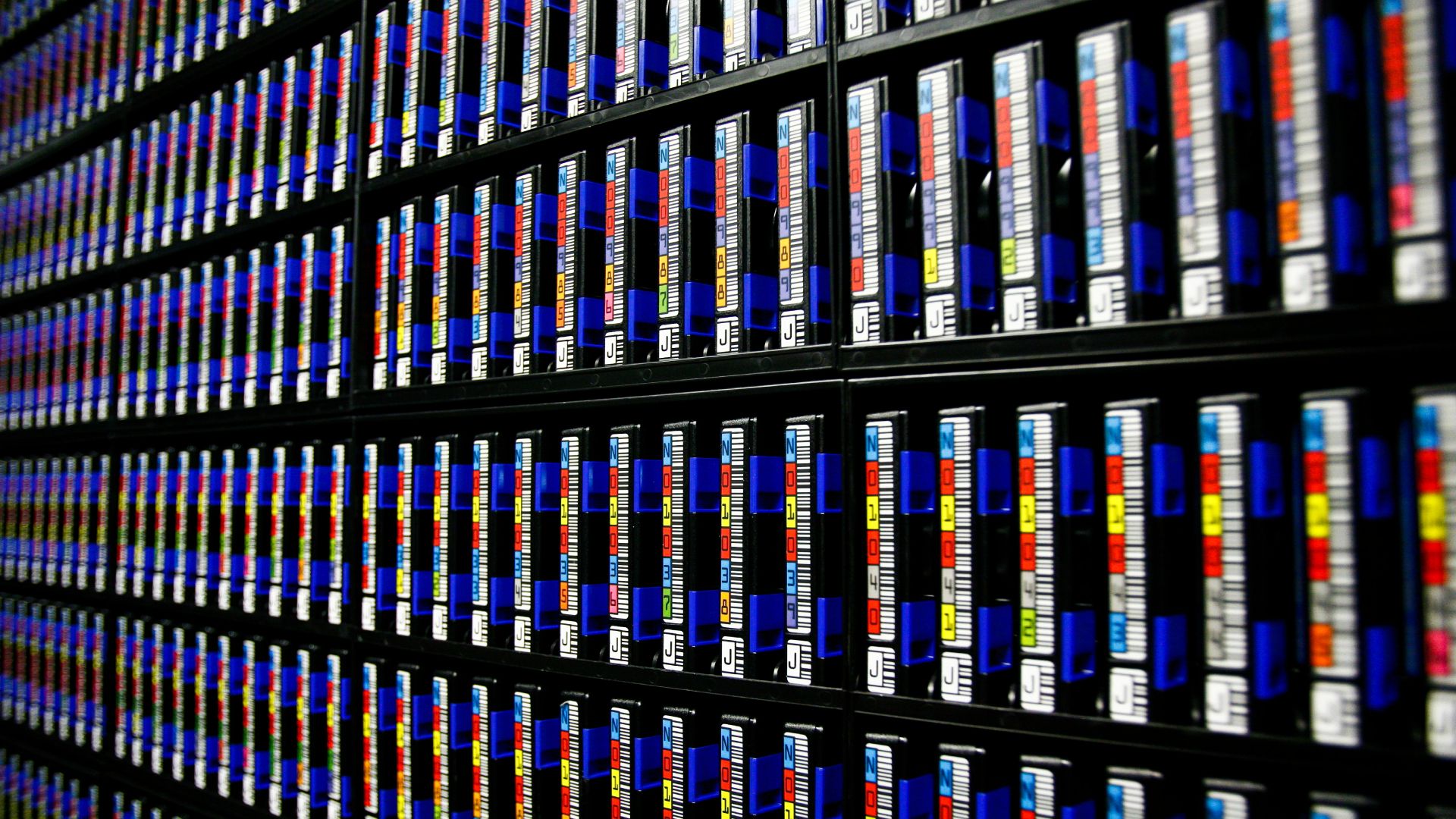
Fujifilm plans to boost production of magnetic tape by as much as 5x as it works to keep up with demand for the data storage medium that has seen a jump in popularity amid ongoing global AI data center buildouts. The Japanese firm will spend 10 billion yen ($63.3 million) to increase capacity at its Odawara plant throughout its fiscal year 2028. The move will enable it to produce more advanced tapes with capacities of up to 100TB each, Nikkei Asia reports. The expansion of production capacity will mark the company's largest investment in tape-based storage in around 20 years. Fujifilm first began working on magnetic tape technology back in 1954 when it was used for television broadcasting equipment.

Nowadays, magnetic tape is the go-to storage option for data centers everywhere as a form of long-term data backup. While tapes lag behind solid-state drives and traditional spinning hard disks in terms of performance, tapes are hard to beat when it comes to their durability and relatively low cost for storing huge amounts of data. Magnetic tape storage can cost as little as one-quarter that of hard disks, and even less when compared to faster SSDs. That makes them the perfect solution for so-called cold data, information that is rarely accessed but could be considered mission-critical and must be stored safely. Tape storage isn't just cheaper, either, with research showing that it's also less polluting than hard disks and SSDs.

While Fujifilm will produce 100TB tapes, the Linear Tape-Open (LTO) roadmap allows for considerably larger capacities, all the way to 365TB per cartridge. By comparison, SSDs top out at around 256TB and cost considerably more.

Fujifilm is far from the only storage company looking to take advantage of the AI data center boom. Toshiba announced earlier this month its plans to double hard disk production capacity amid shortages, and the company, alongside Seagate and WD, is working towards ever-increasing capacities. Kioxia and SanDisk are also getting in on the act after detailing 332-layer 3D NAND flash in August. The pair hope to bring higher storage capacities to SSDs for data center use.

The demand for AI data center storage is so high that it's at the heart of a global shortage that shows little sign of improving anytime soon. Scarcity has seen prices skyrocket, while manufacturers have chosen to divert resources away from consumer-focused products, instead focusing on the more lucrative enterprise market.

Google Preferred Source

❌