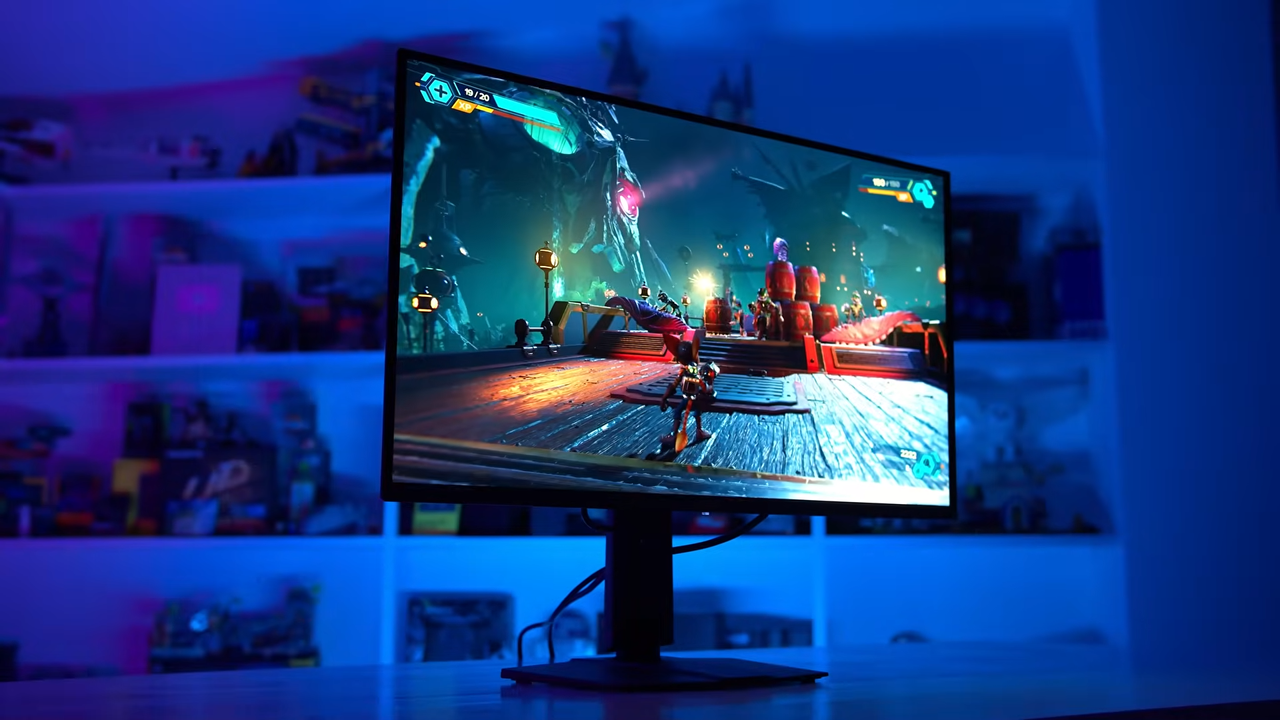
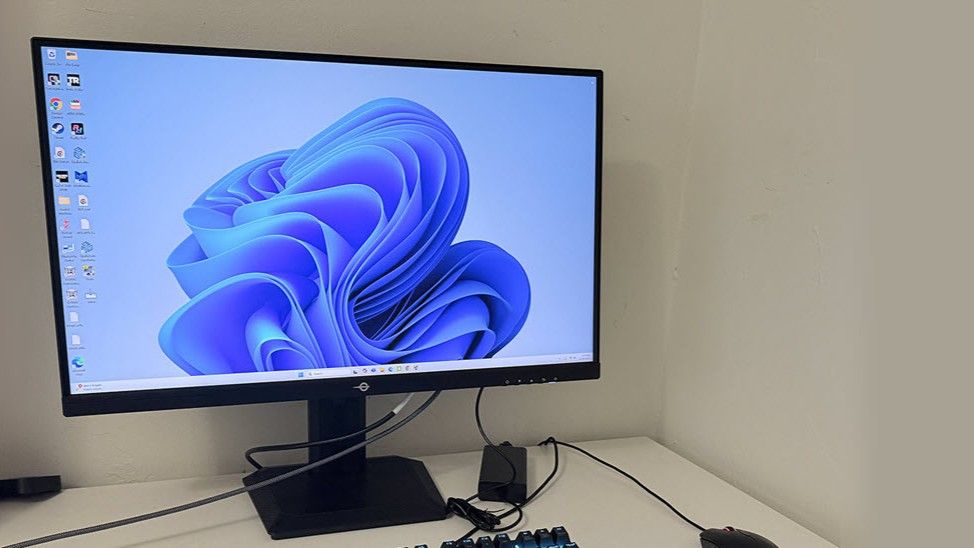
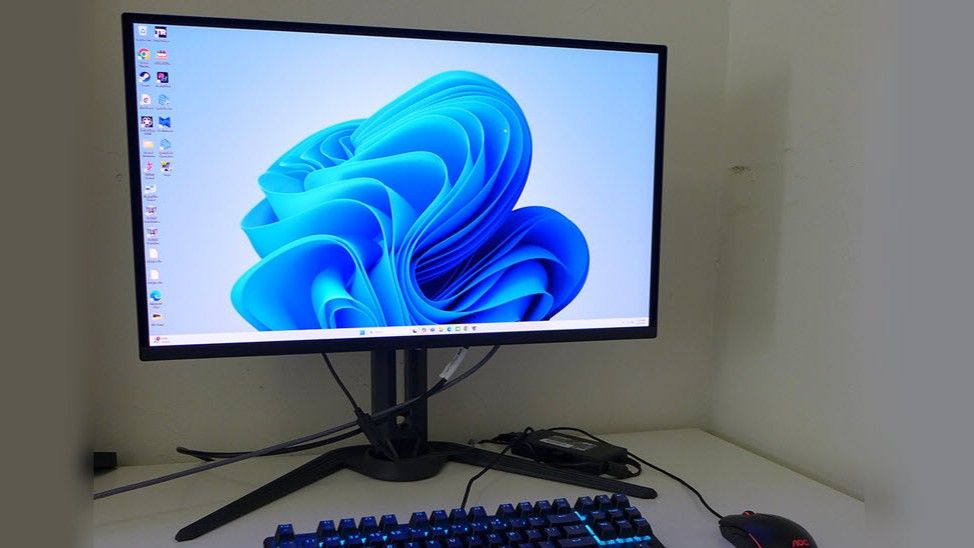
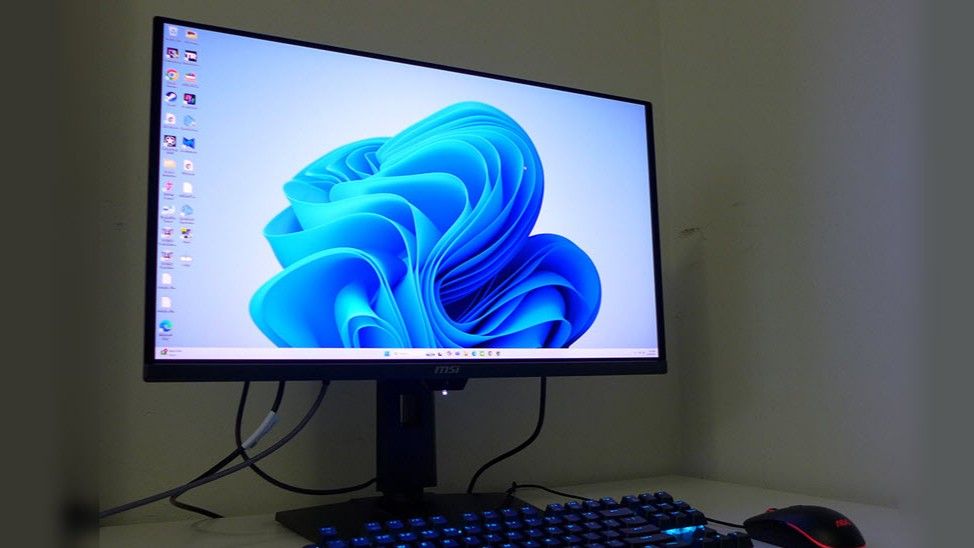
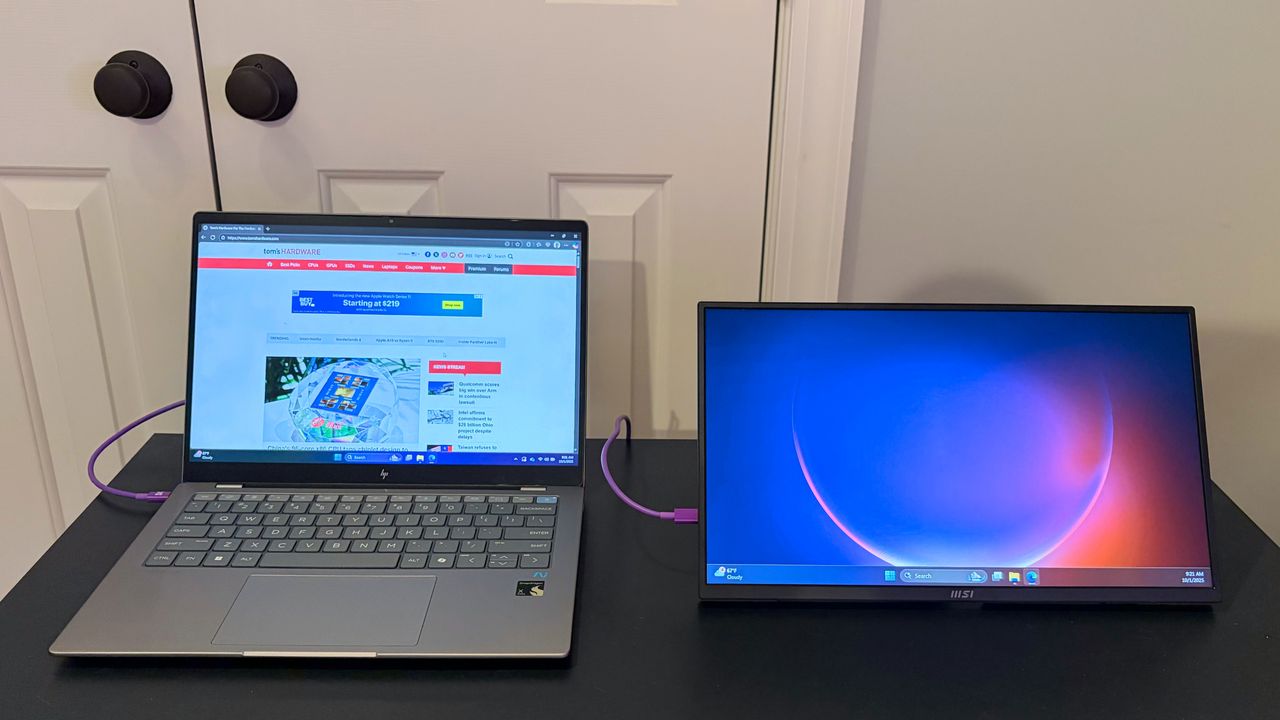
After 5000 hours of torture testing over 21 months, Monitors Unboxed has shared the latest effects of that stress on an MSI MPG 321URX OLED monitor. Beyond burn-in, the display is beginning to exhibit signs of gradual brightness degradation
Titan Army delivers 4K gaming in 160 Hz and 27 inches from its P2712V. It also runs at 320 Hz in FHD resolution and sports a Fast IPS panel, Adaptive-Sync, HDR10 and wide gamut color. It promises solid performance for a low price.
AOC packs tremendous value and performance into its Q27G4ZMN. It’s a 27-inch QHD VA panel with a 1,152-zone Mini LED backlight, DisplayHDR 1000, HDR10, a 240 Hz refresh rate, Adaptive-Sync, and wide-gamut Quantum Dot color.
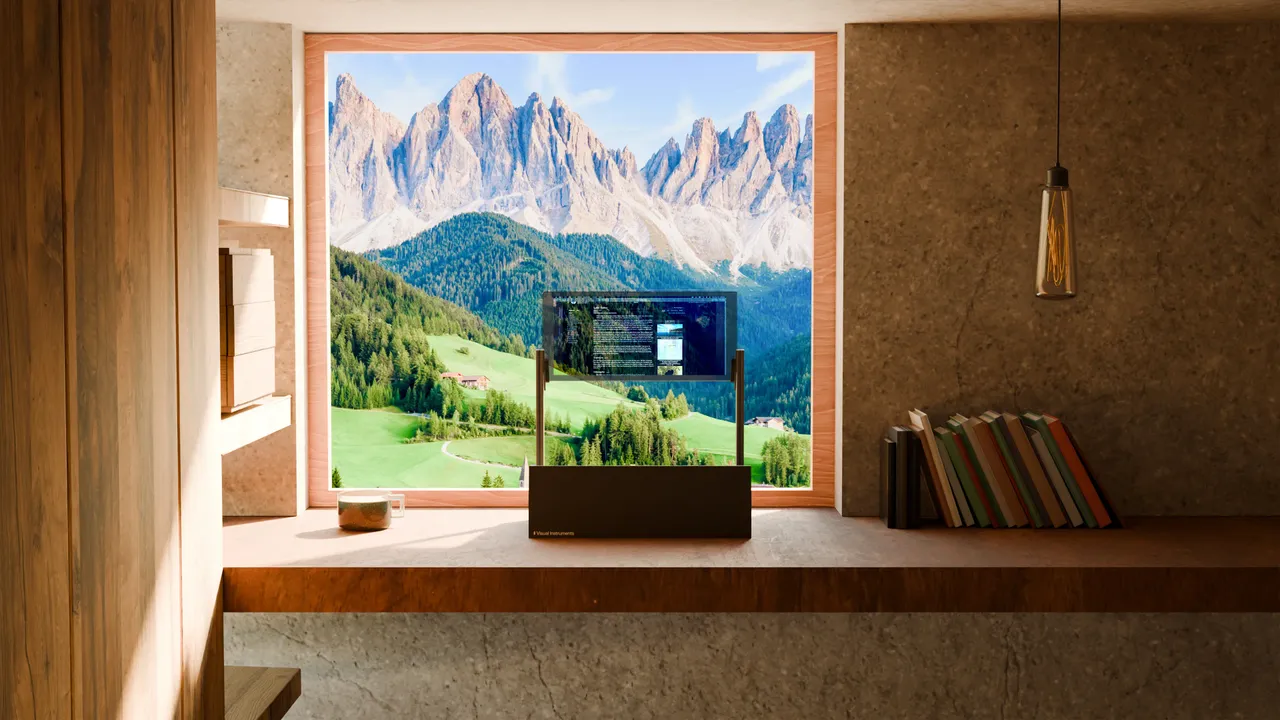
The Phantom employs beam-splitting technology similar to what's used in aviation HUDs, or teleprompters, to reflect a screen onto a half-glass, half-mirror surface, giving it that transparent look. It also claims to have adjustable transparency, meaning you can have a completely opaque monitor if you wanted.
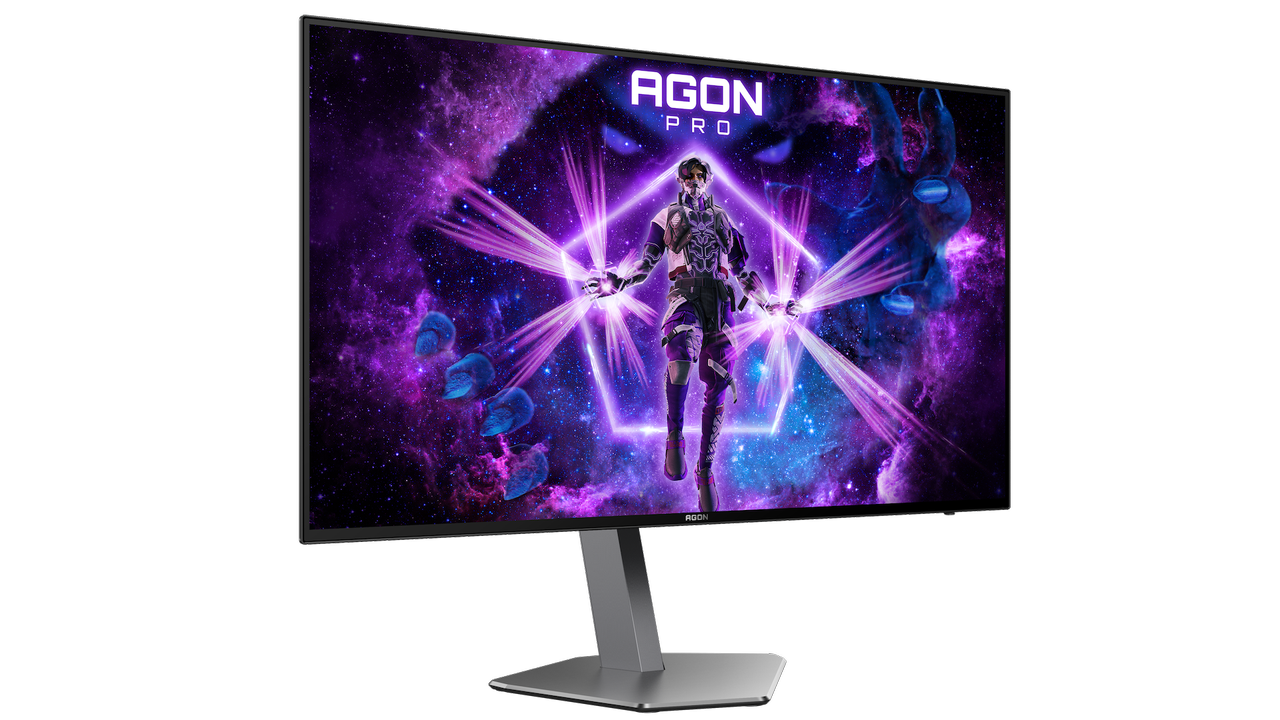
Gigabyte’s Aorus line begets a stunning new OLED, the 27-inch FO27Q5P. With extra-wide gamut Quantum Dot color, QHD resolution, 500 Hz, Adaptive-Sync and HDR500, it delivers maximum performance and image quality.
MSI brings another choice to the 500 Hz QHD OLED genre with its MPG271QR X50. It’s a 27-inch panel with Adaptive-Sync, MPRT, HDR 500 and wide gamut color. It delivers smooth, responsive and colorful gaming.
Researchers at the University of Cambridge and Meta Reality Labs have conducted a new study on just how many pixels the human eye can take in at certain distances, and determined it's fewer than we might think. They claim in their results that it means most humans wouldn't be able to tell the difference between 1440p and 4K on a 50-inch screen at 10 feet distance.
Scientists at a German university have developed the world's smallest light-emitting pixels. Measuring just 300 nanometers across, these pixels could create a display with a 1080p resolution that measures just a millimeter across.
 登录
登录