阅读视图

发现新文章,点击刷新页面。
✇Tomshardware

Nvidia weighs $250 billion guarantee so OpenAI can lease SoftBank's 10-gigawatt Ohio campus, report claims — Nvidia also said to be discussing $350 billion deal to finance chips for the site

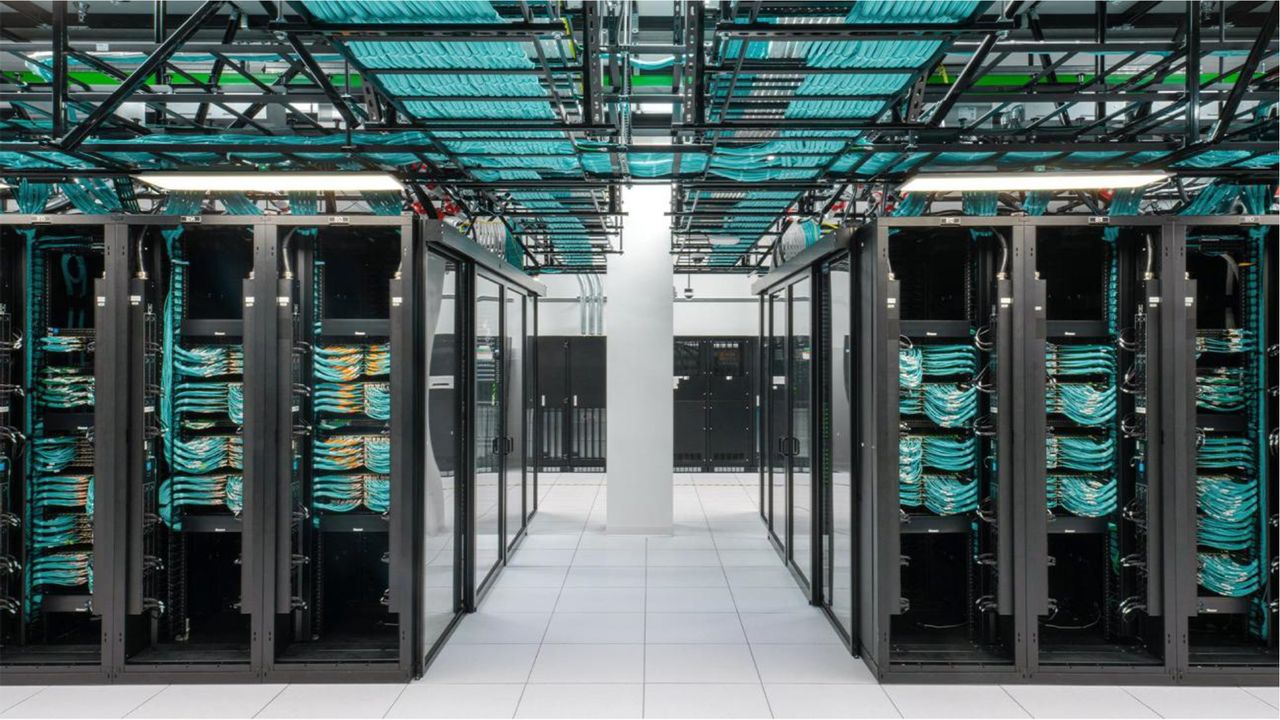
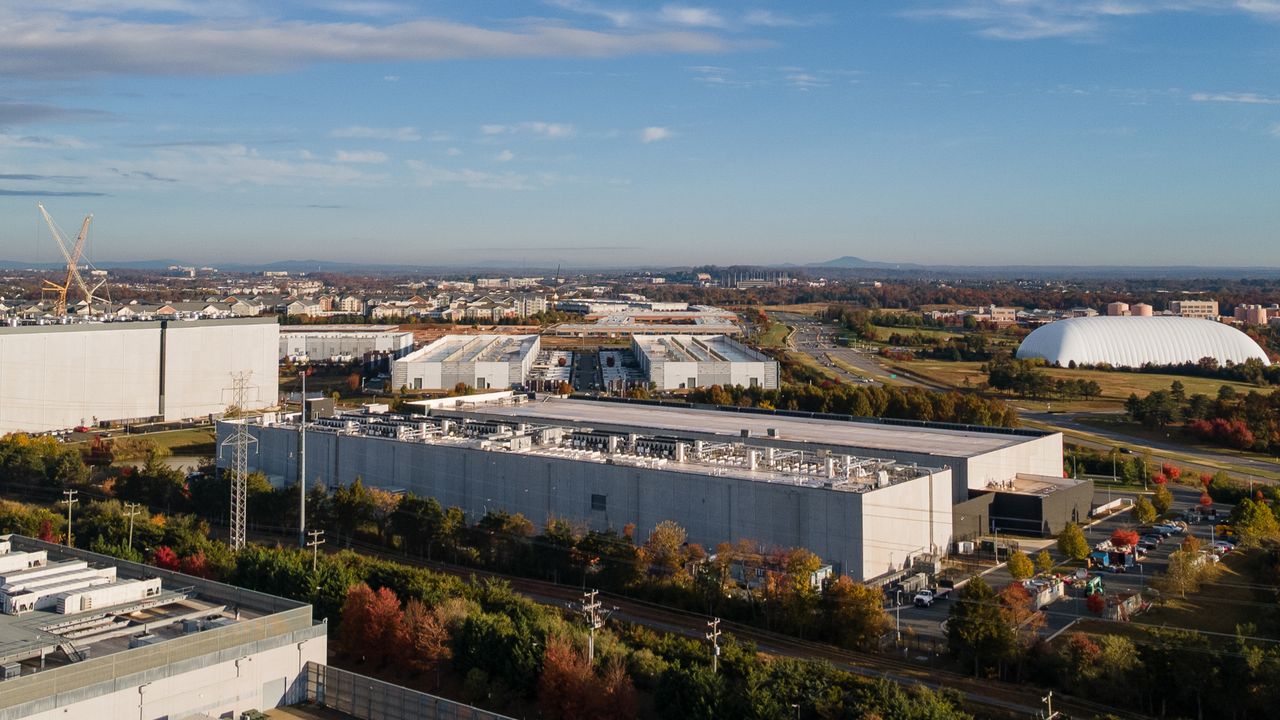
OpenAI is in advanced talks to lease SB Energy's 10 GW data center campus in Piketon, Ohio, with Nvidia in discussions to guarantee roughly $250 billion of the financing behind it, the Wall Street Journal reported on Sunday, citing unnamed people familiar with the matter. The site would be OpenAI's first as a tenant rather than a customer of Microsoft, Amazon, or Oracle, and Nvidia is separately discussing financing the accelerators going inside, which could run to another $350 billion. Terms haven't been settled, and the arrangement could still collapse.

OpenAI has no investment-grade credit rating, and Nvidia's involvement would let SB Energy raise debt against Nvidia's balance sheet instead of its tenant's. Nvidia has already put $30 billion into OpenAI, which has raised its projected compute spending to around $750 billion through 2030, up from roughly $600 billion earlier this year, according to the Journal. Commerce Secretary Howard Lutnick controls allocation of the site's power, and Anthropic, Microsoft, and Google have all spoken to him about it in recent weeks.

Nvidia's Q1 FY2027 10-Q caps maximum gross exposure across all of its partner facility lease guarantees at $3.5 billion, shrinking as partners pay their lessors, with $712 million sitting in escrow against it. Nvidia took the guarantees in exchange for warrants and carries them as credit derivatives, describing their fair value as immaterial.

The first one, disclosed in the third quarter of fiscal 2026, was capped at $860 million with $470 million of escrow behind it. The partner separately contracted to sell the data center cloud capacity, and Nvidia retained the option to assume the lease for internal use or sublease it if the escrow and that contract came up short. Neither remedy has an obvious equivalent at a 10 GW campus on federal land.

Nvidia held $62.6 billion in cash, cash equivalents, and marketable securities when fiscal 2026 closed on January 25, against full-year revenue of $215.9 billion and net income of $117 billion. A $250 billion guarantee works out at roughly 71 times the guarantee book Nvidia has disclosed, more than a year of revenue, and about four times its cash.

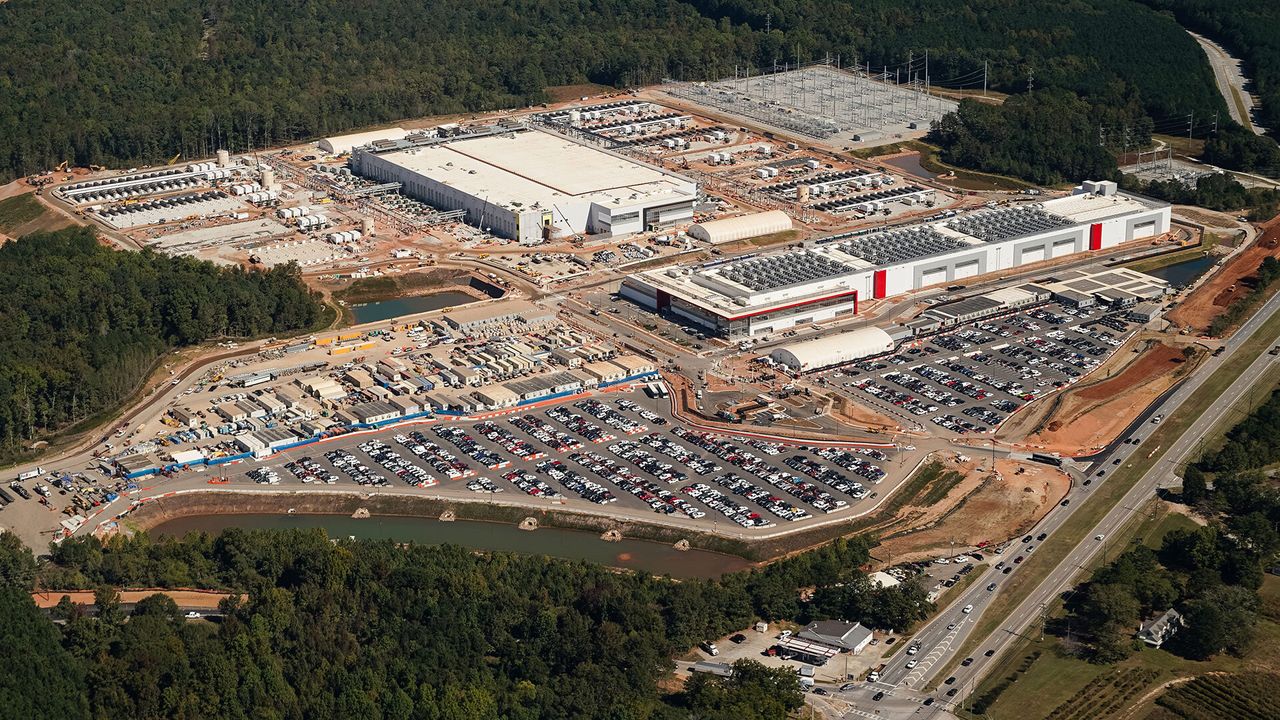
SB Energy broke ground at the former Portsmouth Gaseous Diffusion Plant on March 20 alongside Energy Secretary Chris Wright, Lutnick, and SoftBank chairman Masayoshi Son. The site enriched uranium for the U.S. weapons program from 1954 until 2001 and is still being decontaminated. The Department of Energy had listed it among 16 federal sites opened to data center construction, and SB Energy leases the land rather than owning it. Powering the campus takes 9.2 GW of new natural gas generation plus $4.2 billion of transmission work with AEP Ohio, funded by $33.3 billion Japan committed under its trade agreement with the U.S. The first phase, roughly 800 MW, is expected in 2028.

OpenAI gave up on building its own data centers last year in favor of leasing capacity, and SoftBank carries more than $130 billion of debt while funding buildouts in Ohio, France, and elsewhere.
✇Tomshardware

'It sounds like someone set up a vacuum, like in your living room': Michigan residents sue AI data center emitting noise 24/7 — company fined for industrial noise ordinance violations, offers to buy homes from residents

Residents of Dowagiac, Michigan, just filed a lawsuit against a data center that allegedly generates a high-pitched whining sound — and has done so 24/7 for the past two years.

The data center, which is owned by Alliance Cloud Services LLC, a subsidiary of Hyperscale Data, used to be an industrial building that sat behind a row of pine trees across the street from the most affected residents, according to ABC-affiliateWXYZ. The site started development in 2018 and was eventually turned into a cryptocurrency mining center in 2021. But in 2024, something changed drastically when the building started emitting noise pollution around the clock. Residents say it sounds like a vacuum cleaner in their living room, and the company has offered to buy up homes from unhappy residents.

“It sounds like someone set up a vacuum, like in your living room. And the vacuum is just... that thing needs to be cleaned ... the filter is clogged up, so it’s a high-pitch whining. And they just left it on and walked out," said Lindy Valenzuela, one of the residents living across from the data center. Billy Finn, who also lived nearby, added, “You’ve seen movies and stuff where they have somebody in a cell torturing them with sound. And that’s basically what it is."

Dowagiac has recently instituted an industrial noise ordinance, with a daytime limit of 65dB during the day and 55dB at night, and it has fined the data center for violations. However, Hyperscale Data is challenging the city’s readings and methodology. The company said that it’s planning to expand its operations in the footprint in the area, but the city said that it hasn’t received any permit applications.

It’s a high-pitch whining. And they just left it on and walked out

Area resident Lindy Valenzuela

Hyperscale Data CEO William Horne told the residents directly in a special council meeting that the site is pivoting away from cryptocurrency operations towards AI computing and advanced robotics, and that it’s spending $100 million to achieve this. It has also bought acres of adjacent properties for use as a natural buffer to reduce the noise that affects residents in the future, alongside other efforts that will reduce sound levels. "If they still aren't happy, and feel that their home isn't enjoyable, then we'll buy their property from them,” Horne said.

Still, this statement did not sit well with the affected residents. One of them said that their family has been living in the area for close to a hundred years, with their friends and support system, while another has a 17-month-old baby and another on the way, meaning moving for them is going to be difficult, if not impossible. Because of this, the residents asked the CEO why they didn’t act on the complaints as soon as they started and accused the company of not being a good neighbor.

This isn’t the first noise pollution lawsuit that a data center is facing in the country. A Microsoft data center is facing a similar class-action lawsuit in Wisconsin from residents who live within 1.5 miles of the facility. One non-profit organization also said that inaudible vibrations, called infrasound, that these industrial sites emit can be heard and felt for hundreds of feet in surrounding areas and could potentially have negative health effects on anyone who can feel it.

✇Tomshardware

Oregon will start charging service providers for undersea cables using its sea floor — millions accrued over years will go toward state schools

After decades of charging only a one-time fee for undersea cables along its coast, Oregon's lawmakers have recently been discussing a missed opportunity for tax revenue. The state is set to charge cable operators a one-time fee for cable installations within three miles of its coastline, and will be funneling that money into its Common School Fund.

The currently existing fee structure dates back to 2001 (25 years ago), and is simply a $5,000 application fee. The new pricing is still undergoing discussion, but the simplified version is $3 per linear foot of cable, plus $7 per each section of bore pipe — the protective structure that covers the portion closest to shore. Oregon's Department of State Lands (DSL) estimates that on a 20-year lease, this would bring in millions per undersea cable over that time span. The DSL did some rough math with Amazon's Bitfrost cable, and came up with a grand total of $1,450,380 for two decades, paid in one lump sum.

It's worth noting that the aforementioned rates were revised from an earlier, more expensive proposal that would take bore cross-section into account (a calculation that was dismissed as too complicated and, presumably, too onerous). The state wants to continue attracting investment to its tech sector, which includes around 140 datacenters and 16 undersea cables of various types. Oregon also doesn't have sales tax, and its enterprise zoning incentives has made it an attractive location for players like Amazon, Microsoft, and Google.

The DSL calls the revised rate "competitive-to-low," reinforcing the notion that Oregon is trying to stay competitive with its southern neighbor, California, which charges an estimated $5 per cable foot on an annual basis.

It's worth noting that spending a million or two over two decades is peanuts compared to the initial outlay required to put an undersea cable down in the first place, especially one coming from across the world. These reportedly ring in at around $250 million for a transatlantic connector — and a whopping $400 million to cross the Pacific.

Although it's not set in stone, it seems that already-approved cables might be almost entirely exempt from the new fees. Some recent contracts, such as the one for Amazon Bifrost, did include a clause that said that any fees applied by new state laws must be paid for. However, the contract also included a specific $300,000 "out" for this clause — which Amazon paid at the time.

✇Tomshardware

Data centers forecast to use 20% of US power by 2035 — analysts estimate usage will rocket to 194 gigawatts, 83% more than forecast seven months ago

U.S. data centers are on track to consume about 20% of the nation's electricity by 2035, up from 5.9% today, according to a new BloombergNEF forecast The research firm raised its 2035 demand projection to 194 GW, an 83% increase on the forecast it issued in December, and calculated that even a record pace of grid connections sustained every year for a decade would leave a 19 GW supply shortfall.

BNEF's December outlook put 2035 demand at 106 GW, and that figure was itself 36% above the projection the firm published in April 2025, which works out to roughly 78 GW. The 2035 number has increased around 2.5 times in 15 months, with the latest jump reflecting the volume of new AI facilities entering the development pipeline rather than capacity actually under construction. Many other forecasters are moving in the same direction, with the electrical industry nonprofit EPRI more than doubling its 2024 estimate and S&P raising its projection by more than a third between October and April.

Nearly half of the projected capacity will serve AI training and inference workloads, and the U.S. is expected to host 64% of the world's AI chips by power demand in 2033. BNEF estimates that data centers will account for around 12% of U.S. electricity consumption in 2030 before reaching 20% five years later, with Virginia and Texas running above the national average. Gartner separately forecast that global data center electricity consumption will grow 26% this year, reaching 565 TWh in 2026.

The most data center capacity ever connected to the U.S. grid in a single year is 7.1 GW, according to the report. Holding that pace through 2035 still produces a 19 GW shortfall under BNEF's base case, even after accounting for on-site gas generation. Lloyd Arnold, a BNEF analyst and one of the report's authors, told Bloomberg that of the output from "every coal plant, every gas plant, every solar farm in the U.S.," one unit of energy in five will go to data centers.

PJM Interconnection, the 13-state grid operator whose territory includes Northern Virginia's data center corridor, will send 34% of its electricity to data centers by 2035, with ERCOT in Texas at 22%, per reporting from TechCrunch. PJM's independent market monitor has already attributed a 75.5% increase in regional power costs directly to data center demand.

Close to half of planned U.S. data center builds this year are projected to be delayed or canceled, with lead times for high-power transformers stretching to as long as five years. BNEF's own December revision was driven primarily by early-stage projects that entered utility queues to secure power before construction began, so a meaningful share of the pipeline behind the 194 GW figure remains speculative.

✇Tomshardware

Amazon data center in Bahrain struck and destroyed by Iranian cruise missiles, state media claims — attacks launched against AWS site in response to alleged US strikes on an under-construction nuclear plant

Amazon’s Bahrain data center was reportedly once again hit by missile strikes after the Iranian Islamic Revolutionary Guard Corps (IRGC) conducted an attack against the site. Iran state media claimed that the IRGC launched cruise missiles against the AWS facility and “destroyed it” in response to the U.S.’s bombing of a nuclear plant being built in Darkhovin, Iran, which is close to the Iraqi border.

This isn’t the first time that the American tech giant’s data centers have been attacked in the area. In fact, Iran used drones and missiles to hit several AWS Middle East regional data centers just days after the U.S. began its air strikes against the country. The damage to the sites has gotten to the point that Amazon put them in “hard down” status between late March and early April, with the last update on the AWS Health Dashboard saying that the Middle East (Bahrain) Region (ME-SOUTH-1) “is currently unavailable.”

It isn’t clear if Amazon has begun work on restoring its services in the region. The U.S. and Iran agreed to a ceasefire on June 17, 2026, but the entire thing collapsed after the latter allegedly attacked three ships in the Strait of Hormuz that were sailing in Omani waters on July 7. This led to an escalating series of retaliations, with one of the recent Iranian strikes resulting in American casualties in Jordan. Aside from hitting the nuclear powerplant that’s still under construction, U.S. Central Command said that it also “targeted Islamic Revolutionary Guard Corps forces that launched attacks against U.S. service members in Jordan on July 17.” The IRGC said that this is what led to its most recent attacks on AWS Bahrain.

Despite the strikes, it seems that it had no effect on Amazon’s services — the company has long moved its customers to sites unaffected by the conflict, ensuring service continuity. While it’s possible that the tech giant is trying to repair the damage to its sites, it hasn’t released any updates about the AWS Bahrain data center. As long as the war between the U.S. and Iran hasn’t resulted in lasting peace, American infrastructure in the region is in grave danger of being attacked, especially as the IRGC has directly threatened American tech companies like Microsoft, Apple, Google, and even OpenAI’s $30-bilion Stargate data center in Dubai.

✇Tomshardware

Elon Musk spent estimated $1 billion on an energy company to power xAI, filings reveal — APR Energy owns a fleet of trailer-mounted gas and diesel turbines capable of generating more than 1 gigawatt

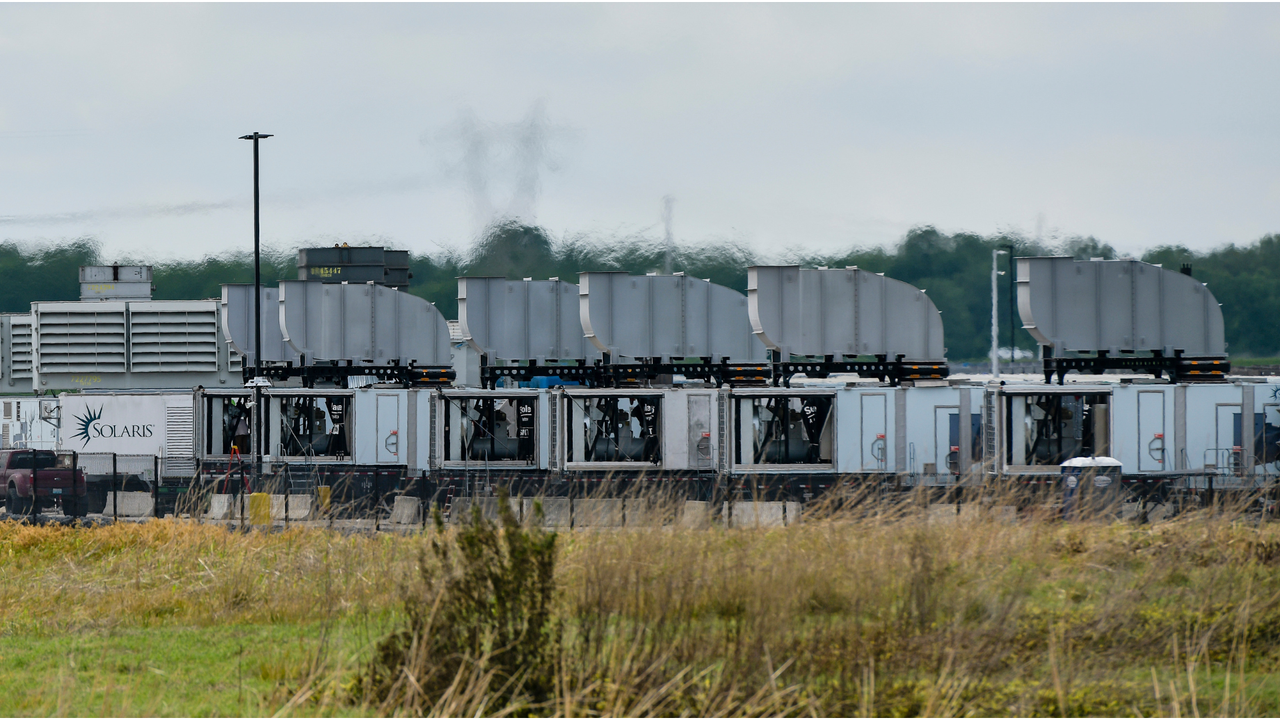
Elon Musk’s Colossus 1 and 2 data centers are in hot water for allegedly using unpermitted mobile natural gas turbines to generate the power they need. But even though he also owns a solar power generation and large-scale battery storage business through Tesla Energy, Electrek reports that he instead doubled down on mobile generators after purchasing APR Energy. It’s not exactly known how much Musk paid for the company, but disclosures revealed that he spent more than $50 million on the 5% stake held by a minority shareholder. This meant that he likely poured at least a billion dollars into the entire firm if every shareholder received the same amount.

Deals of this magnitude often come with press releases, but it was only made public because of a Federal Trade Commission (FTC) early termination notice that approved it without requiring further review. It’s unclear why Musk did not publicize it, but SpaceXAI is currently facing allegations that its data centers in Memphis, Tennessee, are generating massive amounts of pollution that mostly affect nearby black communities. It makes financial sense for Musk to acquire APR Energy, especially if he’s spending millions of dollars renting these generators. However, he’s also trying to win over his data centers’ neighbors, like giving a 50% discount on all residential Starlink plans in Memphis and Southaven, and news like this would certainly undermine his efforts.

It’s understandable why SpaceXAI wants to continue using these mobile turbine generators instead of connecting directly to the grid. The massive amounts of power that these data centers demand, with Musk aiming for a 1-gigawatt capacity, means that the infrastructure behind that must be upgraded. It would also take months, if not years, before his sites could get approved to connect to the grid. Aside from having to go through several regulatory hoops, it would also likely face stiff resistance from the community who is afraid of experiencing the same “irreversible” 76% price spike that PJM imposed that’s being blamed on data centers.

But even without a fixed powerplant (which Musk is reportedly importing), SpaceXAI is already facing opposition from the community. The residents surrounding the sites have already filed a lawsuit against SpaceXAI and Elon Musk, but it will likely be an uphill battle, especially as the Department of Justice (DOJ) has weighed in, saying that Colossus 2 “supports mission-critical operations” for national security. We still don’t know what will happen to Elon Musk’s turbines, especially as the hearings are yet to take place; but in the meantime, nearby residents have no choice but to accept the alleged additional risk and pollution that these mobile generators bring.

✇Tomshardware

Elon Musk’s Colossus 2 data center installed 59 natural gas turbines without permission, report claims — thousands of tons of pollutants reportedly impact black communities in Mississippi already suffering from elevated lung disease rates

Elon Musk's Colossus 2 xAI data center, which runs independently of the power grid through on-site natural gas turbines, is said to be releasing thousands of tons of nitrogen oxide and carbon monoxide every year. According to Reuters, the company has installed 59 temporary, mobile natural gas turbines without permission, and these unpermitted portable units mostly heavily affect the communities surrounding the site, which happen to be predominantly black and are already suffering disproportionately high lung disease rates. xAI has claimed that it’s running 27 turbines without any permits, saying that it’s exempted because of their temporary nature.

Elon Musk’s alleged use of illegal turbines isn’t a new issue, with the community discovering that it’s been using over 30 gas turbines on the site, despite only having an ongoing application for 15 in July 2025. The company said that these turbines are exempted from the permitting process, as they are not permanent installations and will be moved within 364 days. The Environmental Protection Agency (EPA) issued a ruling earlier this year that removed all exceptions, but told Reuters that “it’s considering changes allowing ‘regulatory flexibilities’ for portable units while continuing to protect public health.”

The Colossus data centers were put up in record time, and Musk had to bring his own energy sources to achieve this. That’s because connecting to the grid could take years, especially if the grid must be upgraded to deliver his 1-GW capacity target. However, the Clean Air Act permitting process could take a similarly long time, with the report suggesting xAI bypassed it completely just to achieve its goal. Adding to the complexity, while the data center is located in Tennessee, Reuters reports that "at least" 57 of the 59 turbines are actually located just over the state line in Mississippi, which issued a permit for 41 permanent turbines in March. xAI and Mississippi environmental regulators claim the turbines are mobile and therefore don't need permits, but they also aren't covered by the permit for 41 permanent turbines.

This did not sit well with the communities surrounding the data centers, especially Colossus 2, which sat near the border of Tennessee and Mississippi. Because of this, xAI (now called SpaceXAI after its recent merger with Space X) is facing a lawsuit from the NAACP, which alleges that the operation of these unpermitted turbines resulted in an 111% increase in nitrogen oxide exhaust, an 83% increase in PM2.5 airborne particles, and an 88% increase in formaldehyde emissions. The Reuters investigation says that just 30 of the 59 turbines listed could emit 2,500 tons of nitrogen oxide, 4,000 tons of carbon monoxide, and 22 tons of formaldehyde annually — way above the 100-ton nitrogen oxide threshold that the Clean Air Act set for turbines to operate without a permit.

These pollutants are proven to have adverse effects on the health of the people living within a five-mile radius of the source, and census data showed that the residents living in the affected area are predominantly black. Since Colossus 2 straddles a state boundary, the publication listed the data for two counties — DeSoto County, Mississippi, and Shelby County, Tennessee. Statistics show that about 46% of the population in the former and 94% in the latter are black, which is significantly higher compared to the 33% and 52% in the rest of the counties.

While the report did not say that these communities were deliberately targeted, it also pointed to a 2022 study that showed that areas once redlined by banks still suffer in the present day from higher air pollutant emissions. SpaceXAI recently announced an automatic 50% discount and free hardware rentals on Starlink plans for people living near Colossus 1 and 2, with SpaceX VP for Starlink Michael Nicolls saying on X, “The unique capabilities of the Colossus datacenters could not be accomplished without the partnership and support from the local Memphis community.” While this may bring some benefit to already existing Starlink users, some say that this is merely a PR stunt to help give the company a better image as the community is battling the air and noise pollution they bring to the area.

✇Tomshardware

New York enacts one-year data center ban on projects larger than 50 megawatts — first US state to implement moratorium; will also pursue repealing tax exemptions

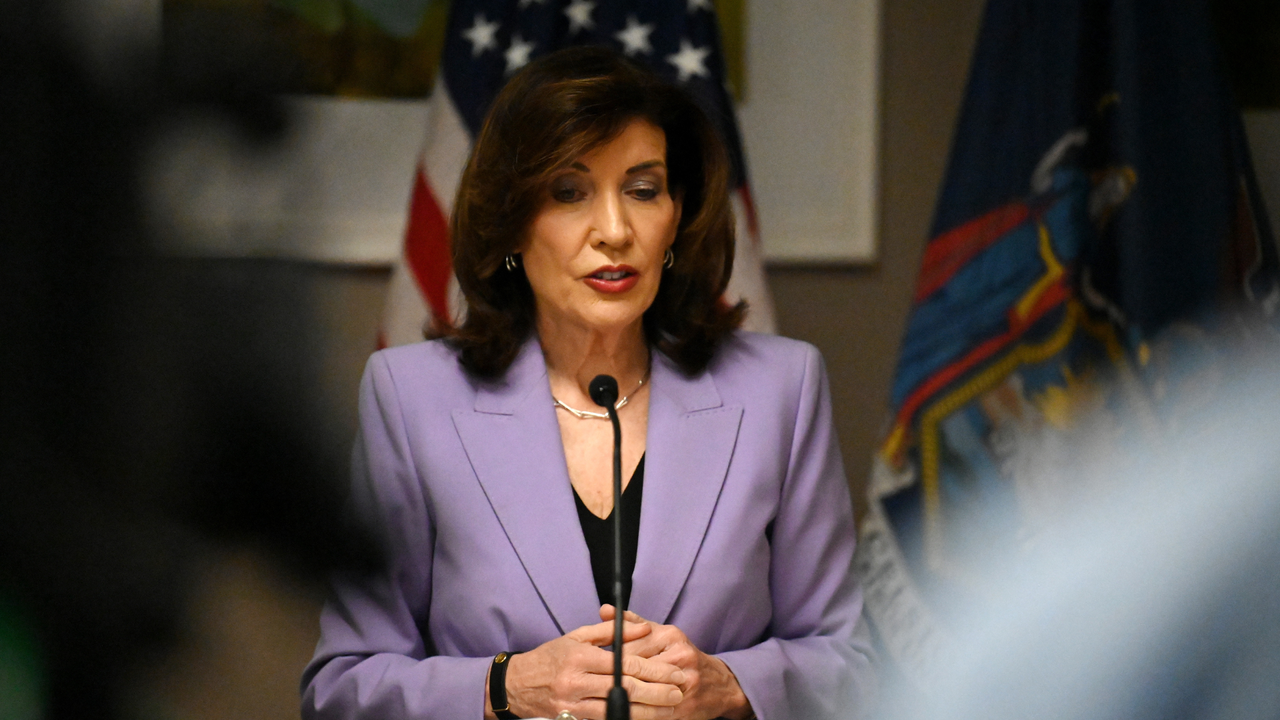
New York Governor Kathy Hochul signed into law Senate Bill S10642 today, also called the Responsible Data Center Development Act, which would put a one-year moratorium on all data center developments in the state. According to Reuters, this is the first temporary ban to be enforced statewide in the U.S. Maine’s legislature was actually the first one to pass a statewide moratorium, but Maine Governor Janet Mills vetoed the measure after it failed to exempt a data center project “that enjoys strong local support from its host community and region.”

"As data center development threatens ⁠to hike up utility bills, deplete our natural resources, and create uncertainty for New Yorkers, it's my responsibility to take ​action and lead," Hochul said in a statement. She also said that she’s pursuing legislation to repeal tax exemptions for large data centers. The moratorium will apply to data center projects with a capacity of 50 megawatts or more, with the New York Department of Environmental Conservation not issuing any more permits to projects that haven’t been completed yet.

Hochul said that the state will build a Generic Environmental Impact Statement (GEIS) so that future data center developments are held to “consistent standards,” while also looking at how the construction and operation of these projects will impact the environment. Although the data center moratorium is set for one year, the governor’s office said that it will be lifted once the state has finalized the GEIS.

President Donald Trump has been pushing for the development of AI technologies, with the White House releasing the ‘AI Action Plan’ to accelerate infrastructure build-out. While this policy encouraged the development of AI data centers, the numerous large projects also resulted in memory and storage chip shortages, as well as negative impacts in the communities and regions where they’re located. For example, Monitoring Analytics, which oversees the largest power grid operator in the U.S., attributes an “irreversible” 76% price hike to increased data center demand, while a Virginia county has asked government offices to conserve power because of AI-driven price hikes. There have also been multiple issues with various data center projects relating to water consumption and air and noise pollution, which is why 70% of Americans now oppose having a data center built near their home.

All this pushback has resulted in many jurisdictions passing data center moratoriums. More than 75 projects have already been delayed in the first half of this year, amounting to $130 billion, with New York state being the first one to pass a state-wide temporary ban. Before this, Seattle, which plays host to the headquarters of Amazon and Microsoft, passed a similar one-year moratorium last month.

While delays like this will likely negatively impact the future availability of compute within the U.S., it’s also forcing tech giants to speed up innovations and governments to pass laws that protect their constituents. Multiple startups have started unveiling or even turning on their small modular reactor (SMR) prototypes, which could deliver the power needed by data centers without increasing air pollution or straining the local power grid. AI tech companies like Microsoft and Nvidia are also working on solutions that will cut data center energy use and water consumption, while Oregon’s POWER Act increased data center bills by 30% while cutting residential costs by 1.3%.

✇Tomshardware

Meta expands colossal Hyperion AI supercluster plans to 5GW, pushes Louisiana investment past $50 billion as AI race accelerates — says it plans to invest over $1 billion in local infrastructure improvements

Meta has said it will expand its Hyperion data center in Richland Parish, Louisiana, to 5 GW (gigawatts) of compute capacity from an initial 2 GW, pushing the company’s planned investment in the region beyond $50 billion. The announcement — made in an official blog post on Monday, July 13 — confirms the long-signaled scale-up of what is already Meta's largest data center.

The expansion will be a major increase over the $10 billion, 4-million-square-foot project Meta unveiled in December 2024, when it said the campus would deliver more than 2 GW of capacity. However, the 5GW target itself is not entirely new. CEO Mark Zuckerberg said in July 2025 that Hyperion would eventually reach that scale. Monday’s announcement formally ties the expanded capacity to an investment exceeding $50 billion and provides updated figures for jobs, contracts, and public infrastructure spending.

Much of the announcement is built around local economic impact. Meta said local Louisiana businesses have received more than $1.6 billion in contracts since construction began, while also highlighting teacher bonuses in Richland Parish that rose from $10,000 last year to more than $50,000 this year, funded by increased tax revenue tied to the data center.

In what appears to be a bid to pacify anti-data-center sentiment further, Meta said it plans to invest over $1 billion in local infrastructure improvements, including roads, water, and wastewater systems, as part of the expansion. The company’s recent agreement with utility Entergy Louisiana includes natural-gas plants providing more than 5.2 GW of capacity and support for up to 2.5 GW of new solar generation. Entergy claims Meta’s payments could save other customers around $2 billion over 20 years — a significant reprieve amid concerns over the impact of data centers on nearby residents’ electricity bills — although those savings remain projections.

On the other hand, the project is also receiving substantial state and local support. In late 2024, Louisiana Governor Jeff Landry signed into law a 20-year sales tax exemption for data centers built before 2029, part of an explicit effort to court Meta. The law allows qualifying data centers to claim sales-and-use-tax exemptions on eligible equipment. At the same time, Meta is expected to benefit from the state’s Quality Jobs program and a payment-in-lieu-of-taxes agreement that could reduce its property-tax burden if investment and employment targets are met.

First announced as a $10 billion project in December 2024, Hyperion is Meta’s AI supercluster campus in Richland Parish, Louisiana. The data center will house the infrastructure needed to train and run Meta’s future AI models, with CEO Mark Zuckerberg linking it directly to Meta Superintelligence Labs, the company’s AI division. In October 2025, Meta and Blue Owl Capital announced a joint venture valuing the project’s buildings and infrastructure at roughly $27 billion. Blue Owl holds about 80% of the venture, with Meta retaining 20% and leasing the completed facilities. The July 13 announcement raises Meta’s total planned investment in the region to more than $50 billion, but provides no further details on how the expansion affects the joint venture.

Hyperion is one node in a much larger spend. Meta is forecast to spend up to $145 billion in capital expenditures in 2026, mostly on AI infrastructure, as demand for AI compute continues to outstrip supply. The company has said it will cut 8,000 jobs to raise funds. Meanwhile, Monday's announcement follows what Meta says is its strongest week on the market since early 2024, driven by new AI model releases.

✇Tomshardware

Ireland’s data centers consumed nearly as much electricity as every home in the country combined in 2025 — server farms gulped 23% of national power despite years of grid restrictions

Data centers accounted for 23% of Ireland's total electricity consumption in 2025, according to data released by the country's Central Statistics Office last week. The report revealed that data center consumption rose to 7,663 GWh in 2025 from 6,973 GWh in 2024, a 10% rise in a single year. Meanwhile, consumption by the rest of the country increased by just 2% within the same period.

Viewed over a ten-year period, the 2025 figure represents a steep 360% increase from 2015, when data centers' total consumption was just 5%. The rise in consumption is even steeper when measured on a quarterly basis. Q4 2026’s consumption was 1,991 GWh, a 584% rise from Q1 2015’s 291 GWh.

“Newly compiled quarterly figures spanning 2015 to 2025 highlight a substantial increase in metered electricity consumption by data centers. Over this period, data center consumption saw a significant increase, from 291 GWh in the first quarter of 2015 to 1,991 GWh in Q4 2025, growing by 584%,” noted Dr. Grzegorz Głaczyński, an in-house statistician in the CSO’s Climate and Energy Division.

At 23%, data centers' consumption was almost as much as residential, including both urban and rural dwellings, which stood at 28%. The roll oout of these server farms — which have rapidly increased in number around the world due to the AI boom — have sparked a global debate. While they are critical to the AI technological revolution, there has been growing concern about their impact on the local communities where they are situated. Critics cite the impact of the immense electricity consumption on residents’ bills as one of many concerns.

The Republic of Ireland, with a relatively small population of around five million, is home to around 89 data centers, primarily clustered around the Greater Dublin Area. The majority and the largest belong to hyperscalers, including Microsoft, AWS, Google, and Meta, that build and operate facilities exclusively for their own cloud infrastructure, consumer apps, and AI frameworks. The rest are owned by colocation providers that lease out capacity.

While Ireland's initial data center boom was driven by traditional cloud storage and social media applications, the explosion of generative AI has led to a sharp increase. Due to fears that soaring electricity demand from server farms would cause widespread blackouts, the country's Commission for Regulation of Utilities (CRU) issued an emergency regulatory direction in November 2021 that imposed a de facto moratorium on new data center grid connections. The policy mandated that the national grid operator, EirGrid, immediately halt the processing of standard power applications for new data facilities, requiring developers to either supply their own on-site electricity generation or relocate to unconstrained regions outside the Greater Dublin Area.

Despite the moratorium, data center consumption continued to rise steadily, to the point that the International Energy Agency predicted in 2024 that data centers would account for a third of the country's electricity consumption by 2026. The data show that the prediction remains a possibility, as the 23% figure was for 2025 and consumption has risen steadily every year.

Ireland has replaced the moratorium with a new Large Energy Users (LEU) Connection Policy, enacted by the CRU in late 2025 to manage data center growth. Under this policy, developers of new data centers (over 10 MVA) must provide 100% on-site, flexible power generation to meet demand, while sourcing at least 80% of annual electricity from new, unsubsidized renewable projects within six years of operation.

The immense electricity consumption is not unique to Ireland; surveys indicate that global data center electricity consumption will grow by 26% this year. These concerns, as well as issues over water usage and noise pollution, have led to growing anti-data sentiment in the US, with 70% of Americans reportedly opposed to siting data centers nearby. Protests have led to the cancellation of over 75 data center projects in the U.S. in Q1 2026.

✇Tomshardware

AI servers will consume more power than all conventional data center hardware combined by 2027 — global data center electricity consumption set to grow by 26% this year, Gartner forecasts

Global data center electricity consumption will grow 26% in 2026 to reach 565 terawatt-hours (TWh), up from 447 TWh in 2025, according to a recent Gartner forecast that names power availability as a binding constraint on AI expansion. Worldwide power demand is set to rise 27% to 132 GW over the same period, up from 104 GW in 2025, with consumption projected to exceed 1,200 TWh by 2030. The gigawatt figure measures peak capacity that has yet to be built, permitted, and connected, while the terawatt-hour figure measures the electricity actually drawn over the year. Both, however, are climbing faster than utilities can add supply.

"Surging demand for compute-intensive AI workloads is driving unprecedented data center power growth, while AI capacity is now constrained by power availability, making data center power security the new battle ground for scaling and protecting margins in the global AI race," said Gartner's Direct Analyst Linglan Wang.

AI-optimized servers consumed about 95 TWh worldwide in 2025 and will draw 175 TWh in 2026, an increase of roughly 84%. Gartner expects that figure to reach 258 TWh in 2027, the point at which AI-optimized hardware will consume more electricity than conventional servers for the first time. By 2030, AI-optimized servers are forecast to account for close to half of all data center power consumption.

Conventional servers are effectively flat by comparison. They grew less than 1% in 2025 and are projected to rise 1.2% in 2026 to around 195 TWh, reaching 200 TWh in 2027. Gartner estimates AI-optimized servers will make up 31% of total data center power consumption in 2026, up from roughly 20% a year earlier. Cooling, of course, represents a growing share of the total, with electricity used by cooling systems forecast to climb 22.6% in 2026 to 195 TWh, reflecting the thermal load of denser AI racks and continued capacity expansion.

The U.S. accounts for about 204 TWh of the 565 TWh total in 2026, or 36% of worldwide consumption. Of that U.S. figure, dedicated AI data centers consume roughly 68 TWh, or one-third of the national total, while non-AI data center demand in the country has grown only marginally over the same period.

Regional grids are already feeling the strain, and more than 75 data center projects worth $130 billion were blocked in the first months of 2026 amid opposition over power and water costs, while some operators have turned to on-site gas generators to bring capacity online without waiting for grid connections. In Virginia, one county asked employees to conserve power as data center demand pushed utility rates higher.

In its report, Garner warns that grid supply will be insufficient to meet demand once consumption passes 1,200 TWh by 2030, a shortfall that will affect all data center users, not just AI operators. The forecast accounts for parts and supply shortages, delayed or cancelled projects, and geopolitical disruption, including conflict involving Iran. Wang said infrastructure and operations leaders should prioritize efficiency upgrades, secure grid access, and invest in high-efficiency cooling and edge computing to manage the constraint.

Hyperscalers have moved in the same direction, with Meta having signed deals for more than 6GW of nuclear power to supply its upcoming data centers, and one firm repurposing retired U.S. Navy reactors for an AI site in Tennessee. Those projects will take years to deliver, with recommissioned nuclear plants and the earliest small modular reactors not expected online until 2028 or later, leaving power availability as a near-term limitation on the seemingly unstoppable AI build-out.

✇Tomshardware

Power company hikes data center bills by 30%, cuts residential electricity costs by 1.3% — Oregon approves change through POWER Act, pushes developments using more than 20 Megawatts of power to pay their fair share

Portland General Electric (PGE), Oregon’s largest electricity supplier, will increase its rate for large power consumers by 29.7%. Oregon Public Broadcasting (OPB) reports that the state’s Public Utility Commission (PUC) unanimously approved the increase, which will primarily affect large industries, data centers, and cryptocurrency mining operations. Meanwhile, costs for residential users will decline. The higher rate class, which was created last year under the state’s POWER Act, will be applied to developments that use more than 20 MW of power, which is about what a large paper mill consumes, and is way lower than the target capacity of some of the largest data centers.

“These changes ensure that costs created by data centers in PGE’s territory are more accurately reflected in their rates,” PUC Chair Letha Tawney said in a statement. “By putting this structure in place now, we are getting ahead of a bigger issue, enabling responsible data centers to pay their own way, and protecting customers from higher costs in the future.” Oregon Governor Tina Kotek called this move “a win for Oregonians.” “The POWER Act was intended to ensure fairness and accountability when large energy users, like data centers, take up more load on Oregon’s electrical grid,” Kotek said. “We must continue to do whatever we can to keep working families and small businesses from absorbing the costs of data center energy use.”

This is the first piece of good news to come out of electricity and data centers for residents, at least for the state of Oregon. Opposition against data centers has steadily been increasing, especially in the last few months, with more than 70% of Americans pushing back against data center developments near their communities. This is primarily driven by the massive power consumption that these projects require, leading to unprecedented price hikes in the regions they’re located in. This increase in utility costs isn’t just caused by the massive amount of electricity that data centers use, but also by the huge investments that utility companies must make to upgrade their capacity to account for this increased use.

By forcing large customers to pay for these upgrades through increased rates, ordinary consumers won’t have to face higher energy bills. President Donald Trump has previously summoned AI tech giants to the White House and made them promise to “pay their own way” through the “ratepayer protection plan.” However, some experts were skeptical about this move, as it doesn’t have any teeth and cannot be legally enforced.

On the other hand, Oregon’s POWER Act (HB 3546), which the state passed in April 2025, codified this into law. “HB 3546 is a simple and straightforward bill to ensure that large energy users served by investor-owned utilities pay their own way. We aren’t asking them to subsidize other users, and we aren’t challenging the tax benefits that are often associated with development. We just want their bills to reflect the true costs of their electric service,” State Representative Pam Marsh, D-Ore. (HD-5) said when it passed.

We have yet to see if other states will follow and pass similar laws that will reduce the burden on the general consumer. While this move might feel counterintuitive for data centers, as they will end up paying more in electricity costs in the long run, this would help ease the public opposition against their developments. By ensuring that the general consumer is protected from unwarranted price increases, they might be more receptive to having data center developments built near their homes.

✇Tomshardware

UK gives data centers option to apply for 'national importance' status that overrides local regulations, cuts timeline by a year — eligible projects to bypass local councils, save more than a billion dollars in NIMBY fights

The UK just gave Nationally Significant Infrastructure Projects (NSIPs) the right to bypass pre-application consultation with local council planning processes, meaning the green light will come directly from the national government. According to The Register, NSIPs are major projects that the state considers to be nationally important, like power plants and railways. Data centers were included in this list earlier this year, meaning these developments could now get approval directly from the national government instead of going through hoops in local councils. Still, this is an opt-in process requiring developers to apply for the status.

"Datacenters are not automatically consented as NSIPs; instead, the NSIP regime operates on an opt‑in basis for developers,” the law firm Womble Bond Dickinson told the publication. “A datacenter project may be directed into the NSIP regime where the Secretary of State considers it to be of national significance and satisfied that the statutory tests under section 35 of the Planning Act 2008 are met.” However, it also said that there are no clear guidelines yet from the government on what would make a data center qualify for NSIP status.

The Ministry of Housing, Communities, and Local Government (MHCLG) said that this change could reduce planning and application by up to one year and save developers up to USD 1.3 billion (GBP 1 billion). Aside from this, they’ll also get technical support and meaningful advice from the Planning Inspectorate before submitting applications, ensuring that the process will run more smoothly and efficiently.

This change will make it much faster for data center projects to get off the ground in the UK, with three projects already benefiting from their classification as an NSIP. It seems that the British government is learning from the chaos happening across the pond, as 7 out of 10 Americans are now against data center projects being built close to their communities. These “not in my backyard” fights are turning into costly (and lengthy) legal battles, with developers facing resistance at the town, county, and state levels. This has also resulted in a growing number of data center bans passed by local governments, with more than 75 projects worth $130 billion delayed across the nation in just the first quarter of 2026.

There are concerns that the lack of qualifications would mean that every AI data center could quality as “nationally significant.” The UK’s Department for Science, Innovation, and Technology (DSIT) is said to address this through a National Policy Statement (NPS) set to come out later this year. But, in the meantime, more than 80 projects have already sought the pre-application service from the Planning Inspectorate to help make developments like data centers get off the ground much faster.

✇Tomshardware

Wisconsin residents file class-action lawsuit against Microsoft's 'world's most powerful AI data center' due to data center noise — plaintiffs also mention construction noise and extreme light pollution from $7.3 billion facility

Controversy due to AI data center buildouts generally centers around their massive power usage and draining of local water reserves, but noise is a third torment to nearby residents, and one that is arguably much harder to correct. Residents of Sturtevant, slightly south of Milwaukee, Wisconsin, filed a class-action lawsuit against Microsoft due to the excessive noise produced by the company's Fairwater facility. CEO Satya Nadella described the project as "the world's most powerful AI data center," projected to generate 865,000 tokens per second and have a final bill of $7.3 billion.

The Sturtevant residents live just 1.5 miles (2.4 km) from the facility. The lawsuit was filed by three citizens and represents the households within this distance, reportedly amounting to over 1,000 homes, including areas in Mount Pleasant. The filing describes the noise situation as "not only excessive, but consistent and pervasive," and claims Microsoft did not "implement adequate acoustic barriers, shields, or walls that absorb, mitigate, and/or prevent the escape of noise, thereby resulting in the offsite emission of excessive noise beyond its property." One resident claims he had to change his shift at work to be able to sleep at all.

Nearby residents also complain about excessive dust and traffic stemming from the construction work, as well as light pollution. One resident says he often can't see his house coming into town, while another claims that before the data center arrived, the sky was dark and full of stars, now mostly gone due to the bright lights.

To some credit, Microsoft appears to have been trying to improve the situation, judging by a fairly detailed blog post on its community website. On June 18, the company said its engineers applied several measures that "fully resolved the issue," and that it would apply additional mitigations over the following months, including "additional sound reduction components."

The backstory in the post says the firm was aware of the issue back in April, and "[it] did not expect the tonal quality of the sound to travel as far as it has," attributing the decibels to cooling fans operating at too-high speeds, now purportedly corrected. In an earlier project update about the data center, Microsoft says it would have street sweepers working 10 hours a day and limit construction to hours between 6am and 10pm.

The lawsuit was filed on July 1, indicating that either the issue isn't resolved, or that the particularly short distance between Fairwater 1 and Sturtevant might make for a conundrum that's exceedingly tricky to solve. Some Mount Pleasant residents even live across the street from the campus, too. Before the Fairwater data center arrived, the land was already zoned for heavy industrial use back in 2017 to Foxconn, a status that carried over to Microsoft upon purchase. Notably, Wisconsin's "direct legislation" apparently does not allow amending or repealing existing ordinances, and is only available to cities, not towns.

✇Tomshardware

Meta data center water discharges suspended after contaminating the city's reclamation water supply with bacterium — system offline for months for cleaning, closed-loop cooling system purge spread rare metal-resistant bacteria in Cheyenne’s water system

The Cheyenne Board of Public Utilities has stopped accepting industrial wastewater from data center fill-and-flush and closed-loop cooling operations after tracing a rare bacterium in the city's reclaimed water to Goat Systems LLC, the entity Meta uses to build its Cheyenne campus. In a notice reported by Cowboy State Daily, the Board said Goat Systems was in significant noncompliance for discharging water carrying Cupriavidus gilardii, a metal-resistant bacterium that interfered with two water reclamation plants and pushed the reuse system offline for months of cleanup. The Board revoked the contractor's fill-and-flush discharge privileges on March 24, and a wider suspension now covers every data center connected to city services.

Fill-and-flush is a commissioning step in which crews fill a cooling loop's piping with water, flush it to clear debris before the system is run, and then send the used water to drain. Goat Systems routed that flush water, which contained Cupriavidus gilardii, into Cheyenne's sanitary sewer, Frank Strong, the Board's engineering and water resource division manager, told the Wyoming Tribune Eagle. Strong said the fill water had been purchased from the Board itself and that the origin of the bacterium remains unknown, but said that lab staff caught it in February during routine fecal-bacteria sampling. "This isn't something we normally test for," Strong told the paper.

Microsoft and Nvidia market sealed liquid loops as a near-zero-water alternative to evaporative cooling, an approach that is spreading quickly as AI data centers expand into more communities. Microsoft describes cooling systems that are filled once during construction and then recirculate the same water, while Nvidia's Rubin platform runs a coolant that is 75% water and 25% propylene glycol. That one-time fill, however, is the step that produces a discharge, and the flush water leaves the site before the loop is sealed.

Strong went on to add that the Board's concern extends past the finding of the bacterium, because closed-loop systems can carry glycol and other chemicals that municipal treatment plants aren't built to process. Cheyenne sprays its reclaimed water on parks, golf courses, and other green spaces, and the Board worried the bacterium could become an aerosol hazard during irrigation. Cupriavidus gilardii isn't a regulated contaminant, yet the discharge disrupted treatment sufficiently to trigger pass-through and interference findings under the Cheyenne City Code and federal pretreatment rules.

Meta said that it's supporting its general contractor, Fortis, which stopped discharging and began hauling wastewater offsite, and that independent testing found no trace of the substance. Testing at the Dry Creek and Crow Creek facilities cleared in late June, and the reuse system is back online. Cheyenne City Councilman Pete Laybourn called the disclosure "a very, very unpleasant surprise." The Board hasn't said how the suspension affects other Cheyenne data centers still under construction.

✇Tomshardware

Startup activates nuclear microreactor live on stage to power an Nvidia RTX Spark desktop PC — firm working with Nvidia to build a 30MW closed loop AI factory that doesn’t use local water

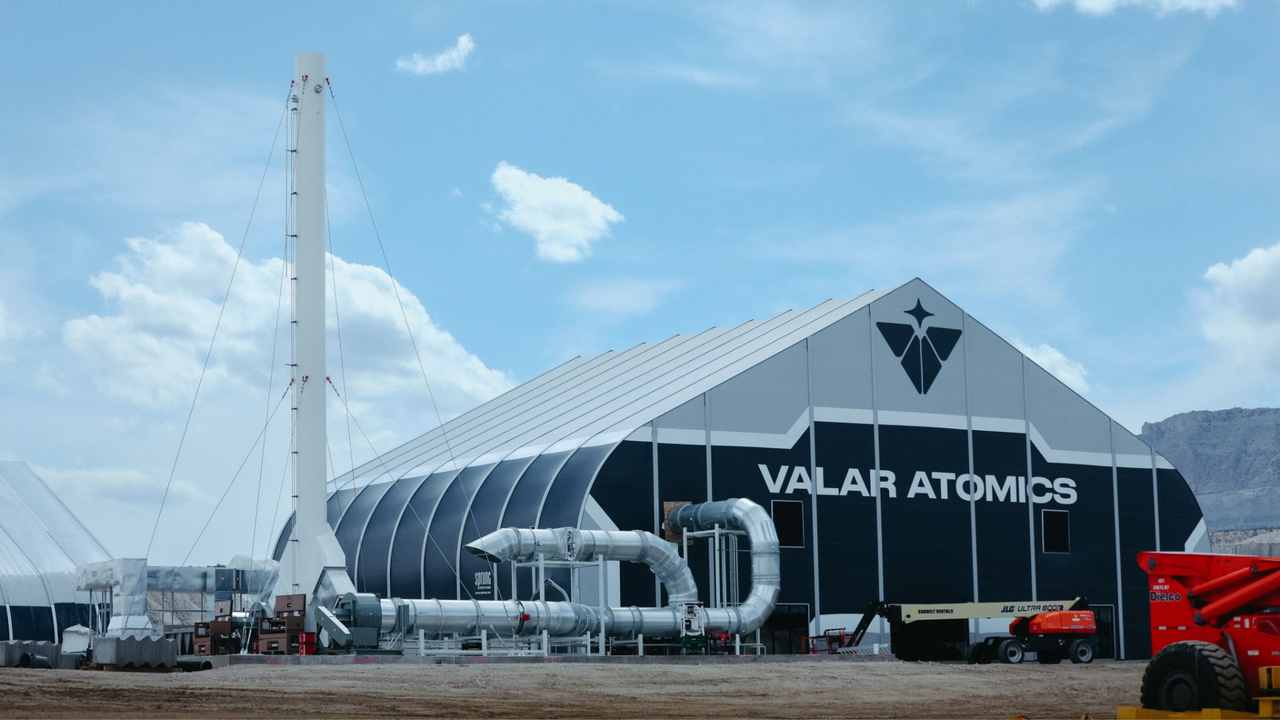
Valar Atomics activated its Ward 250 nuclear microreactor on stage during a live event, where it announced its partnership with Nvidia to power an AI factory. The company shared a portion of the live stream on its LinkedIn account, where one of its team members plugged an Nvidia RTX desktop unit into the reactor, which was then turned up to 37% of its full power to activate the Blackwell-powered PC. The company then showed off the nuclearwebsite.com page, which it says is solely run from a server that’s powered by that reactor. Its CEO, Isiah Taylor, claims that anyone can go to the website as long as the reactor is running.

“The Nvidia chip that Gabriel was just holding on stage is now plugged into a circuit in the OCS. That circuit runs through a cable into the reactor hall. In the reactor hall, 10 to 15th power uranium atoms are fissioning every second, producing 100 kilowatts of thermal energy,” Taylor said on the stage. “That thermal energy is being extracted by our cooling loop, the pressurized helium system, and the hot helium is flowing into a thermal electric generator (TEG). That TEG is creating the electrical current, which is right now powering Nvidia’s Blackwell chip, which is currently serving this website.”

Although the company claims that it’s the first startup to achieve power production, the Department of Energy says that two other firms, Deployable Energy’s Unity and Antares Nuclear’s Mark-0, have also achieved criticality, meaning these players are also on their way in making electricity using small modular reactors. Many AI tech giants and hyperscalers, like Amazon, Google, Microsoft, Nvidia, and Oracle, have invested in nuclear technologies as early as 2024, as they projected that AI data centers would require massive amounts of power.

This has become a major national issue recently, with data centers being blamed for massive increases in power and utility costs, as well as increased water consumption and a reduction in the quality of life in the communities that surround these developments. These problems have caused Americans to push back against these projects, with 7 out of 10 saying that they do not want a data center in their backyard. This resistance has led to the delay or cancellation of at least 75 projects in just the first quarter of 2026.

The public’s pushback and the resulting actions of local and state governments against power- and water-hungry data center projects are forcing both the private and public sectors to innovate. Aside from these SMRs, which will deliver the electricity demands of these data centers and other sites without affecting the national and local grid, Amazon, Microsoft, and Nvidia are also working on technologies that will cut down data center water use by up to 100%.

✇Tomshardware

Elon Musk offers Starlink discount to AI data center neighbors following air and noise pollution lawsuits — 50% off plans and free hardware rental

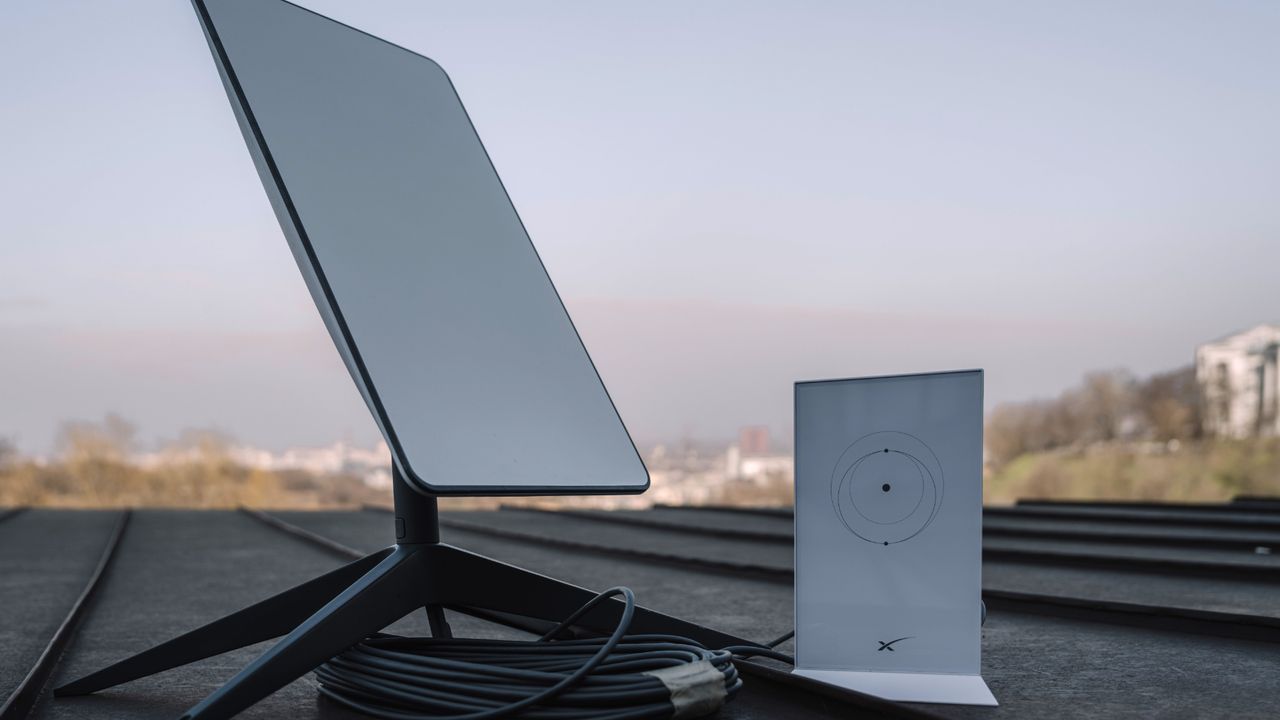
Residents of Memphis and Southaven, Tennessee, are eligible for a 50% discount on Starlink plans, as well as a waiver on hardware rental, as SpaceX’s way of investing in areas close to its data centers. According to the Starlink website, the discount would apply automatically based solely on the subscriber’s address, cutting the cost of a 100 Mbps plan from $55 (plus the $10 Monthly Kit Fee) to just $27.50. Even the most expensive Max plan, which could hit speeds of more than 400+ Mbps and costs $130 monthly (plus the $10 hardware rental), would drop to just $65.

SpaceX SVP for Starlink Michael Nicolls shared the news on X, saying, “The unique capabilities of the Colossus datacenters could not be accomplished without the partnership and support from the local Memphis community. Happy to bring affordable and great @SpaceX @Starlink connectivity to our neighbors.” Elon Musk also said in a post, “Half price Starlink for people in the Memphis region,” while sharing a post that talks about the discount. This is great news for users in the area who are already using Starlink or are planning to switch to it, but critics say that this is simply a PR stunt to help give the company a positive image as it faces lawsuits for air and noise pollution.

Earlier this year, @SpaceX acquired @xAI (now SpaceXAI), which operates the Colossus datacenters in Memphis. As SpaceX continues to invest in the area, SpaceX is offering our neighbors in the Memphis area no upfront hardware costs on Residential @Starlink kits for new customers… pic.twitter.com/BfnOHHPLOxJune 30, 2026

The Southern Environmental Law Center (SELC) has previously sued the company for the alleged “illegal” generators that it used to run the Colossus site, while another class action was filed last month over the “near-constant noise” and vibrations that surrounding areas experience from the data centers, according to PCMag. "Communities in Memphis and North Mississippi aren’t asking for discounted internet service,” SELC Senior Attorney Amanda Garcia told the publication. “They're asking xAI to shut down its illegal, unpermitted power plant that continues to pump out staggering amounts of harmful (sic) pollution, including smog-forming nitrogen oxides, fine particulate matter, and hazardous chemicals like formaldehyde.”

But even though the EPA itself said that xAI isn’t exempt from securing permits for its gas turbine generators, it seems that the community is on the back foot in this legal battle. This became apparent after the U.S. government asked the court to dismiss the lawsuit, saying in a legal memorandum that shutting down xAI’s generators “threatens American national, economic, and energy security by seeking to shut off the power supply for artificial-intelligence innovation that supports the Department of War’s military operations.”

The Starlink discount for the community surrounding SpaceXAI’s data centers would make it more affordable for users who have no access to reliable wired internet. However, Memphis and Southaven are both urban areas with no shortage of faster and cheaper wired fiber alternatives. AT&T and Xfinity offer 300 Mbps plans that only cost between $40 and $45 per month — about $20 more affordable than the discounted Starlink Max plan.

✇Tomshardware

Virginia county asks all employees, including schools, to conserve power due to AI-driven electricity price hikes — state's 400-plus data centers steadily increasing demand, grid expansion, and pricing

In yet another case of the AI-driven blues, 404 Media reports that Henrico County, VA, Manager John Vithoulkas sent an email to all county employees — including those in schools and social services — asking them to conserve energy by turning off unused lights and computers, using blinds to lessen heat buildup, and curbing or stopping the usage of heavy loads like space heaters.

That plea comes as the state's main power provider repeatedly hikes rates, and those repeated increases are linked to the rapidly increasing demands of data center buildouts. According to the report, Henrico County already has 37 data centers within its borders, and more are coming to the area.

The net result of this increasing demand is that Henrico County and other Virginia government entities covered by a collective purchasing body called VEGPA are facing a 24.9% rate hike starting next month, so every dollar that those local governments can save counts.

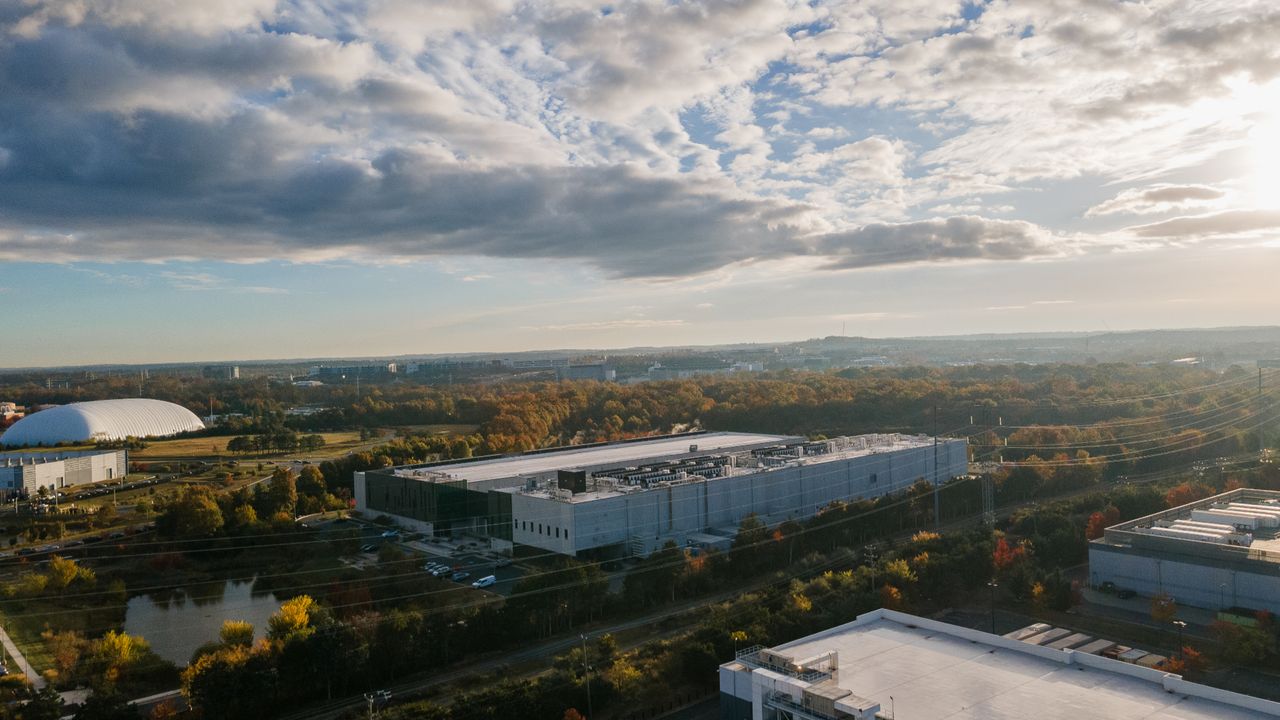
Those rising rates come from the fact that Northern Virginia has the world's highest concentration of data centers, numbering over 400 existing installations, and hundreds more are in the pipeline.

The region's proximity to Washington, DC, and the multiple submarine cables landing at Virginia Beach made it the perfect spot for byte collection, so much so that it's unofficially called Datacenter Alley.

Most Virginia counties with high data center concentrations are served by Dominion Energy, and that utility was feeding 26% of its power to data centers in 2023, a figure that certainly has increased substantially since then, especially considering that large-scale builds are becoming the norm rather than the exception.

Dominion has continued expanding its infrastructure to keep up with the demand, a costly buildout that multiple entities decry as having been borne by households, despite the fact that data centers are in a separate rate class.

While Dominion claims the price hikes are due to rising fuel, infrastructure, and maintenance costs, homeowners and consumer-focused entities believe otherwise. Northern Virginia residents have seen their bills increase multiple times in the past three years, leaving them fuming, especially in the winter. Adding insult to injury, the bill for a new $1.47 billion gas storage facility was recently passed onto consumers.

A researcher at the Energy and Policy Institute thinks that the new gas plant wouldn't be necessary without data center-driven demand, and a representative of the Virginia Energy Consumer Alliance thinks that the added fuel costs are fully passed onto customers.

Dominion does argue that data centers pay more in upfront costs, but it's hard not to see the shape of a feedback loop in which the grid is expanding to meet the needs of the expanding data centers, with regular Joes and Janes left to foot a chunk of the higher bills.

✇Tomshardware

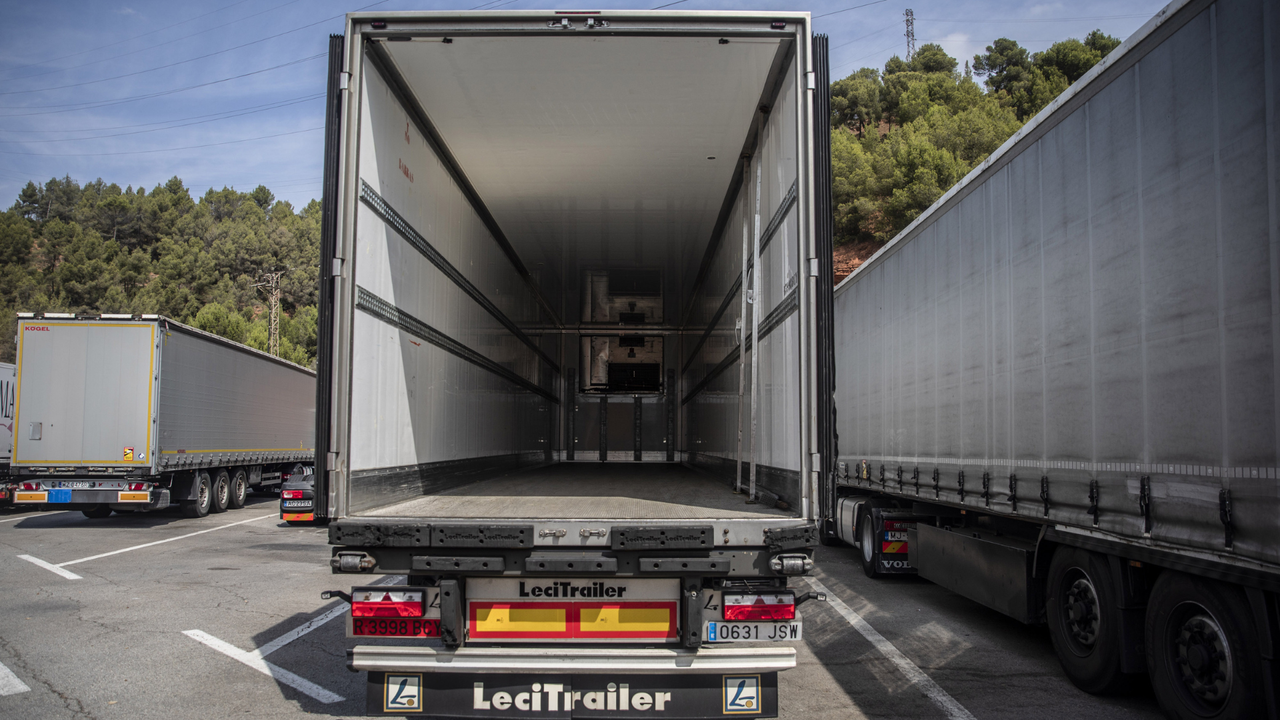
Cargo thieves target AI data center supplies in $1.3 million heists — $300,000 worth of copper wire and $1 million worth of equipment recovered outside Chicago

The boom in data center construction meant that millions of dollars’ worth of servers, cabling, and other parts and components are on the road at any given time. Because of this, cargo thieves and hijackers have started targeting these high-value items. Business Insider reports that a trailer containing about $300,000 worth of copper wire spool, which can be used for powering data center servers, was recovered last week by the Cook County Sheriff’s Office in a truck yard near Chicago. The truck yard owner also said that the same driver dropped off another stolen trailer a week earlier, this time containing about a million dollars’ worth of data center equipment.

Both trailers have been reported stolen — the former taken from Pine Hill, Alabama, and the latter from Jacksonville, Florida. The original locations where these trailers were stolen show the nationwide scale of these theft rings, which had previously mostly targeted retail goods. The trailer that contained the copper wire spools also had its tags replaced with one from Indiana, according to Freight Pulse, probably in an attempt to obfuscate its source. It’s unclear how the data center equipment cargo was discovered, but the trailer carrying the copper wire was located through its GPS tracker.

Data center equipment, especially servers, seems like a lucrative target, especially given how expensive these items are. However, they are also specialized machines that are often only bought by institutions and large companies, so thieves would likely have a hard time selling them on the black market. They also likely have serial numbers, which would make it easier for buyers to check the status of the equipment with the manufacturer. Given the cost required to invest in these things, buyers would most probably demand official receipts and warranties — something that thieves and fences won’t be able to provide.

However, consumer electronics are easier targets, and we’ve seen theft rings hit consumer electronics before. For example, about $1.4 million worth of Switch 2 consoles en route to a GameStop branch in Texas were stolen from the back of a semi-truck last year. Gaming GPUs are popular targets for theft rings, too, with a shipment of EVGA 30-series GPUs stolen from the back of the truck in 2021 appearing in Vietnam a few months later, being sold by a major retailer at a discount. Another set of MSI RTX 3090s was also lifted directly from the company’s China factory in 2020, with the 220 GPUs estimated to amount to $336,500.

There are probably more incidents of theft that have been reported to the police but not publicly known. And although the value of the stolen goods could be staggering for the average person, companies and freighters often have insurance coverage, so they don’t have to worry about paying out of pocket for the entire loss.

✇Tomshardware

AI data center boom hits a human bottleneck — critical skilled labor shortages could slow deployment despite billions in funding

The AI boom has already been responsible for soaring demand and subsequent shortages in the areas of GPUs, computer memory, storage (both spinning and solid-state), electrical power, water, and networking equipment. The latest bottleneck may be the people needed to build the data centers themselves.

Asked by Bloomberg TV whether demand for data center construction was slowing, construction industry CEO Benoit Bazin said activity remains strong, but then identified labor as one of the industry's key bottlenecks. The executive, whose company Saint-Gobain supplies construction materials and building products used in hundreds of such projects, argued that labor shortages are already affecting projects in North America and are beginning to emerge in Europe as well.

Bazin mentioned the issue only in passing during his Bloomberg appearance, but his comments point toward what is becoming an increasingly important challenge for the AI infrastructure boom. The global race to build new computing infrastructure has hyperscalers like Amazon, Microsoft, Google, Meta, and Oracle collectively committing hundreds of billions of dollars toward new facilities, but constructing a modern AI data center requires far more than just money.

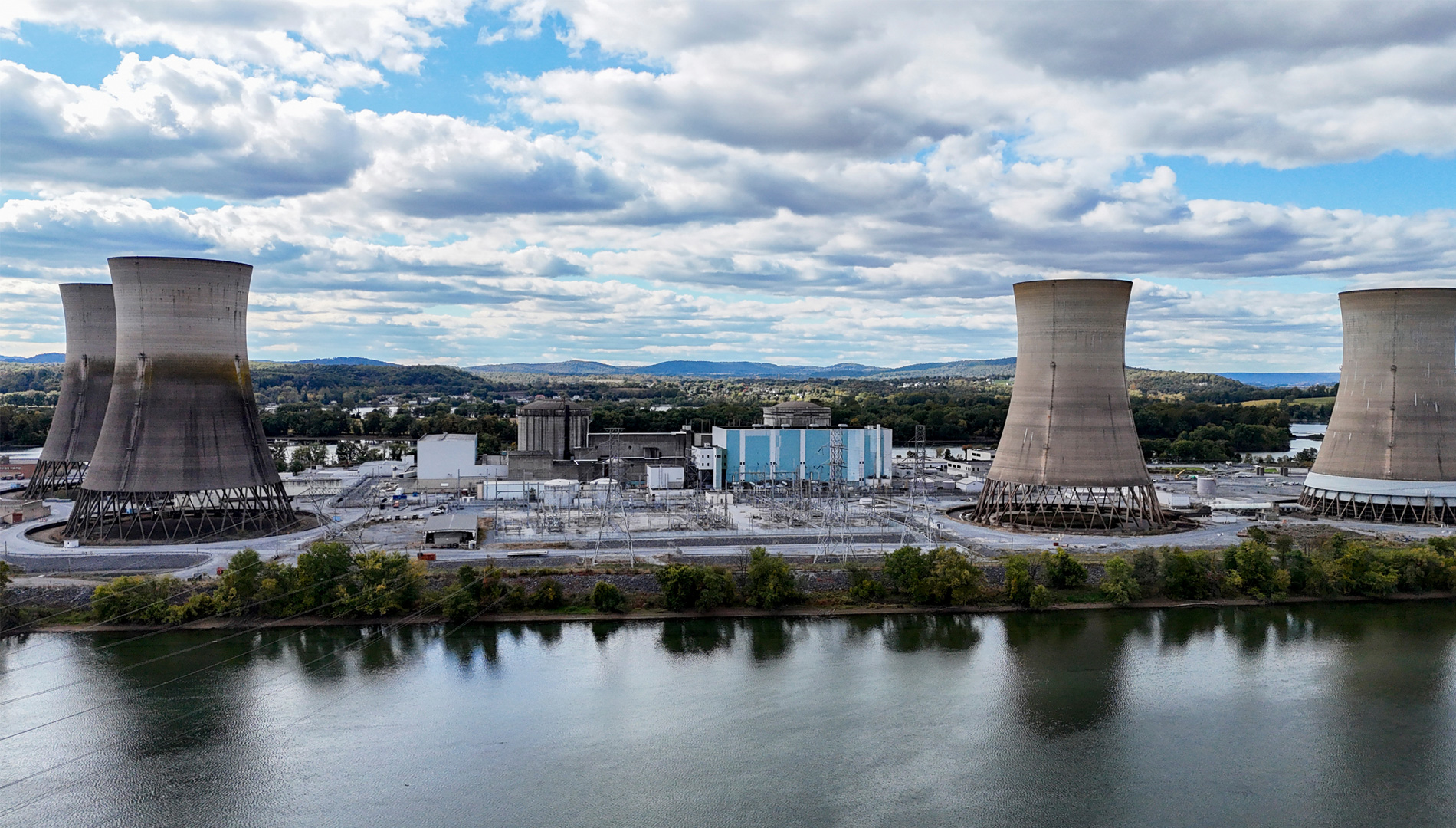
Three mile power plant being converted to run datacenters.

AI's demand for power is so great that the Three Mile Island nuclear plant, decomissioned in 2019, is set to reopen to serve Microsoft exclusively. (Image credit: Getty / Bloomberg)

As we've reported many times before, power availability is the primary constraint facing new projects. Electrical substations, transformers, transmission infrastructure, utility connections, and even generation capacity itself are already struggling to keep pace with demand. However, a growing number of executives and analysts now argue, like Bazin, that skilled labor may be emerging as a significant secondary bottleneck.

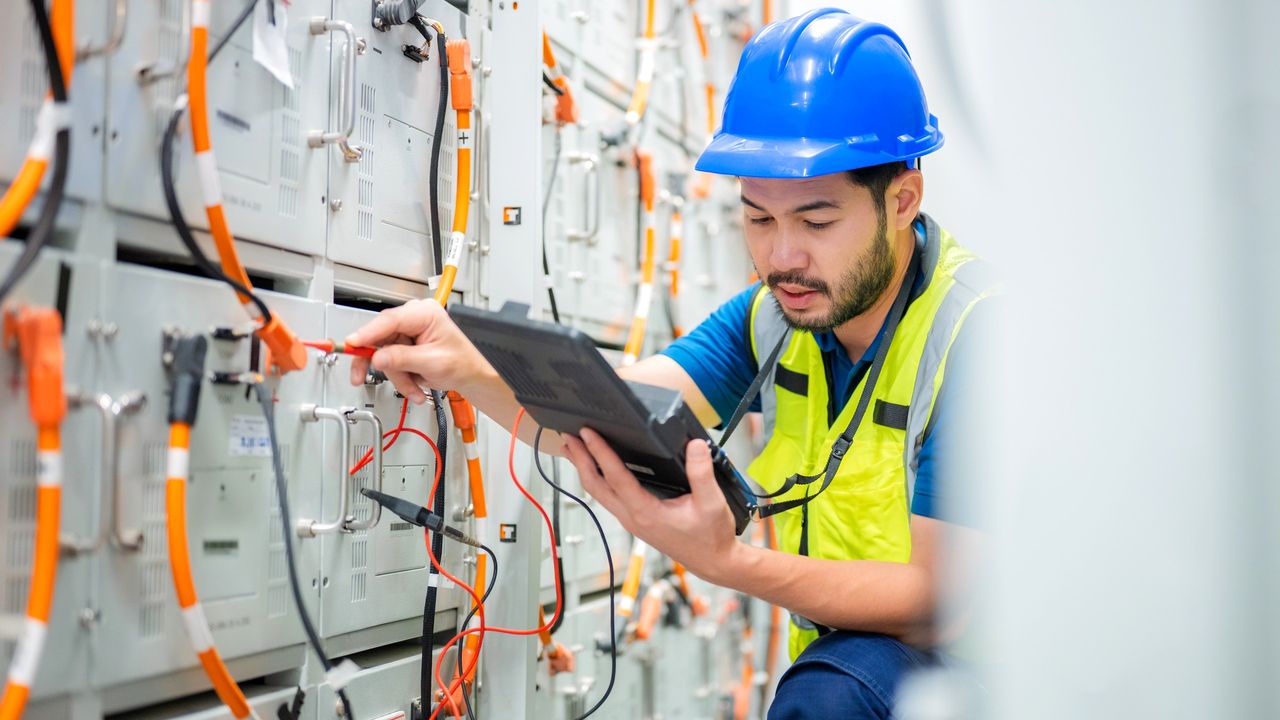
You see, unlike conventional commercial construction projects, data centers require large numbers of specialized workers. You can't simply rely on standard commercial construction crews for this stuff; you need highly specialized tradesmen, like electricians, high-voltage technicians, fiber-optic installers, HVAC specialists, controls engineers, and commissioning teams, among many others. Huge swaths of these jobs require years of training and experience, making it difficult for the labor pool to expand as quickly as AI investment has ballooned.

The problem has become serious enough that some technology companies have begun funding workforce development efforts directly. Earlier this year, Meta partnered with CBRE on a training initiative intended to help expand the pipeline of workers qualified for data center construction and operations, reflecting concerns that labor shortages could eventually slow deployment schedules.

The effects may already be spilling into other sectors. We recently highlighted how demand from large data center projects has increased competition for electricians in Texas, contributing to delays in some residential housing developments as contractors struggle to compete with the wages and budgets offered by hyperscaler-backed projects. While housing obviously won't be displaced entirely, that story is an example of how AI infrastructure spending is increasingly competing for the same pool of skilled tradespeople needed elsewhere in the economy.

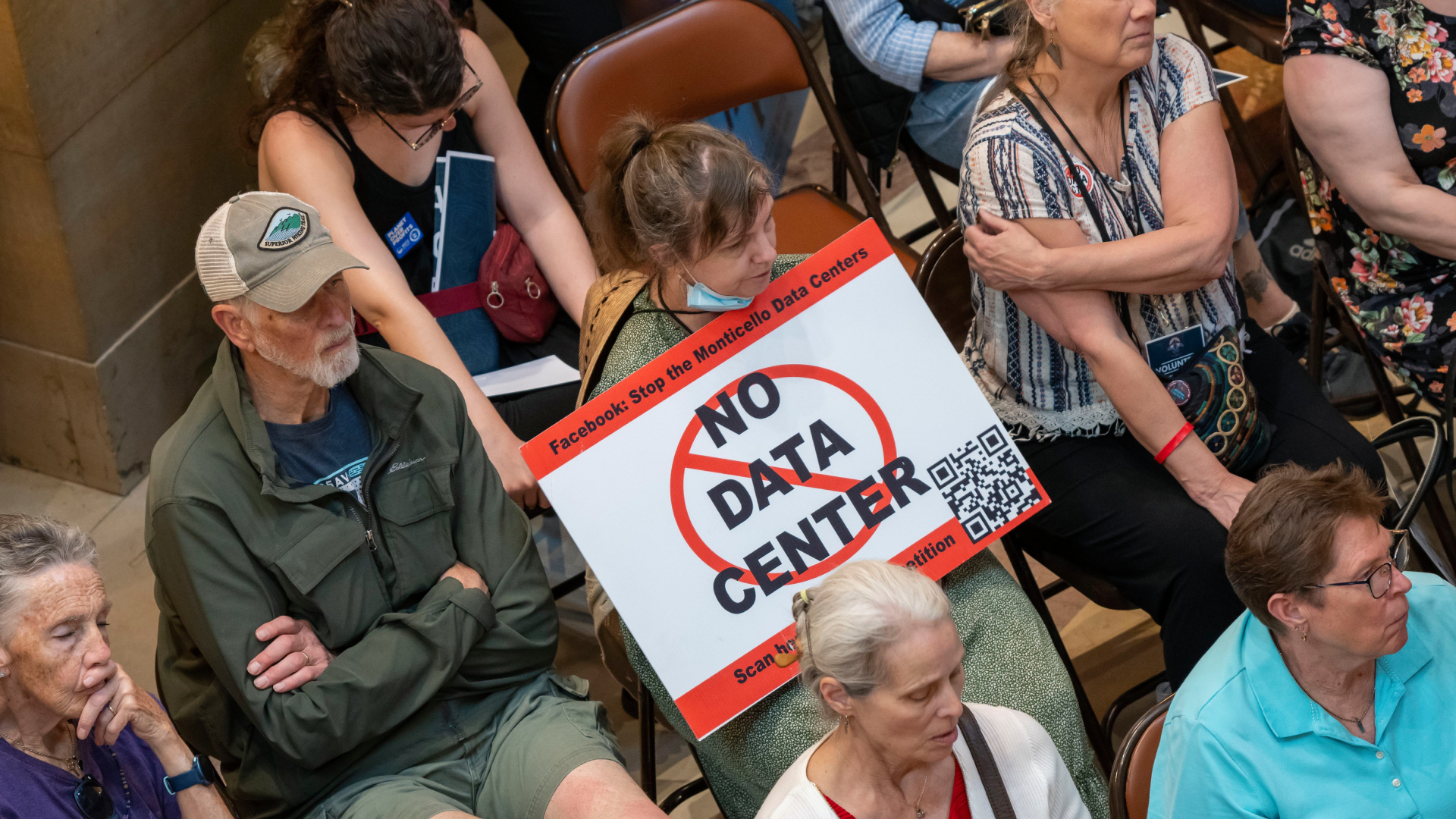
St. Paul, Minnesota, State capitol, Data Center Moratorium Now rally.

Citizens gather at a rally to oppose the construction of new data centers in St. Paul, Minnesota. (Image credit: Getty Images / Universal Images Group)

Also, labor is only one of several non-technical challenges facing new projects. Public opposition has become increasingly visible in some communities, particularly as residents raise concerns about electricity consumption, water usage, noise, and the broader impact of large-scale data center developments. Looking again to Texas, where numerous projects have been proposed or announced, opposition to new facilities has become a recurring topic of debate. Concerns that once focused primarily on industrial facilities and energy projects are increasingly being directed toward data centers as well.

Demand for new facilities remains strong, and few observers actually expect overall construction activity to slow significantly in the near term, but building the infrastructure required to support the next generation of AI systems means solving a growing list of problems, from power generation and grid capacity to permitting, community opposition, and now, increasingly, workforce shortages. The industry has largely solved the problem of attracting capital. It can order more GPUs, buy more land, and sign larger power contracts. Producing thousands of experienced electricians and technicians, however, takes years. As the global data center boom continues, that shortage may prove to be one of the industry's most stubborn constraints.

❌