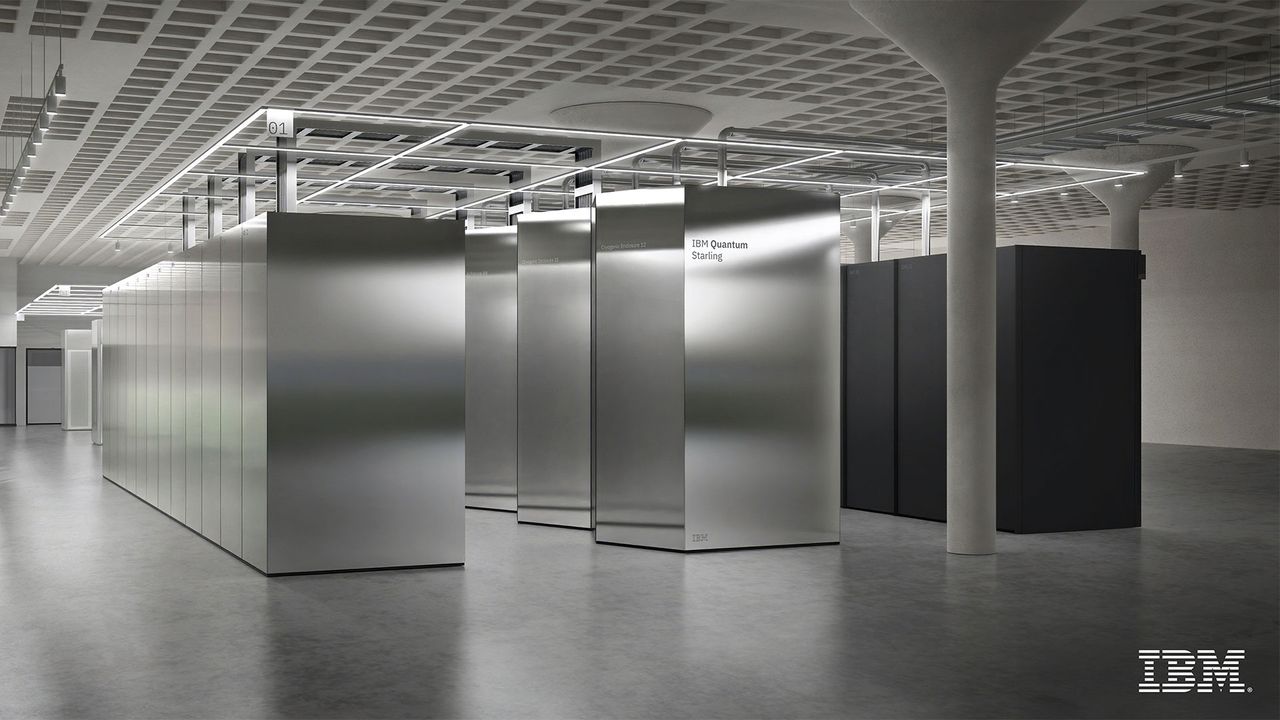
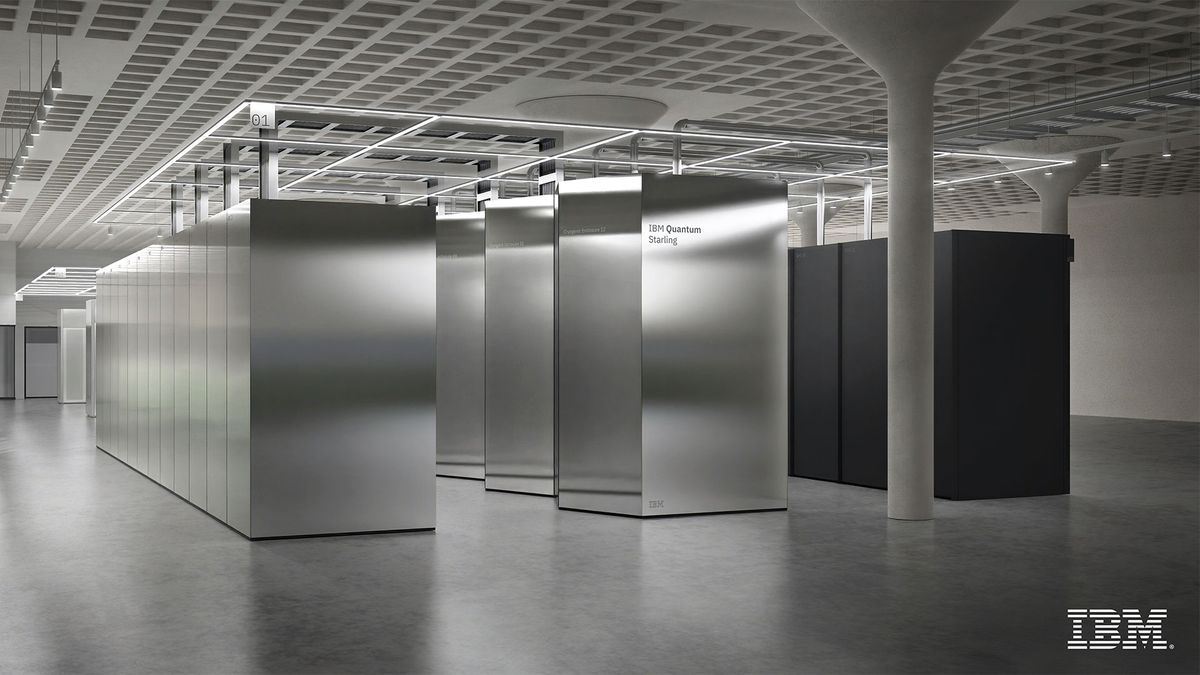
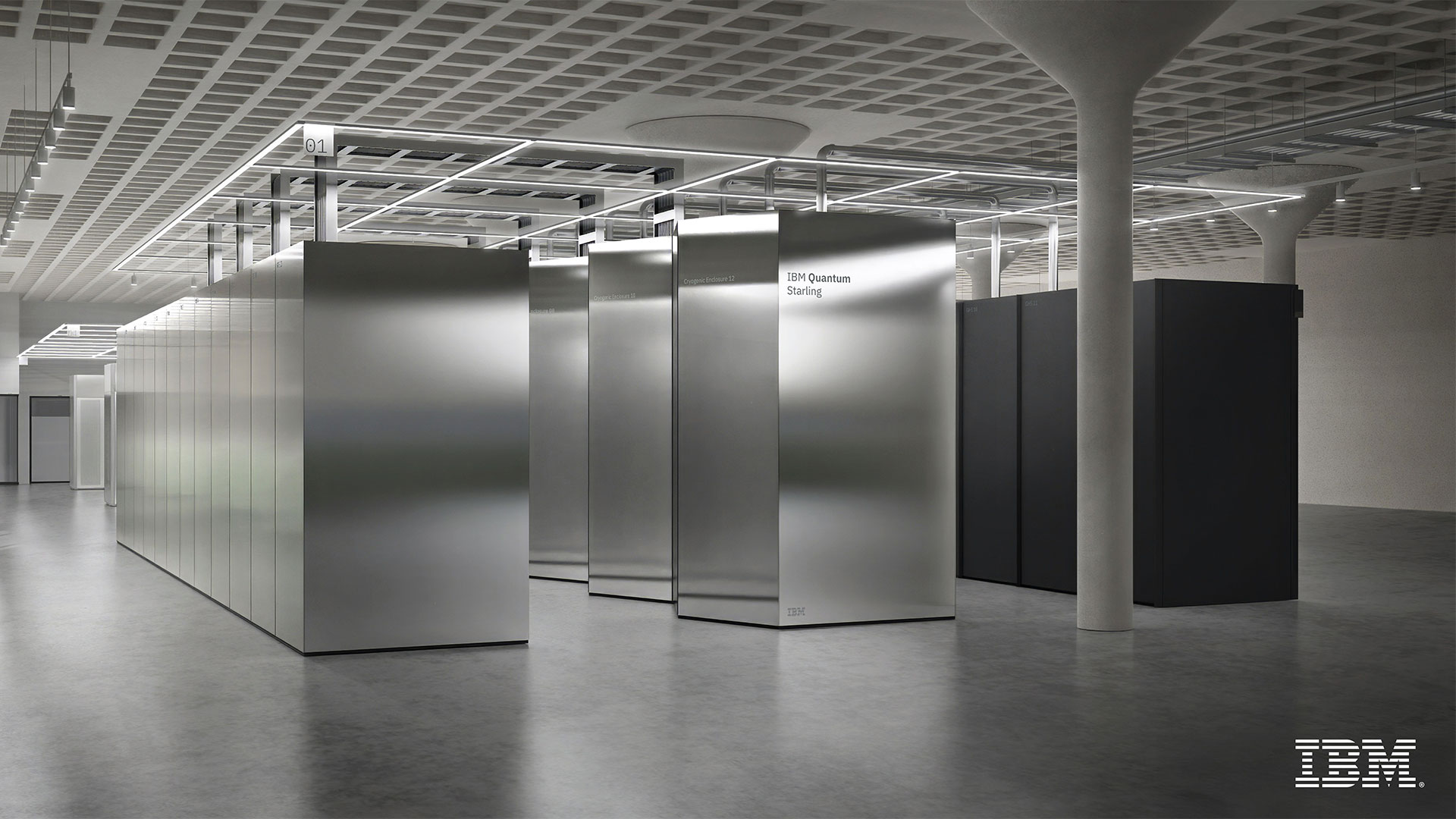
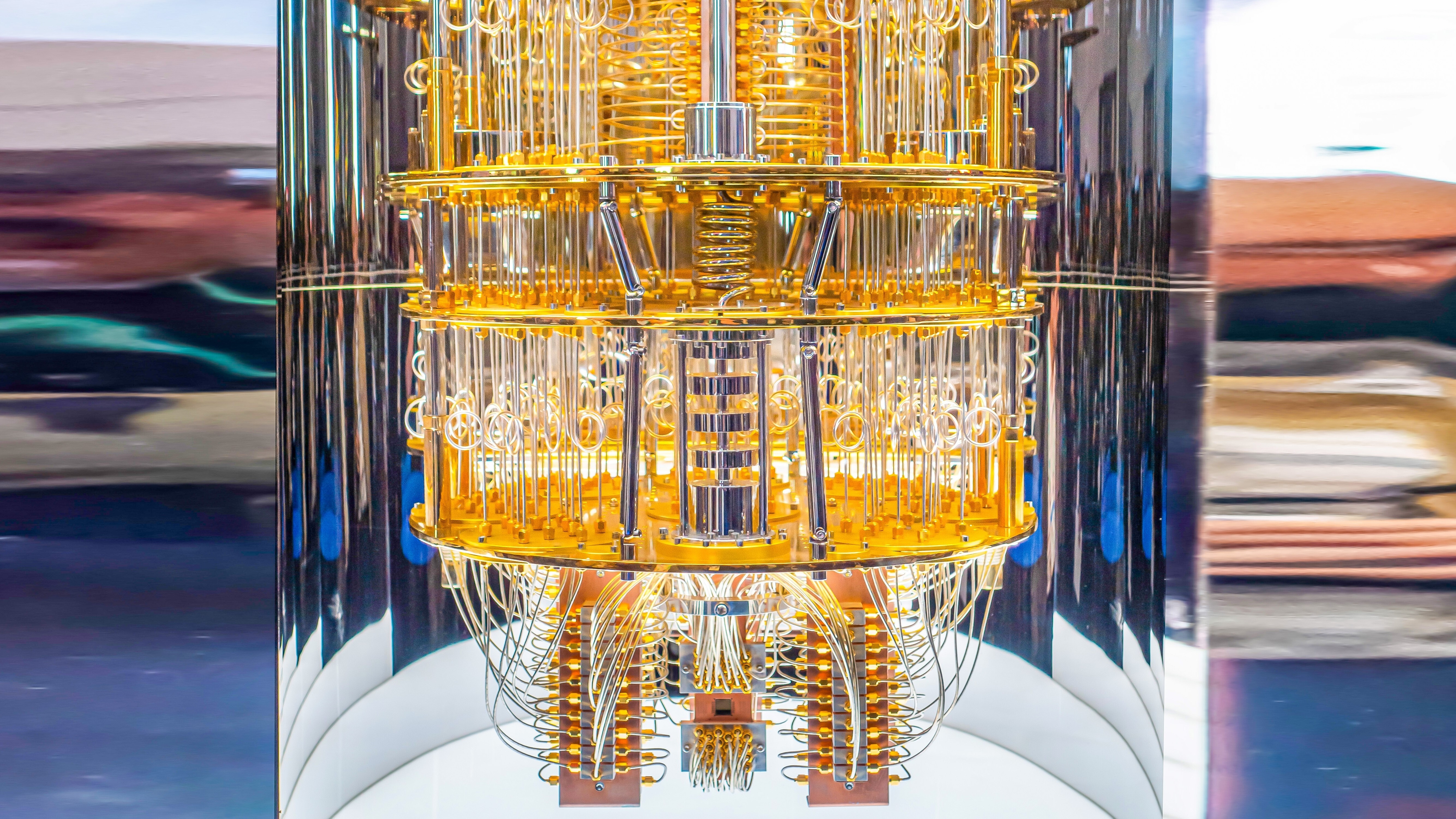
IBM and Cisco have announced plans to jointly build a distributed quantum computing network capable of linking fault-tolerant systems over long distances.
The U.S. government is in talks to take equity stakes in major quantum computing startups in exchange for at least $10 million each in funding from the Commerce Department.
A recent experiment by University of Pennsylvania researchers found that quantum signals can be sent over standard internet protocol (IP). The research, done on the University's fiber network, uses a locomotive-style approach to pair a traditional light signal "engine" with quantum signal cargo and send quantum signals over the internet without observing the particles.
Researchers have discovered a new method of designing semi-conductors by modeling the electrical resistance inside a chip using quantum computing pattern recognition, and then machine learning to analyze the output data.
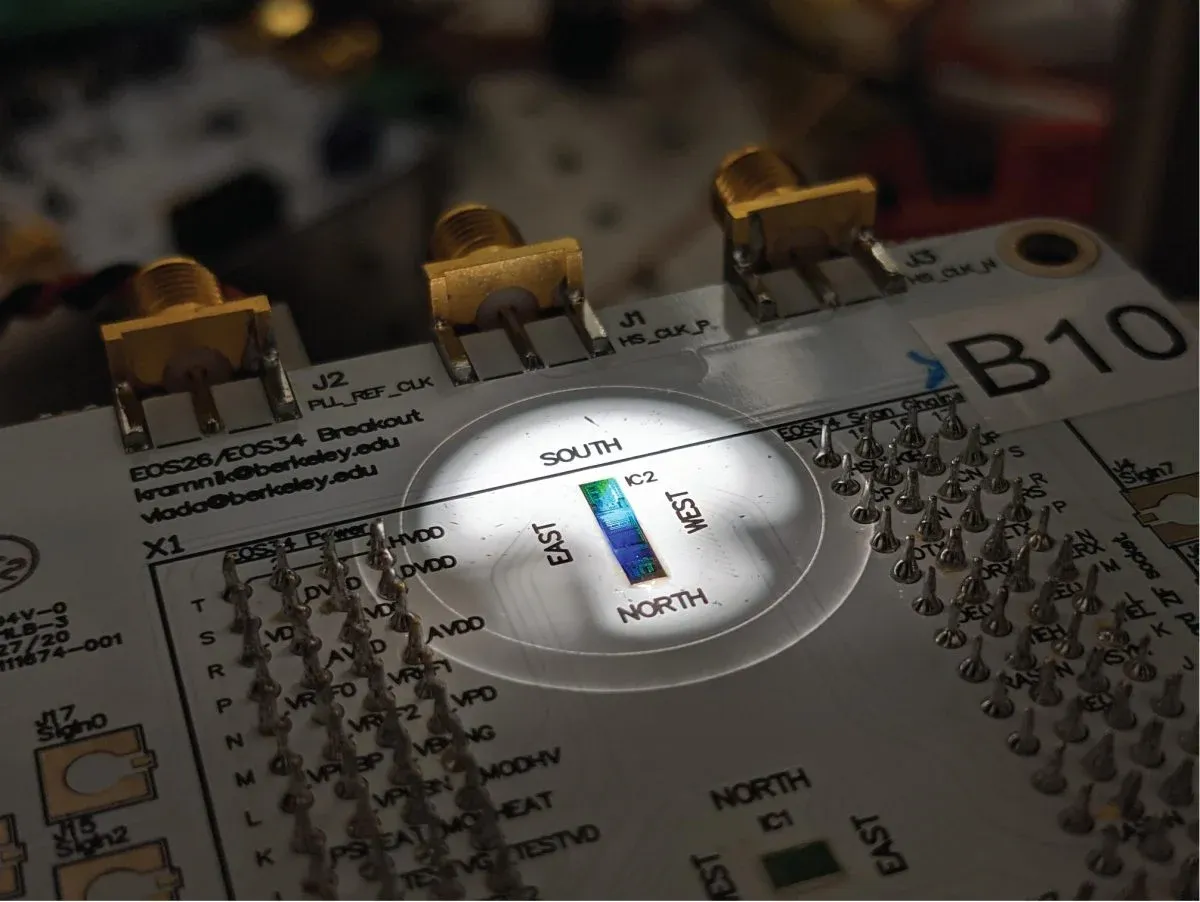
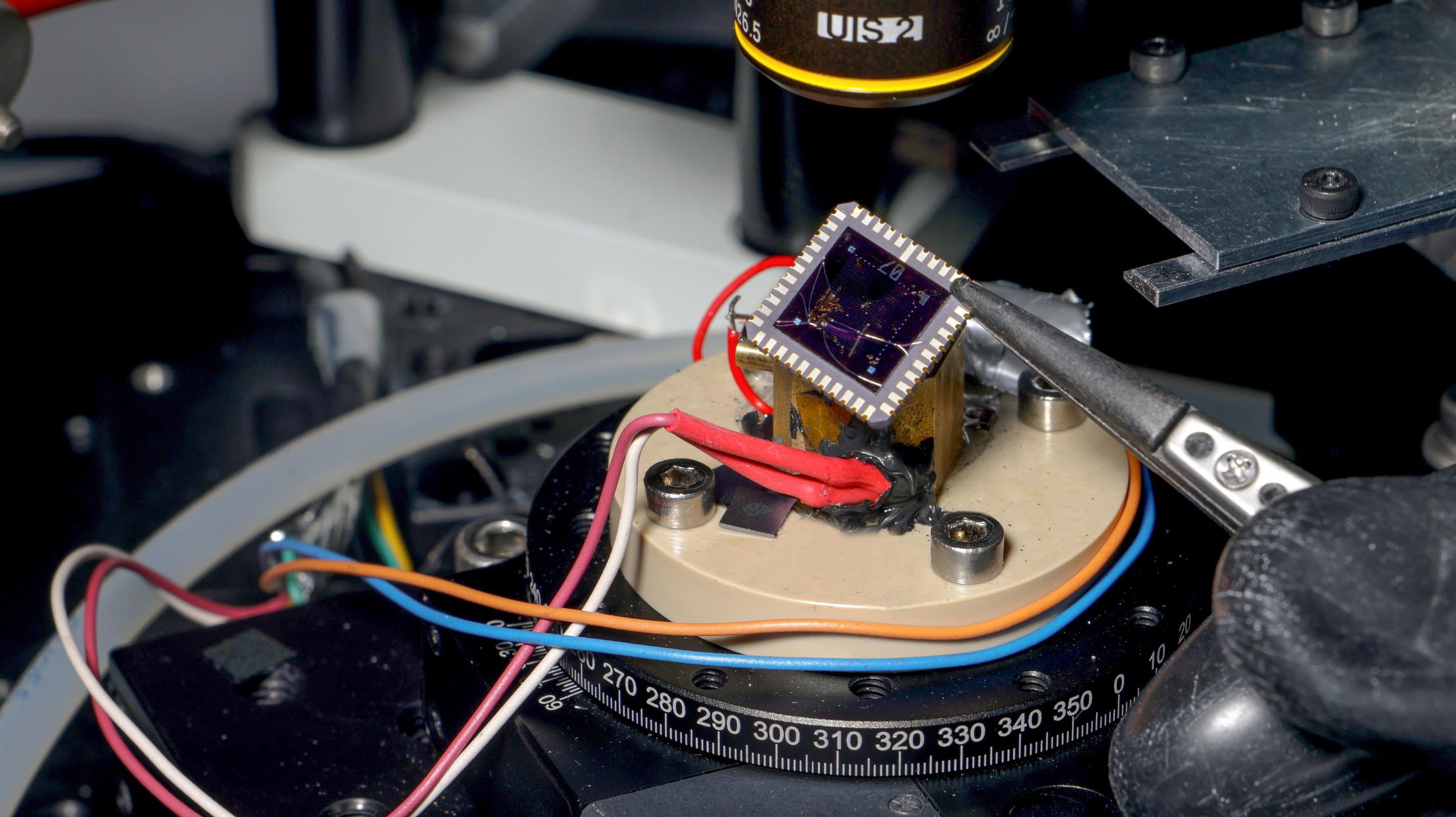
Researchers have created a 1 mm² chip that merges quantum photonics, electronics, and self-tuning systems—all on a standard 45 nm CMOS process. This breakthrough brings mass-producible quantum hardware closer than ever, much like the Intel 4004 did for microprocessors.
Researchers at the QIA have developed the world's first hardware-independent quantum-network operating system, supporting applications written with high-level code.
CEO of Nvidia Jensen Huang purportedly stated that quantum computers will take 20 years before being "very useful", causing quantum computing stock to tumble.
A Chinese group led by China Telecom Quantum Computing Group has unveiled Xiaohong-504, a 504-qubit quantum computing chip, and Tianyan-504 superconducting quantum computer.
Chinese researchers claim to have uncovered a “real and substantial threat” to classical cryptography, which is widely used in banking and the military sectors.
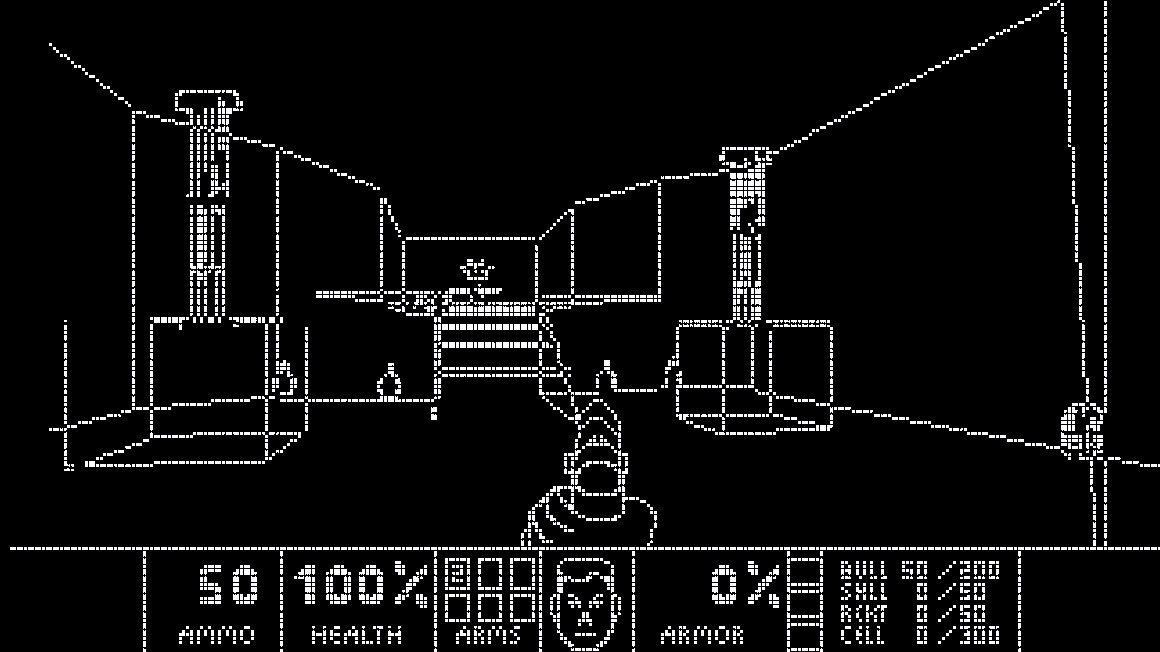
DOOM has been ported to quantum computers, marking another milestone for this seminal 3D gaming title. However, the coder behind this feat admits that there is currently no quantum computer capable of executing (playing) this code right now.
A research team at EFPL LANES built used an indium selenide sheet with graphene electrodes to convert heat into electricity and hit temperatures as low as 100mK.
 登录
登录