普通视图

发现新文章,点击刷新页面。
昨天 — 2026年9月20日Tomshardware

Dell Pro 7 Webcam 4K Review: Sounds surprisingly great

2026年9月20日 23:11

The best webcams are getting smaller, cheaper, and faster, apparently — Dell's newest premium webcam is a 4K webcam that streams video at a maximum resolution of 4K / 60fps, which is definitely a faster and smoother frame rate than your typical Dell webcam buyer needs. There's not much you can really do with those numbers if you're not a content creator — and especially not in a professional setting, as most video conferencing apps limit your outgoing stream to 1080p or lower.

Luckily, the Dell Pro 7 has more than just smooth, high-res video going for it — it also features Windows Hello compatibility, presence detection, smart image enhancements, and built-in dual beam-forming mics that might be the first built-in webcam mics we can actually recommend. At $199.99, it's priced right alongside 4K webcams such as the Logitech MX Brio and the Insta360 Link 2 4K, which means it has some pretty tough competition.

Design

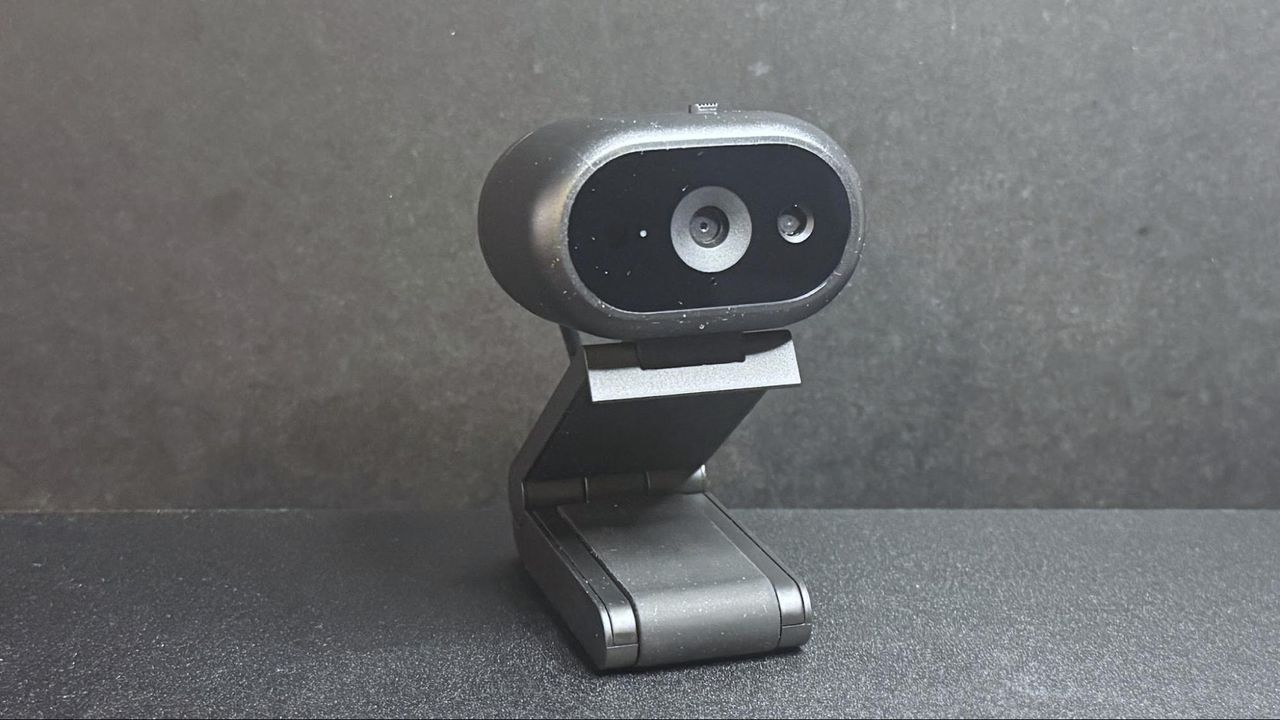
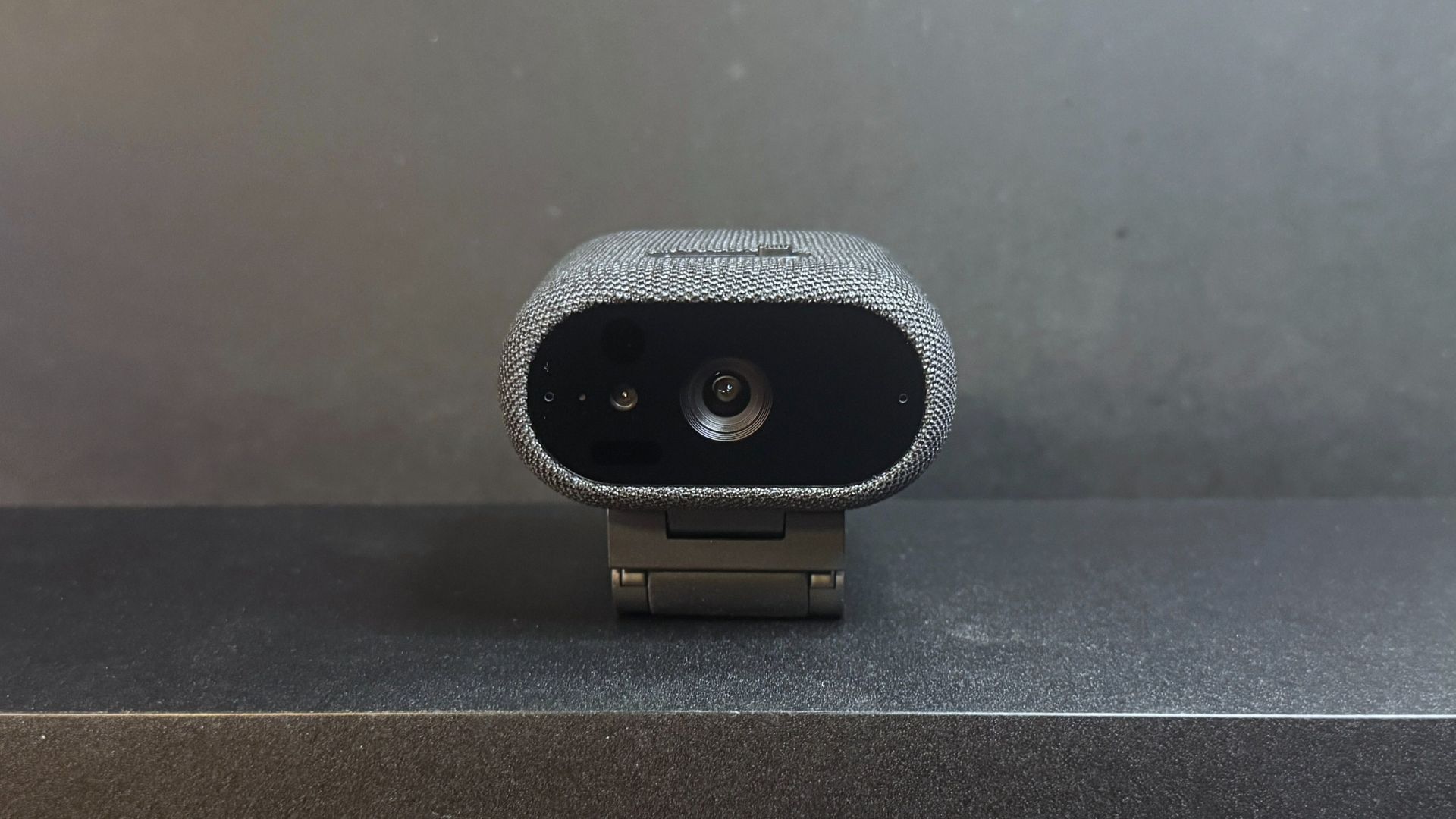
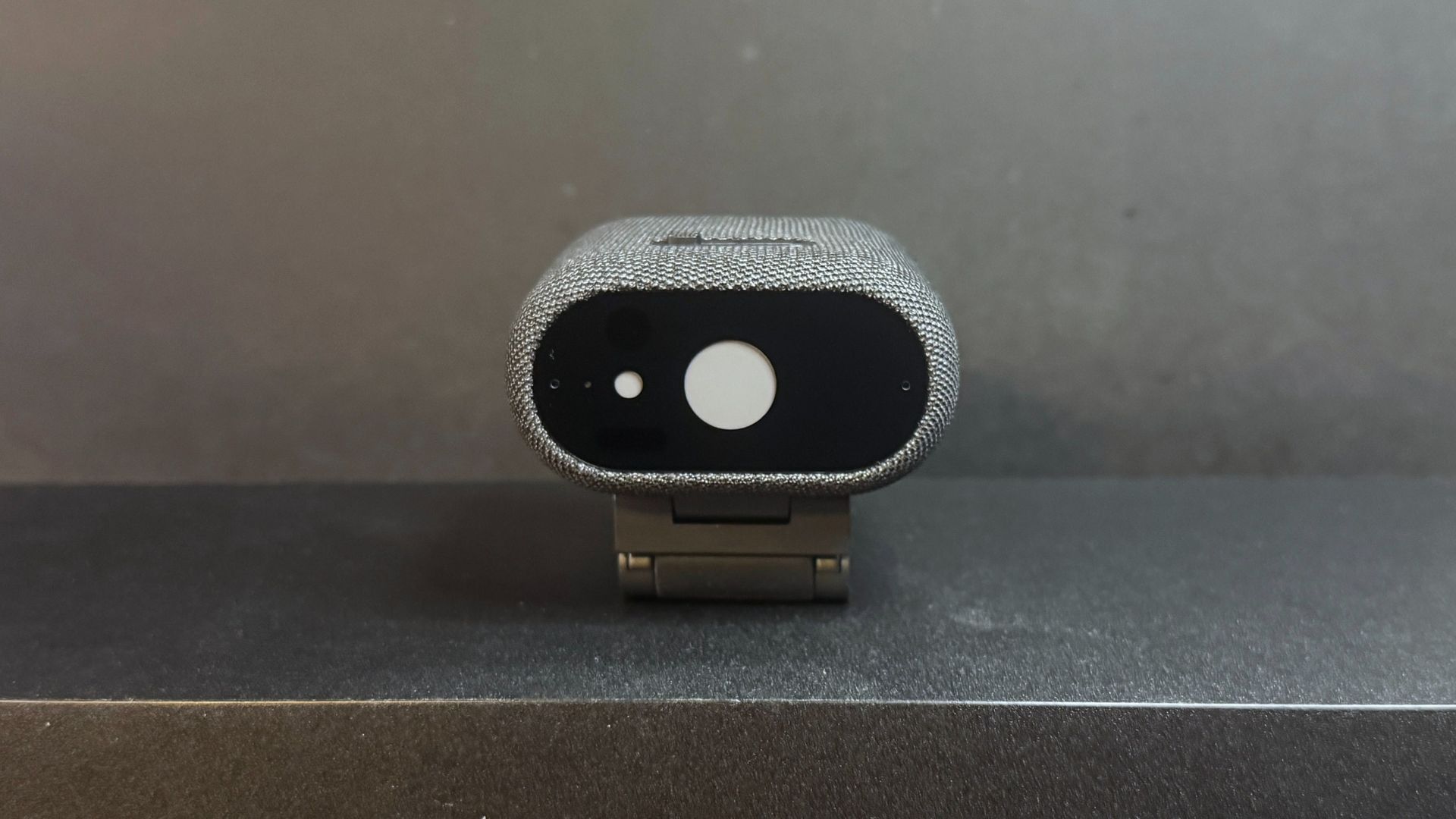
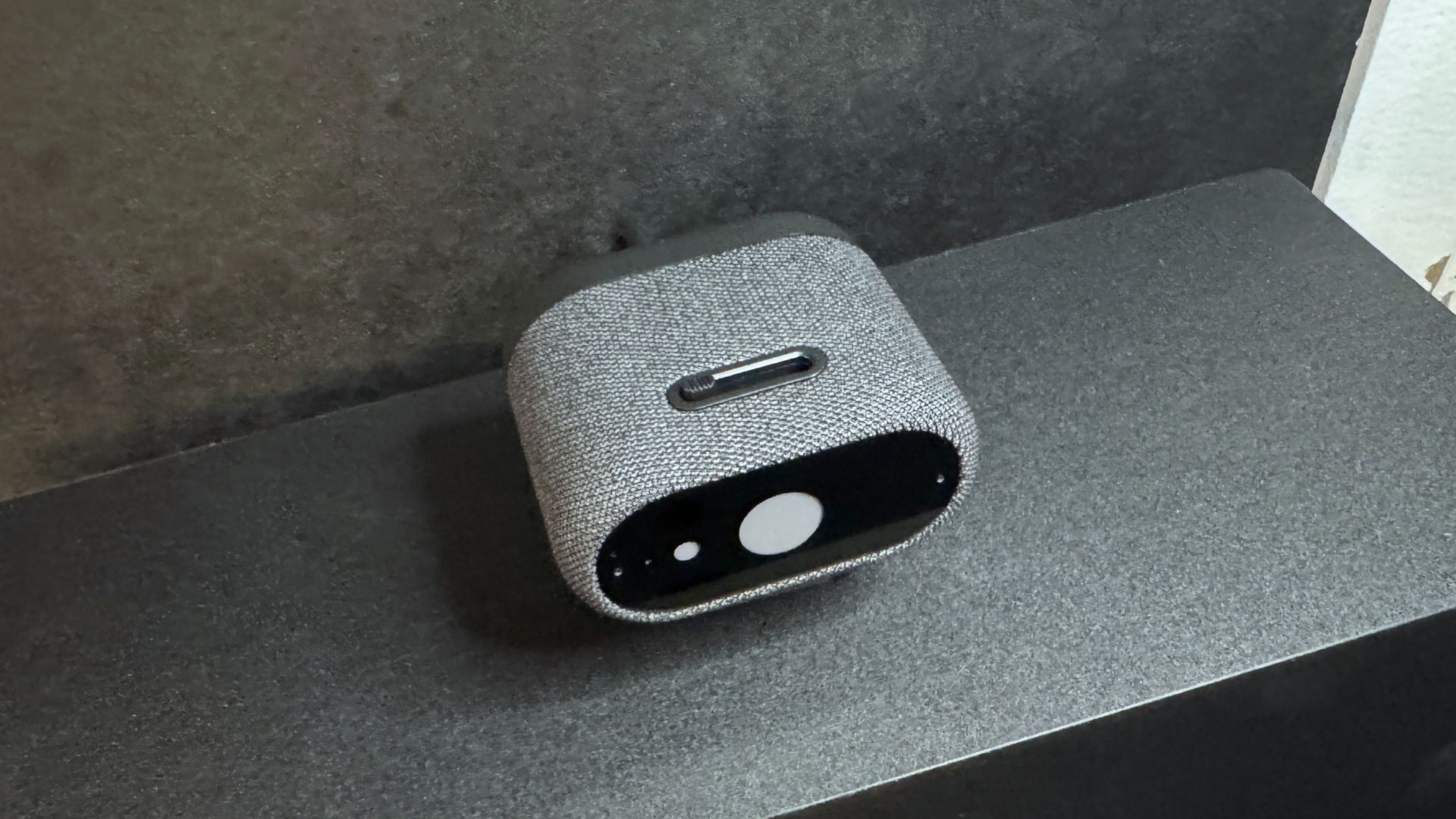
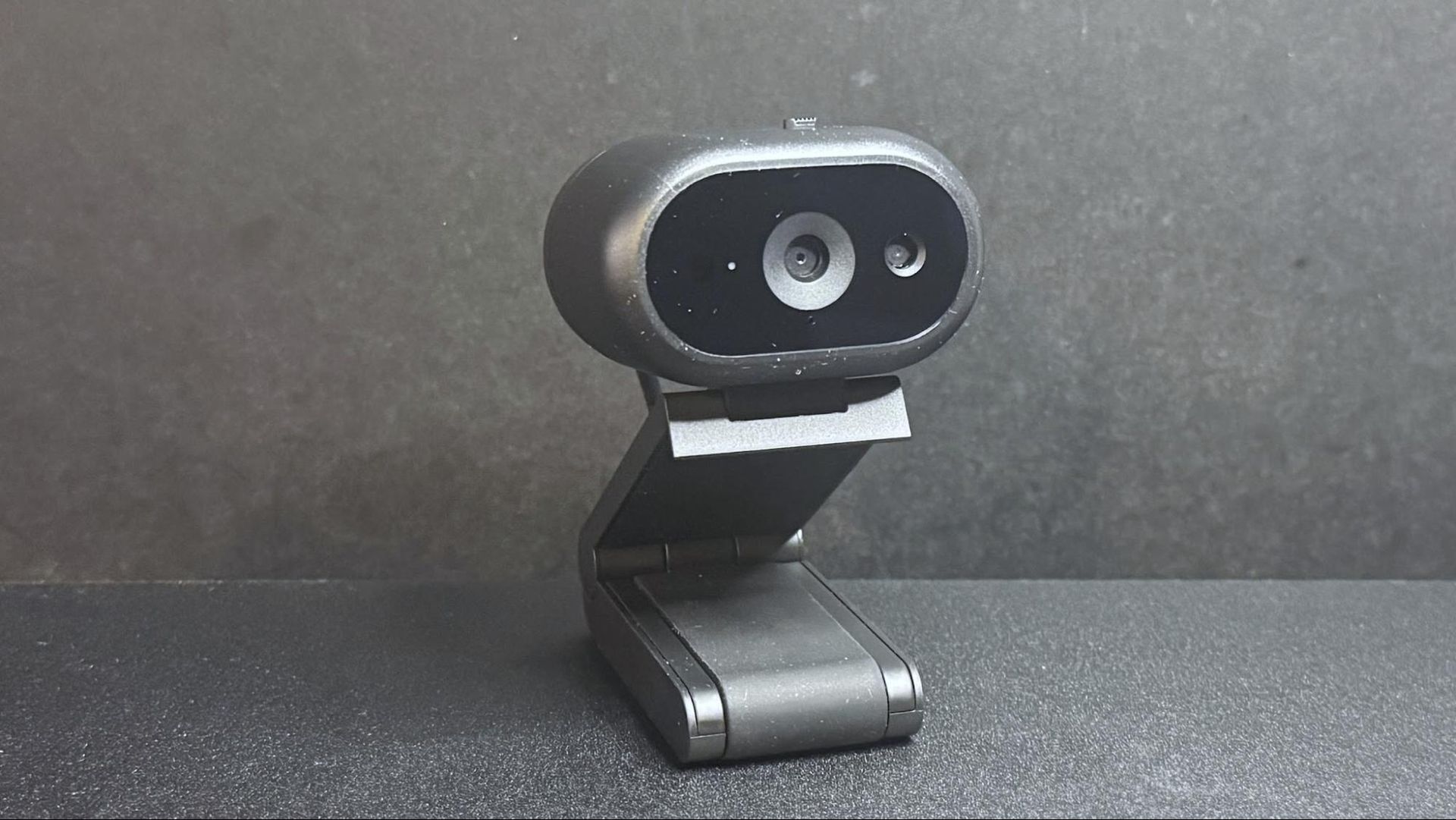
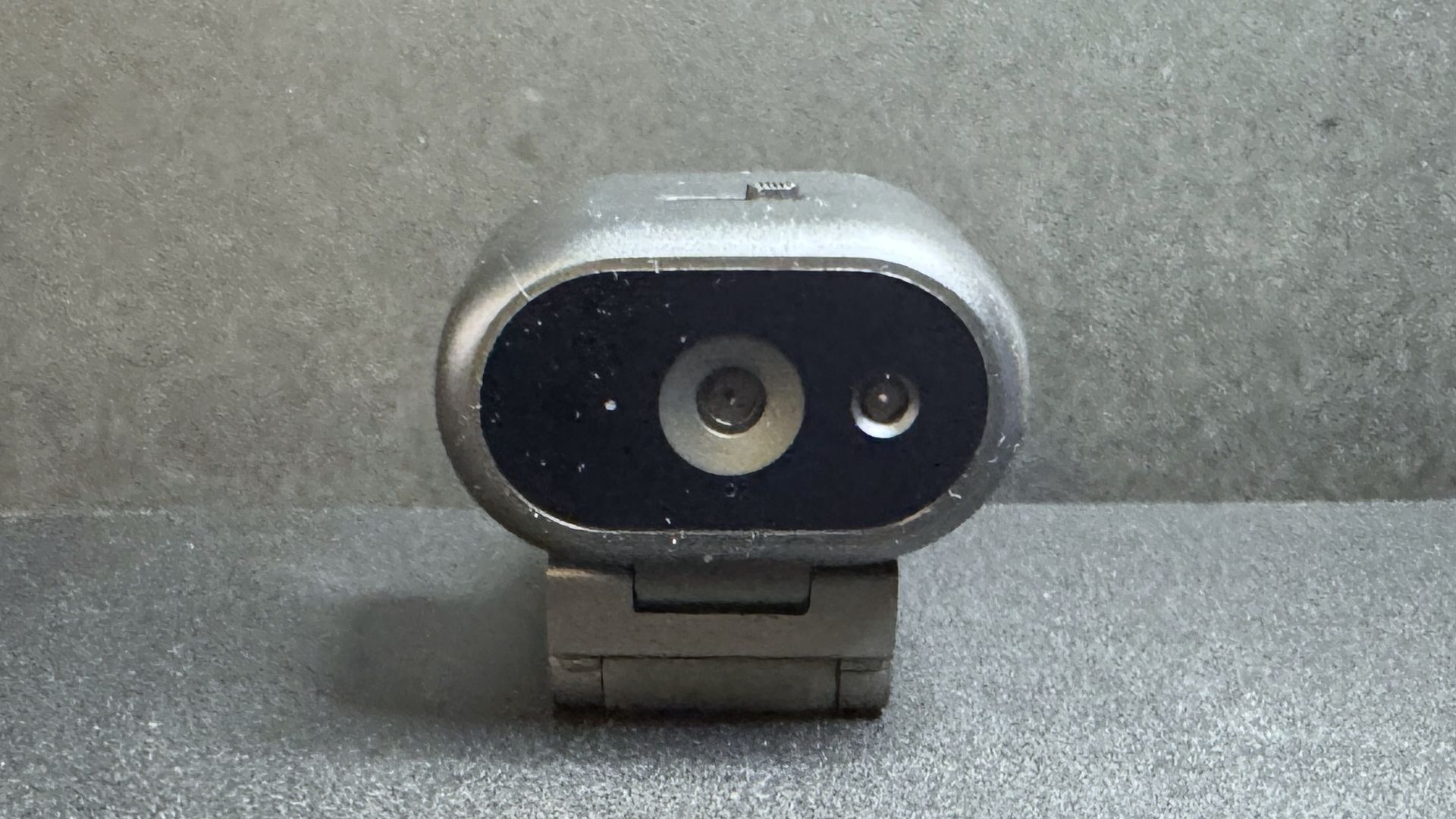
The Dell Pro 7 webcam is a 4K / 60fps webcam with a solid, sturdy fabric-covered chassis and a glass lens cover. It features a large Sony STARVIS CMOS sensor, an auto-focus lens, 4x digital zoom, and it has a maximum aperture of f/2.0. It has a built-in physical privacy shutter and comes with a detachable USB-C cable and monitor mount.
Dell Pro 7 Webcam 4K

(Image credit: Tom's Hardware)

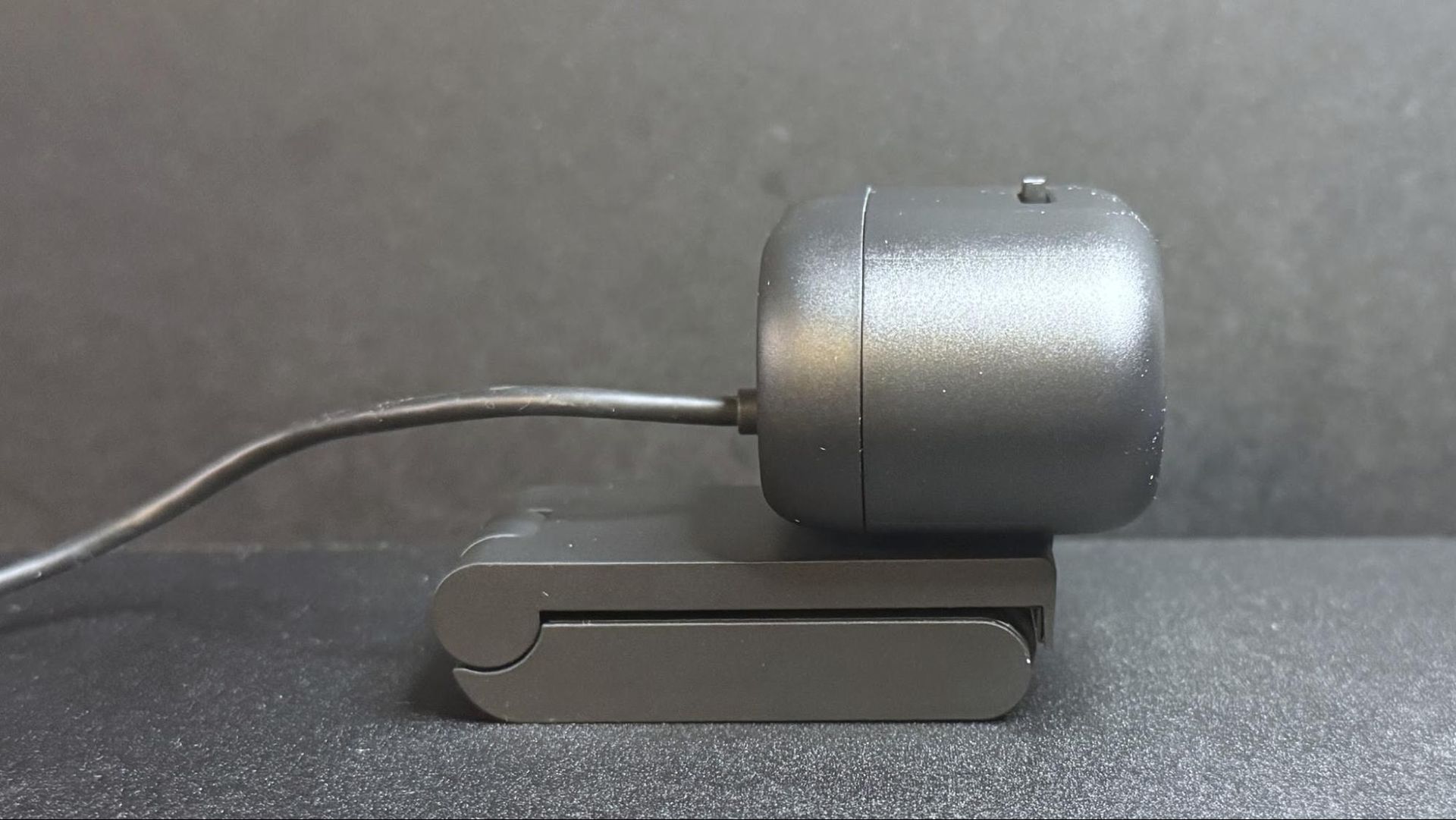
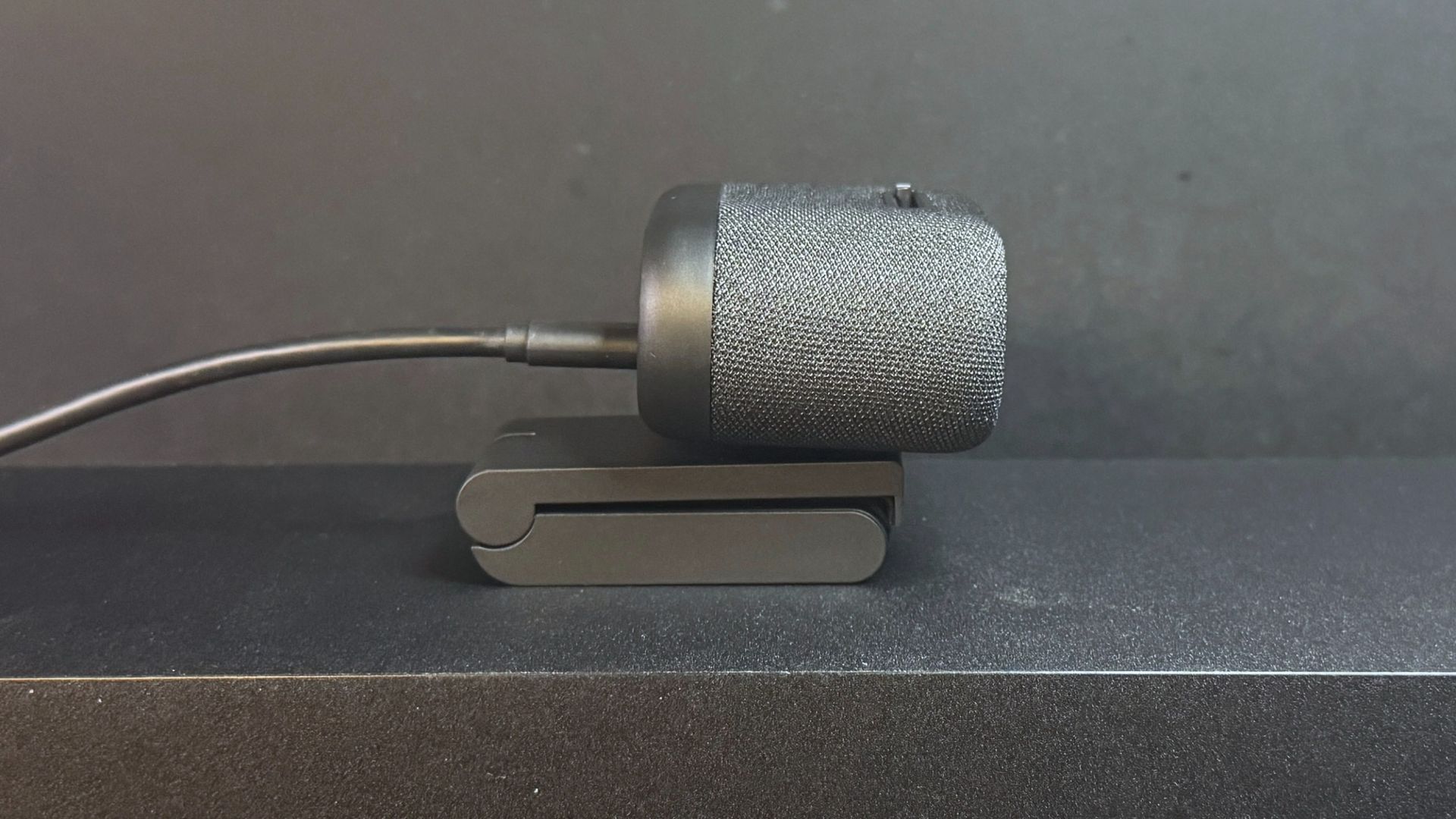
The Dell Pro 7 is similar in design to the cheaper Dell Pro 5 Webcam 2K — it features the same low-profile oval-shaped body, though the Dell Pro 7 is quite a bit larger and heavier than the Dell Pro 5. The Dell Pro 7 measures approximately 2.6 inches (66mm) deep by 2.1 inches (53.3mm) wide, and is about 1.4 inches (35.6mm) tall. This is the same height as the Dell Pro 5, though the Dell Pro 7 is both deeper and wider than its cheaper sibling. It's also heavier — Dell lists its weight at 8.48 ounces (240.4g), but that includes the mount. However the webcam alone still weighs around 3.46 ounces (98g). By comparison, the Dell Pro 5 weighs 7.41 ounces (210g) including its mount, and weighs 2.57 ounces (73g) without it (but including the cable, which is not detachable).
Dell Pro 7 Webcam 4K
Tom's Hardware
Dell Pro 7 Webcam 4K
Tom's Hardware

It is heavier than the Dell Pro 5, but it's not unusually heavy for a premium 4K webcam. The Razer Kiyo Pro Ultra, for example, weighs about 6.28 ounces (178g) alone, and that jumps up to 11.89 ounces (337.08g) when you include the mount. The Logitech MX Brio weighs just 4.83 ounces (137g) alone, but it weighs 11.04 ounces (313g) with its mount. And the Dell Pro 7 is also quite a bit smaller than its competition — I especially like how relatively low-profile it is at 1.4 inches, which is less than half the height of the 3.01-inch (76.5mm) height of the Kiyo Pro Ultra.
Dell Pro 7 Webcam 4K
Tom's Hardware
Dell Pro 7 Webcam 4K
Tom's Hardware

The Dell Pro 7 has a built-in physical shutter that you can close with a switch on top of the webcam. It looks just like the built-in physical privacy shutter on the Dell Pro 5, but it has a built-in spring-loaded mechanism so it snaps into place when you slide the switch. (The Dell Pro 5 doesn't have this mechanism — you need to manually slide it all the way.) The spring-loaded mechanism definitely made it feel more premium than the Dell Pro 5, but it still needed to be pressed fairly hard to activate, which means you can't really use the shutter without messing up your frame.
Dell Pro 7 Webcam 4K
Tom's Hardware
Dell Pro 7 Webcam 4K
Tom's Hardware
Dell Pro 7 Webcam 4K
Tom's Hardware

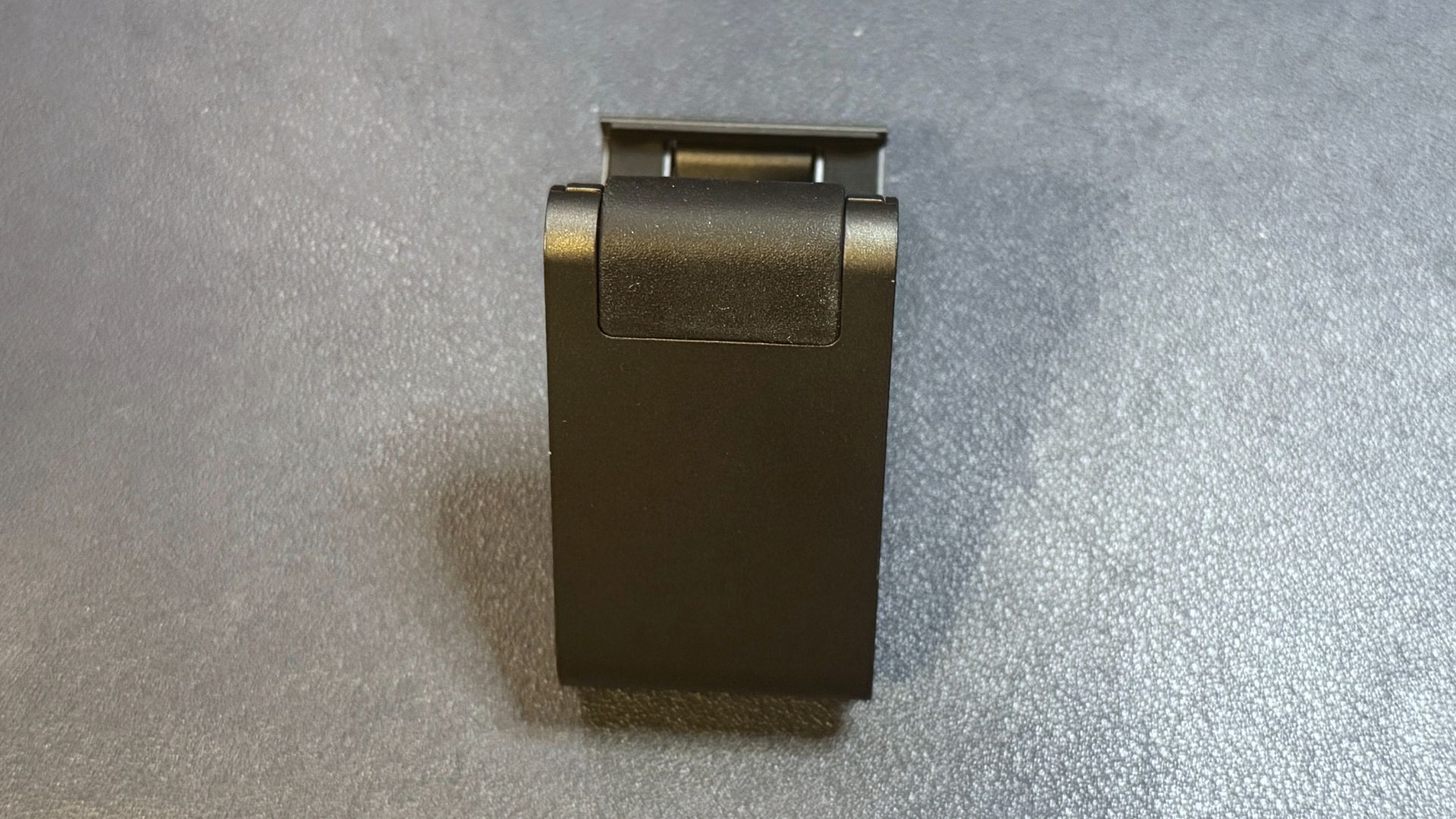
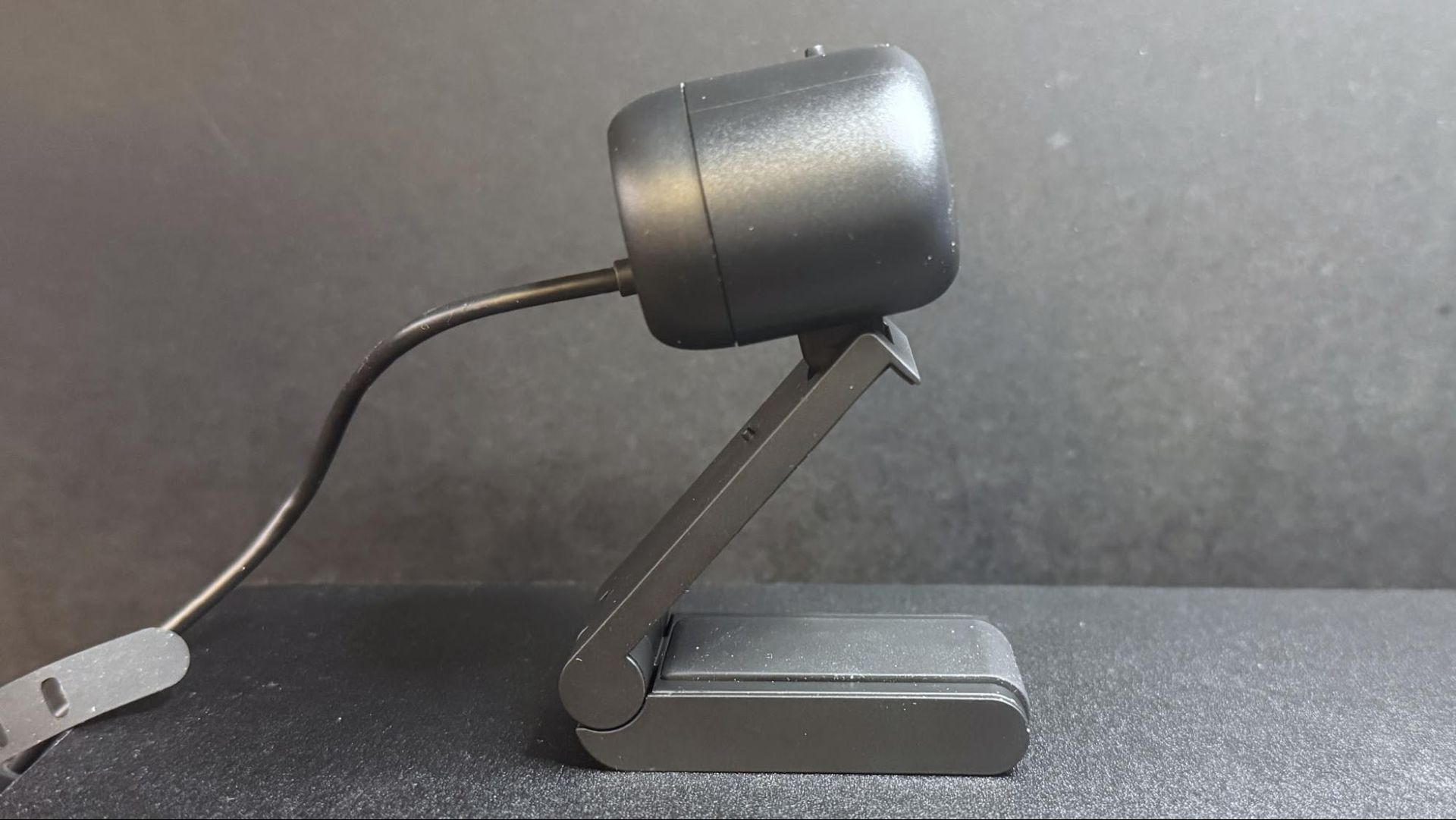
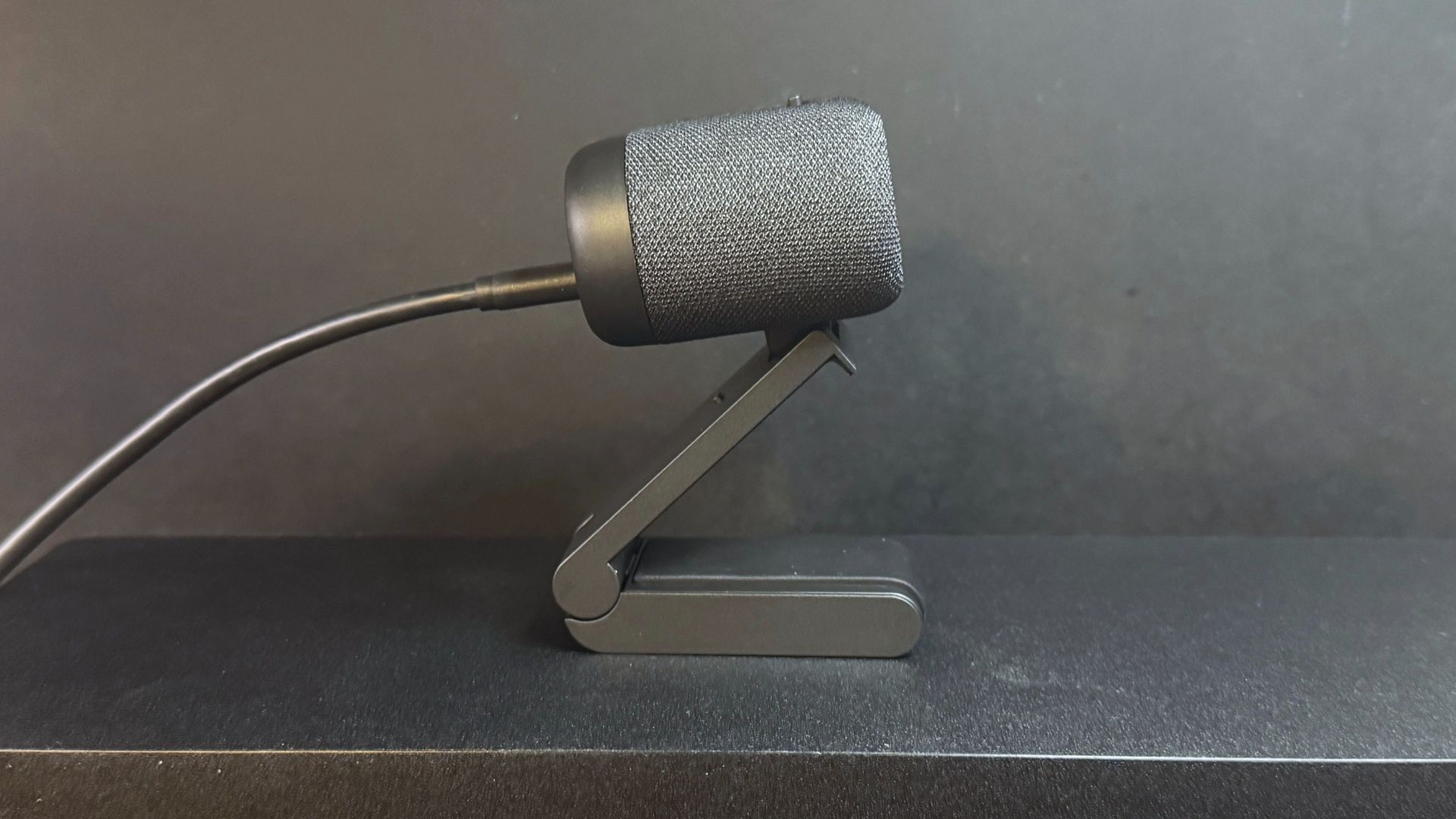
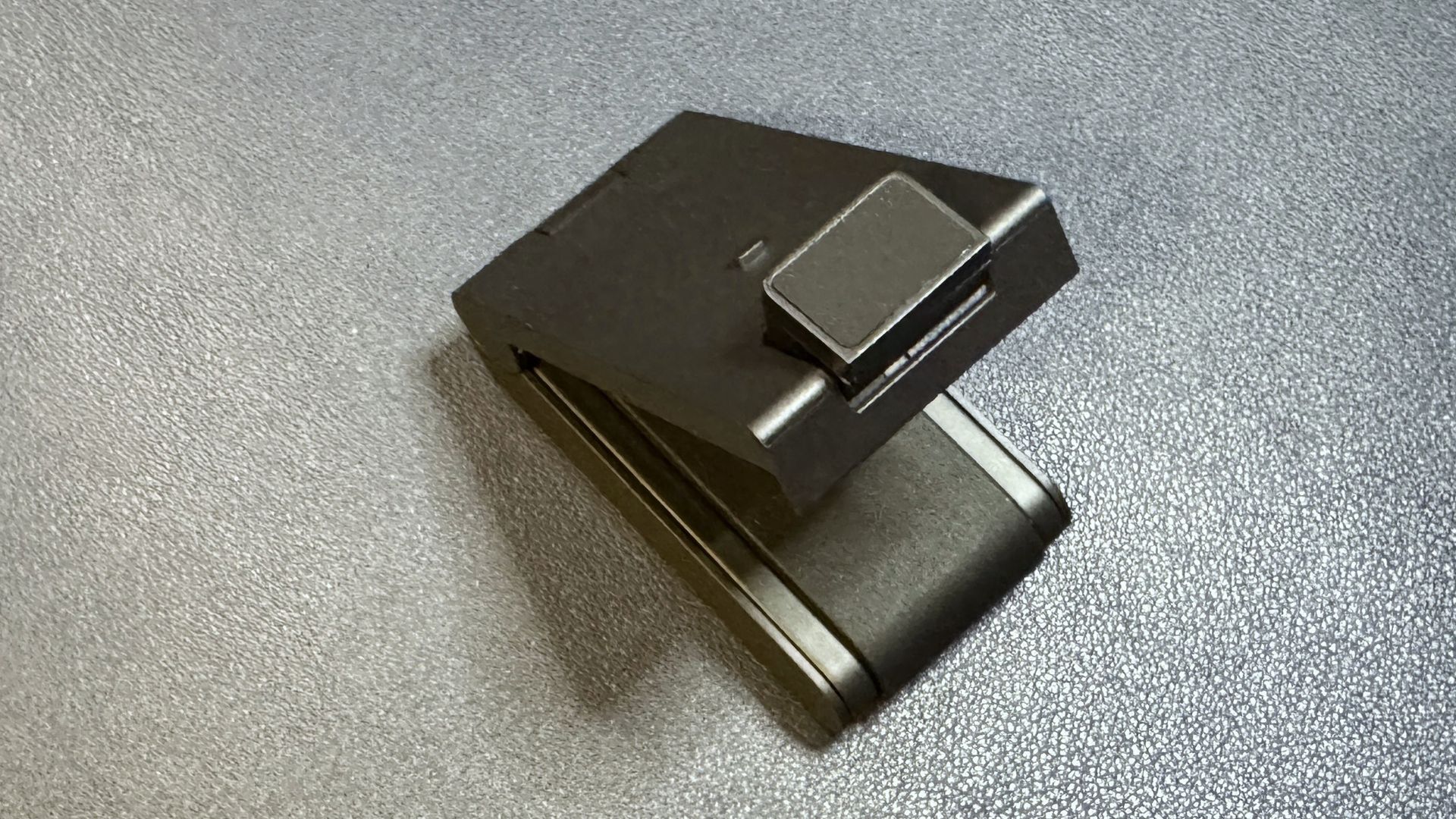
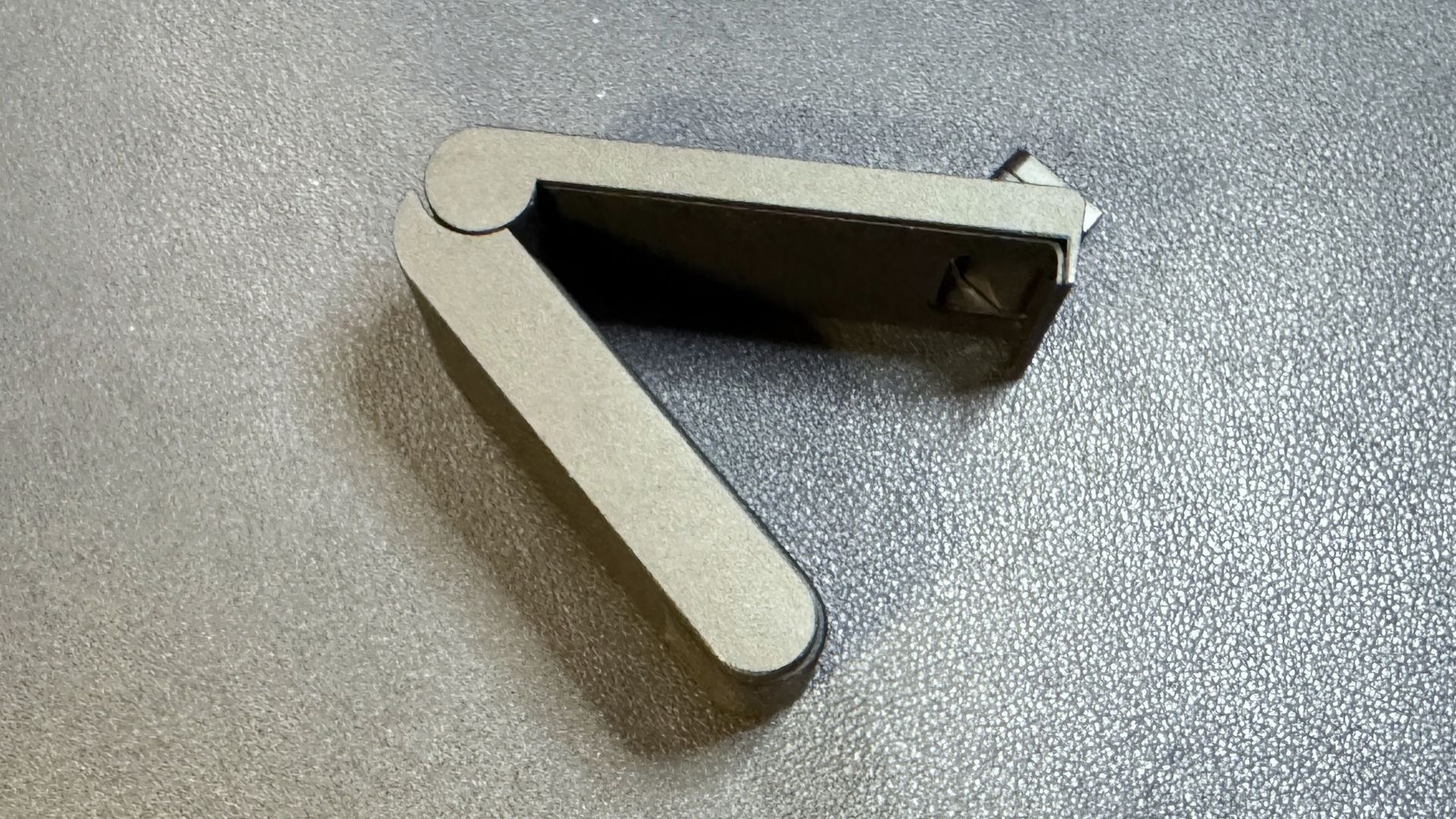
The Dell Pro 7 comes with a detachable monitor mount that attaches to the webcam via magnet. The mount is a pretty standard clamp-style monitor mount, with a lip at the front that hooks over your monitor and a rubber-coated adjustable "foot" that sits against the back of your monitor to stabilize the setup. The mount attaches to the Dell Pro 7 via a relatively stable magnetic attachment point, and the camera can tilt (approximately 90 degrees forward) and swivel while mounted. On the bottom of the webcam you'll also find a universal tripod attachment mounting point so you can use it with a tripod or a different, third-party mount. The mount itself does not have a tripod attachment point, which is a little disappointing as it means you'll be limited to the movement options of whatever third-party mount/tripod you're using.

The mount is hefty and stable, weighing about 4.83 ounces (137g). It's basically the exact same mount that comes with the Dell Pro 5, though it has a slightly textured rubber coating on its "foot," while the Dell Pro 5's mount features soft, smooth rubber. The weight and quality feel much more consistent with the build of the Dell Pro 7, however.
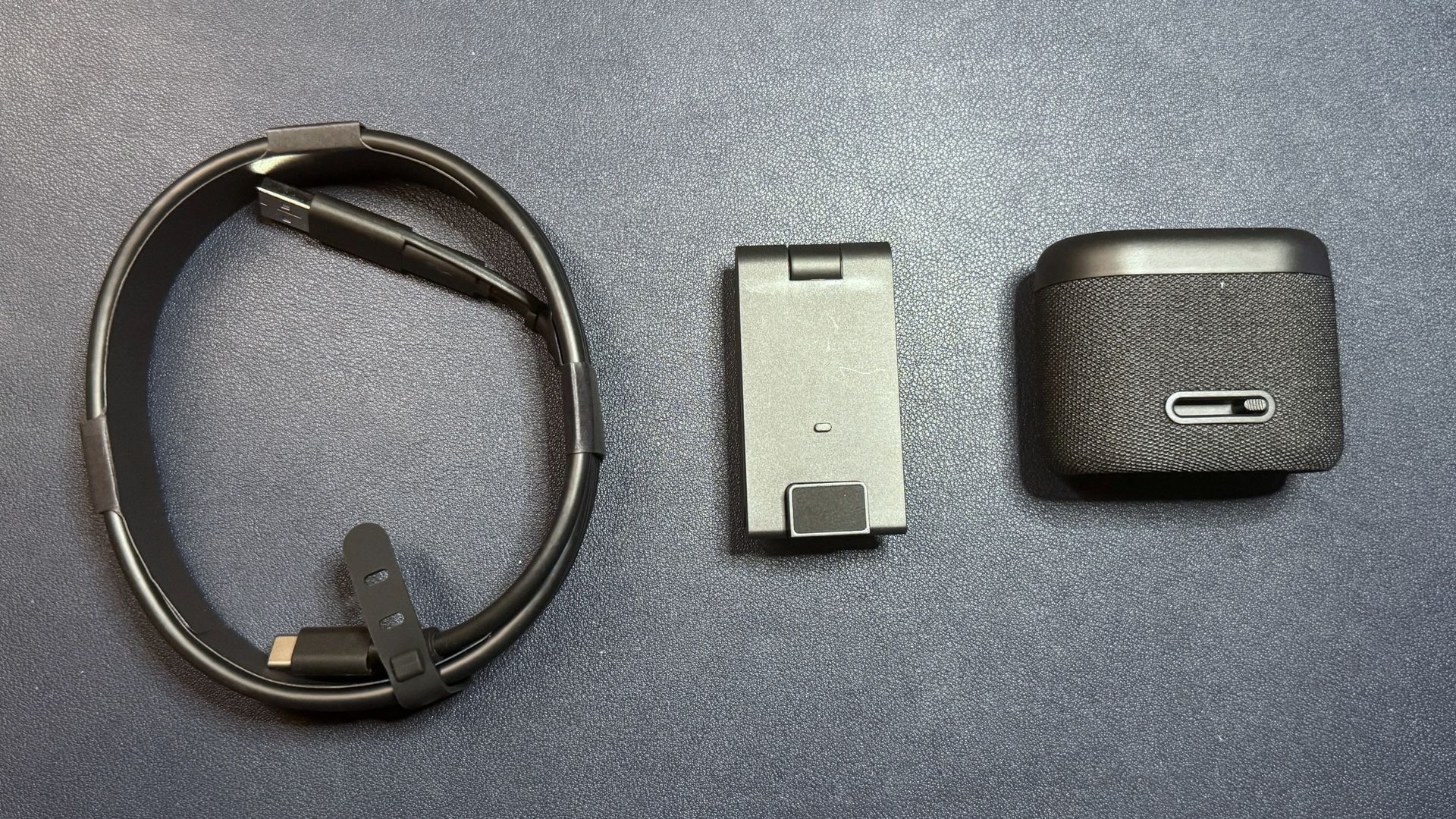
Dell Pro 7 Webcam 4K

(Image credit: Tom's Hardware)

In the box, the Dell Pro 7 comes with a 6.5-foot (2m) heavy-duty USB-C to USB-C cable (USB 3.0) with a built-in USB-C to USB-A converter, the detachable monitor mount, and the webcam itself. The cable is definitely very thick and sturdy — a little too thick and sturdy, as bumping it kept displacing the webcam. The built-in USB-C to USB-A adapter is a nice touch, though you will still need to plug it into a USB 3.0 port if you want to get the full 4K picture quality and use some of the "smart" features (such as the "smart" HDR).

Specs

Resolution FPS

4K / 30, 60fps; 1080p / 30, 60fps; 720p / 30, 60fps

Diagonal Field of View

90 degrees

Zoom

4x digital zoom

Autofocus

Yes

HDR

Yes

Microphone

Dual beam-forming mics

Connection

Wired (USB 3.0)

Mount

Universal clip

Dimensions

2.6 x 2.1 x 1.4 inches / 66 x 53.3 x 35.6mm

Weight

8.48oz / 240.4g (including mount)

Software

Dell

Special Features

Windows Hello, AI

MSRP / Price at Time of Review

$199.99

Release Date

June 11, 2026

Well-lit Performance

The Dell Pro 7 is a 4K webcam that records video in 4K, 1080p, and 720p resolution at both 60 and 30fps — which makes it somewhat rare, as most 4K webcams record a maximum of 4K / 30fps. Not that this matters for most users, as streaming and video chat platforms still generally limit outgoing streams to 1080p at most. Still, I guess it's worth noting if you're looking for a webcam that you can use to record action sequences on.

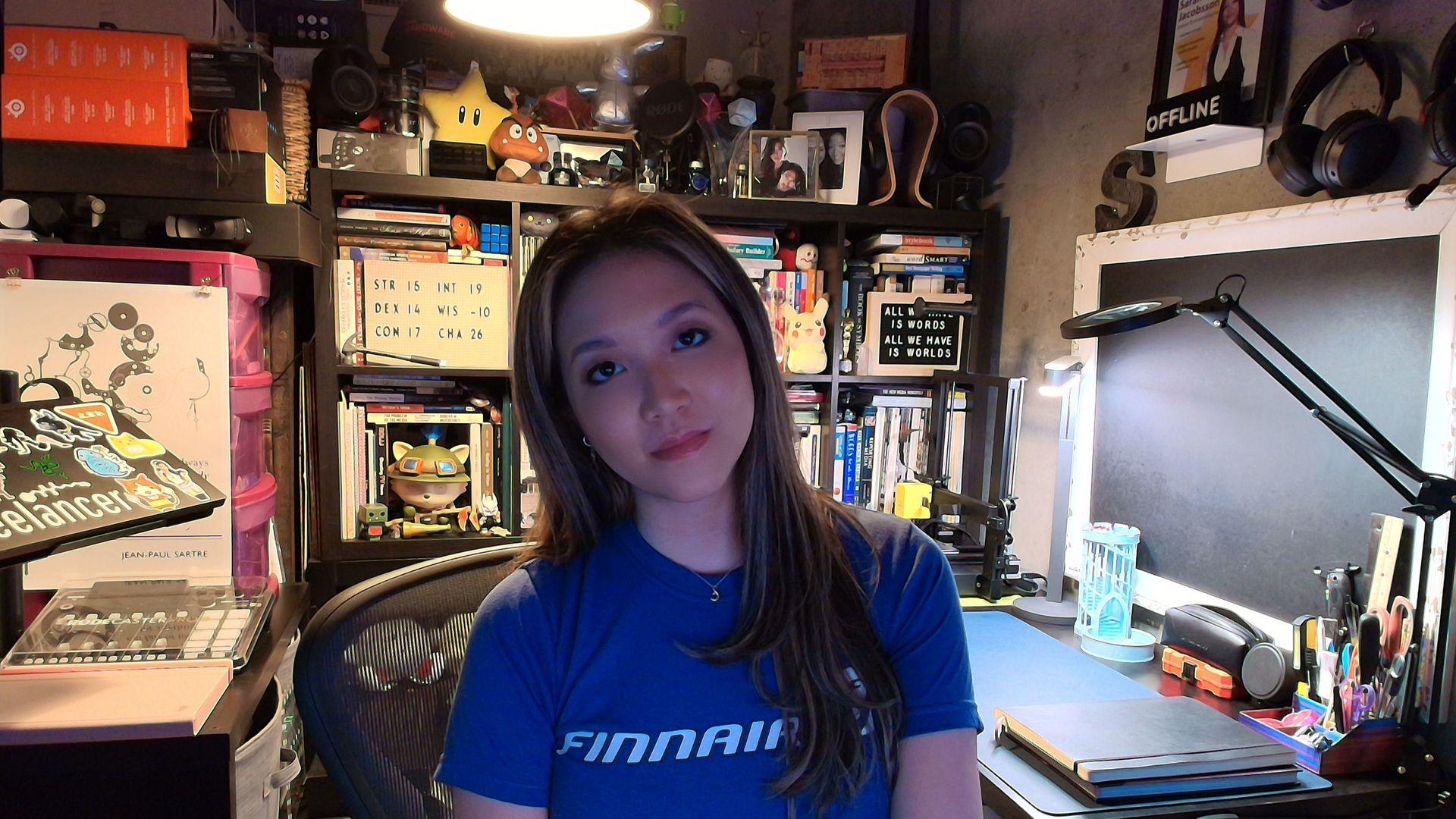
We started out by testing the Dell Pro 7's performance in what is basically an "ideal" (and very unrealistic) webcam lighting scenario. In this scenario there are two professional lights in front of me (behind my monitor set up): a ring light and a key light. I also have four monitors — three 27-inch monitors and one ultra-wide 34-inch monitor, plus some negligible ambient lighting from various peripherals (including my desk). There are two desk lamps behind me, as well as an arching floor lamp above me. All in all, this is an aggressively well-lit scenario (and a very unlikely one, unless you happen to be a professional content creator).
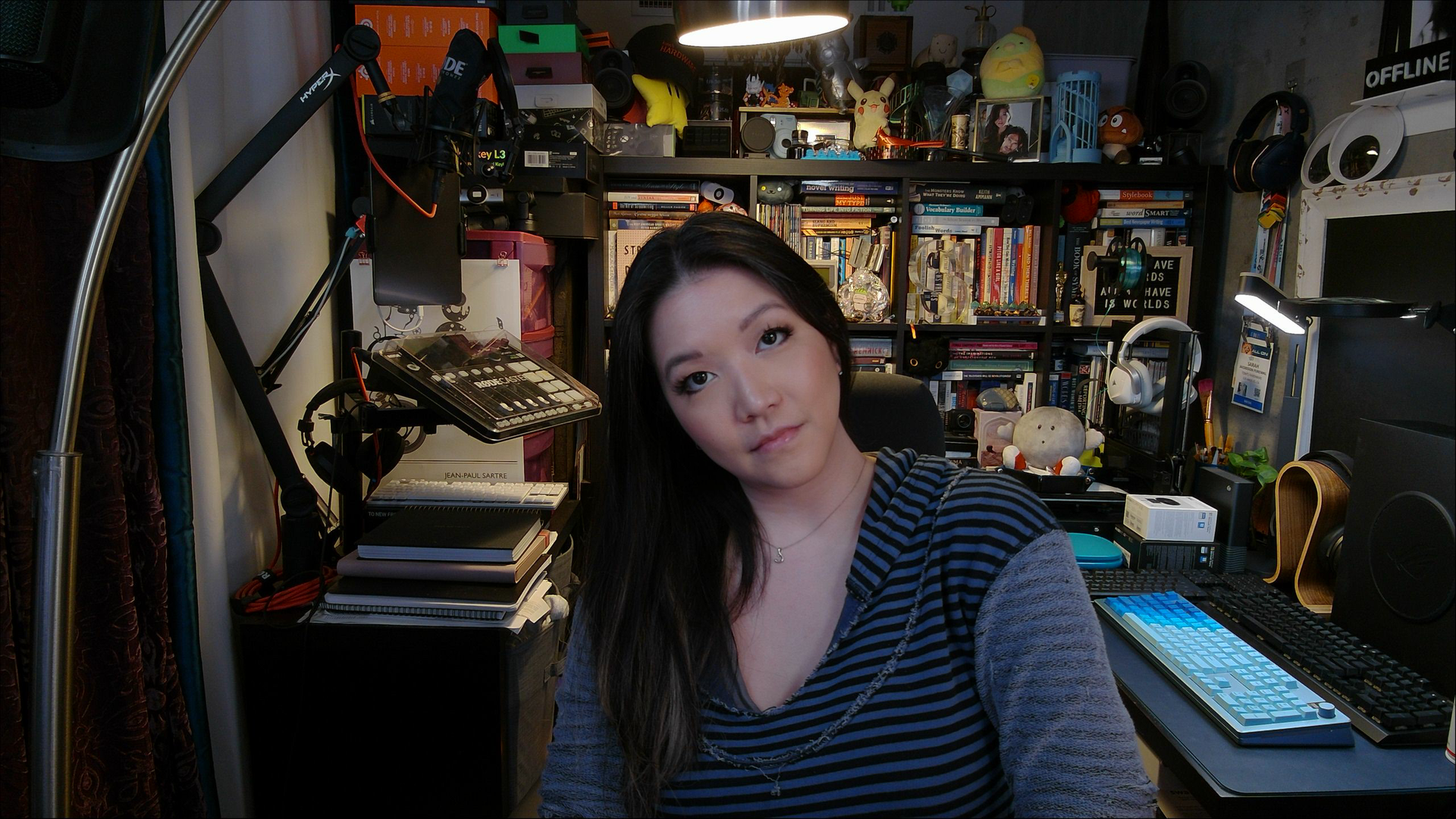
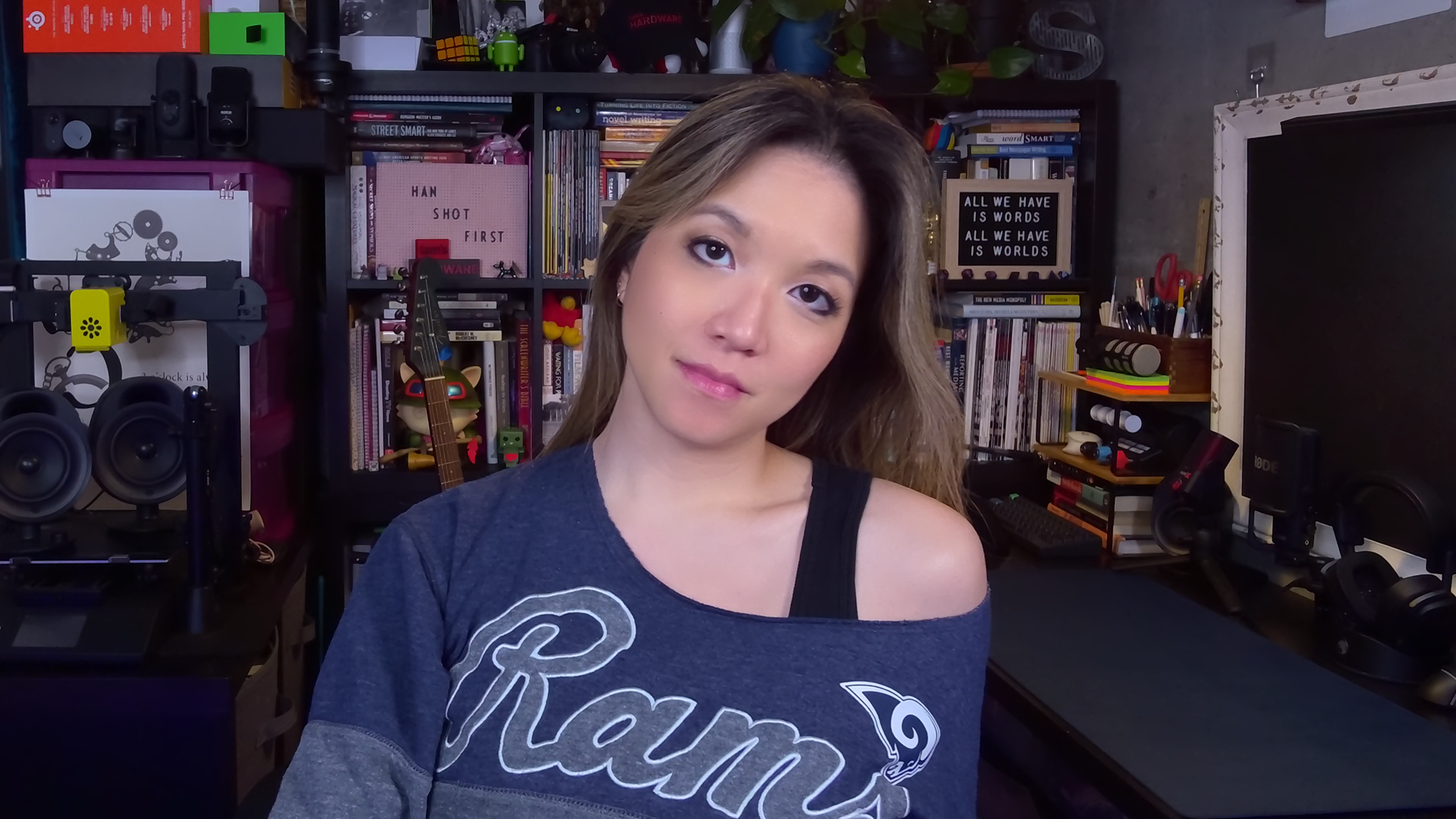
Dell Pro 7 Webcam 4K
Dell Pro 7Tom's Hardware
Elgato Facecam Pro
Elgato Facecam ProTom's Hardware
Logitech MX Brio
Logitech MX BrioTom's Hardware
Razer Kiyo Pro Ultra
Razer Kiyo Pro UltraTom's Hardware

The Dell Pro 7 looked very good in our well-lit scenario. It did a great job of reigning in its auto-exposure in response to the lighting, which is something even the best webcams usually have more trouble with. It managed to keep the scene pretty evenly lit, even as I moved around the room, while also keeping it from looking too evenly lit, i.e., flat and featureless. Its auto white balancing was okay, though it trended toward the cool end of the spectrum. Actually, the colors on this webcam always seemed to be just a little too cool, even with some tweaking in the software. Not the worst thing in the world, but it was frustrating that I couldn't get the color to where I wanted it with adjustments.

That said, while the Dell Pro 7 produced an objectively very good image overall, it didn't really stand out in any way aside from that. I suppose that's not a bad thing, especially for a webcam that's (maybe) slightly more aimed at the workplace, but it mostly made me think of all the other $200 4K webcams you can pick up instead of the Dell Pro 7. Also, while the webcam did a pretty solid job of capturing still photos, the auto-focus was a little slow — which sort of negates the benefit of a 4K / 60 fps capture rate.

Low-Light Performance

To test the webcam's low-light performance, I turned off all of the lights and all of my monitors except for one 27-inch monitor. For consistency, I opened the standard Google home page, which is mostly white, on one half of the monitor and the Windows 11 camera app on the other half. This scenario leaves me in complete darkness save for the light from one 27-inch monitor, which is still quite a bit more light than a laptop user would have if they were sitting in the dark.


Dell Pro 7 Webcam 4K
Dell Pro 7Tom's Hardware
Elgato Facecam Pro
Elgato Facecam ProTom's Hardware
Logitech MX Brio
Logitech MX BrioTom's Hardware
Razer Kiyo Pro Ultra
Razer Kiyo Pro UltraTom's Hardware

The Dell Pro 7 performed moderately well in our low-light scenario. It did an okay job of lighting the scene — the picture looked better than most older webcams, but that's about it (and that's not saying much). There was a lot of noise / graininess and artifacting, however, especially when I moved. And the autofocus had (unsurprisingly) even more trouble tracking me in the dark, and an evenly-lit blurry mess is still a blurry mess.

No webcam performs particularly well in low light, because sensor size is a major factor in low-light performance and webcams are... just not that big. But compared to other 4K webcams such as the Elgato Facecam Pro and the Logitech MX Brio, the Dell Pro 7 definitely comes in a little below average.

Overexposed Performance

To test the Dell Pro 7's performance in overexposed lighting scenarios, I turned off all of the lights in front of me and three of my monitors. That left me with my overhead and background lights, as well as one 27-inch monitor. This isn't the most extreme overexposed lighting scenario, but it's a fairly common one as most offices tend to have a lot of overhead lighting (and only professional streamers put bright, studio-grade lighting directly behind a monitor).
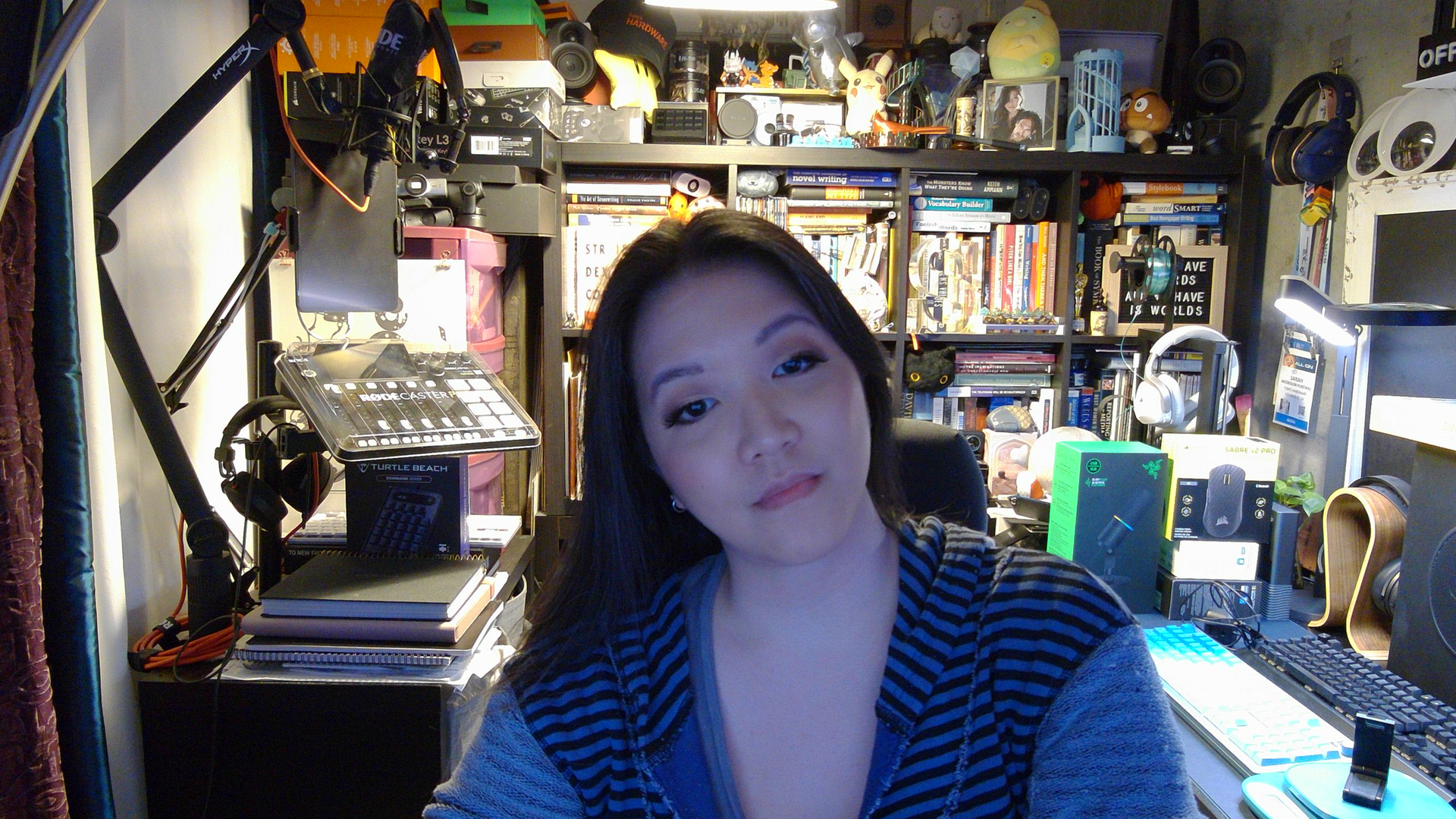

Dell Pro 7 Webcam 4K
Dell Pro 7Tom's Hardware
Elgato Facecam Pro
Elgato Facecam ProTom's Hardware
Logitech MX Brio
Logitech MX BrioTom's Hardware
Razer Kiyo Pro Ultra
Razer Kiyo Pro UltraTom's Hardware

The Dell Pro 7 performed fairly well in this lighting scenario, though it struggled to find a natural-looking color balance (and it kept veering cooler). This is another scenario in which no webcam does particularly well — for the most part, it's enough to just not get blown out by the lighting behind you. But the Logitech MX Brio, which is probably one of the Dell Pro 7's closest competitors, did a much better job here.

Features and Software

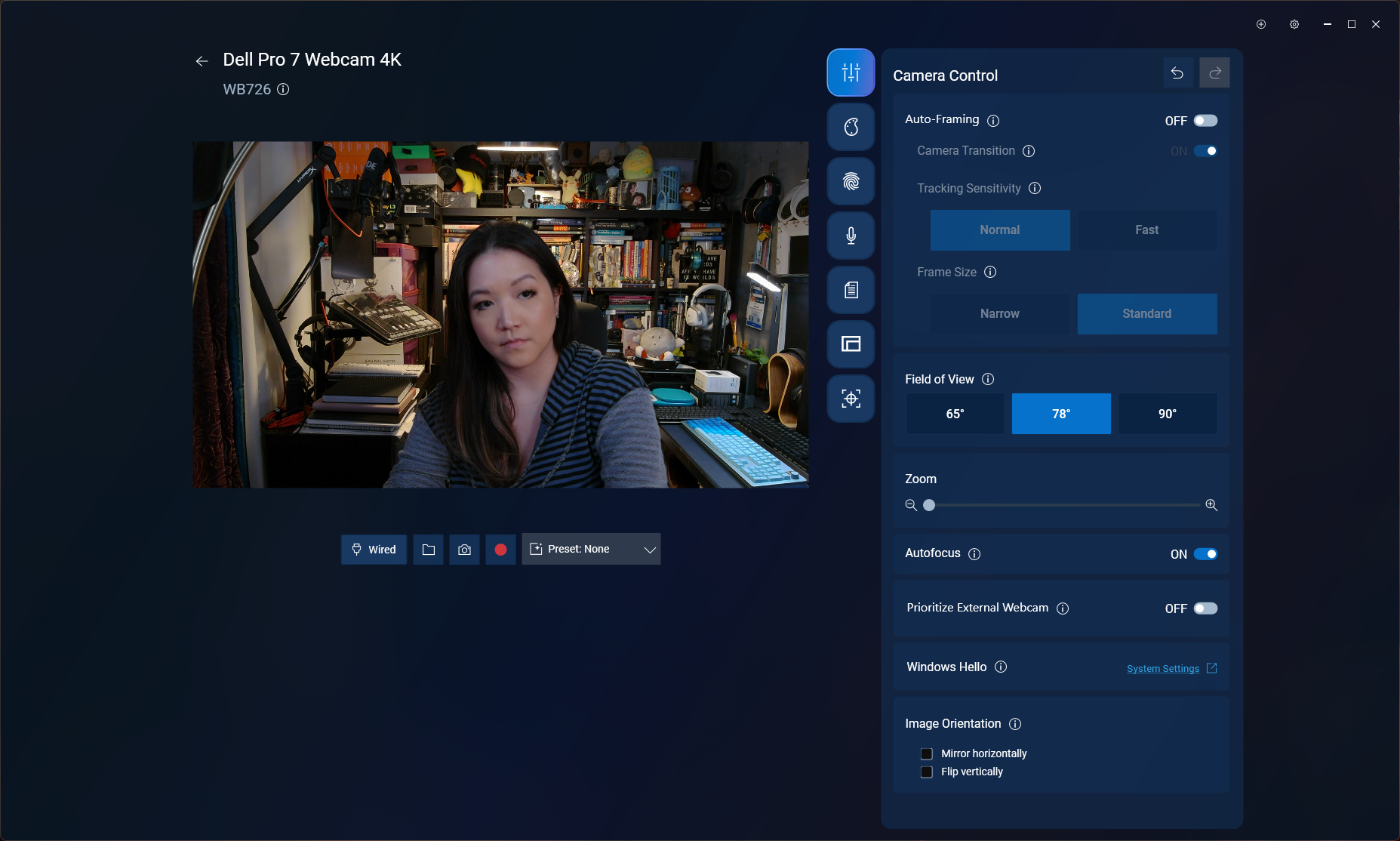
The Dell Pro 7 is configurable via the Dell Display and Peripheral Manager, which lets you adjust camera and picture settings and set up the webcam's various features, such as Windows Hello, presence detection, and the "smart" image enhancements.
Dell Pro 7 Webcam 4K

(Image credit: Tom's Hardware)

While the Dell Display and Peripheral Manager has all the settings and adjustments you might expect in a webcam app, I didn't feel like the various manual adjustments for exposure, saturation, contrast, sharpness, and vibrance were very powerful, which was a bit surprising as usually these settings are too powerful. But this wasn't too much of an issue for me, as the picture is already pretty good — just not perfect — out of the box.

In addition to image enhancements and color adjustments, you can also set up several features in Dell Display and Peripheral Manager — such as face-tracking and auto-framing; "smart" HDR, exposure, and auto white balance; and Windows Hello compatibility. Like the Dell Pro 5, the Dell Pro 7 also has a "document view" feature designed to better focus on and display documents, as well as an "object focus" mode that can be activated using gesture controls (or manually).

The Dell Pro 7 has built-in dual beam-forming microphones, and while a built-in microphone is not really something most people are looking for in a webcam (especially as they generally tend to be terrible), the Dell Pro 7's built-in mics were surprisingly good — and not just for a webcam, but... in general. In fact, this might be the first webcam with a mic I can actually recommend.

The Dell Pro 7's mics picked up my voice very well — it came through loud, clear, and surprisingly vibrant and full, even when I was sitting at a normal distance from the webcam and speaking casually (i.e., not trying to speak "into" the mic). There was a little fuzziness and distortion around the edges of my words, and it picked up the clacking on my keyboard and the clicking on my mouse almost as well as it picked up my voice (and the software-based noise reduction in the app almost immediately started swallowing my words), but as long as you're not trying to type and talk at the same time the Dell Pro 7's mic sounds good. Not as good as a standalone USB gaming mic, of course, but on par with the average gaming headset mic.

Bottom Line

The Dell Pro 7 is actually a pretty solid 4K webcam, if not a particularly thrilling one. While I don't think most people looking at the Dell Pro 7 are going to be fiending for 60fps, I'm sure there are probably at least two people who will appreciate it. For everyone else, the Dell Pro 7 has a nice suite of office-friendly features, including presence detection to lock your PC when you're not sitting in front of it, Windows Hello compatibility for extra security, and things like document view and gesture control and an extra-wide field of view for when you need to run a remote 4K, 60fps meeting with lots of people (and documents).

But if you don't see yourself running speedy, highly-detailed multi-person webcam meetings, the similarly-priced Logitech MX Brio does a better job at making you look good... which is a big part of what webcams are for, right? The Dell Pro 7 outputs a decent picture (in relatively "ideal" lighting), but this webcam is not really about the picture — it's about everything else.
昨天以前Tomshardware

Dell Pro 5 Webcam 2K Review: So you can look good in office

2026年9月13日 22:00

Just because you're in the office doesn't mean you might not still need to be on camera — so I guess it's not too surprising that some of the best webcams are made specifically for the office. Or that Dell is the one to make them.

Dell's new office-oriented 2K webcam, the Dell Pro 5 (WB526), is a small, lightweight webcam that records video at 2K QHD / 30fps, 1080p / 30fps, and 720p / 60 and 30fps. It sports a Sony sensor and has a 78-degree field of view, 2x digital zoom, and an autofocus lens with a maximum aperture of f/2.0. As for its "office-friendly" features, it's compatible with Windows Hello, and it has an "anti-theft interface" and comes with a lockable cable that you can attach to a loop on the non-detachable USB-C cable. It also has some intelligent features, such as smart auto-exposure, AI auto-framing, and face tracking, as well as a built-in omnidirectional microphone that doesn't sound quite as terrible as most built-in webcam mics. It's available now for $119.99, though it's currently on sale for $114.99.

Design

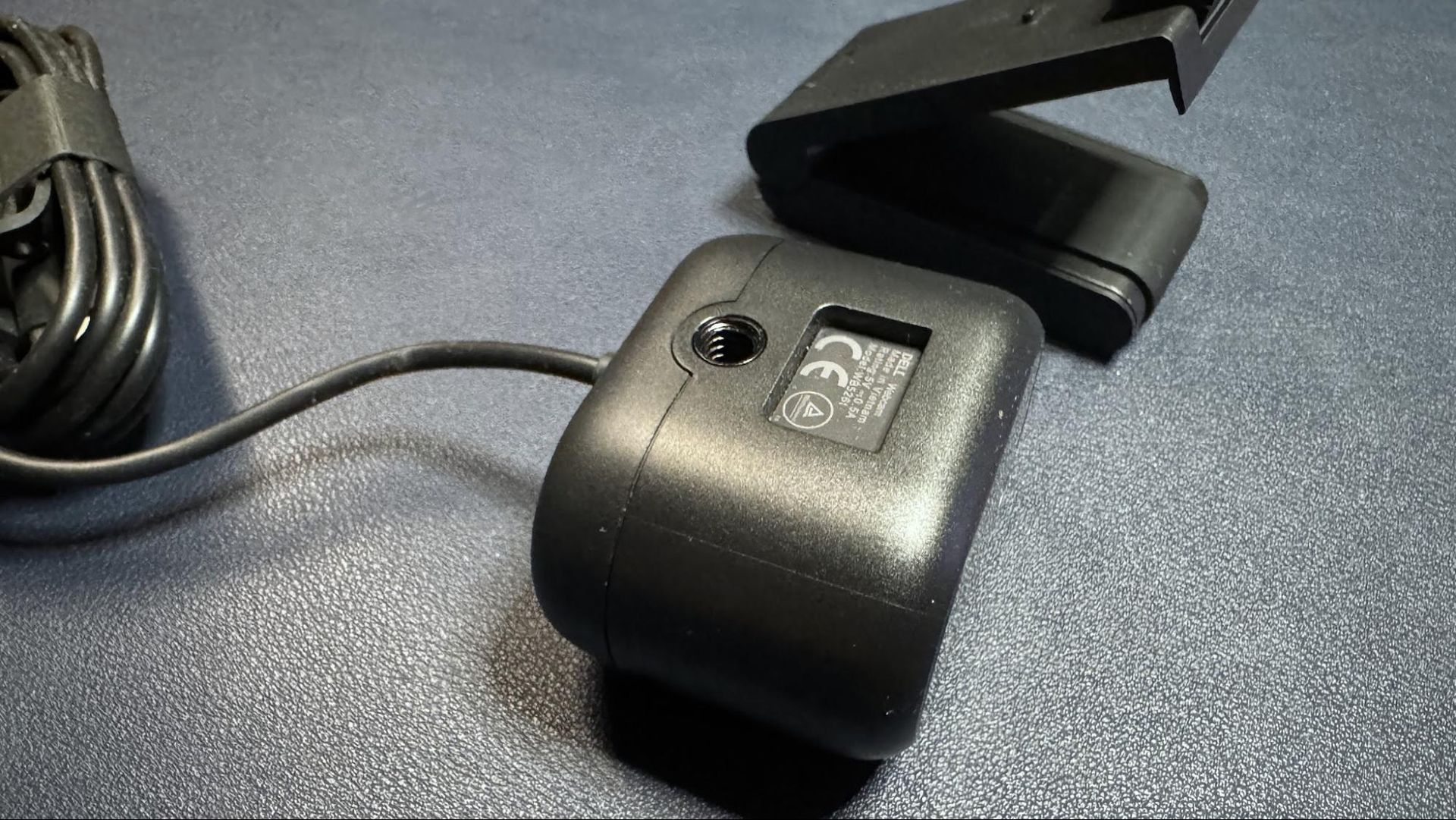
The Dell Pro 5 webcam is a small oval-shaped webcam with a non-detachable USB-C cable (which comes with a built-in USB-A adapter. It has a lightweight black plastic body, measuring about 2.28 inches (57.9mm) wide by 1.7 inches (43.18mm) deep, and is 1.4 inches (35.56mm) high. It's a fairly small webcam — not quite as small as the YoloLiv YoloCam S3, but close. It also has a physical lens shutter, which you can open and close via a small switch on top of the device. It's not the most elegantly implemented lens shutter we've ever seen, but it does the job perfectly well.
Dell Pro 5 Webcam 2K
Tom's Hardware
Dell Pro 5 Webcam 2K
Tom's Hardware
Dell Pro 5 Webcam 2K
Tom's Hardware
Dell Pro 5 Webcam 2K
Tom's Hardware

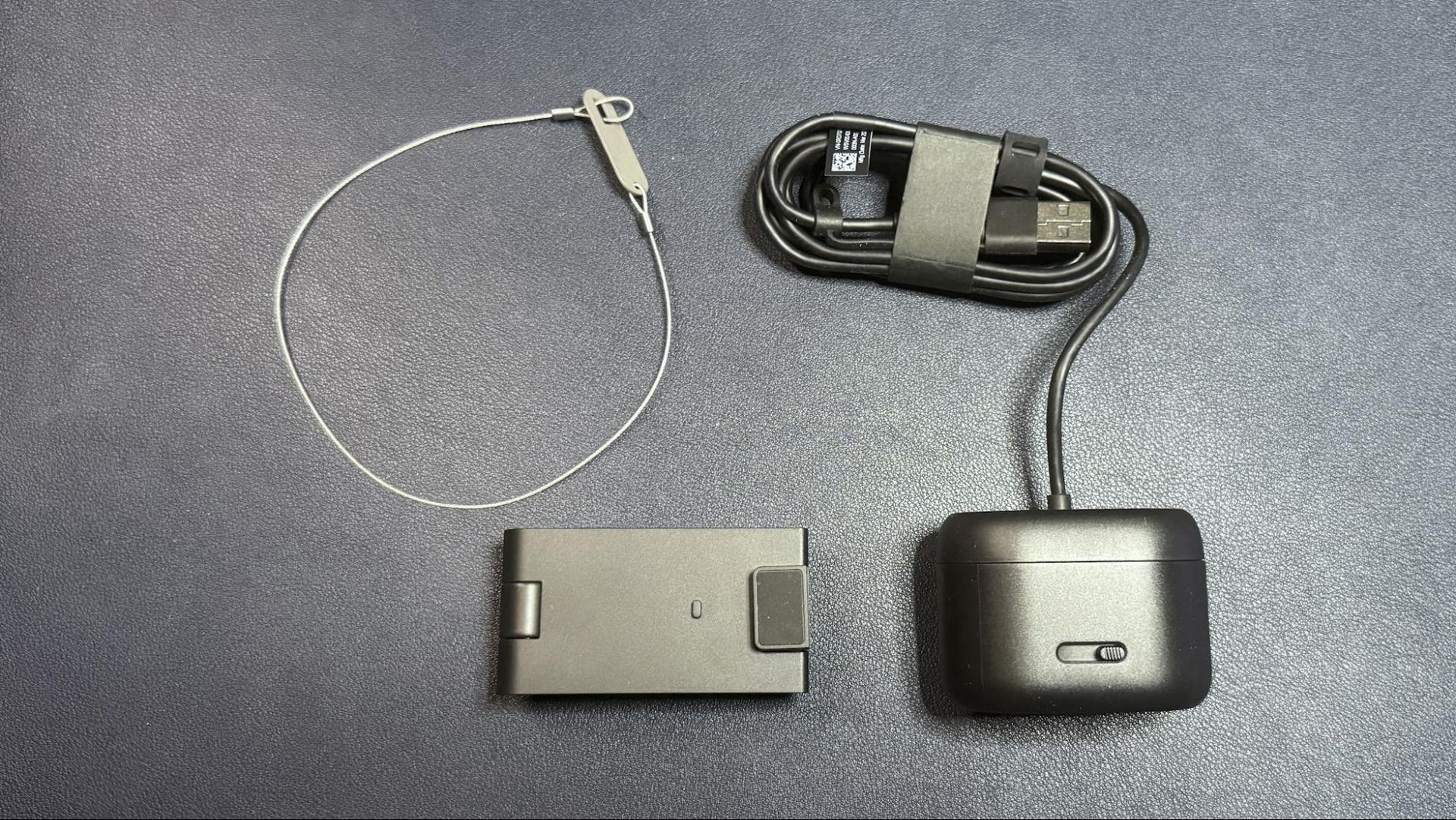
Like many lower-cost webcams, its cable is not detachable — it's a 5-foot (1.5m) rubber USB-C cable with a built-in USB-C to USB-A converter attached to one end. It's not a particularly thick cable, but it's stiff enough (and the webcam is lightweight enough) that it does influence the webcam's position, and bumping it can cause the webcam to accidentally move and mess up your framing.

Dell Pro 5 Webcam 2K
Tom's Hardware
Dell Pro 5 Webcam 2K
Tom's Hardware

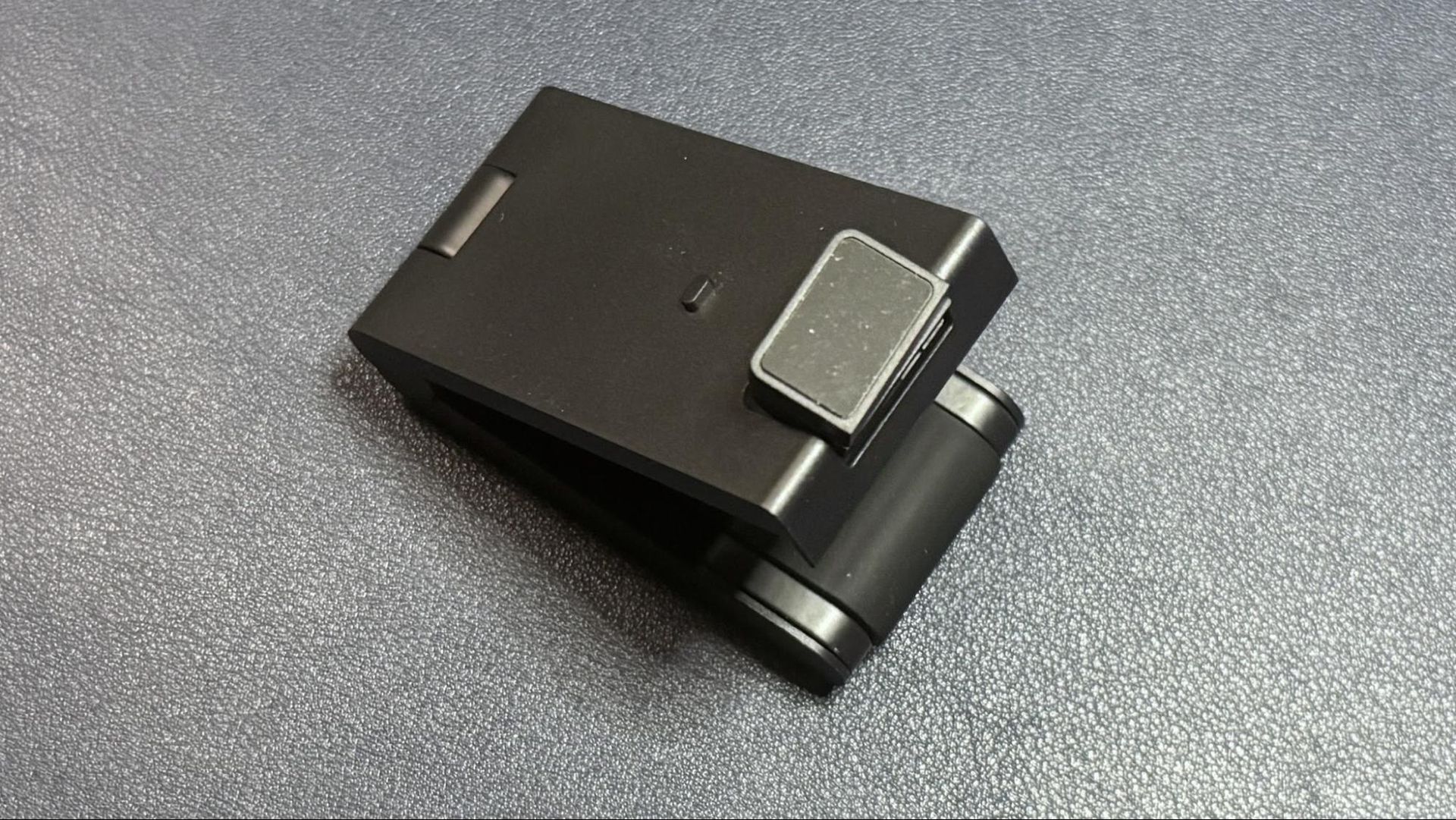
The Dell Pro 5 comes with a sturdy detachable monitor mount that attaches to the bottom of the webcam via a strong magnet. (The webcam also has a standard tripod mounting point, should you want to use it with a different camera mount.) The mount is surprisingly hefty — it weighs about 4.7 ounces (133g), which is nearly twice the weight of the webcam itself, which weighs around 2.57 ounces (73g). It's a pretty standard monitor clip mount, with a lip that goes over the edge of your monitor and an adjustable, rubber-coated "foot" that sits on the back of your monitor to hold the webcam in place.

The mount allows you to tilt the webcam forward up to 90 degrees, which will probably be useful for the webcam's document-reading feature. It also allows you to swivel the webcam almost 90 degrees in either direction, so it's actually pretty flexible for a mount included with a more budget-friendly webcam. It does not have a tripod mounting point on the bottom, however, so you won't be able to take advantage of this flexibility away from your PC.

Dell Pro 5 Webcam 2K

(Image credit: Tom's Hardware)

In the box, the Dell Pro 5 comes with its detachable monitor mount and a locking mechanism for those of you who work in insecure office environments (or, I suppose, for those who might travel and work from co-working spaces, I guess). The locking mechanism is designed to slide through a loop on the cable.

Specs

Resolution FPS

2K QHD / 30fps; 1080p / 30fps; 720p / 60fps, 30fps

Diagonal Field of View

78, 65

Zoom

2x digital

Autofocus

Yes

HDR

Yes

Microphone

Omni-directional

Connection

Wired (USB-C)

Mount

Universal clip

Dimensions

2.28 x 1.7 x 1.4" / 57.9 x 43.18 x 35.56mm

Weight

7.41oz / 210g (with mount)

Software

Dell Display and Peripheral Manager

Special Features

Lock

MSRP / Price at Time of Review

$119.99 / $114.99

Release Date

June 2026

Well-lit Performance

The Dell Pro 5 is a 2K webcam that outputs video in 2K UHD at 30fps — it's not 4K, but it should give you more detail and better image quality than a standard full HD 1080p webcam, even if most streaming and video conferencing services limit your outgoing stream to 1080p or lower.

For our well-lit performance test, I tested the Dell Pro 5 webcam in a fully-lit setting. From the front, I have two professional lights (a ring light on the right side and a key light on the left side), as well as four monitors (three 27-inch monitors and one 34-inch widescreen monitor), plus ambient lighting from various peripherals, including my desk. Behind me, there are two desk lamps, and overhead I have an arching floor lamp. There is no uncontrolled light in my home office, and it's a pretty bright scenario. (All of my test photos are taken with Windows' native camera app for consistency, but please note that test photos are mainly for illustrative purposes and the conclusions drawn are based on extensive testing.)

Dell Pro 5 Webcam 2K
Dell Pro 5Tom's Hardware
Dell Pro 5 Webcam 2K
Dell Pro (WB5023)Tom's Hardware
Dell Pro 5 Webcam 2K
Elgato NeoTom's Hardware

The Dell Pro 5 performed pretty well in our well-lit scenario, though the color balancing seemed to wash me out slightly and the picture wasn't quite as crisp as I would have liked. That said, this is exactly the kind of picture I look for in an office-oriented webcam — bright and evenly-lit, if a little flat, for a more "professional" appearance (and so it can do things like read text and scan documents). It's not the most cinematic, dramatic, or flattering image from a webcam, but it should work very well in a professional setting.

Low-Light Performance

For our low-light test, I turned off all of the lights in my home office except for one 27-inch monitor, on which I had a window open with Google's homepage (mostly white) filling half the screen and the Windows 11 Camera app filling the other half. This is basically a completely dark scenario with only my (admittedly, relatively large) monitor for lighting.

Dell Pro 5 Webcam 2K
Dell Pro 5Tom's Hardware
Dell Pro 5 Webcam 2K
Dell Pro Webcam (WB5023)Tom's Hardware
Dell Pro 5 Webcam 2K
Elgato NeoTom's Hardware

The Dell Pro 5 performed about as well as I expected in this scenario — it was able to pick up more detail in the dark than most 1080p webcams, though its low-light performance is far from what I'd call "good." This was more noticeable in moving video, however, as the video was extremely grainy with large artifacts (this photo actually makes it look much better than it was). The Dell Pro 5 does have HDR, but this didn't seem to make a significant difference in the low-light picture quality.

By comparison, the Dell Pro (WB5023) webcam did a better job with balancing light in the low-light scenario, though it picked up the same amount of detail. The Elgato Neo, which is a budget 1080p webcam, did a much better job of balancing light in this scenario, but its picture was also extremely grainy.

Overexposed Performance

For our overexposed performance test, I turned off most of the lights in front of me (save for one 27-inch monitor) and left the lights behind and above me turned on. This is actually one of the most likely scenarios for webcam users, as offices tend to be generally well-lit environments, but without dedicated camera-focused lighting aimed at the user.

Dell Pro 5 Webcam 2K
Dell Pro 5Tom's Hardware
Dell Pro 5 Webcam 2K
Dell Pro Webcam (WB5023)Tom's Hardware
Dell Pro 5 Webcam 2K
Elgato NeoTom's Hardware

The Dell Pro 5 performed adequately in our overexposed performance test: it managed to balance light fairly well (every webcam struggles with this), but its auto color balancing was definitely off. Both the Dell Pro (WB5023) and the Elgato Neo did a much better job with color balancing in the overexposed scenario, especially with the default settings.

Features and Software

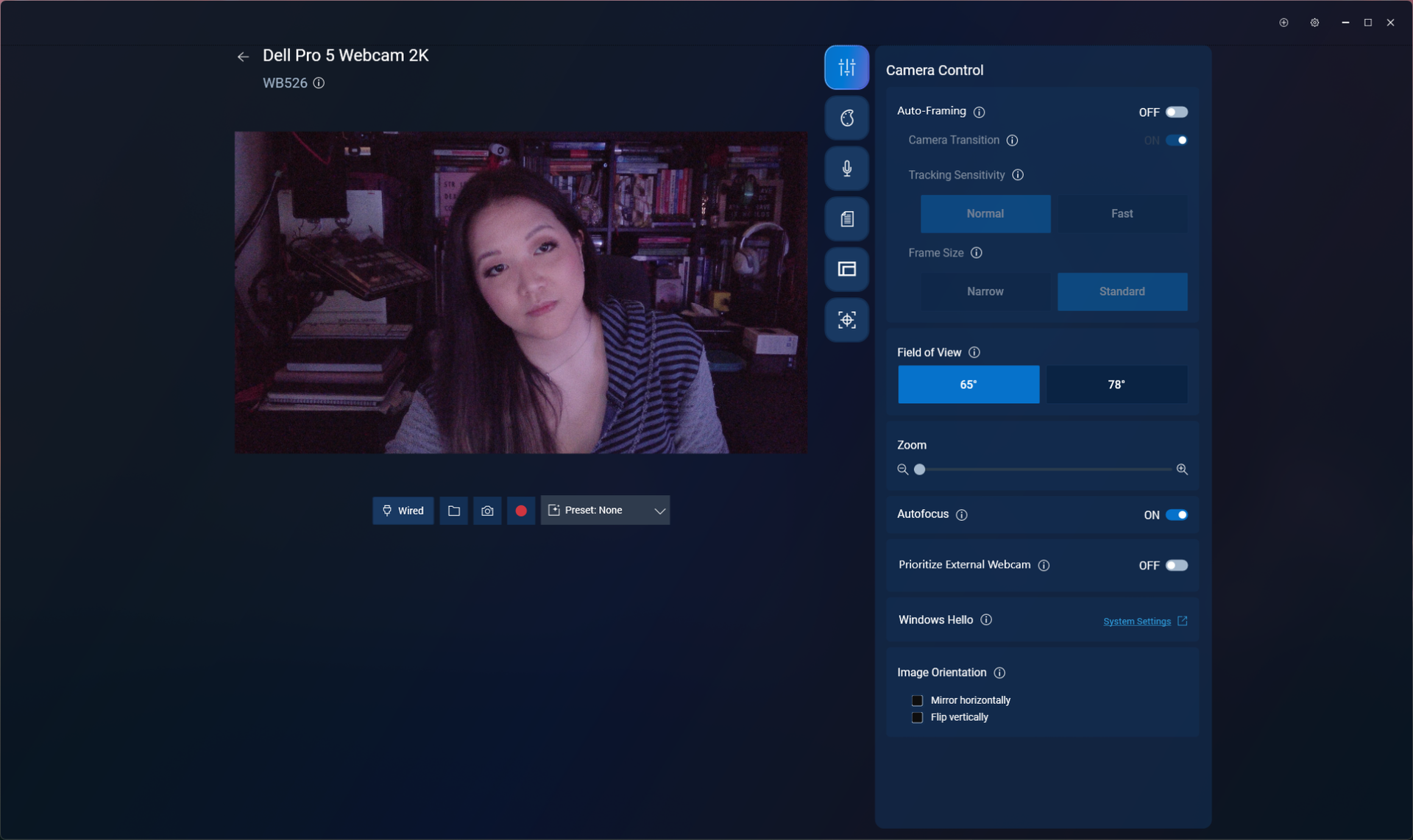
The Dell Pro 5 is configurable via Dell Display and Peripheral Manager, which lets you adjust the webcam's image settings and toggle on various features such as face tracking, HDR, and auto exposure. You can also set up features such as gesture control and Windows Hello from this app, as well as Document View, which can be configured to automatically turn on when you tilt the camera down at least 60 degrees and show a rectangular document.

Dell Pro 5 Webcam 2K

(Image credit: Tom's Hardware)

While the Dell Display and Peripheral Manager does have a lot of settings you can adjust, including brightness, sharpness, contrast, saturation, and vibrance, I found that adjusting the settings didn't actually seem to do much for the picture. Turning the saturation down to 0%, for example, gave me a slightly desaturated image — not a completely black-and-white one. I also found it frustrating that there was no way (at least as far as I could see) to minimize the app to your system tray.

The Dell Pro 5 has a built-in omni-directional microphone for when you have absolutely no choice other than to use your webcam's built-in mic. The mic wasn't the worst I've heard on a webcam — it managed to pick up my voice pretty clearly, and didn't make me sound like I was yelling through an underwater tunnel — but it wasn't great, either. It should work fine if you've got nothing else on hand to speak into, but it's not a microphone I'd recommend.

Bottom Line

The Dell Pro 5 webcam is definitely designed for office use — and for an office-oriented webcam, it's not bad. But if you're looking for something easy to use and cheap enough that your coworkers aren't going to try to steal it, I'd probably recommend the Elgato Neo over the Dell Pro 5 — after all, the Elgato Neo retails for $60 and can currently be found for about half that, which means the Dell Pro 5 is more than four times as expensive.

The Dell Pro 5's 2K resolution might come in handy if you're the type of person who's constantly showing documents over video calls, but Razer's Kiyo X also has a 2K resolution and retails for $100 (and can currently be found on sale for around $75). The Dell Pro 5 isn't a bad webcam, but you don't need to pay $120 for similar quality.

Libernovo Omni Pro Review: Cooler than you think

2026年9月10日 21:06

Libernovo is still basically brand new to the gaming chairs market — the company just released its first chair a little over a year ago. But the original Libernovo Omni was impressive: lightweight, dynamically ergonomic, and comfortable enough to supplant my ride-or-die Herman Miller Aeron for several months. Now Libernovo is branching out (sort of), with variations on its original Omni. There's a cheaper, less-techy version (the Omni SE), a fancier version with a built-in fan (the Omni Pro), and a sturdier version for people who are between 5 feet 10 inches and 6 feet 7 inches, weighing up to 399 pounds (181kg).

We're taking a look at the Libernovo Omni Pro, which is the more premium version of this already fairly pricey chair. It's got a few upgrades from the original Omni, including a reinforced aluminum alloy base and more durable fabric, as well as a built-in seat ventilation fan that works... surprisingly well, considering it doesn't blow air toward you but rather draws it away from you. As the fanciest Omni variation, the Omni Pro is, of course, pricier than the original Omni, but not by too much — its retail price is listed at $1,299, but that seems to be permanently discounted to $1,109. That's for just the chair itself; Libernovo also sells it bundled with a corresponding StepSync footrest for $1,183 (MSRP: $1,497), and with an extra battery for $1,247 (MSRP: $1,596).

Assembly

The Omni Pro does require some assembly: It's more complicated to assemble than most gaming chairs, as it has some electronics built-in. But it's also easier to assemble than most gaming chairs, as it's fairly lightweight and none of the pieces are oversized or unwieldy.

Libernovo Omni Pro
Tom's Hardware
Libernovo Omni Pro
Tom's Hardware
Libernovo Omni Pro
Tom's Hardware

The chair comes with everything you need to assemble it, including work gloves (not really necessary, but a nice touch, I suppose), a hex screwdriver, and hardware packaged in individually-labeled bags. The instructions are printed on a giant box insert, which is fairly easy to follow (though I still felt like the illustrations could have been explained slightly better). The chair also comes with a separate user manual and a setup manual to help you calibrate the chair for the first time.

Libernovo Omni Pro

(Image credit: Tom's Hardware)

The chair took me about 20 minutes to put together on my own.

Design and Construction

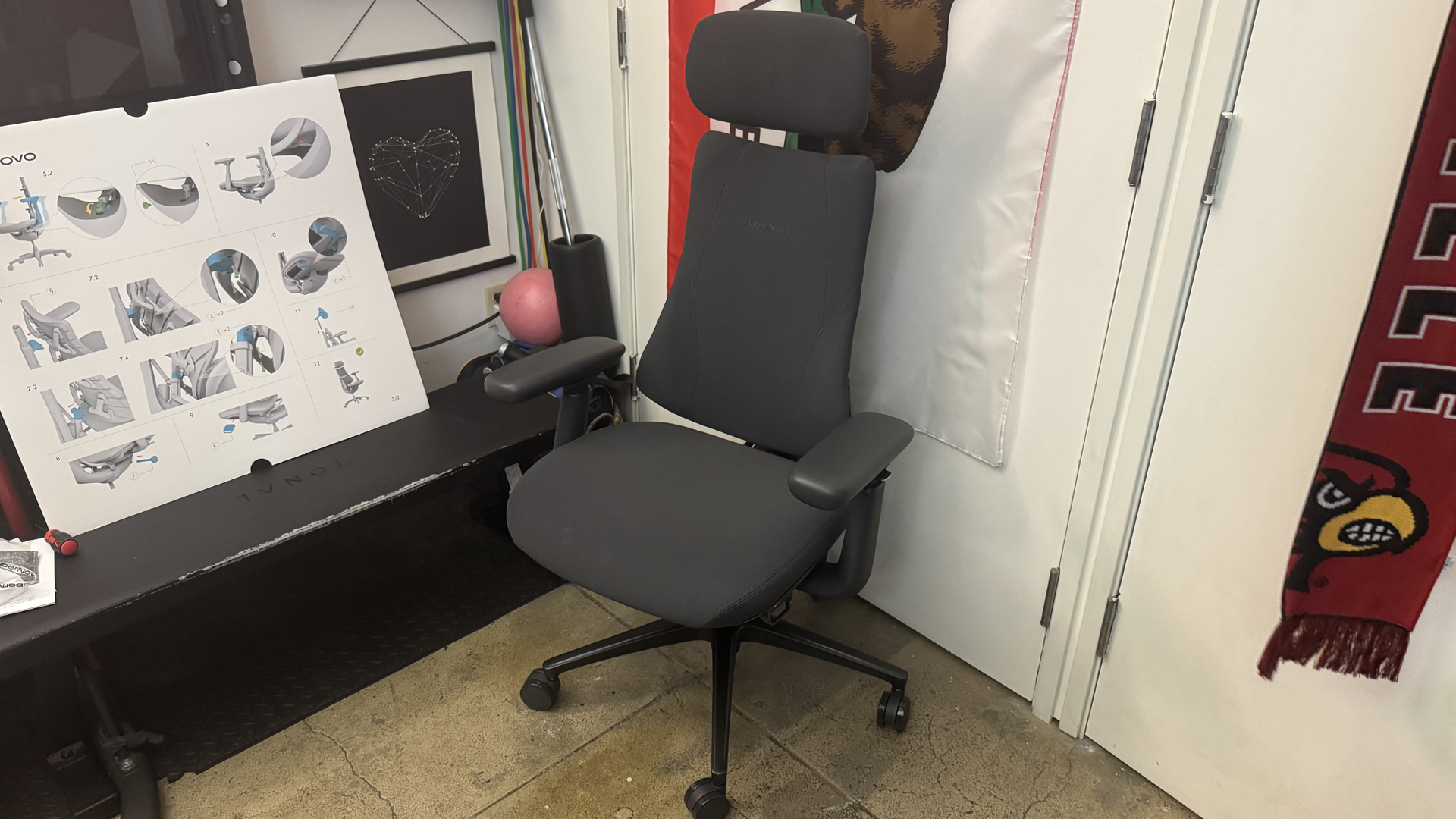
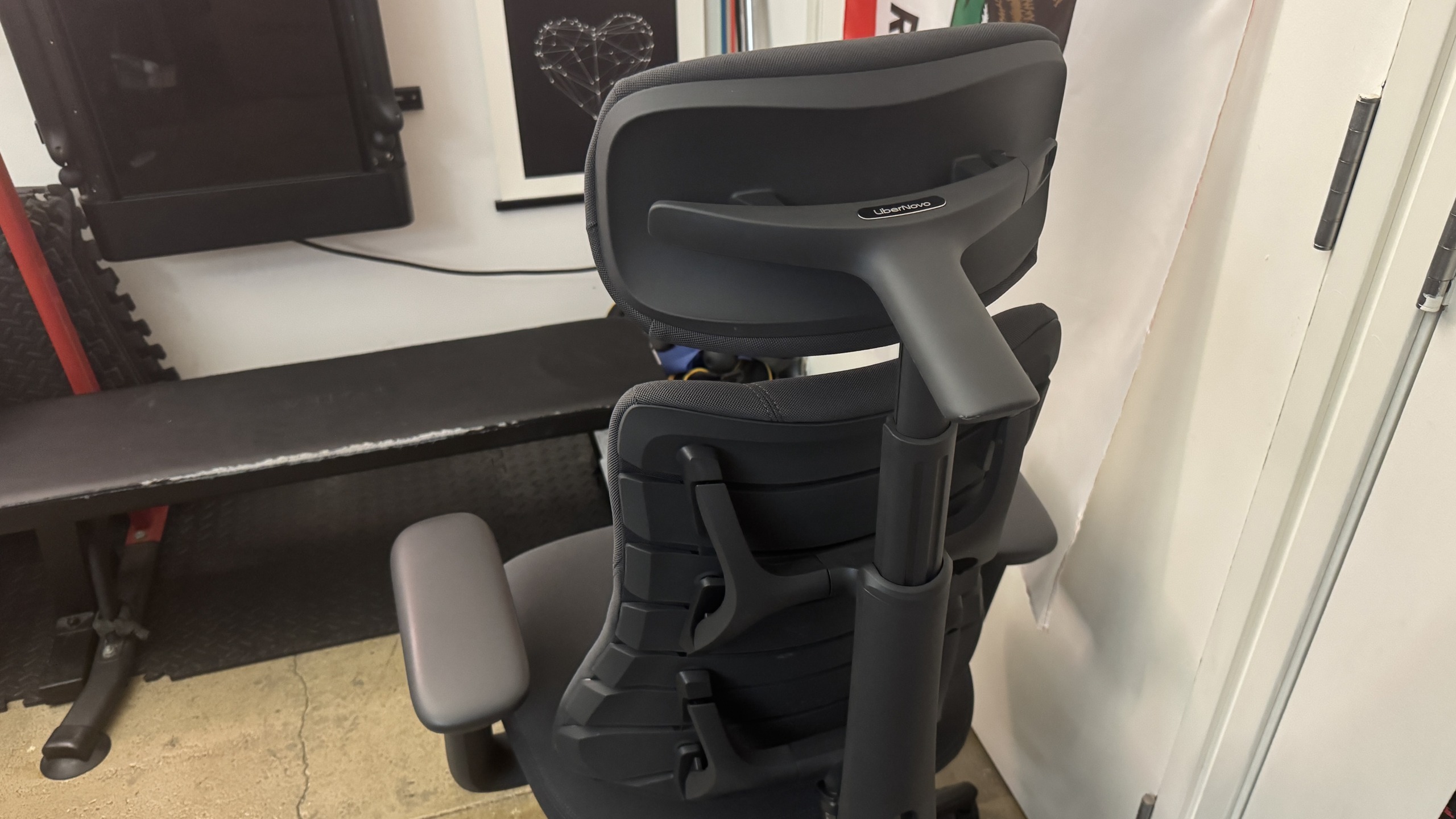
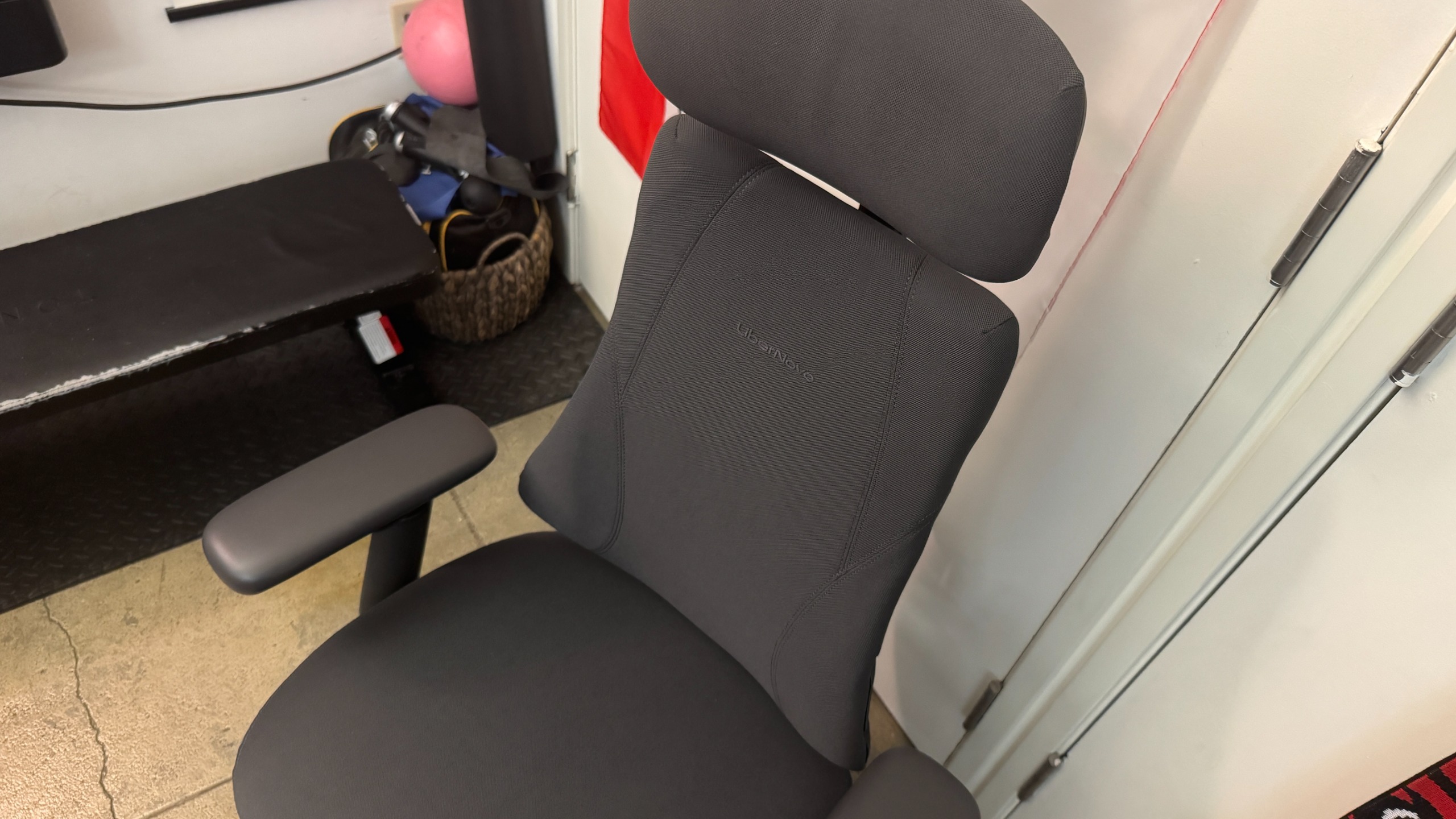
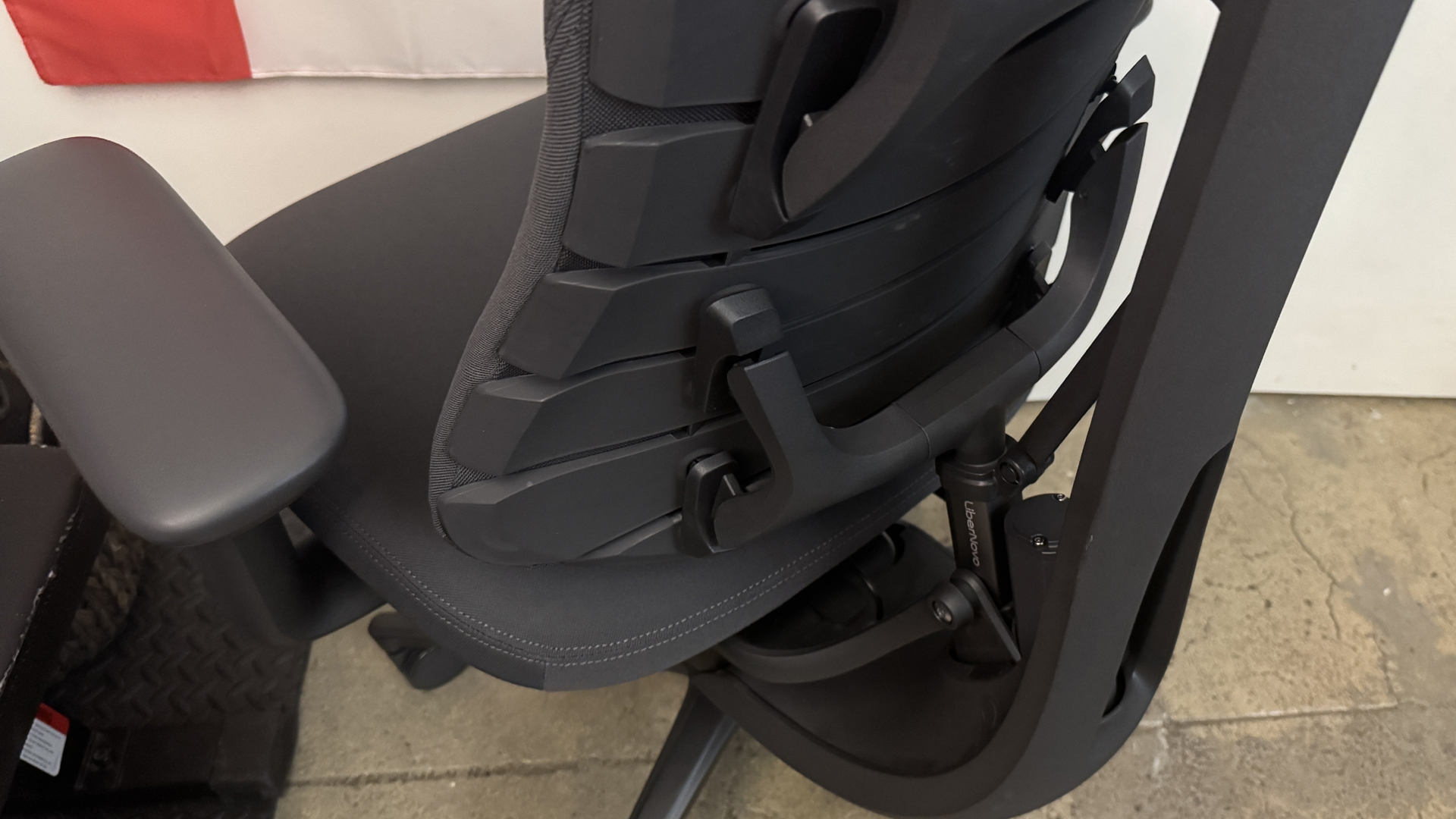
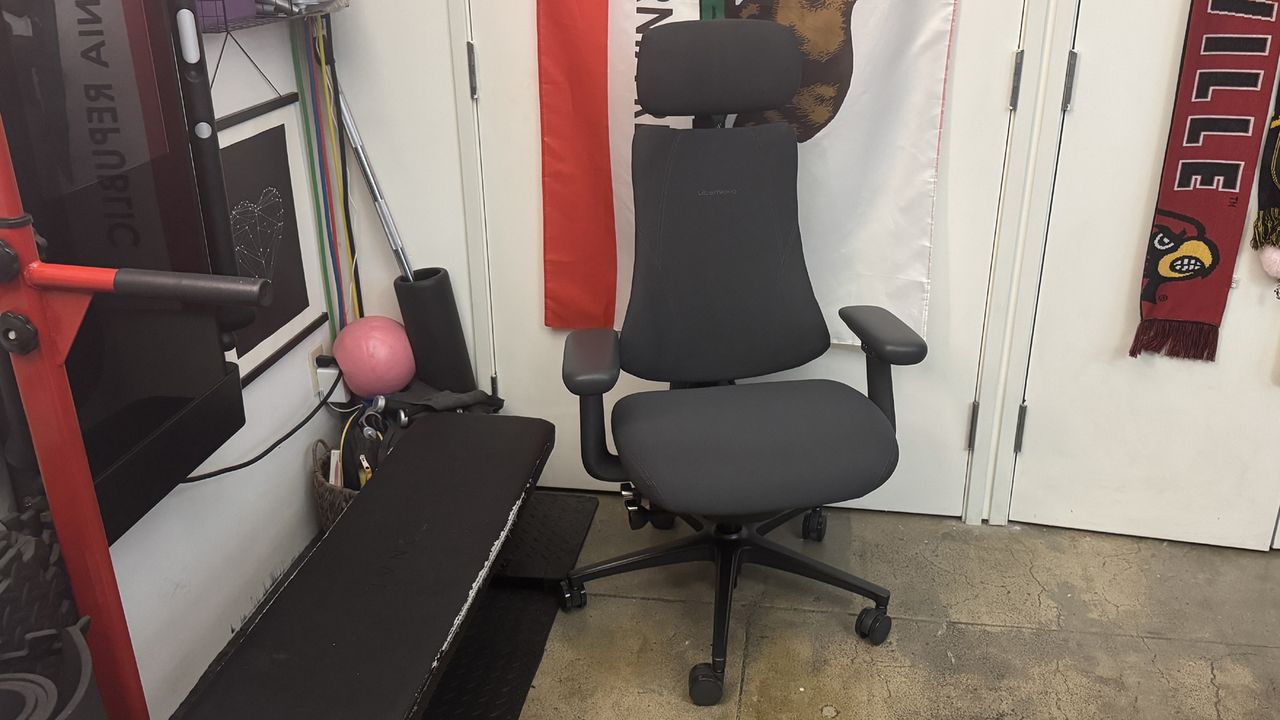
The Omni Pro looks very similar to the regular Libernovo Omni — it's a compact, lightweight office chair with an articulated backrest that's designed to move with your body as you move and shift your weight in the chair. It's a pretty compact chair, relatively speaking, but it does have a “spine” that holds the backrest together, as well as a headrest that can be moved forward/backward, and so it takes up more space (at least, behind you) than you initially expect.

Libernovo Omni Pro

(Image credit: Tom's Hardware)

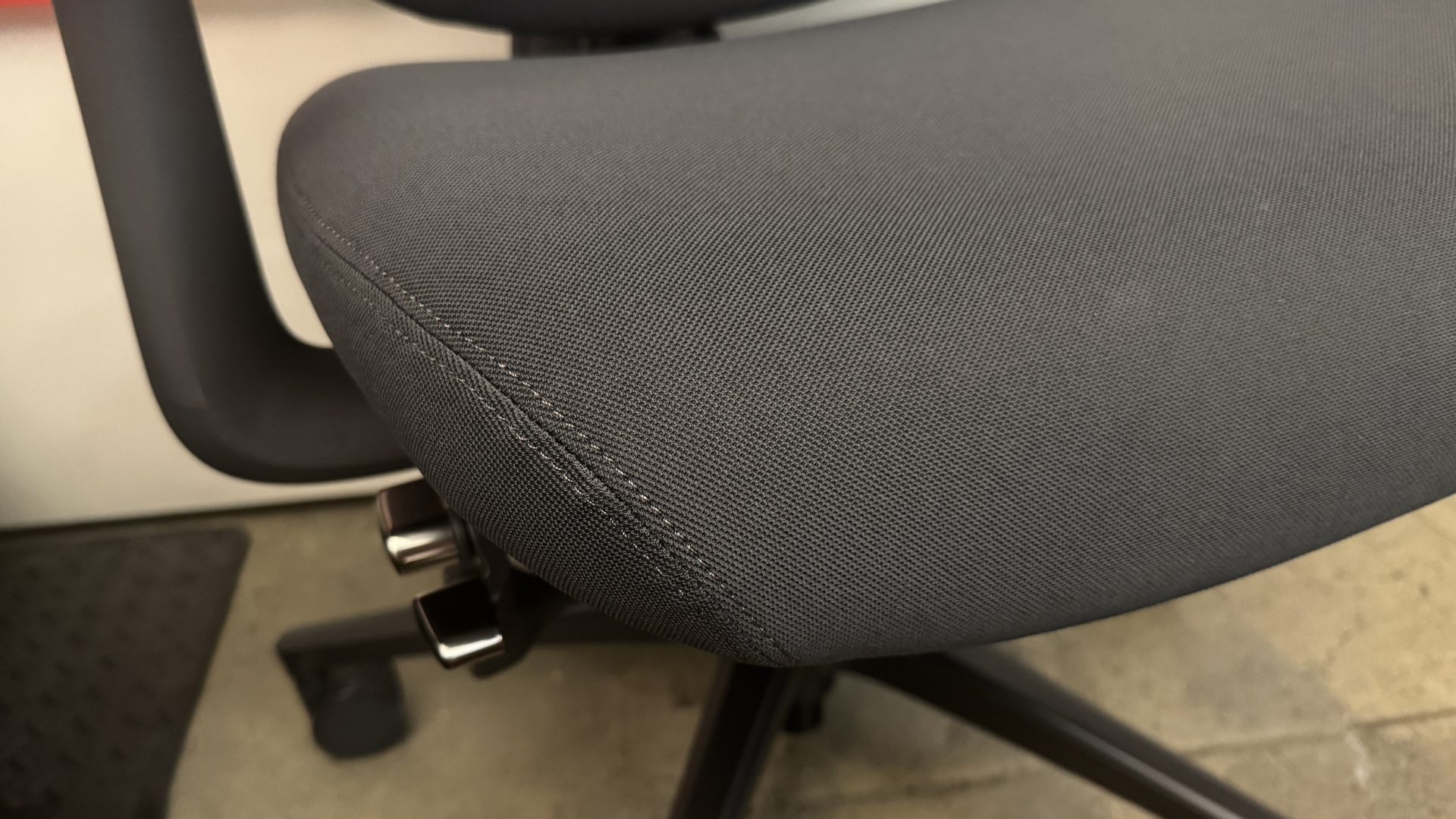
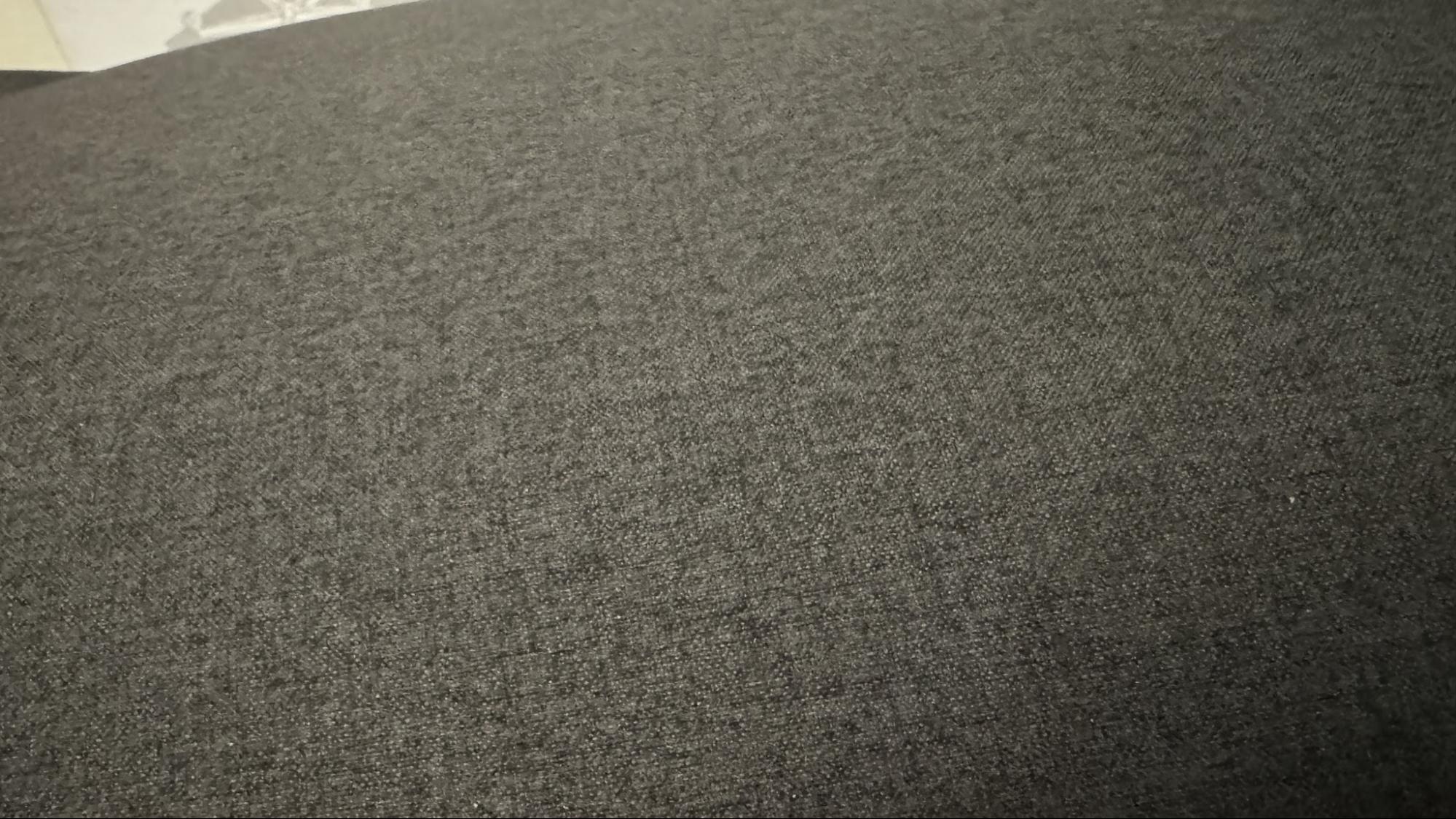
The Omni Pro comes in two colors, graphite (dark gray) and glacier (light gray, almost white). Our review unit came in graphite, with dark gray upholstery, a dark gray frame, a black wheelbase, and silver (plastic) accent buttons / knobs. The Omni Pro features new fabric upholstery — Gabriel Atlantic fabric, which is more durable and (I guess) breathable than that of the original Omni. The fabric does look and feel more durable and premium, but it's slightly more abrasive than the original fabric. It didn't cause me any real discomfort, but I also didn't sit on it for very long with bare skin.

Libernovo Omni Pro
Tom's Hardware
Libernovo Omni Pro
Tom's Hardware
Libernovo Omni Pro
Tom's Hardware

The upholstery and the wheelbase — which is made of hefty aluminum alloy — are the main noticeable design differences between the Omni Pro and the original Omni. The aluminum wheelbase does add some weight to the chair, bringing its total weight up to 55.8 pounds (25.31kg), which is heavier than the original Omni's weight of 48 pounds (21.77kg) — but still isn't particularly heavy for a chair, let alone a gaming chair.

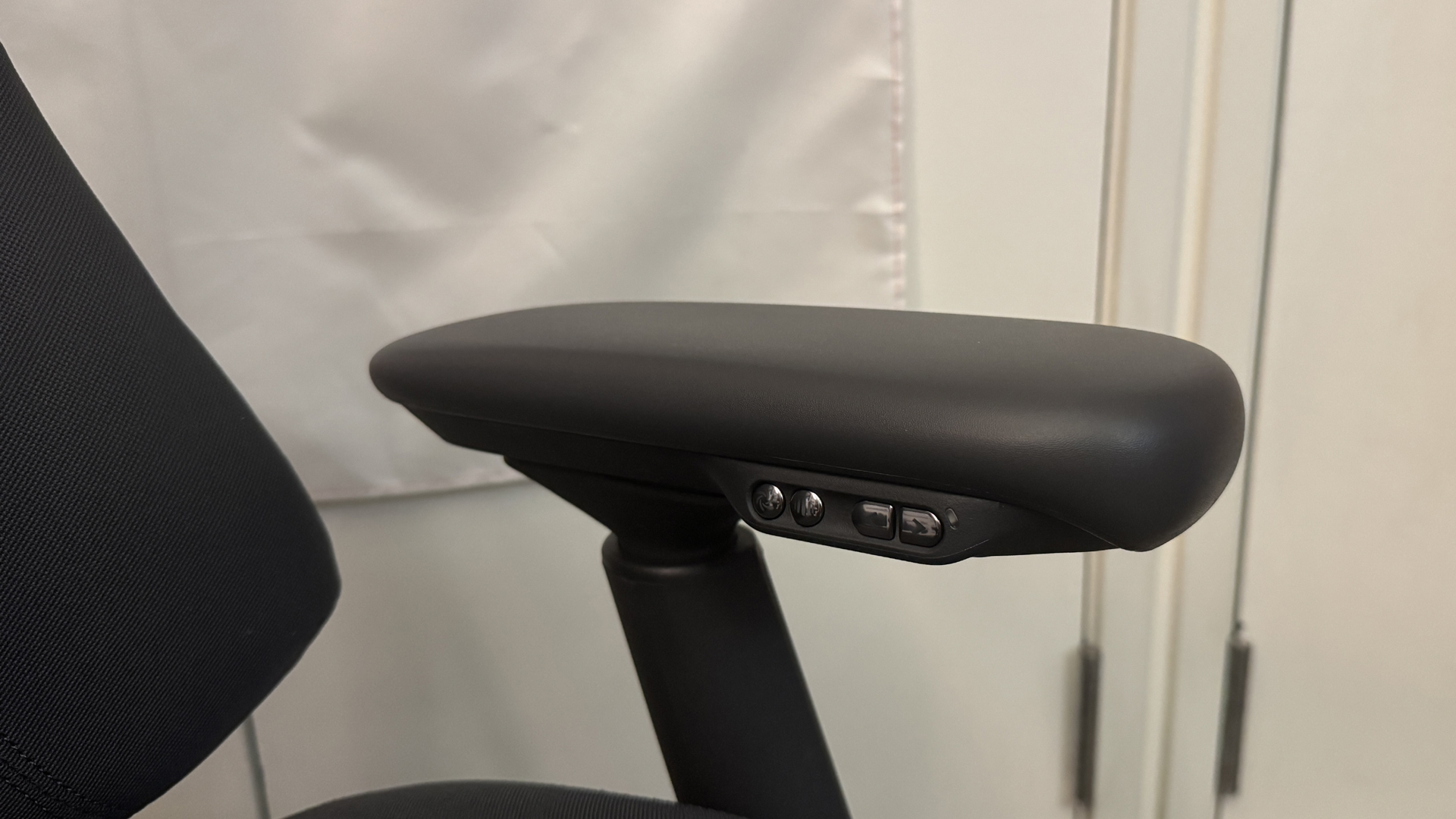
The Omni Pro also has an extra button under its left armrest, to control the underseat ventilation fan (tapping the button toggles through the fan's settings — slow, fast, and off).

Specs

Upholstery

Gabriel Atlantic Fabric

Total Height (with base)

47.83 - 52.17 inches / 121.49 - 132.51 cm

Floor to Seat Height

19.09 - 23.43 inches / 48.49 - 59.51 cm

Armrest Adjustments

4D

Recline

105 - 160 degrees

Backrest Length

21.26 inches / 54 cm

Backrest Width (Shoulder Level)

13.5 inches / 34.29 cm

Seating Area Width (Point of Contact)

17.72 inches / 45 cm

Seating Area Width (total)

21.46 inches / 54.5 cm

Seating Area Depth

17.72 inches / 45 cm or 18.9 inches / 48 cm

Armrest Width

3.94 inches / 10 cm

Armrest Height

7 - 10.25 inches / 17.78 - 26.04 cm

Max Recommended Weight

300lbs / 136kg

Weight

55.8lbs / 25.31kg

Warranty

6 years (frame); 2 years (electronics)

MSRP / Price at Time of Review

$1,299 / $1,109

Release Date

June 2026

Comfort and Adjustments

The Libernovo Omni Pro is a surprisingly comfortable chair — just like the original Omni — thanks to its dynamic, ergonomic articulated backrest and various adjustments. It's more of an office chair than it is a gaming chair, but it does offer a full 160-degree recline — though it's an active recline, meaning you need to be sitting in the chair for it to happen (as opposed to many gaming chairs, which are similar to car seats).

Libernovo Omni Pro
Tom's Hardware
Libernovo Omni Pro
Tom's Hardware

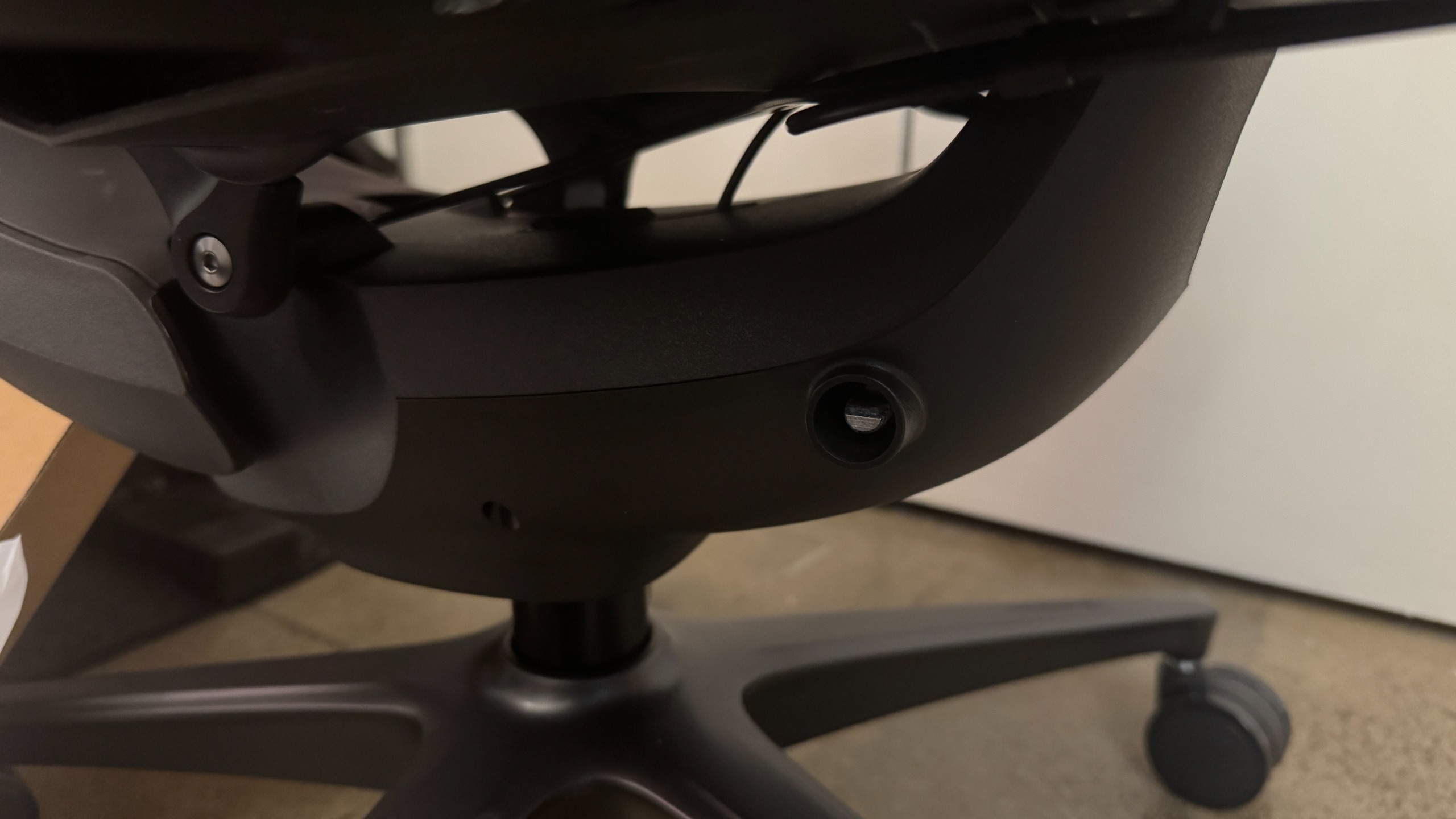
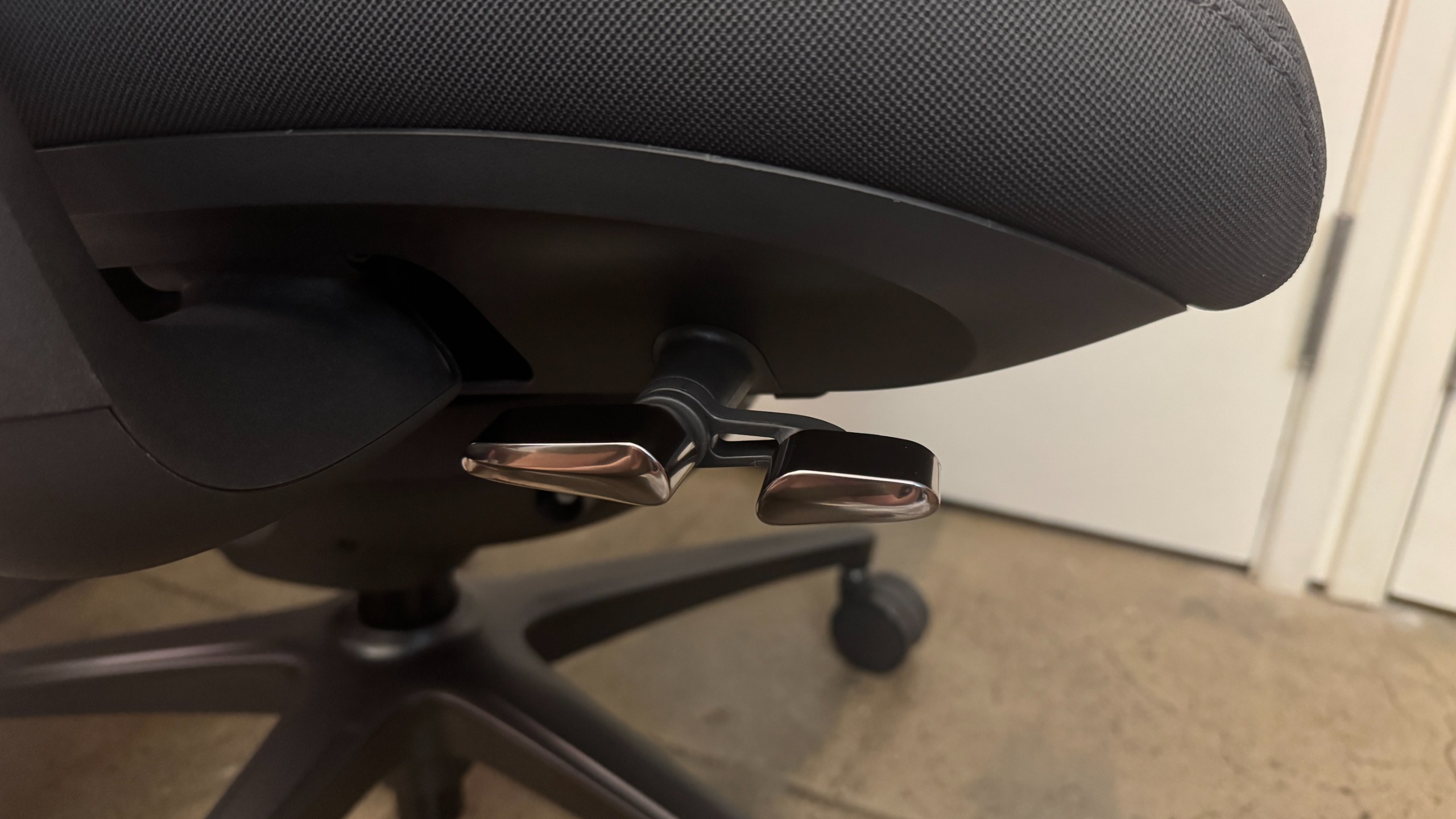
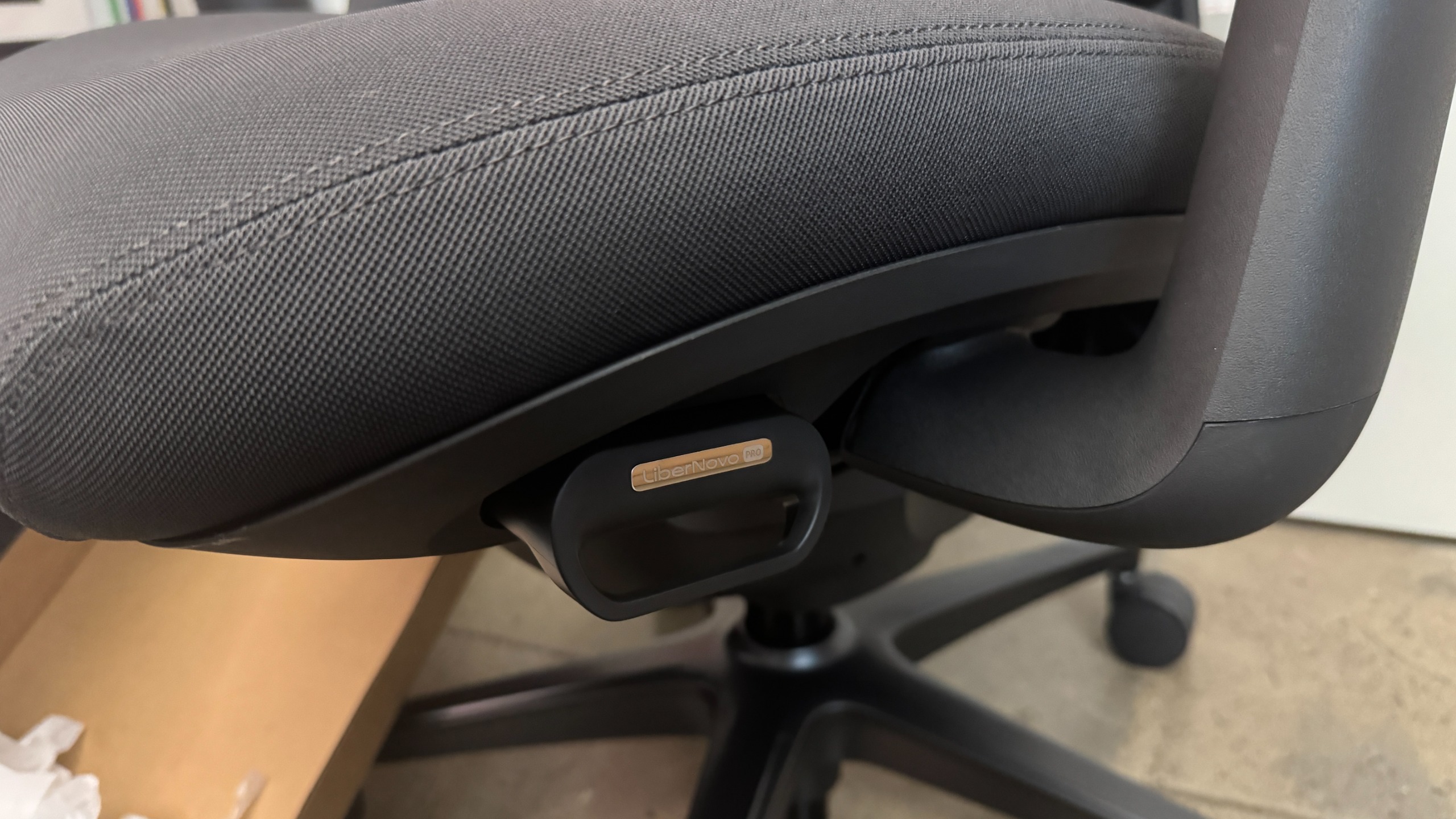
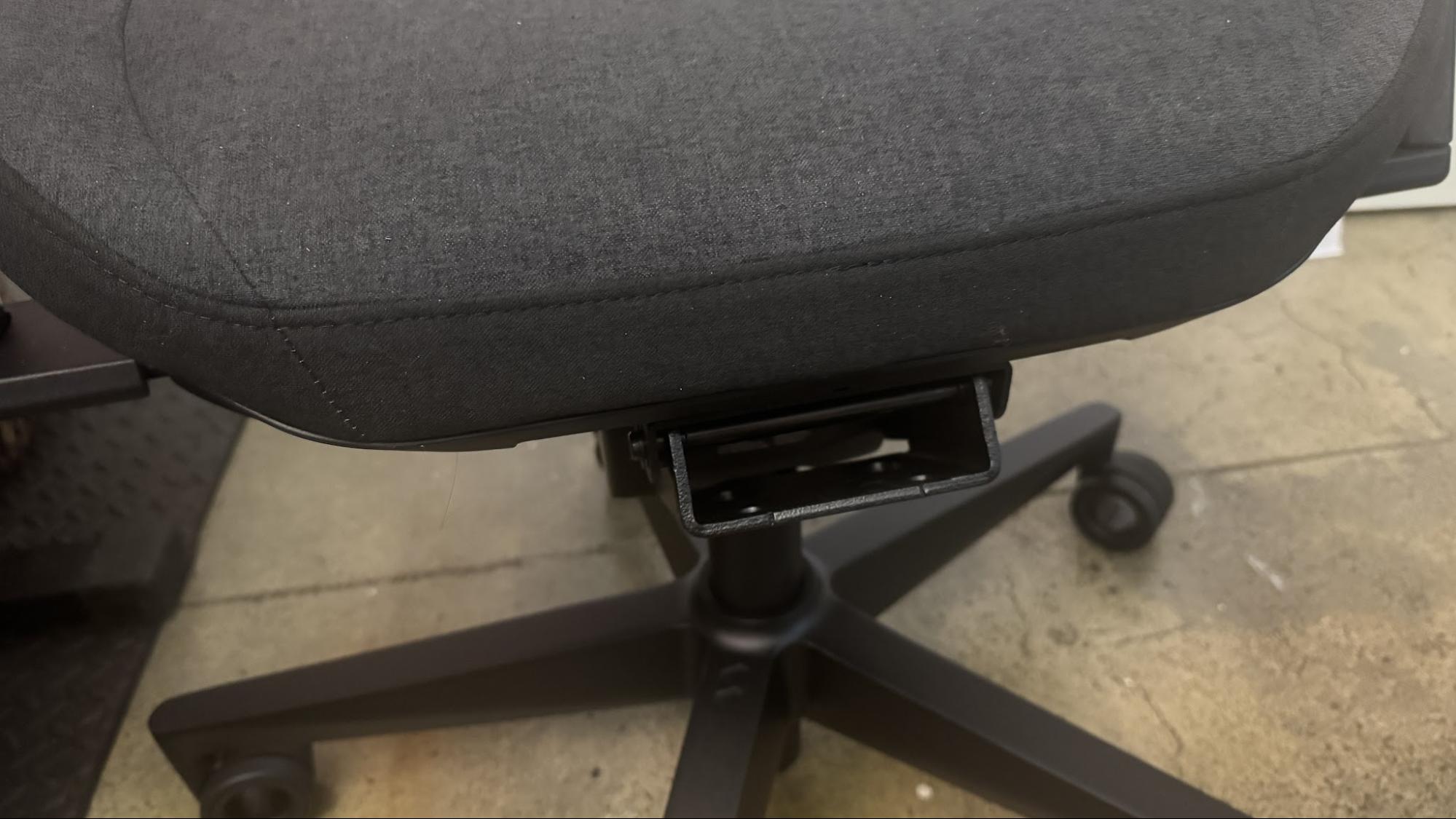
The Omni Pro's adjustment levers are mainly located under the seat on the right side. There's a dual lever / switch that controls chair height and recline position — pulling up on the front side of the lever lets you adjust height, while pulling up on the back side of the lever locks the maximum recline. While the original Omni had four recline positions, the Omni Pro has five — and believe it or not, this makes a big difference. Whatever fifth position they added is the position I wanted on the original Omni, I guess (the recline positions lock at 105, 115, 125, 135, and 160 degrees).

Libernovo Omni Pro

(Image credit: Tom's Hardware)

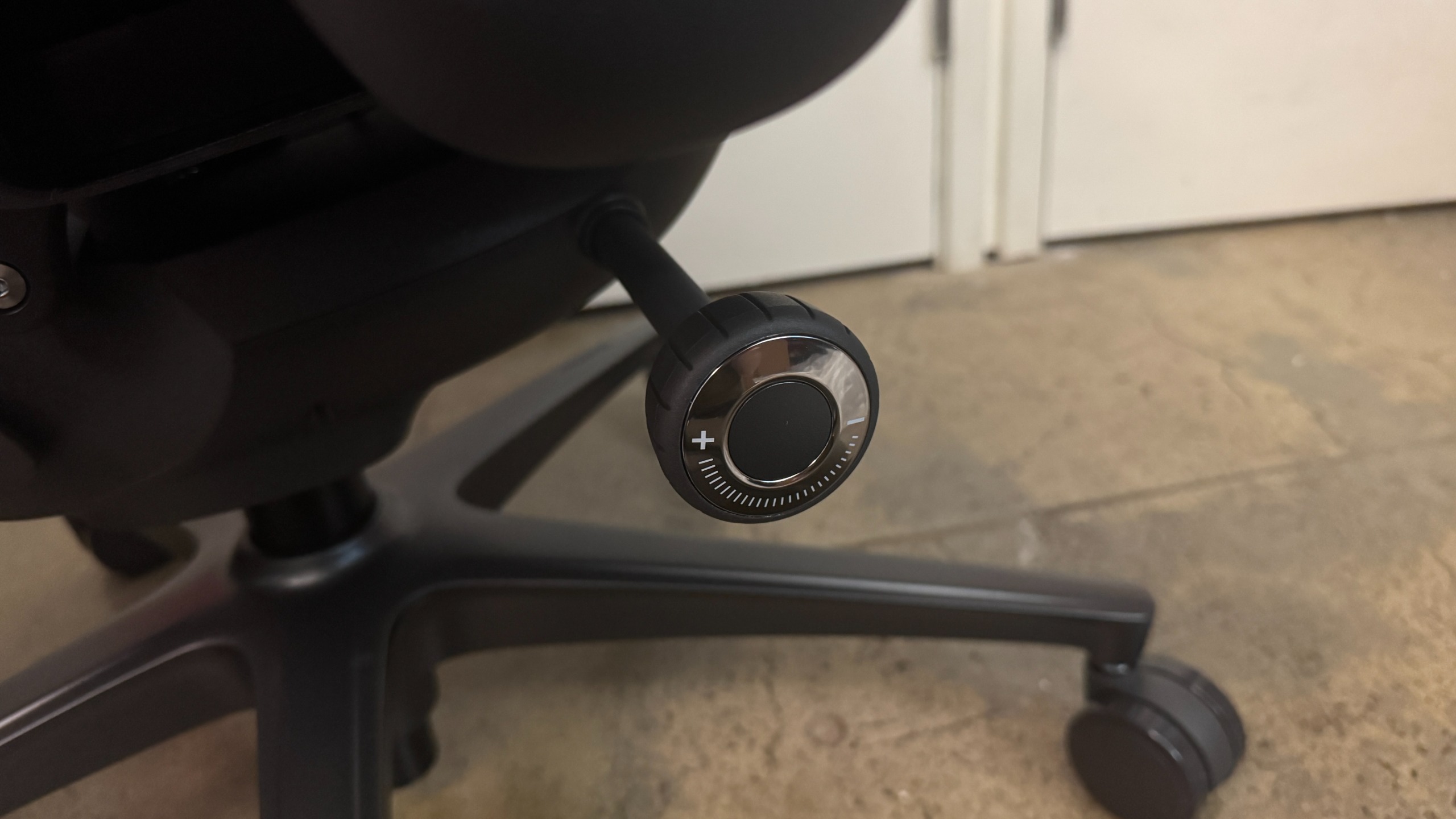
Under the dual lever / switch, there's a knob that controls tilt tension, which is how much tension you'll feel when you recline. Turning the knob clockwise increases tension and turning it counter-clockwise decreases it. There seems to be a pretty wide range of tilt for this chair, so you may need to turn it several times to get the tension to your liking.

Libernovo Omni Pro

(Image credit: Tom's Hardware)

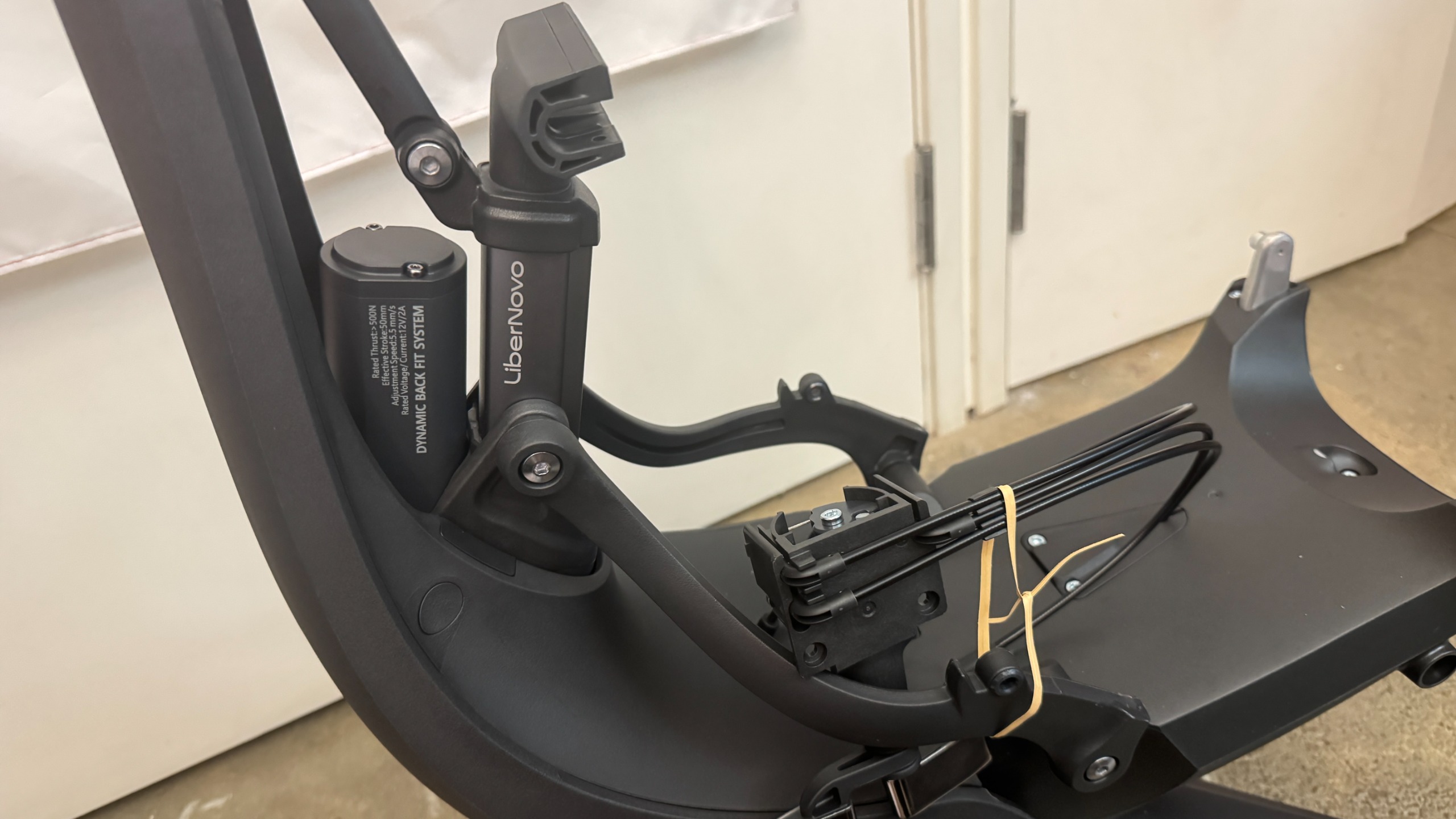
There's also dynamic, adjustable motorized lumbar support, which is controlled via the buttons on the inside of the left armrest. There are two arrow buttons for making the lumbar support firmer (forward) or... less firm (backward), and there's also a spinal massage button that triggers a five-minute spinal massage / stretch (using the chair's lumbar support) when pressed. While I like the Omni Pro's lumbar support, and found it very comfortable, it's worth noting that it's not vertically adjustable — so while it worked well for me, it may not work quite as well for someone with different body proportions.

Libernovo Omni Pro

(Image credit: Tom's Hardware)

Speaking of which, I'm about 5 feet 7 inches and 130 pounds, and the Omni Pro seemed perfect for me — not too big or heavy, and easy to adjust and move around in. The chair is rated for up to 300 pounds (136kg), and it seems sturdy enough — though I'm not sure how well the electronics will hold up if someone who weighs closer to that is using the spinal stretch feature regularly. My husband, who's 5 feet 11 inches and around 180 pounds definitely seemed a little too big for the chair (he has very long legs, though, and the chair's maximum depth of 18.9 inches (48cm) was still a little short for him).

In addition to the lumbar support, the Omni Pro has a ventilation fan under the seat. Unlike the other chairs we've seen with built-in fans, such as DXRacer's Martian Pro Red Triangle or Cougar's NxSys Aero Chair, this fan doesn't blow toward you to cool you off — instead, it removes hot air (I guess?) from around you by blowing away from you. I was skeptical, too, but it actually seems to work... pretty well. I guess there's a lot of heat trapped in the seat, because it instantly felt cooler even on the lower setting.

Libernovo Omni Pro
Tom's Hardware
Libernovo Omni Pro
Tom's Hardware

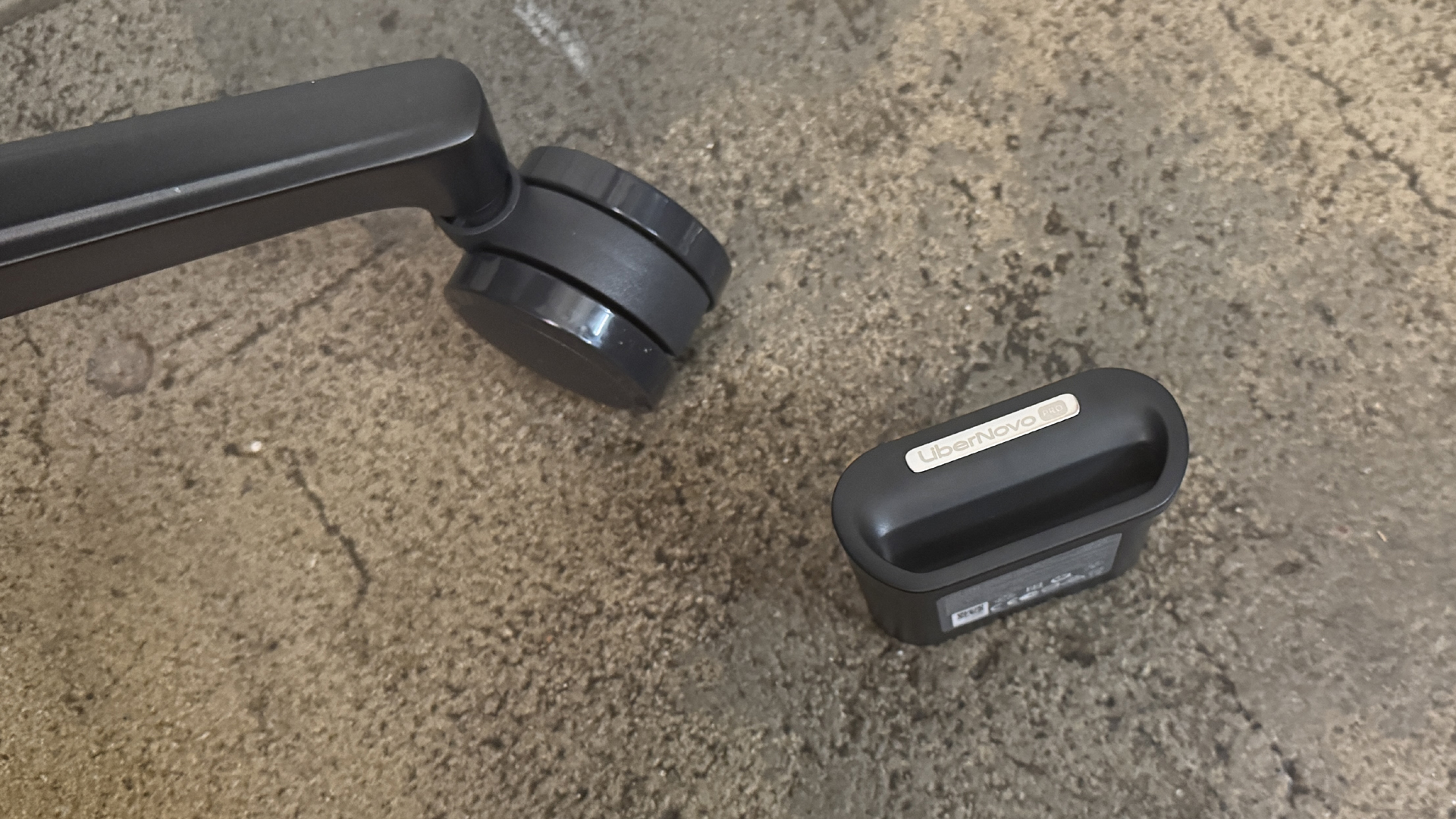
The fan runs on the same battery pack as the motorized lumbar support, and Libernovo says you'll get up to 9 hours of continuous fan usage on the higher setting, and up to 36 hours on the lower setting, and there's also a built-in sensor in the seat that automatically switches the fan off if you stand up (and switches it back on again when you sit back down). I could definitely hear the fan on both the high and low settings, but it faded pretty quickly to background noise on the lower setting. Also, the fan definitely seems to take up some space, because the seat on the Omni Pro is less padded than the seat on the Omni. I could feel the chair's frame through the seat, which wasn't a problem for me but may not be quite as comfortable for someone who's heavier.

Libernovo Omni Pro

(Image credit: Tom's Hardware)

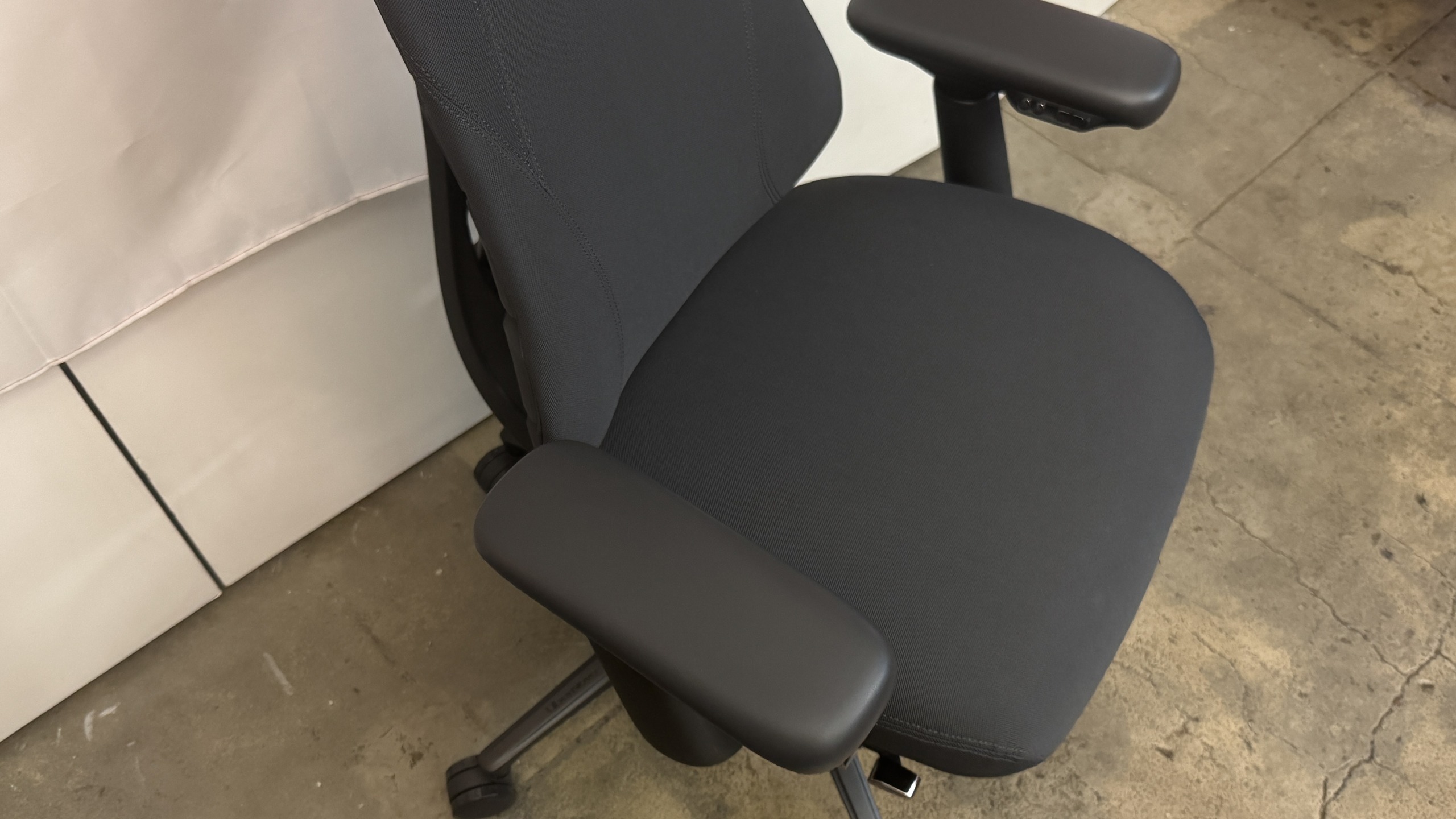
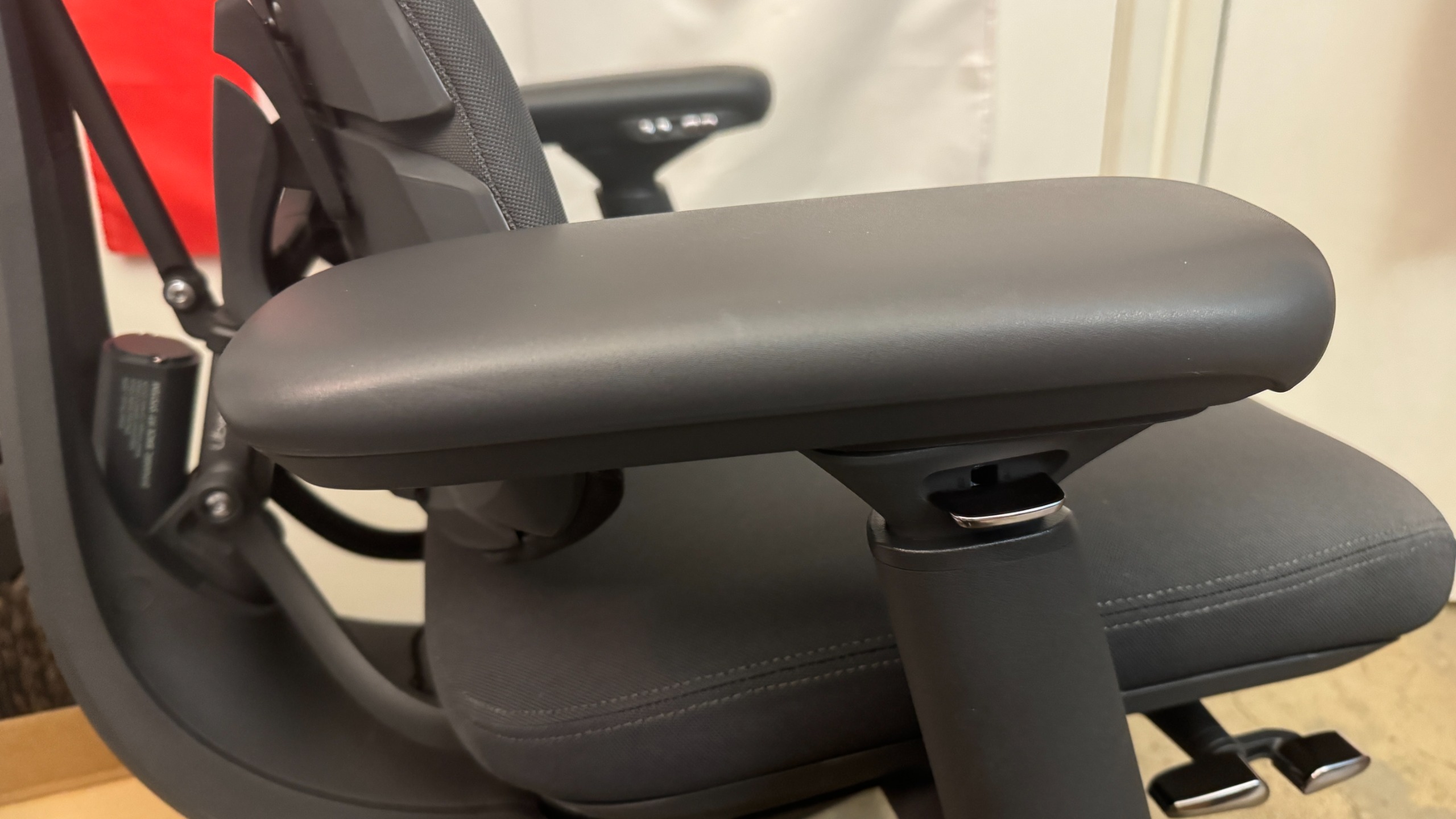
Like the original Omni, the Omni Pro has 4D armrests that adjust four directions: up/down, forward/back, left/right, and angle in/out. There's a lever under the outside of each armrest that you can press to adjust the armrests up/down. To adjust the armrests forward or backward, you just slide the tops (no button/lever necessary); same with adjusting the angle. Bringing the armrests closer to you involves pulling them inward, tilting them toward you. I don't love the way the armrests end up angled toward your body as a result of this, but I also don't ever find it necessary to adjust the width of my armrests so it wasn't an issue.

Libernovo Omni Pro
Tom's Hardware
Libernovo Omni Pro
Tom's Hardware

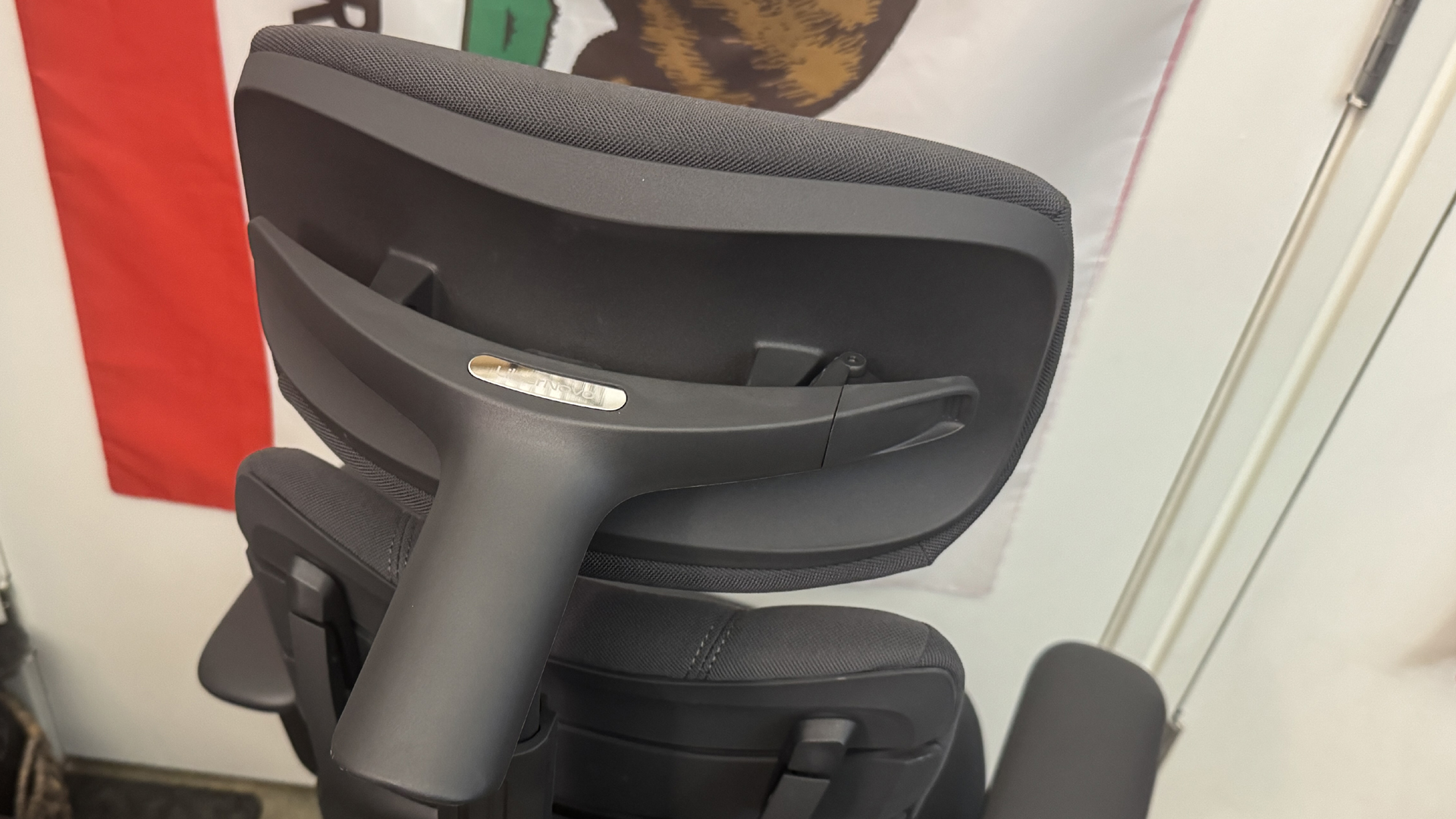
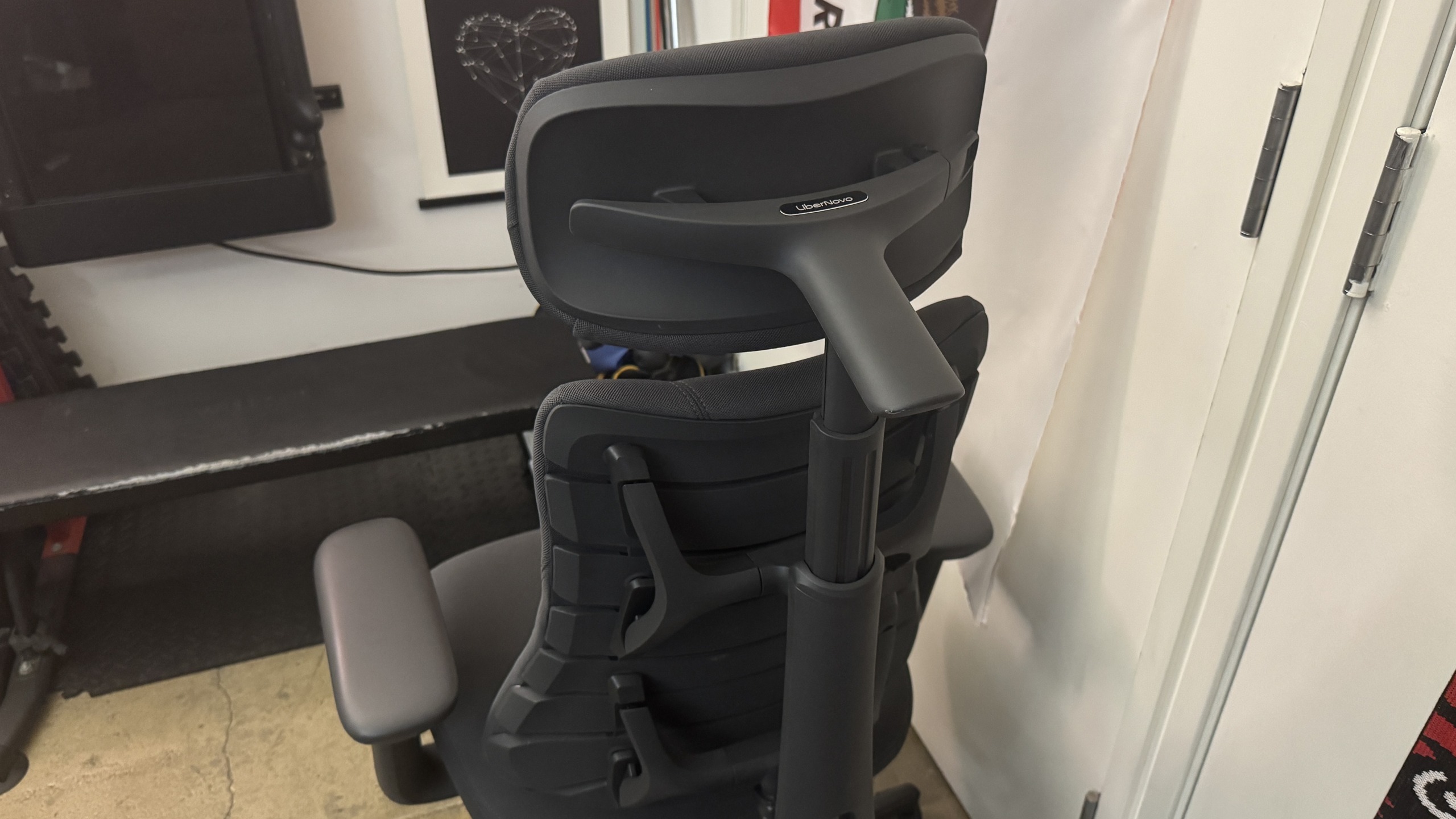
The Omni Pro also has an adjustable head/neck rest, which is curved to fit the curve of your neck/spine. The neck rest is height-adjustable and can be moved forward/back to suit your needs (or removed entirely).

Libernovo also sent us the corresponding StepSync Footrest, which is a dual height footrest with both a bottom shelf for resting your feet on when you're sitting upright and a padded upper shelf for when you want to recline. It's not a particularly high-tech footrest, but it's sturdy enough and it matches the chair, and it's a nice addition to the entire setup if you snag it in the bundle.

Bottom Line

Libernovo's Omni Pro managed to surprise me — I already liked the original Omni, and the Omni Pro's seemingly gimmicky seat ventilation fan worked better than I expected it to. The Omni Pro is a comfortable ergonomic chair that will fit pretty easily into most gaming setups (especially if you don't have the space for a giant racing-style behemoth), but the issue of longevity that we had with the original Omni carries over.

The Omni Pro has even more potentially breakable technology inside it, and the warranty on electronics is a mere two years — and remember, if the electronics in this chair stop working then you can no longer adjust the lumbar support. The chair itself has a six-year warranty (up from the original Omni's five years), which is on par with other gaming chair companies, but is still only half that of Herman Miller's 12-year warranty.

And while the Herman Miller x Logitech G Vantum has been fluctuating in price, it's still less than the Omni Pro.

Fractal Design Refine 2 Review: Slightly refined

2026年9月4日 20:31

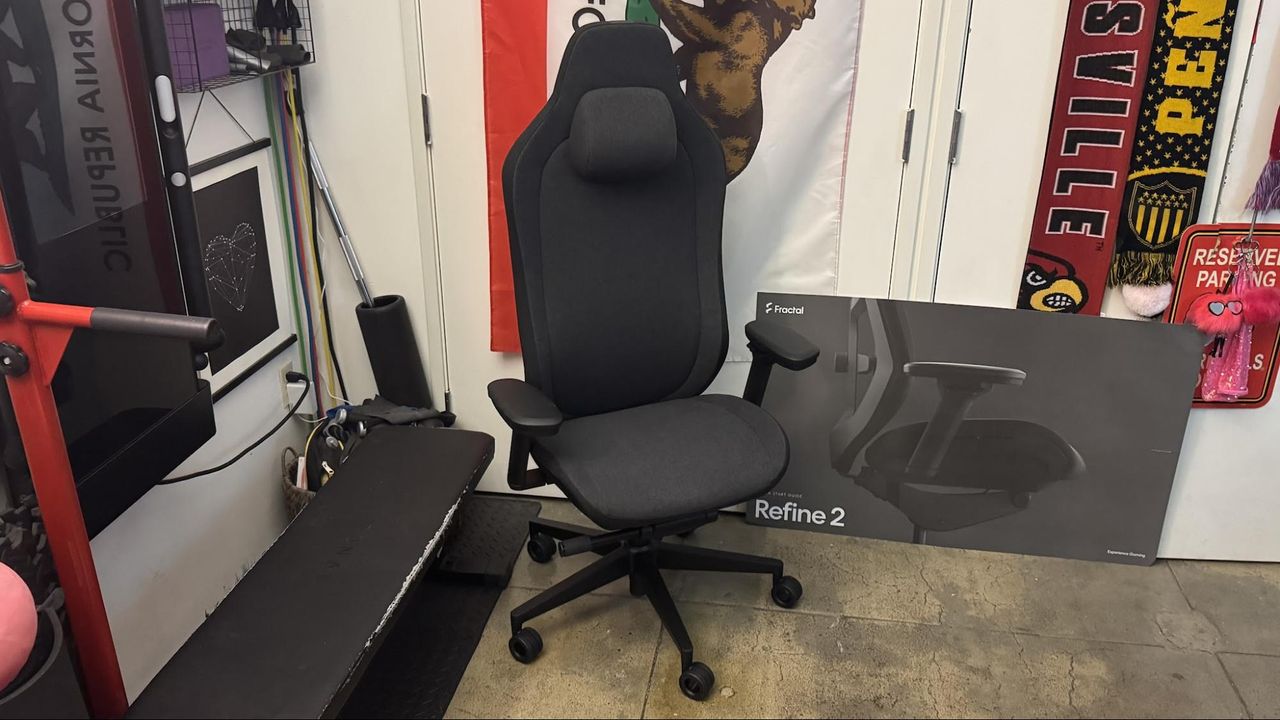
Fractal Design is determined to be on, under, and in front of your desk — the PC peripherals company best known for its designer PC cases has just released the Fractal Refine 2 — the second generation of its minimalist, "refined" take on the typical racing-inspired gaming chair.

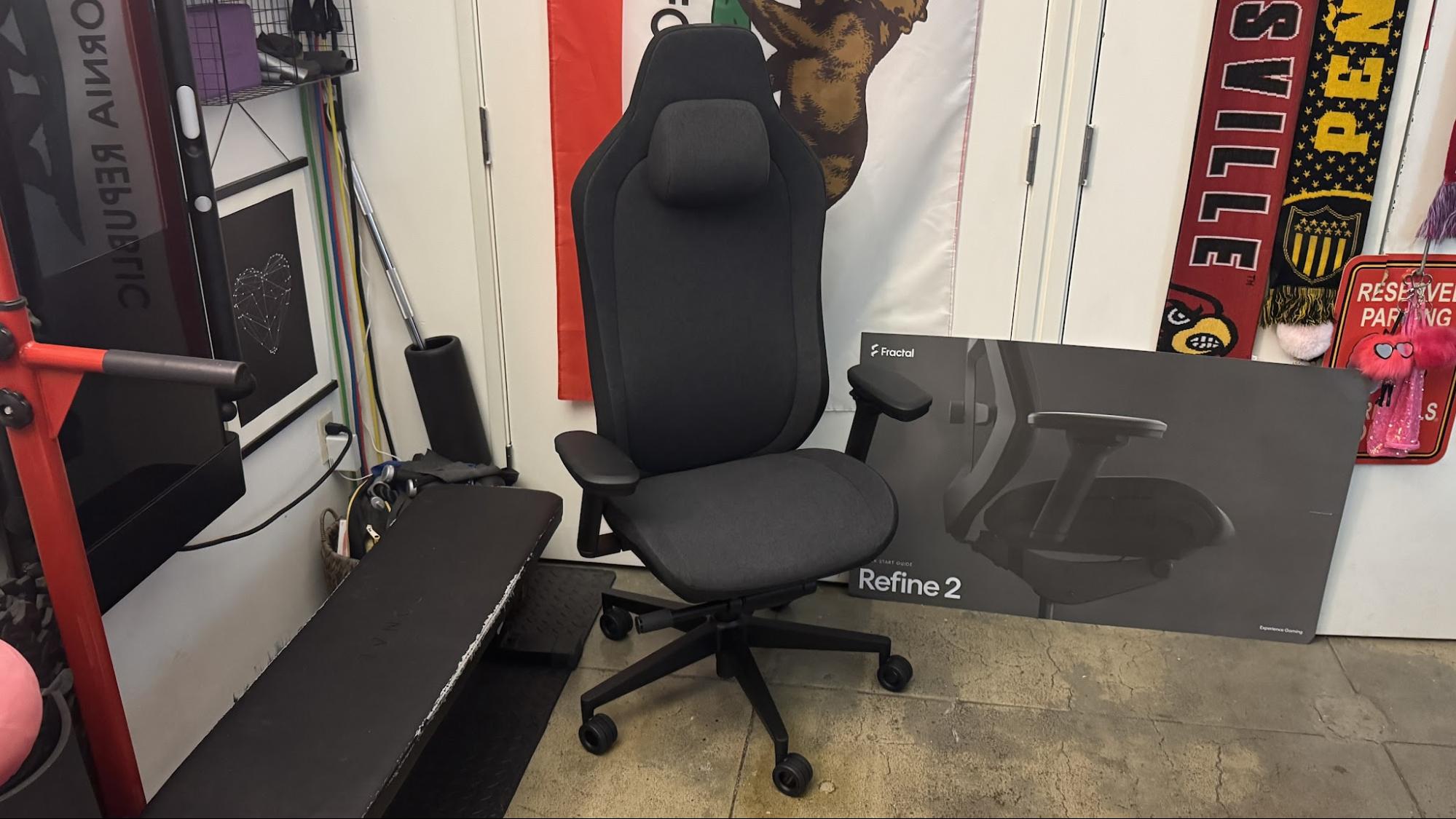
The Fractal Refine 2 is very similar to the original Fractal Refine, but it's been... refined... just a bit further. It still features a subdued but unmistakable "gaming chair" silhouette, as well as a fairly high level of adjustability and a large, hefty frame. Fractal has definitely made some changes — the 4D arm rests now lock in place, and the tilt limiter, which I found to be way too strong in the original, has been pulled back a little (but not quite enough). The price has also been adjusted — all variations retail for $640, which is on the higher side for a typical racing-style gaming chair. We did like the original Refine, but its scratchy mesh fabric kept it off our list of best gaming chairs — but this time we're taking a look at the fabric version.

Assembly

The Fractal Refine 2 comes in a heavy box that's so large you might think the chair is already assembled — but it isn't. It's well-packed: all the pieces are individually wrapped and/or boxed, and there's plenty of eco-friendly packing material keeping everything in its place.

The chair comes with all the tools you'll need to assemble it, though there's admittedly not too much assembly. It comes with an allen wrench and several screws — six longer screws for attaching the armrests, two shorter screws for attaching the backrest, and a handful of extra screws, just in case.

Fractal Refine 2
Tom's Hardware
Fractal Refine 2
Tom's Hardware

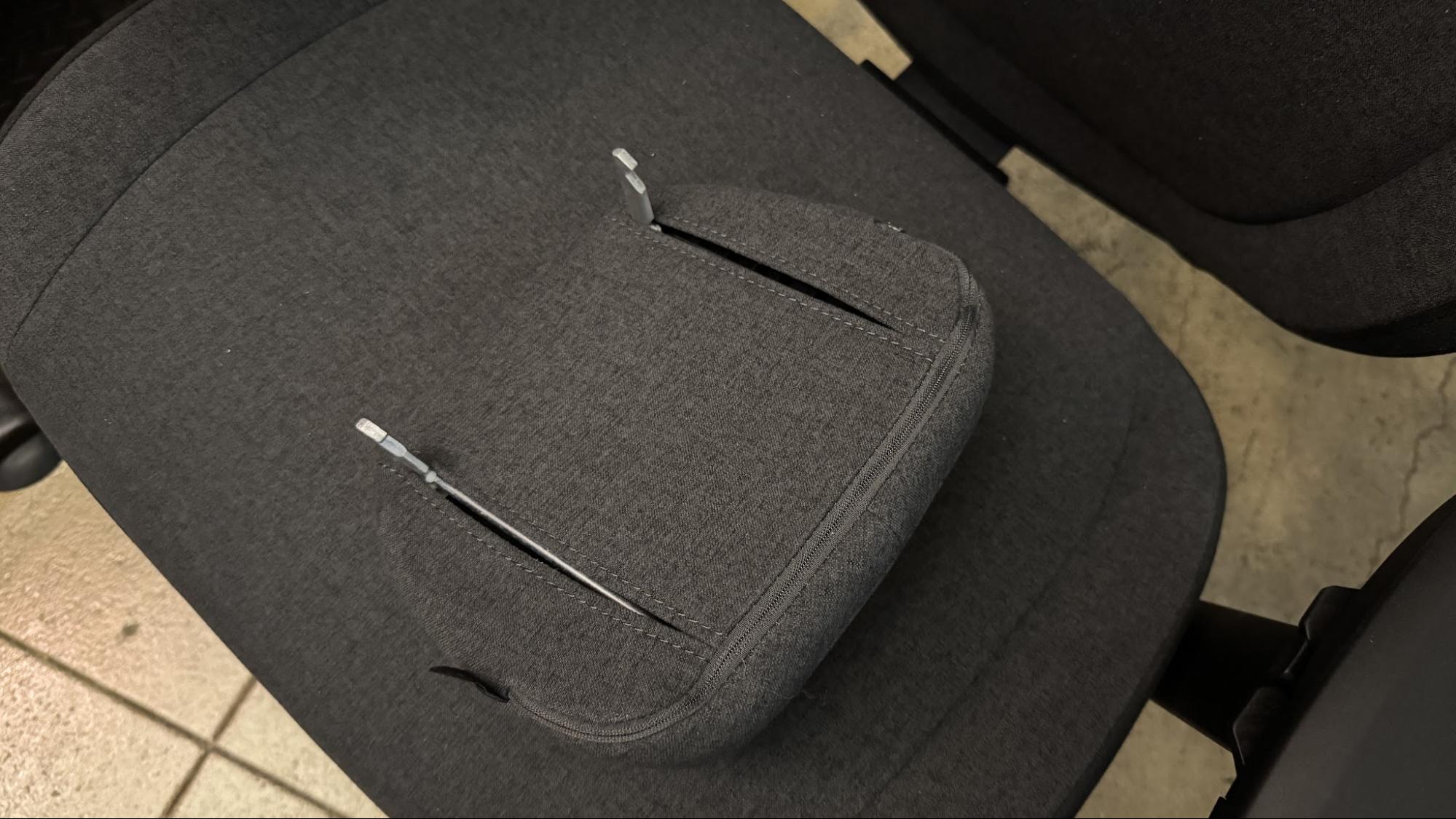
Assembly is pretty straightforward and is pretty easy to accomplish alone — unlike most of the traditional racing-style gaming chairs, the backrest of the Refine 2 is quite a bit lighter than the base, and is easy to put into place alone. It also has two pre-placed screws that slot into two holes and slide to "lock" in place, so you don't need to somehow hold the two pieces together and screw them into place simultaneously. (This might not sound that noteworthy, but trust me — many chairs are virtually impossible to put together without a partner because of this.)

I was able to assemble the Refine 2 by myself in about 15 minutes, and the most difficult part was unpacking everything (because the box really is huge). The Refine 2 comes with a large illustrated instruction panel, as well as an information booklet with more detailed instructions.

Specs

Upholstery

fabric / mesh / hybrid

Total Height (with base)

53.7 - 58.5" / 1365 - 1485mm

Floor to Seat Height

19.3 - 24" / 490 - 610mm

Armrest Adjustments

4D (height, width, depth, angle)

Recline

125 - 130 degrees under load

Backrest Length

34.45" / 875mm

Backrest Width (Shoulder Level)

18.75" / 476.25mm

Seating Area Width (Point of Contact)

16.5" / 419.1mm

Seating Area Width (total)

20.5" / 520.7mm

Seating Area Depth

16.7 - 19.69" / 425 - 500mm

Armrest Width

16.9 - 22" / 430 - 560mm

Armrest Height

5.5 - 9.8" / 140 - 250mm

Max Recommended Weight

300lbs / 135kg

Weight

~80lbs / 36kg

Warranty

3 years (upholstery); 5 years (all other parts)

MSRP / Price at Time of Review

$639.99

Release Date

Sept. 2, 2026

Design

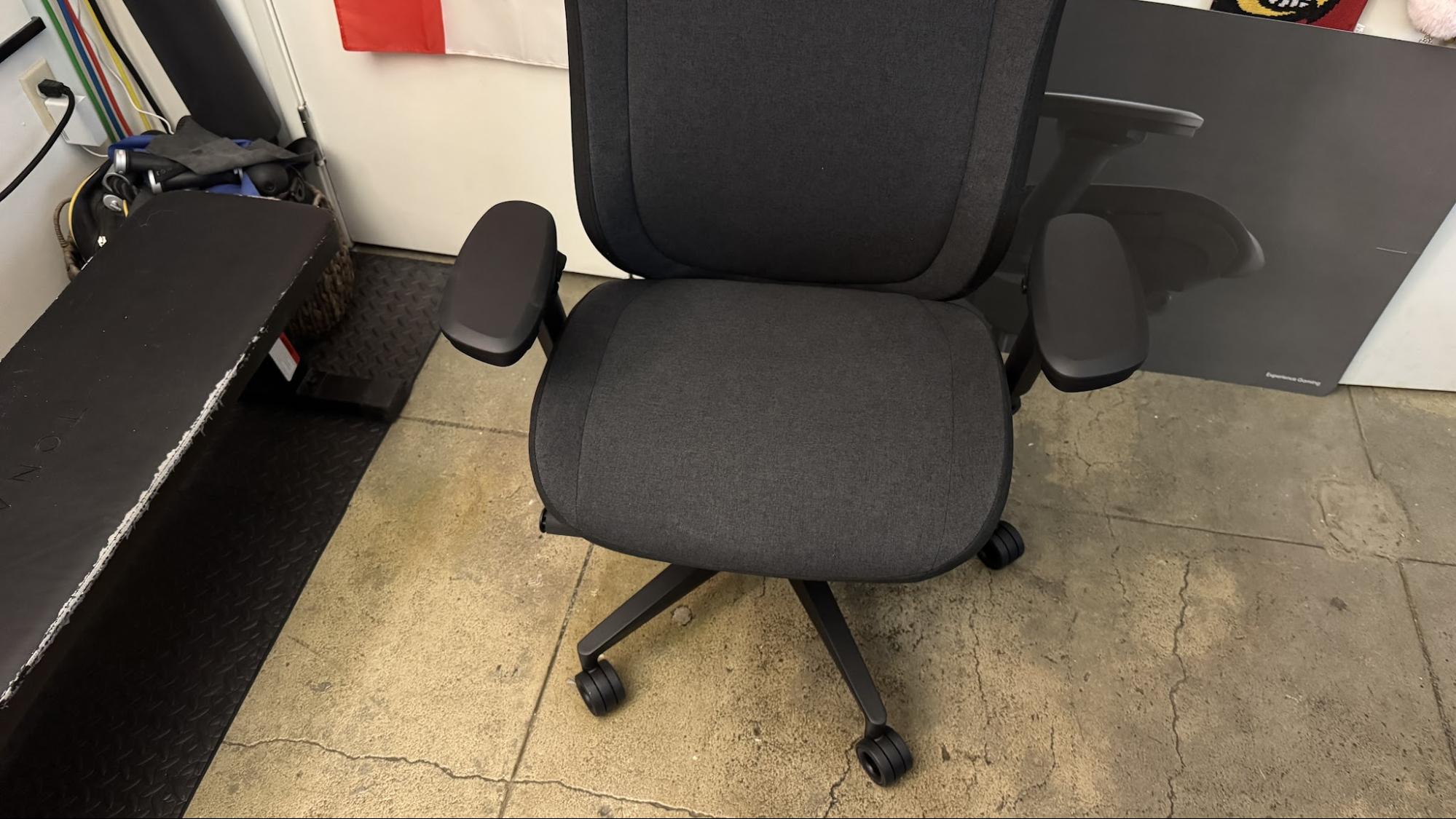
The Refine 2 comes in three upholstery options — fabric, mesh, and hybrid (fabric seat, mesh back) — and two colorways — light and dark. Our review unit came in the dark colorway, a dark slate heathered gray with a black frame, with full fabric upholstery. The fabric feels like soft brushed cotton and is much more comfortable than both the mesh and the fabric of the mesh version of the original Fractal Refine that we reviewed two years ago.

Fractal Refine 2
Tom's Hardware
Fractal Refine 2
Tom's Hardware

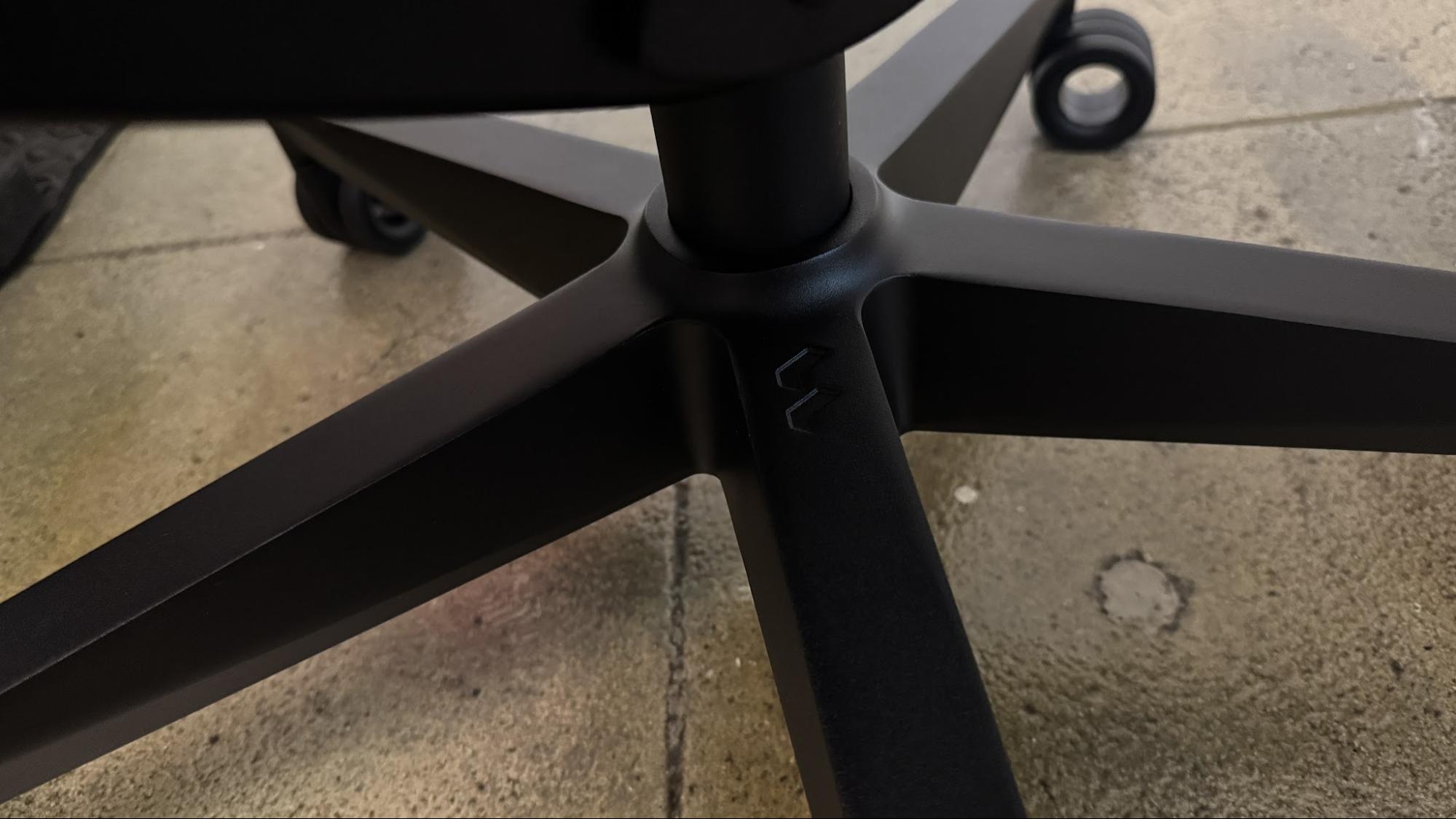
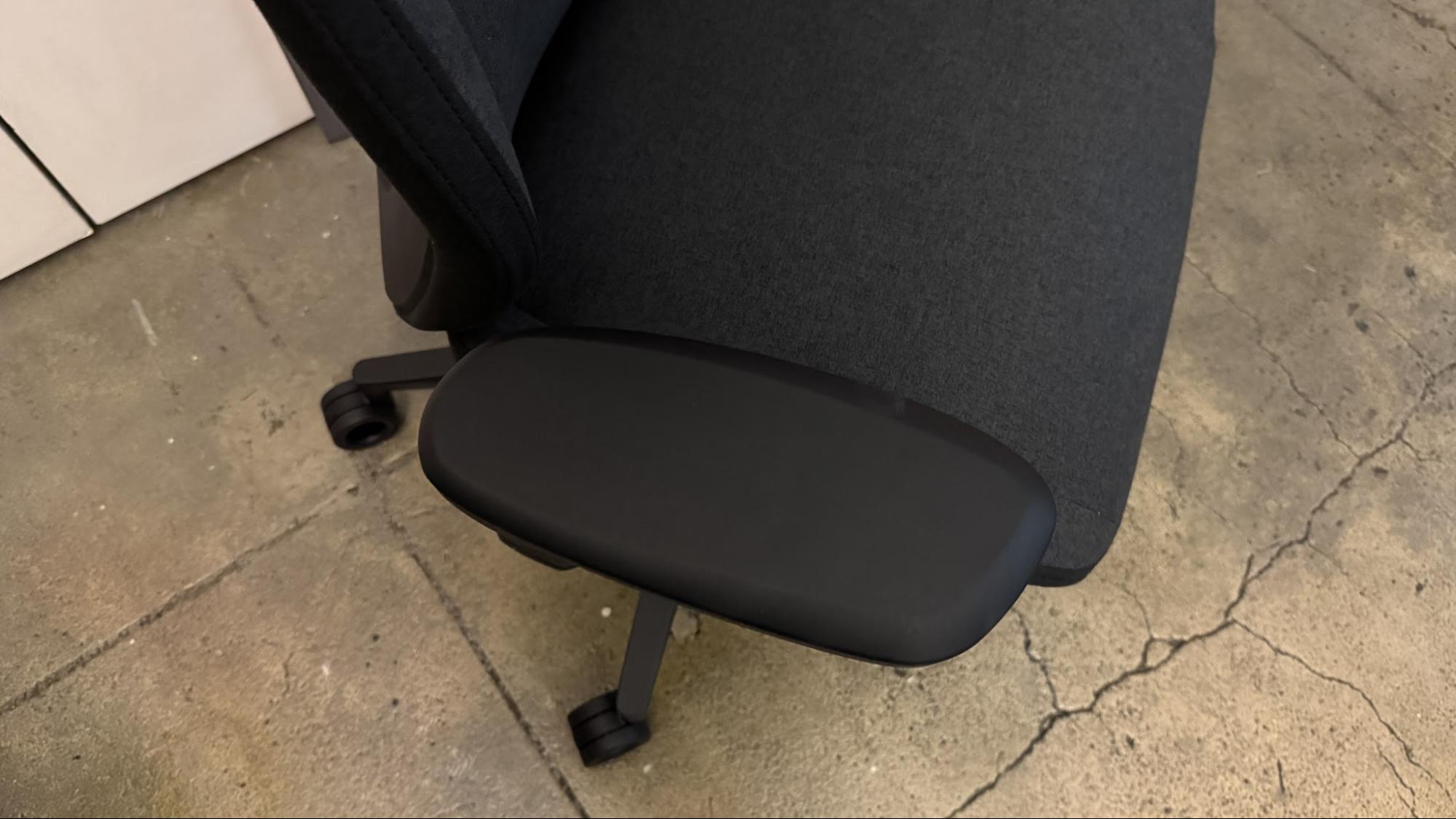
Fabric aside, the Refine 2 looks very similar to its predecessor, with the same "refined" racing-inspired silhouette. It sits on a sturdy, five-spoke metal base with large, hollow plastic casters and a class 4 pneumatic gas lift. It features a glass-fiber reinforced frame with a thick, padded seat that has slightly raised sides — not quite a bucket seat, though it does have the traditional forward hump that bucket seats have. The seat width is approximately 17 inches (431.8mm) between the sides; with the sides included it's closer to 20.5 inches (520.7mm).

Fractal Refine 2
Tom's Hardware
Fractal Refine 2
Tom's Hardware
Fractal Refine 2
Tom's Hardware
Fractal Refine 2
Tom's Hardware
Fractal Refine 2
Tom's Hardware

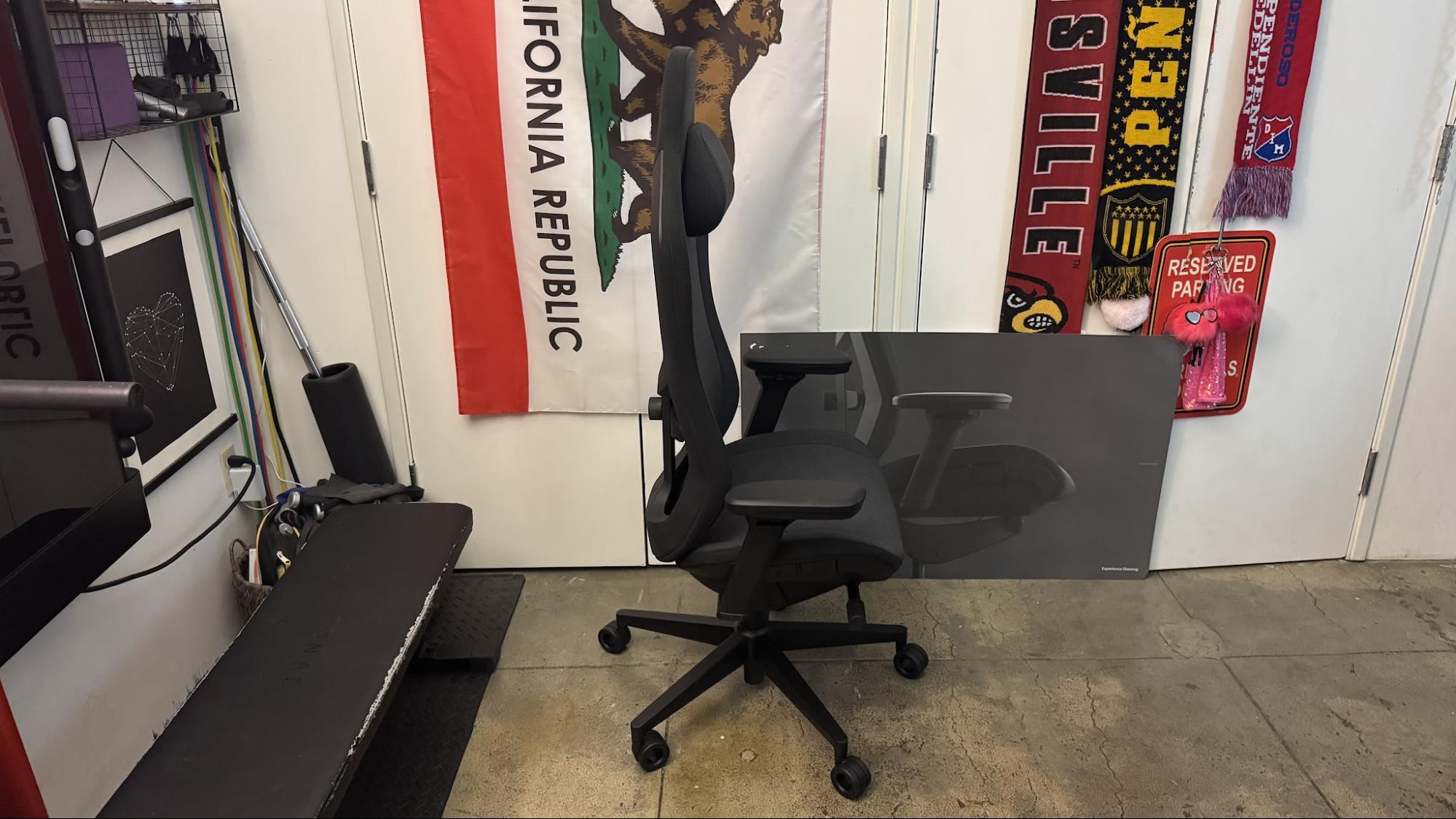
The chair has a tall, racing-style backrest with slightly winged shoulder support and a headrest. The chair measures 18.75 inches (476.25mm) wide at the shoulders, and is approximately 53.7 - 58.5 inches (1365 - 1485mm) tall overall. The backrest consists of fabric stretched over a plastic frame for firm, suspension-style support. The chair also features manually-adjustable lumbar support, which presses through the backrest and can be moved vertically and adjusted for strength.

The Refine 2 is not a bad-looking chair, but it is big, heavy, and difficult to maneuver once it's been assembled. It weighs almost 80 pounds (36kg), and is fairly bottom-heavy, which I suppose is good for those who want to spend a lot of time tilting in this chair.

Comfort and Adjustments

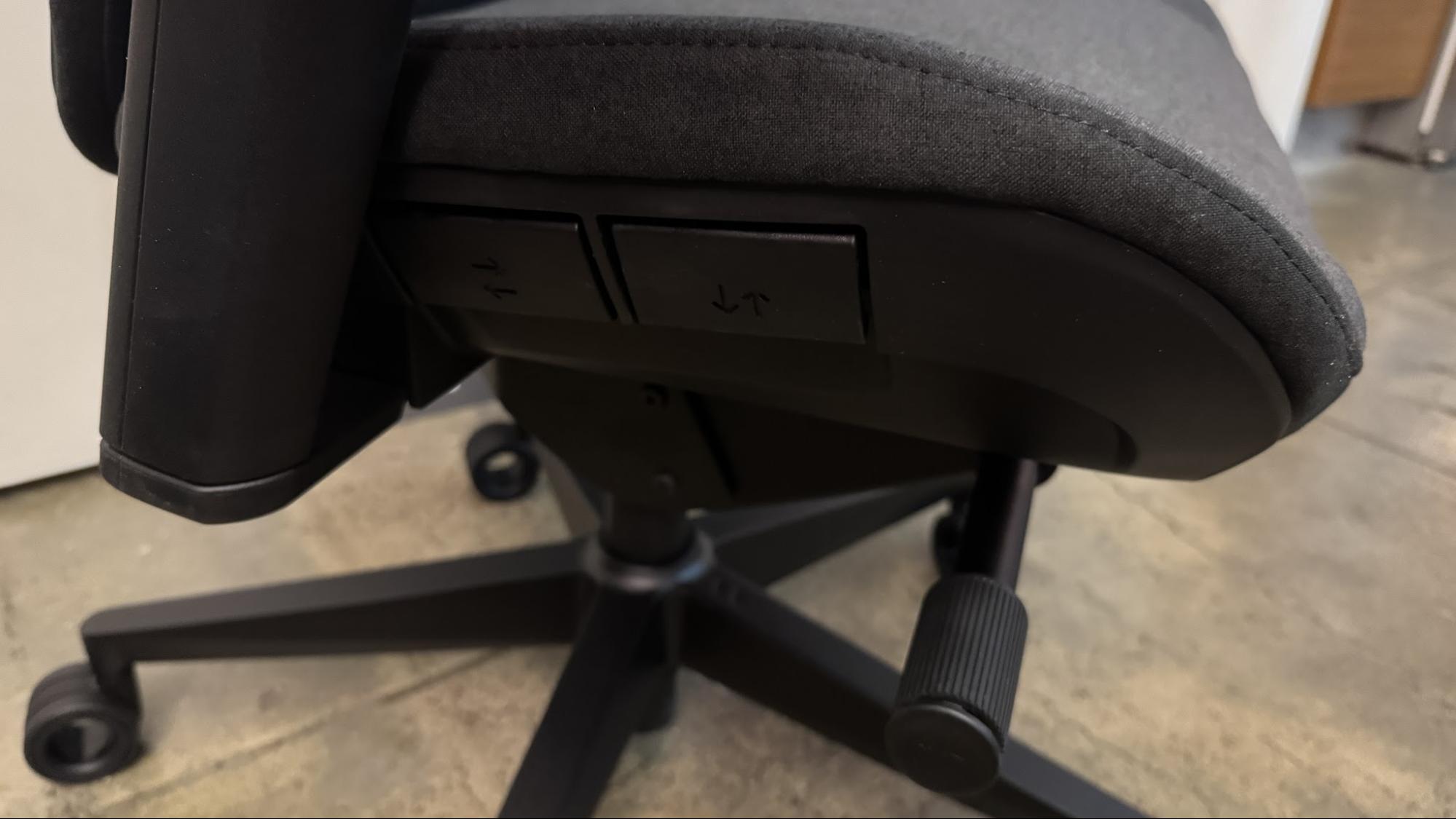
The Refine 2 is highly adjustable, though it doesn't offer some of the traditional gaming chair adjustments, such as the ability to lie almost completely flat. There are two levers on the right side of the chair, just under the seat, that control seat depth and height. The front lever controls height, and works as expected — pulling it raises and lowers the chair's height via its gas lift. The floor-to-seat height ranges from 19.3 - 24 inches (490 - 610mm).

Fractal Refine 2
Tom's Hardware
Fractal Refine 2
Tom's Hardware

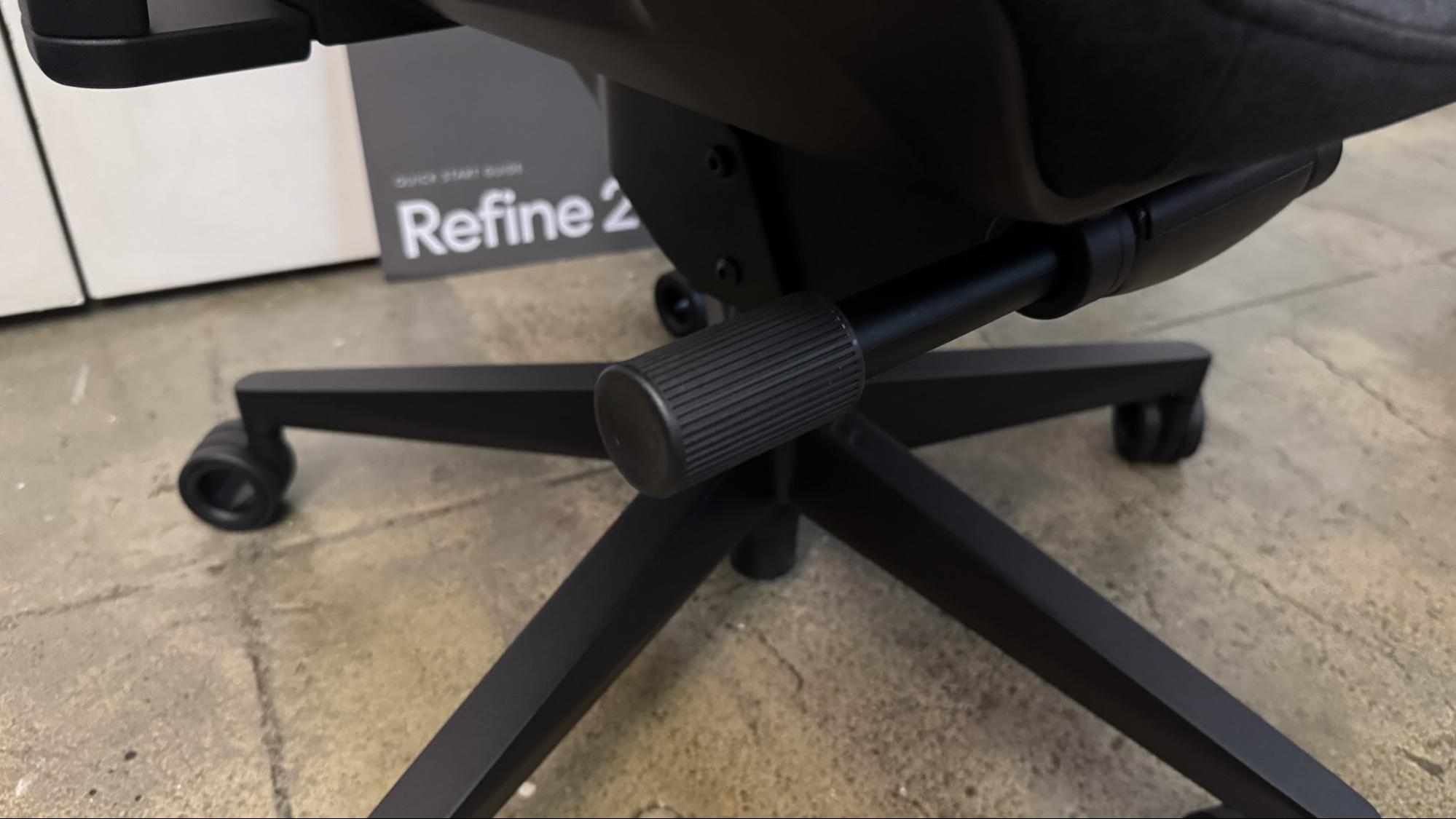
The back lever controls seat depth, which starts at around 16.7 inches (425mm) and can be adjusted to approximately 19.69 inches (500mm), which is pretty deep. Under the two levers there's a knob for adjusting the strength of the chair's tilt limiter — twisting forward (clockwise) makes it stronger, while twisting backward (counter-clockwise) makes it weaker. One of my main issues with the original Refine was that the tilt limiter was far too strong, even at its weakest setting. I'm pleased to see that the Refine 2 has toned down the absolute strength of the tilt limiter, but unfortunately it's still just a little too strong for me to be able to easily lean back. While I did manage to find a comfortable position with the Refine 2 by tilting back and locking the chair into a slightly reclined position, I would still prefer more flexibility in the seatback while I'm working.

Fractal Refine 2
Tom's Hardware
Fractal Refine 2
Tom's Hardware

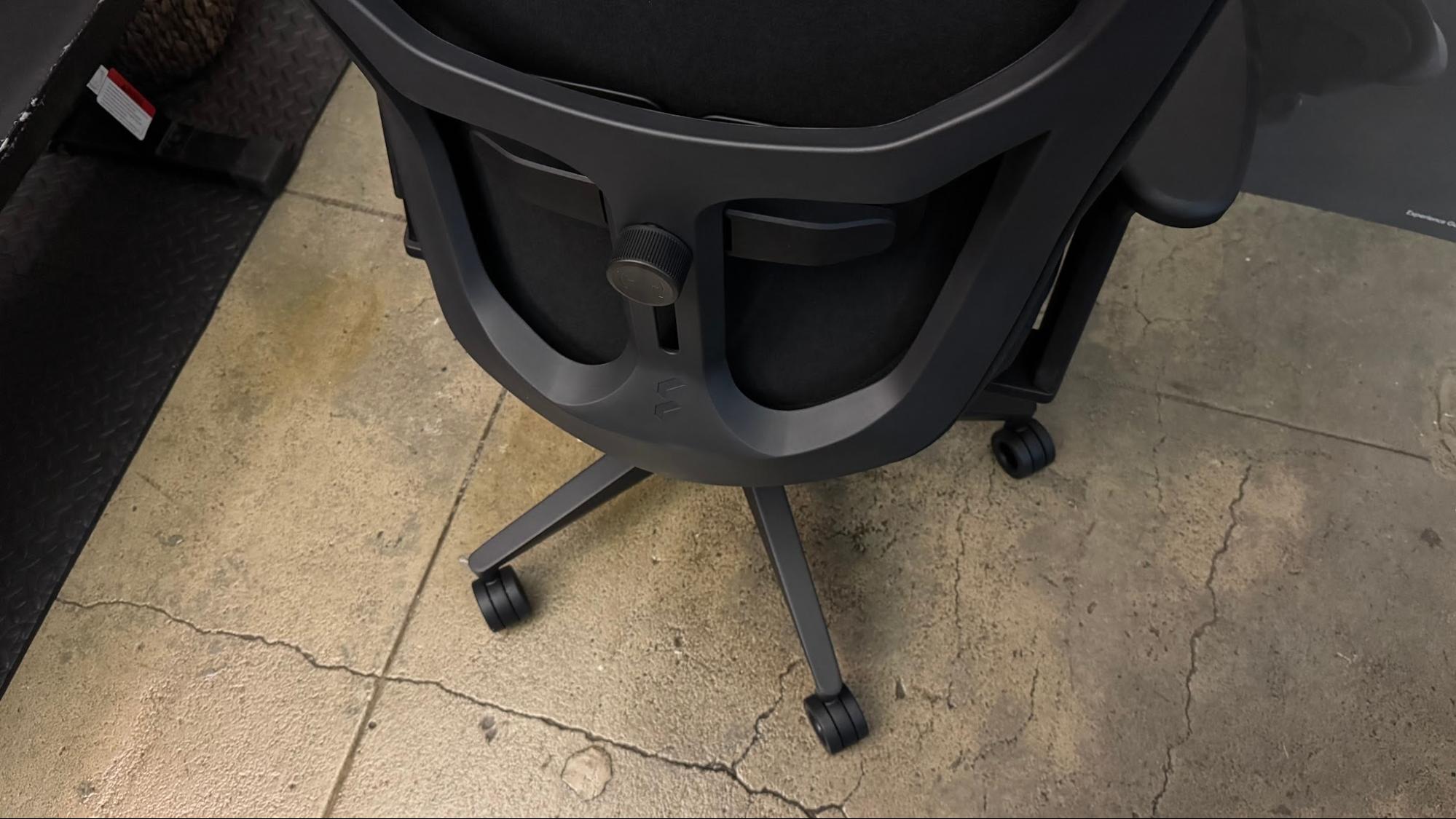
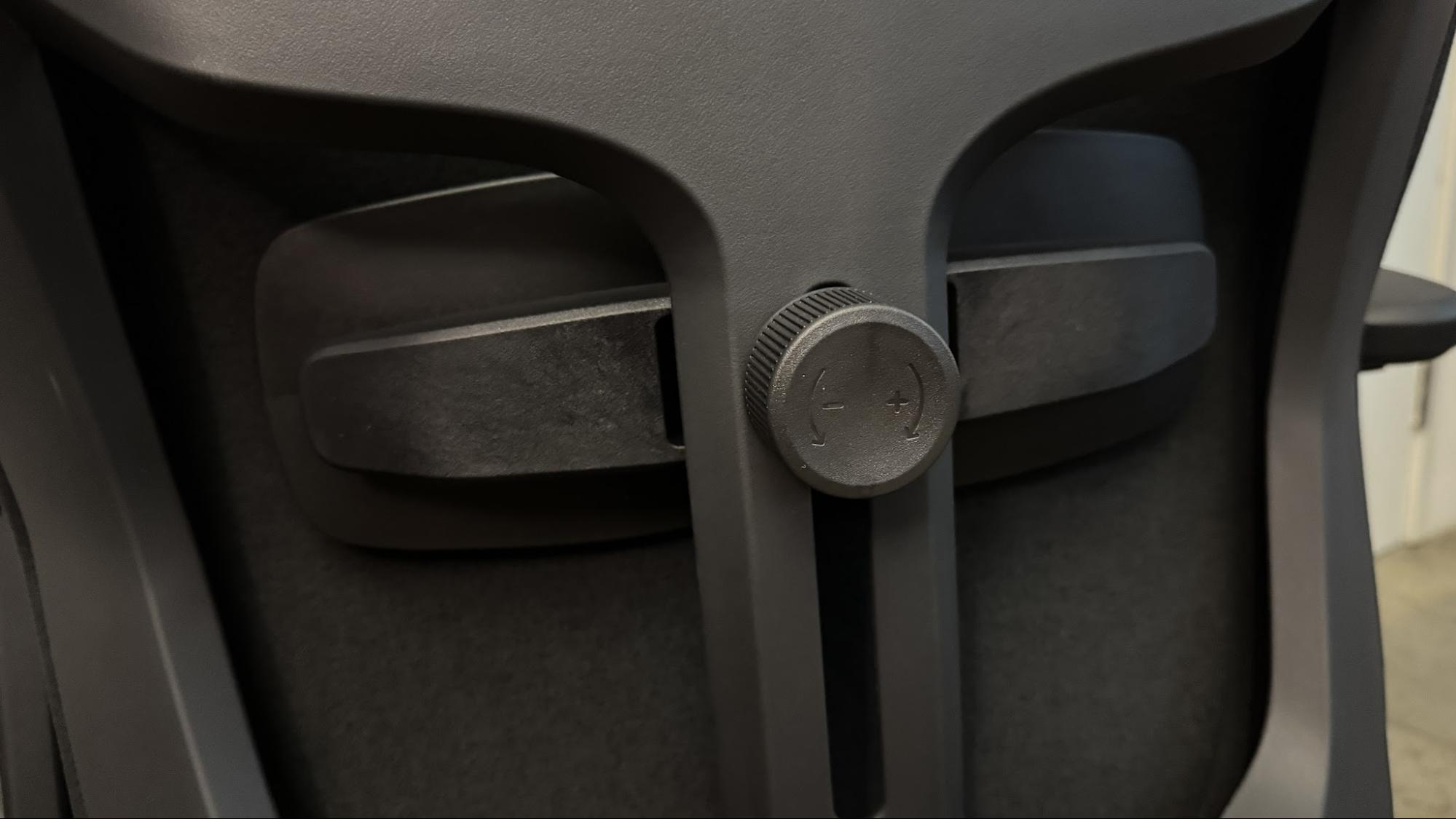
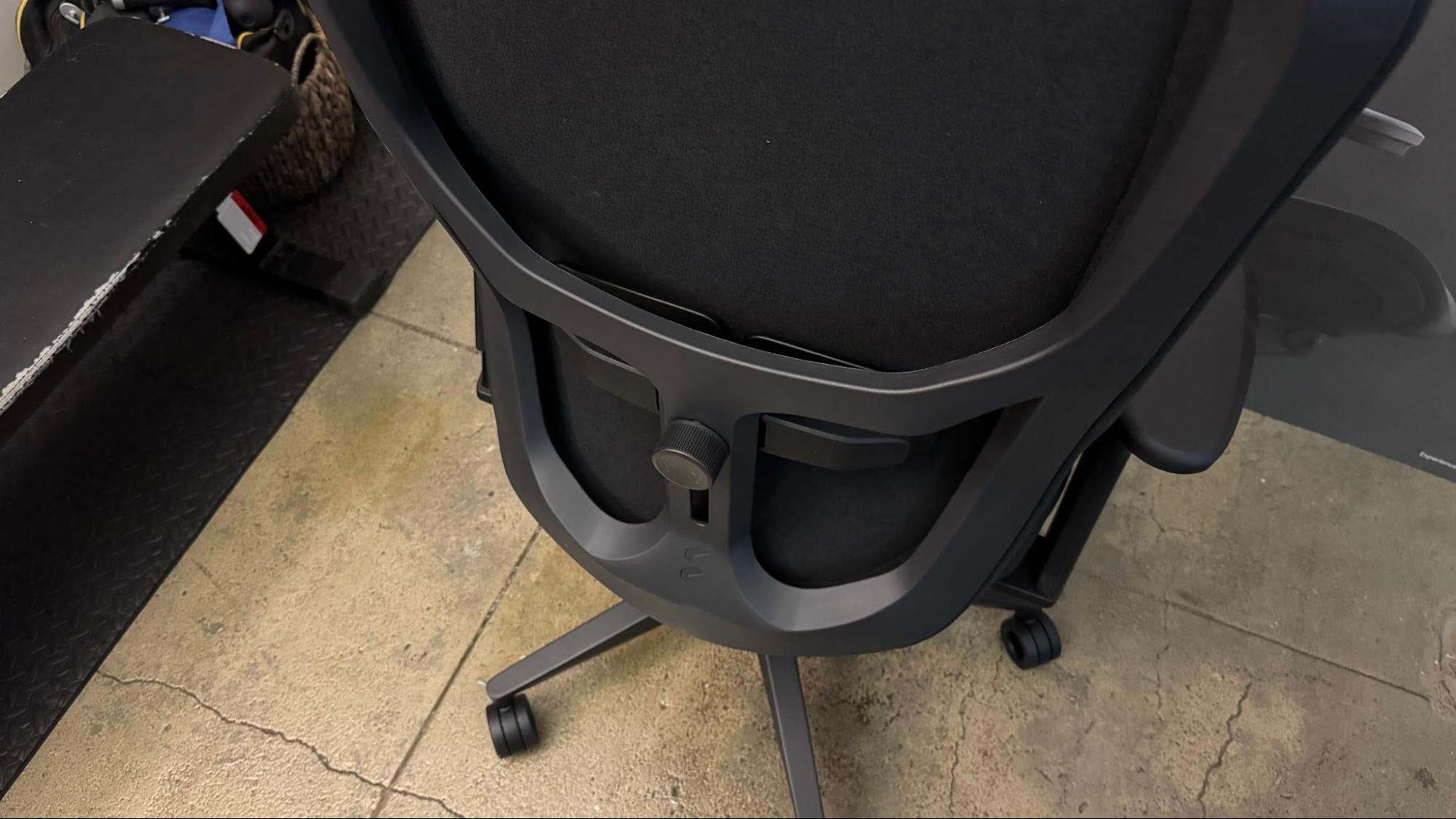
The Refine 2 has adjustable lumbar support in the form of a moving lumbar pad that presses through the seat's suspension back. The lumbar pad can be moved up and down (you'll need to move it manually), and support can be dialed up by twisting the knob clockwise, or dialed down by twisting the knob counter-clockwise. The lumbar support now features dual pads on either side of your spine (instead of just one pad, like the original Refine had), which flex and adapt as you move to better support your lower back. The dynamic support was nice, though I think I still prefer vertically-adaptable support (like what's on the Herman Miller x Logitech G Vantum).

Fractal Refine 2
Tom's Hardware
Fractal Refine 2
Tom's Hardware

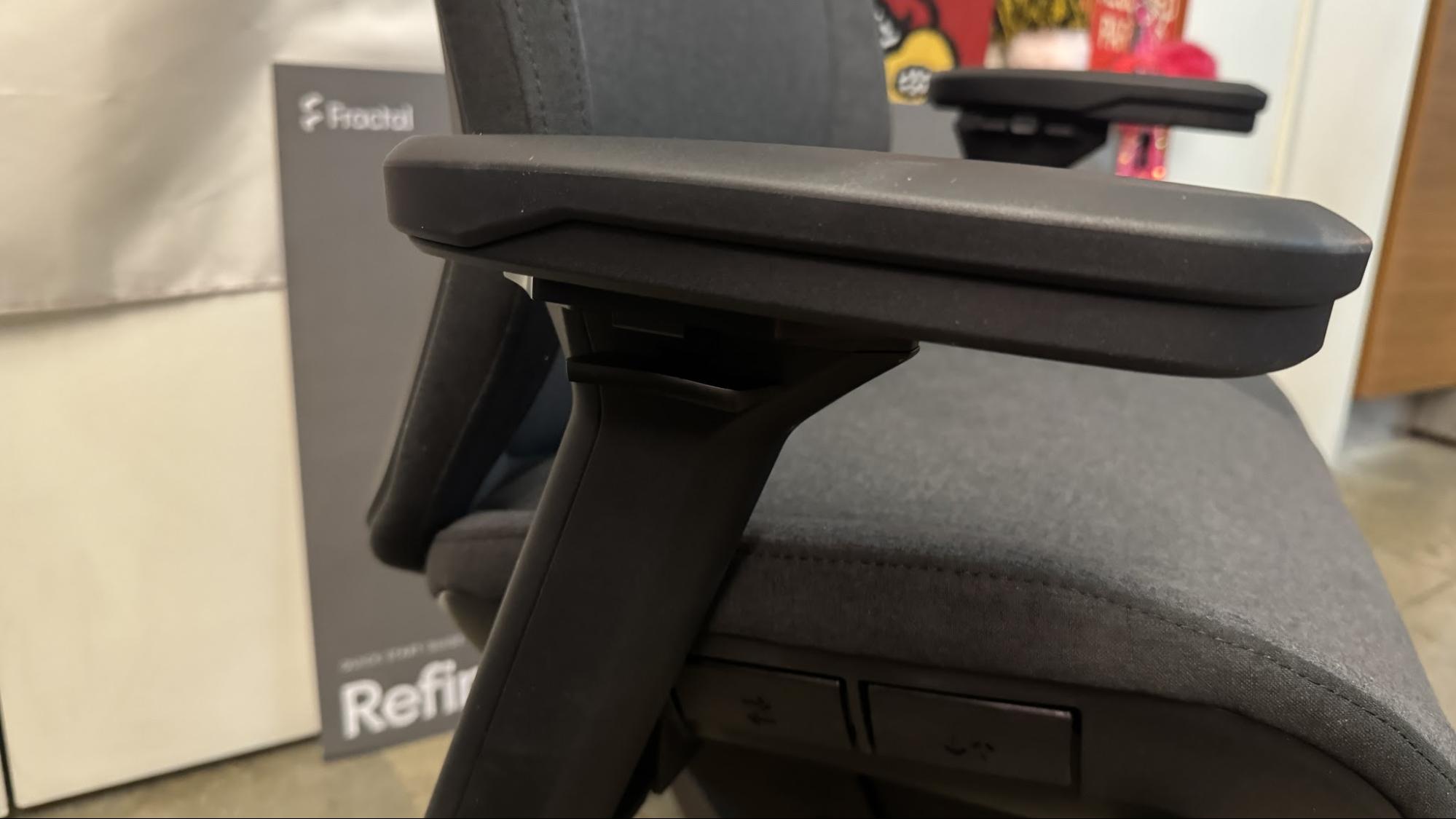
Like its predecessor, the Refine 2 has 4D adjustable armrests — you can adjust the height, width, depth, and angle. Unlike its predecessor, these arm rests do fully lock in place, as the depth (back/forward) movement is now locked to the small button (on the inside of the armrest, near the front) that also locks angle. There's a lever on the outside of each armrest for adjusting height, and a button on the inside (in the middle) for adjusting width. You can also adjust overall armrest width at the base, though you'll need to break out the hex wrench to do this.

Fractal Refine 2

(Image credit: Tom's Hardware)

The armrests have wide, padded polyurethane-covered tops and are fairly comfortable. I did find the depth/angle lock to be a little difficult to easily maneuver — especially when I wanted to adjust angle (there are only three angles — neutral/straight, and about 20 degrees inward and outward), but I suppose that's the price we pay for locking arm rests.

Fractal Refine 2
Tom's Hardware
Fractal Refine 2
Tom's Hardware
Fractal Refine 2
Tom's Hardware
Fractal Refine 2
Tom's Hardware

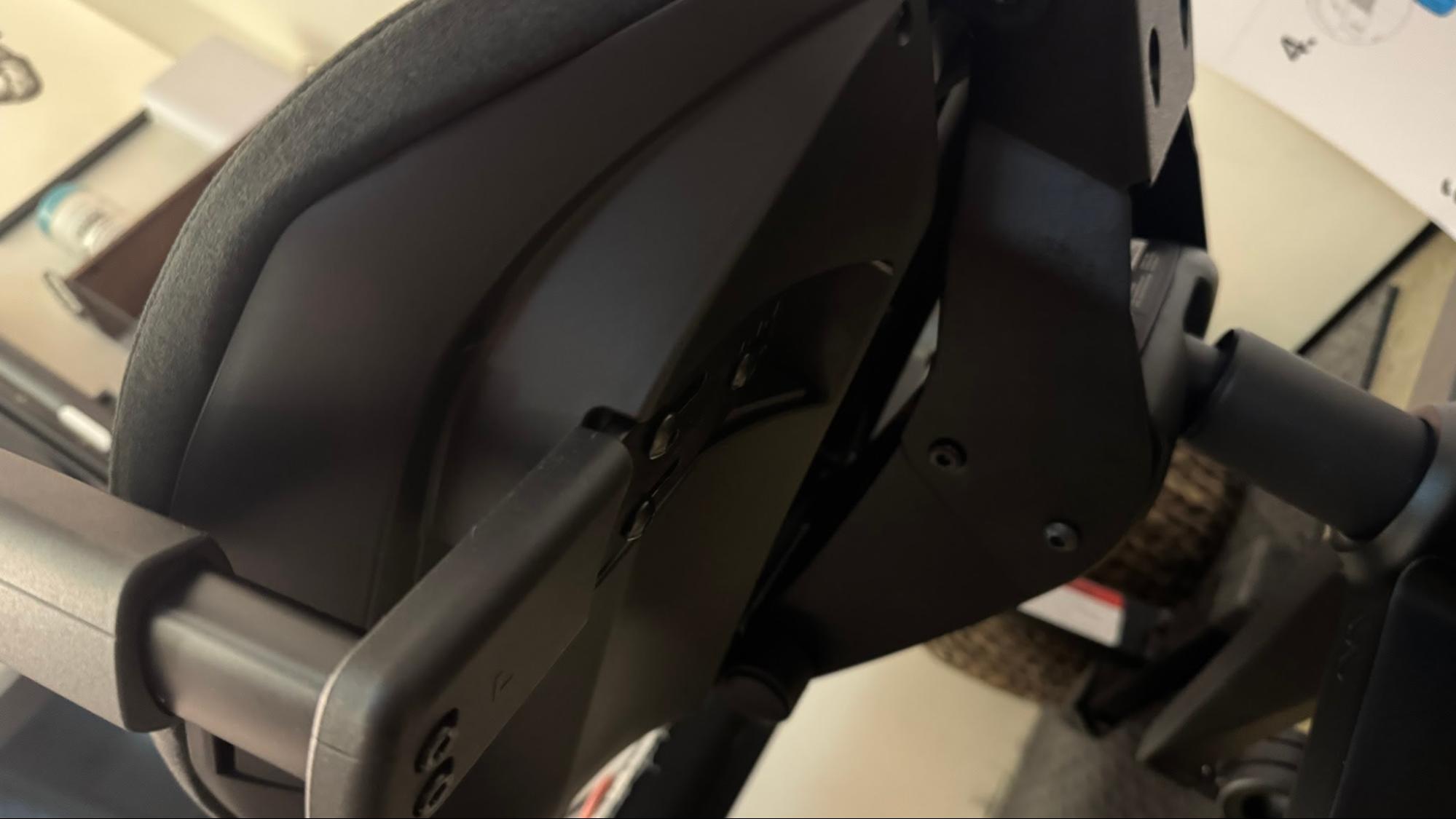
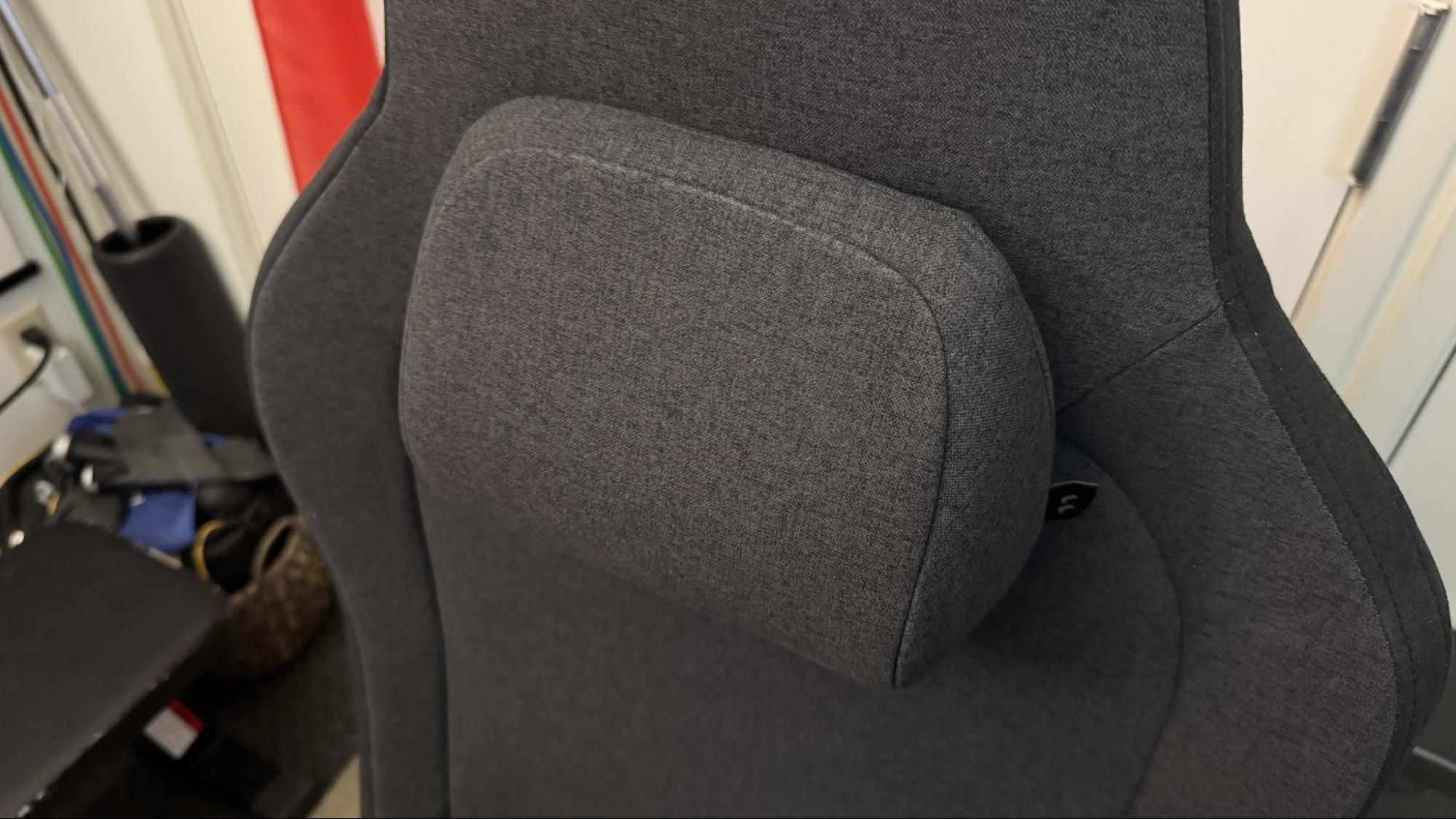
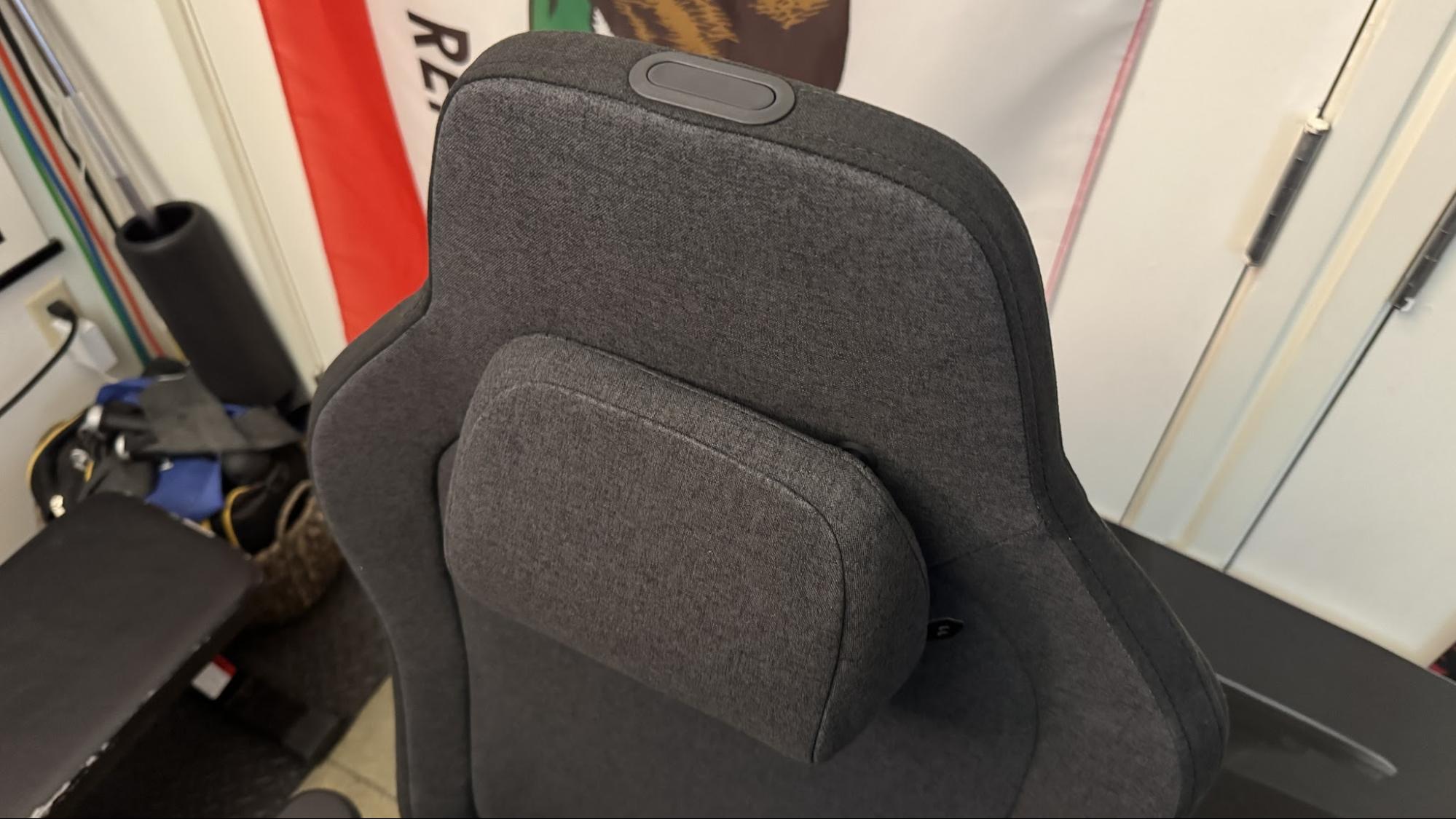
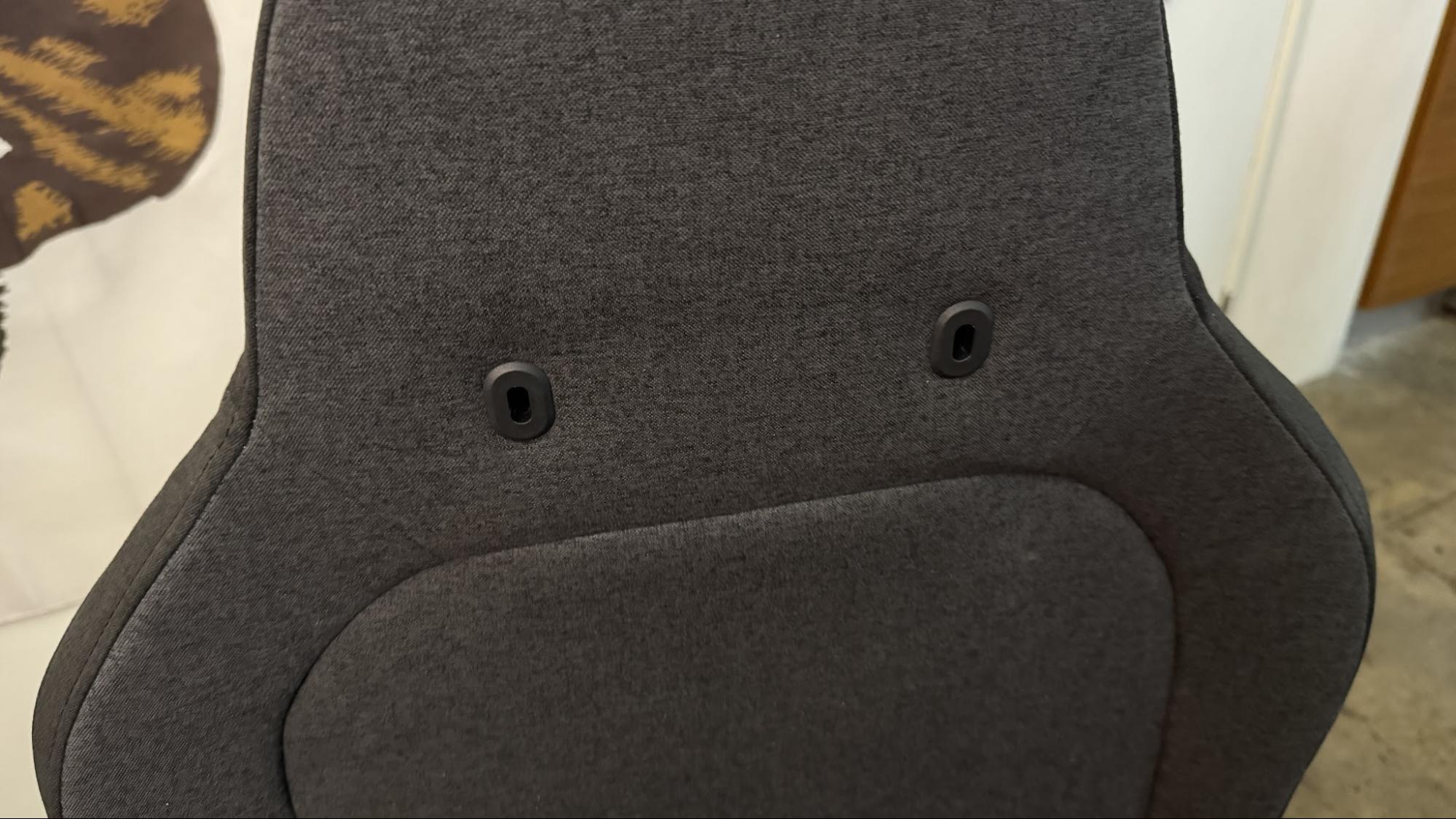
The chair has a built-in, detachable neck pillow implemented the same way it is on the original Refine — attached to the chair via two sturdy metal attachments that click into place. The neck pillow can be manually raised or lowered, or it can be removed completely by pressing the button at the top of the backrest. The neck pillow is very similar to the one in the original Refine — moderately dense fabric-covered memory foam with a bottom-heavy sloped shape designed to sit at the base of your neck.

The maximum recommended weight for the Refine 2 is approximately 300 pounds (135kg). However, the recommended weight range is 132 - 300 pounds (60 - 135kg) and the recommended height range is 5'5" - 6'7" (160 - 200cm). I'm right at the lower end of this range (I'm around 5'7" / 171cm and I weigh around 135 pounds / 61kg), and the chair still seemed too heavy for me. While the tilt limiter was weaker than the tilt limiter on the original Refine, I still found it hard to easily tilt back and ended up having to lock the chair into position for comfort. My husband, who's 5'11" (180cm) and weighs around 190 pounds (86kg) had a much easier time tilting and maneuvering the chair.

Bottom Line

The Fractal Refine 2 is actually a pretty nicely refined version of the original Refine. The company definitely took some feedback into account and made some adjustments — but are they enough? This chair is practically identical to its predecessor, and the relatively minor changes aren't really enough to warrant an upgrade if you already have the original. If you don't already have the Fractal Refine, the Refine 2 is a pretty nice halfway point between racing-style gaming chairs and pricier task/office chairs — and the price is about halfway, too. At $640, this is a little more than you'll spend on a typical racing-style chair, such as SecretLab's Titan Evo NanoGen, but it's significantly less than you'll spend on most office-style chairs, such as SteelCase's Karman.

❌
❌